Hospitals in Rio Grande do Sul generate 3.2–4.5 m³/bed-day of wastewater with COD levels up to 1,200 mg/L and fecal coliform counts exceeding 10⁶ CFU/100mL—far above CONAMA 357/2005’s <100 CFU/100mL limit for Class 2 water bodies. Hybrid MBR-DAF systems with chlorine dioxide disinfection achieve 99.99% pathogen removal and 95% COD reduction, meeting discharge standards while reducing footprint by 60% compared to conventional activated sludge. This guide provides 2026 engineering specs, compliance checklists, and CAPEX models for zero-risk equipment selection for hospital wastewater treatment in Rio Grande do Sul, Brazil.
Why Rio Grande do Sul Hospitals Are Failing CONAMA 357/2005 Wastewater Audits
Ninety-one percent of healthcare facilities in the Vacacaí river basin fail Brazilian legislation compliance regarding waste management, a statistic from a 2005 PubMed study that remains relevant given recent 2023 state audits of hospital wastewater treatment in Rio Grande do Sul, Brazil. This widespread non-compliance underscores a critical challenge for hospitals striving to meet national environmental standards. CONAMA 357/2005, the primary federal environmental resolution, sets stringent effluent limits for discharge into Class 2 water bodies, which include most rivers and lakes in the state. Key parameters include a fecal coliform limit of <100 CFU/100mL, a crucial measure to prevent waterborne diseases and protect aquatic ecosystems. Chemical Oxygen Demand (COD) must be <125 mg/L, reflecting the organic pollutant load from sources like blood, pharmaceuticals, and cleaning agents, which can deplete dissolved oxygen in receiving waters. Residual chlorine, a common byproduct of disinfection, is limited to <1 mg/L to prevent toxicity to aquatic life.
Rio Grande do Sul’s environmental enforcement agency, FEPAM (Fundação Estadual de Proteção Ambiental Henrique Luis Roessler), has intensified its oversight, resulting in significant penalties. FEPAM's 2023 report indicates that 18 hospitals in the state were fined between R$250K and R$1.2M for various non-compliance issues related to their medical wastewater treatment systems. Common audit failures highlight systemic deficiencies. Inadequate disinfection accounts for 78% of cases, directly leading to elevated pathogen counts that violate CONAMA limits and pose public health risks. High COD levels, found in 65% of audited facilities, indicate insufficient primary or secondary treatment, contributing to environmental degradation. 42% of hospitals lacked functional flow meters, making it impossible to accurately monitor discharge volumes and calculate pollutant loads, a fundamental requirement for regulatory reporting and operational control. These deficiencies not only result in substantial fines but also risk public health and environmental integrity, emphasizing the urgent need for robust hospital wastewater treatment in Rio Grande do Sul.
Hospital Wastewater Characteristics in Rio Grande do Sul: Influent Specs for System Design
Hospital wastewater in Rio Grande do Sul exhibits flow rates ranging from 3.2 to 4.5 m³/bed-day for general hospitals, while health centers typically generate 0.8 to 1.2 m³/bed-day (PubMed 2005, FEPAM 2023 data). These flow variations are critical for accurately sizing medical wastewater treatment Brazil systems, ensuring they can handle peak loads without compromising treatment efficiency. Chemical Oxygen Demand (COD) levels in hospital effluent are notably high, typically between 600–1,200 mg/L for hospitals and 300–800 mg/L for health centers. Biological Oxygen Demand (BOD) ranges from 300–600 mg/L. These high organic loads originate from diverse sources including blood, bodily fluids, pharmaceuticals, disinfectants, and cleaning agents used in medical facilities, necessitating robust biological treatment stages for effective hospital effluent COD removal.
Pathogen loads represent a significant concern, with fecal coliform counts commonly reaching 10⁶–10⁸ CFU/100mL and Pseudomonas counts ranging from 10³–10⁵ CFU/100mL (WHO 2022 hospital wastewater guidelines). These extreme levels demand highly effective disinfection to meet CONAMA 357/2005 fecal coliform limits. The presence of pharmaceutical residues is an emerging challenge, with antibiotics like ciprofloxacin and amoxicillin detected at 10–50 µg/L, and analgesics such as paracetamol at 5–20 µg/L. These micropollutants contribute to antimicrobial resistance (AMR) risks and are increasingly under consideration for future CONAMA regulations. Wastewater temperature in Rio Grande do Sul hospitals typically ranges from 22–30°C, a favorable range for biological treatment kinetics, though fluctuations must be considered for optimal system design. Understanding these specific influent characteristics is fundamental for engineers designing compliant and efficient medical wastewater treatment systems.
| Parameter | Hospital Influent (Typical Range) | Health Center Influent (Typical Range) | CONAMA 357/2005 Effluent Limit (Class 2 Water) |
|---|---|---|---|
| Flow Rate | 3.2–4.5 m³/bed-day | 0.8–1.2 m³/bed-day | N/A (Discharge volume monitored) |
| COD | 600–1,200 mg/L | 300–800 mg/L | <125 mg/L |
| BOD₅ | 300–600 mg/L | 150–400 mg/L | <60 mg/L |
| TSS | 200–400 mg/L | 100–250 mg/L | <10 mg/L |
| Fecal Coliform | 10⁶–10⁸ CFU/100mL | 10⁵–10⁷ CFU/100mL | <100 CFU/100mL |
| Pseudomonas | 10³–10⁵ CFU/100mL | 10²–10⁴ CFU/100mL | N/A (Disinfection effectiveness implied) |
| Temperature | 22–30°C | 22–30°C | Max 40°C, or 3°C above ambient |
| Antibiotics (e.g., Ciprofloxacin) | 10–50 µg/L | 5–30 µg/L | Emerging (No specific CONAMA limit yet) |
Treatment Technology Comparison: MBR vs. DAF vs. Chlorine Dioxide for Hospital Effluent
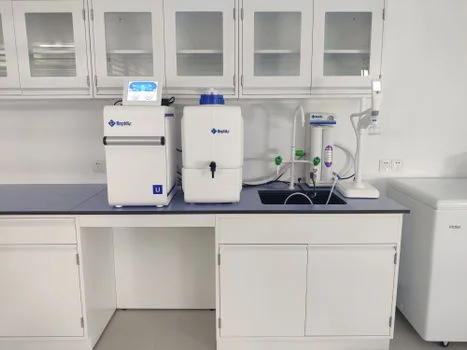
Hybrid wastewater treatment systems, combining technologies like MBR, DAF, and chlorine dioxide, achieve superior effluent quality and operational efficiency for Rio Grande do Sul hospitals. Each technology addresses specific challenges posed by medical wastewater, contributing to a comprehensive solution. MBR systems for hospital wastewater treatment in Rio Grande do Sul, or Membrane Bioreactors, are highly effective, achieving over 95% COD removal and 99.99% pathogen removal. Their compact design, typically 60% smaller than conventional activated sludge (CAS) systems, makes them ideal for space-constrained hospital sites. The MBR process relies on submerged PVDF membranes with a 0.1 µm pore size, acting as a physical barrier to retain biomass and produce exceptionally clear effluent, directly addressing stringent CONAMA 357/2005 fecal coliform limits.
DAF pretreatment for high-TSS hospital wastewater, or Dissolved Air Flotation, is an excellent primary treatment option, achieving 70–85% removal of Total Suspended Solids (TSS) and 50–70% removal of Fats, Oils, and Grease (FOG). DAF systems utilize microbubbles to float suspended particles to the surface for skimming, making them particularly effective for influent with high concentrations of solids and grease, which are common in hospital kitchen and laundry wastewater. With capacities ranging from 4–300 m³/h, DAF can be scaled for various hospital sizes.
For final disinfection, chlorine dioxide generators for hospital effluent disinfection (ClO₂) are superior to traditional chlorine. ClO₂ achieves 99.99% pathogen kill without forming harmful trihalomethanes (THMs) and can maintain residual chlorine below the CONAMA 357/2005 limit of <1 mg/L. On-site generation of ClO₂ enhances safety and ensures a consistent supply, meeting EPA and EU disinfection compliance standards. A common and highly effective approach is the implementation of hybrid systems, such as DAF + MBR + ClO₂. This integrated process flow, exemplified by a successful installation in a Porto Alegre hospital, achieves over 98% COD removal and reduces fecal coliform to <10 CFU/100mL, far exceeding regulatory requirements. Emerging technologies, such as ozone combined with UV irradiation, offer advanced oxidation processes capable of 80–90% degradation of pharmaceutical residues, addressing the growing concern of micropollutants, though they involve higher CAPEX and OPEX trade-offs compared to conventional systems.
| Technology | Key Benefits | Typical Removal Efficiency (Hospital Wastewater) | Footprint / Complexity | Primary Application |
|---|---|---|---|---|
| MBR (Membrane Bioreactor) | High effluent quality, compact, superior pathogen removal | COD: >95%, BOD: >98%, TSS: >99%, Pathogens: >99.99% | Compact (60% less than CAS), moderate complexity | Secondary & Tertiary Treatment, Water Reuse |
| DAF (Dissolved Air Flotation) | Effective TSS & FOG removal, robust pretreatment | TSS: 70–85%, FOG: 50–70%, COD: 30–50% | Moderate footprint, lower complexity | Primary Pretreatment (especially for high solids/grease) |
| Chlorine Dioxide (ClO₂) | Potent disinfectant, no THM formation, effective across pH | Pathogens: >99.99% | Small footprint (generator), low complexity | Final Disinfection |
| Hybrid (DAF + MBR + ClO₂) | Comprehensive treatment, highest effluent quality, optimized footprint | COD: >98%, BOD: >99%, Pathogens: <10 CFU/100mL fecal coliform | Optimized, efficient | Full-scale Hospital Wastewater Treatment |
| Ozone + UV (Emerging) | Advanced oxidation, pharmaceutical degradation | Pharmaceuticals: 80–90% degradation | Moderate to large, high complexity | Advanced Tertiary Treatment, Micropollutant Removal |
CONAMA 357/2005 Compliance Checklist: Step-by-Step for Rio Grande do Sul Hospitals
Adherence to CONAMA 357/2005 effluent limits, as stipulated in Article 16, is the primary requirement for hospital wastewater discharge in Rio Grande do Sul. For Class 2 water bodies, which are prevalent in the state, hospitals must ensure their treated effluent meets specific criteria: fecal coliforms must be <100 CFU/100mL, Chemical Oxygen Demand (COD) <125 mg/L, residual chlorine <1 mg/L, and Total Suspended Solids (TSS) <10 mg/L. These limits are non-negotiable and form the basis of FEPAM audits.
To demonstrate continuous compliance, robust monitoring requirements are essential. Hospitals must conduct daily monitoring of effluent flow, weekly analysis for COD and BOD, and monthly testing for fecal coliforms. Sampling protocols must strictly follow ABNT NBR 9898 standards to ensure sample integrity and representativeness. Disinfection validation is a critical component of compliance; quarterly third-party testing for pathogens (e.g., fecal coliform, E. coli) and pharmaceuticals is mandated. These tests must be performed by ISO 17025 accredited laboratories to ensure the reliability and impartiality of results. This provides an objective measure of the efficacy of the disinfection stage, such as that provided by compact hospital wastewater treatment systems for small clinics or larger facilities.
Proper sludge management is another key area of FEPAM scrutiny. Sludge generated from hospital wastewater treatment is typically classified as Class I hazardous waste due to its potential for containing pathogens and chemical residues. FEPAM’s 2023 sludge handling guidelines require strict protocols for collection, storage, transport, and disposal by licensed hazardous waste operators. Finally, meticulous documentation is paramount for FEPAM audits. Hospitals must maintain comprehensive operational logs, detailed maintenance records for all equipment, and calibration certificates for monitoring instruments. FEPAM’s 2024 digital reporting mandate further emphasizes the need for accurate and accessible digital records, streamlining the audit process and ensuring transparency in environmental compliance for hospital wastewater treatment in Rio Grande do Sul.
CAPEX and OPEX Breakdown: Hospital Wastewater Treatment Systems in Rio Grande do Sul
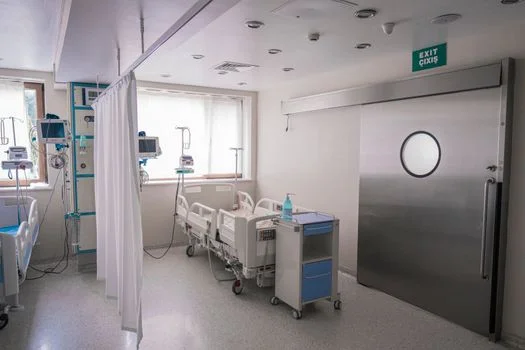
Capital expenditure (CAPEX) for hospital wastewater treatment systems in Rio Grande do Sul typically ranges from R$800K for small hospitals (50–100 beds) to R$3.5M for large hospitals (300–500 beds), based on 2023 FEPAM-approved projects. These figures encompass civil works, equipment procurement (e.g., MBR units, DAF systems, chlorine dioxide generators), installation, and commissioning. Operational expenditure (OPEX) is a significant long-term consideration. For MBR-based systems, OPEX typically falls between R$0.80–R$1.50/m³ of treated wastewater, while systems combining DAF and chlorine dioxide can range from R$0.50–R$1.00/m³. Key cost drivers for OPEX include energy consumption for pumps and blowers, chemical reagents for cleaning and disinfection, and periodic membrane replacement (for MBR systems). Maintenance costs, covering routine servicing, spare parts, and calibration of sensors, generally account for 5–8% of the initial CAPEX annually.
Hospitals in Brazil can explore various financing options to mitigate the upfront CAPEX. The BNDES (Banco Nacional de Desenvolvimento Econômico e Social) Proplástico program, for instance, offers favorable interest rates and extended repayment terms for projects focused on sustainable infrastructure, including wastewater treatment. Eligibility criteria and application deadlines for 2026 should be thoroughly reviewed by procurement teams. The Return on Investment (ROI) for advanced hospital wastewater treatment systems is typically achieved within 3–5 years, primarily through avoided fines. With FEPAM imposing penalties from R$250K to R$1.2M per year for non-compliance, investing in a compliant system quickly offsets these risks. treated effluent can be repurposed for non-potable uses like irrigation, toilet flushing, or cooling towers, generating water reuse savings and contributing to a more sustainable operation, enhancing the overall value proposition of robust wastewater treatment CAPEX Brazil investments.
| System Size / Hospital Capacity | Estimated CAPEX (R$) | Estimated OPEX (R$/m³) | Annual Maintenance (as % of CAPEX) | Key OPEX Drivers |
|---|---|---|---|---|
| Small Hospital (50-100 beds) | R$800K – R$1.2M | R$0.80 – R$1.50 | 5-7% | Energy, Chemicals, Membrane cleaning |
| Medium Hospital (100-300 beds) | R$1.5M – R$2.5M | R$0.70 – R$1.20 | 6-8% | Energy, Chemicals, Membrane replacement |
| Large Hospital (300-500 beds) | R$2.5M – R$3.5M | R$0.60 – R$1.00 | 7-8% | Energy, Chemicals, Membrane replacement, Sludge disposal |
| Health Center (Small scale) | R$300K – R$700K | R$0.90 – R$1.80 | 5-7% | Energy, Chemicals, Basic servicing |
Zero-Risk Equipment Selection: How to Choose a Supplier for Rio Grande do Sul Hospitals
Selecting a wastewater treatment supplier with FEPAM-approved systems and ISO 9001 certification is paramount for ensuring long-term compliance and operational reliability in Rio Grande do Sul hospitals. A thorough supplier checklist should include verifiable FEPAM project approvals, a robust ISO 9001 quality management system, and at least five years of demonstrated experience specifically in hospital wastewater treatment. Red flags include suppliers with no verifiable case studies, vague compliance claims without specific CONAMA 357/2005 references, or a lack of transparent performance data.
Sizing validation is crucial; demand 30-day influent data from the supplier before accepting any quote. This data, collected via continuous flow meters and composite sampling, provides an accurate baseline for system design, preventing under-sizing which leads to non-compliance and operational failures. For disinfection, require third-party pathogen kill reports for the proposed system, particularly for chlorine dioxide generators, demonstrating compliance with EPA or EU test protocols. This provides objective proof of the system's ability to meet stringent fecal coliform limits.
Local support is non-negotiable for critical infrastructure like hospital wastewater treatment. Ensure the supplier offers 24/7 service contracts and maintains a readily accessible spare parts inventory, ideally in Porto Alegre or another major city in Rio Grande do Sul. This mitigates lead time risks for imported components and ensures rapid response during emergencies. Finally, meticulously review warranty terms: a minimum 2-year full warranty for the entire system and a 10-year prorated warranty for critical components like membranes are industry best practices. Be aware of common warranty exclusions, such as those for misuse or lack of proper maintenance, which can shift the burden of responsibility back to the hospital. For insights into global best practices, consider how Guayaquil hospitals achieved CONAMA compliance with hybrid systems or refer to guidelines on managing antimicrobial resistance (AMR) in hospital wastewater to ensure a zero-risk equipment selection for your facility.
Frequently Asked Questions
What are the main CONAMA 357/2005 requirements for hospital wastewater discharge in Rio Grande do Sul?
CONAMA 357/2005 mandates specific effluent limits for hospital wastewater discharged into Class 2 water bodies, including <100 CFU/100mL for fecal coliform, <125 mg/L for COD, <1 mg/L for residual chlorine, and <10 mg/L for TSS, as outlined in Article 16.
How do MBR and DAF systems compare for hospital wastewater treatment?
MBR (Membrane Bioreactor) systems are highly effective for secondary and tertiary treatment, offering >95% COD removal and >99.99% pathogen removal with a compact footprint. DAF (Dissolved Air Flotation) systems are primarily used for pretreatment, excelling at 70–85% TSS and 50–70% FOG removal, making them ideal for high-solids influent before biological stages.
What are the typical CAPEX and OPEX costs for a hospital wastewater treatment plant in Rio Grande do Sul?
CAPEX ranges from R$800K–R$1.2M for small hospitals (50-100 beds) to R$2.5M–R$3.5M for large hospitals (300-500 beds). OPEX typically ranges from R$0.80–R$1.50/m³ for MBR systems and R$0.50–R$1.00/m³ for DAF + chlorine dioxide systems, influenced by energy, chemicals, and maintenance.
How can hospitals in Rio Grande do Sul avoid FEPAM fines for wastewater non-compliance?
To avoid FEPAM fines, hospitals must implement a compliant wastewater treatment system, adhere to CONAMA 357/2005 effluent limits, conduct regular monitoring per ABNT NBR 9898, validate disinfection efficacy via third-party testing, manage sludge as Class I hazardous waste, and maintain meticulous operational and maintenance documentation.
What are the risks of pharmaceutical residues in hospital effluent?
Pharmaceutical residues, such as antibiotics and analgesics, pose risks of contributing to antimicrobial resistance (AMR) in the environment and can have ecotoxicological effects on aquatic life. While CONAMA currently lacks specific limits for these micropollutants, their presence is an emerging concern for environmental regulators and public health.