The Challenge: Rising Costs and Regulatory Pressure in PCB Wastewater Treatment
PCB manufacturing generates 50–150 gallons of wastewater per square foot of board produced, according to extrapolated EPA 2023 data. This high volume, coupled with the complex chemical composition of PCB effluent, presents significant operational and financial challenges for manufacturers. Disposal costs for untreated PCB wastewater currently range from $0.50–$2.00 per gallon, depending on local regulations and the concentration of hazardous constituents (2025 industry benchmark). For a facility producing 50,000 square feet of boards annually, this can translate to millions in disposal expenses.
Beyond cost, regulatory compliance is a major driver for advanced treatment solutions. Both the U.S. EPA 40 CFR Part 433 and China GB 31573-2015 set strict discharge limits for heavy metals commonly found in PCB wastewater, such as copper (<0.4 mg/L), lead (<0.1 mg/L), nickel, and zinc. Non-compliance can result in substantial fines, operational shutdowns, and reputational damage. The Northeastern PCB facility, prior to implementing its ZLD system, struggled with inconsistent influent quality, high sludge disposal volumes from conventional chemical precipitation, and a heavy reliance on costly off-site hauling, all contributing to escalating operational expenditures and regulatory risk.
System Design: Hybrid ZLD Process Flow for PCB Wastewater
The hybrid ZLD system implemented at the Northeastern PCB facility is engineered to process 57 gpm of mixed PCB wastewater, integrating chemical pre-treatment, microfiltration, reverse osmosis (RO), ion exchange, and mechanical vapor recompression (MVR) evaporation. This multi-stage approach ensures comprehensive contaminant removal, high water recovery, and valuable metal reclamation.
The process flow begins with raw PCB wastewater entering a collection tank, where it undergoes initial equalization. From there, the wastewater is directed to chemical pre-treatment. This stage involves precise pH adjustment to a range of 6.5–8.5 using caustic soda or acid, followed by the precise chemical dosing for PCB wastewater pre-treatment of a coagulant, such as ferric chloride (50–100 mg/L), and a flocculant. This promotes the precipitation of heavy metals and suspended solids, preparing the water for subsequent filtration. HydropureWater’s automatic chemical dosing system ensures optimal reagent addition based on real-time influent characteristics.
Post-chemical treatment, the wastewater flows to a microfiltration (MF) unit. This stage utilizes membranes with a pore size of 0.1–0.5 μm, achieving 92–97% TSS removal and significantly reducing the load on the downstream RO system. The specific MF unit for etching wastewater streams was designed for a 12 gpm flow rate. The clarified water then proceeds to a dual-stage reverse osmosis (RO) system. HydropureWater’s industrial RO systems for PCB wastewater treatment operate at 100–150 psi, achieving a 95% recovery rate and producing permeate with a total dissolved solids (TDS) concentration typically below 50 mg/L, suitable for reuse in manufacturing processes.
The RO concentrate, still containing elevated levels of dissolved metals, is then routed to an ion exchange (IX) system. Strong acid cation resins are employed to selectively capture remaining heavy metals, particularly copper, achieving effluent copper concentrations often below 0.1 mg/L. The regenerated copper-rich eluate from the ion exchange process is sent for further processing to recover high-purity copper. Finally, the residual concentrate from the RO and IX processes, now significantly reduced in volume but still high in TDS, is fed into a mechanical vapor recompression (MVR) evaporator. This energy-efficient unit achieves a 99% volume reduction, producing distilled water for reuse and a highly concentrated solid waste for minimal disposal.
PCB Wastewater -> Equalization -> Chemical Pre-treatment (pH Adj, Coagulation)
                 |
                 V
                 Microfiltration (MF)
                 |
                 V
                 Reverse Osmosis (RO) -> Permeate (Water Reuse)
                 |
                 V (RO Concentrate)
                 Ion Exchange (IX) -> Eluate (Copper Recovery)
                 |
                 V (IX Concentrate)
                 MVR Evaporator -> Distillate (Water Reuse)
                 |
                 V (Solid Waste) -> Disposal
| Treatment Stage | Key Function | Primary Equipment | Performance Metric |
|---|---|---|---|
| Chemical Pre-treatment | Heavy metal precipitation, TSS reduction | Dosing Pumps, Flocculation Tanks | pH 6.5-8.5, Coagulant 50-100 mg/L |
| Microfiltration | Suspended solids removal | MF Membrane Modules | 0.1-0.5 μm pore size, 92-97% TSS removal |
| Reverse Osmosis | Dissolved solids reduction, water recovery | RO Membrane Skids, High-Pressure Pumps | 95% recovery rate, Permeate TDS <50 mg/L |
| Ion Exchange | Selective heavy metal polishing | Resin Columns, Regeneration System | Effluent Cu <0.1 mg/L |
| Evaporation | Concentrate volume reduction | MVR Evaporator | 99% volume reduction |
Engineering Specs: Influent Quality, System Performance, and Compliance Data
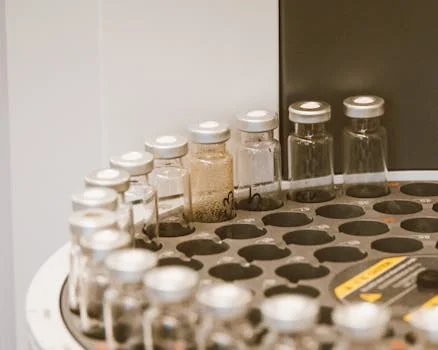
The ZLD system, designed for a 57 gpm flow rate, consistently processed influent with copper concentrations ranging from 50–200 mg/L and achieved effluent copper levels below 0.4 mg/L, significantly surpassing EPA 40 CFR Part 433 requirements. This robust performance is critical given the inherent variability of PCB manufacturing wastewater, which can fluctuate widely in composition depending on production processes and bath dumps.
The facility's influent quality presented a complex challenge, characterized by high concentrations of heavy metals and suspended solids. Typical influent parameters included copper (50–200 mg/L), lead (10–50 mg/L), and total suspended solids (TSS) at 300–800 mg/L, with pH varying widely from 2 to 12 (EPA PCB wastewater benchmarks). Through the multi-stage ZLD process, the system consistently achieved exceptional effluent quality, ensuring full compliance with stringent environmental regulations.
Key performance indicators demonstrate the system's efficiency in both contaminant removal and resource recovery. The ZLD system achieved an impressive 99.8% copper recovery from the wastewater stream, converting a hazardous waste into a valuable resource. Overall, 98% of the treated water was recovered and reused in the PCB manufacturing process, significantly reducing freshwater intake. The RO permeate recovery rate alone stood at 95%, underscoring the efficiency of the membrane filtration stage. The system's compact footprint of 20’ × 40’ for a 57 gpm capacity, including pre-treatment, RO, and evaporation units, makes it suitable for facilities with limited space and is scalable to treat up to 200 gpm. Energy consumption, a critical operational cost, was optimized at 1.2 kWh/m³ for the RO stage and 0.1 kWh/m³ for microfiltration (2025 industry averages), highlighting the system's efficiency.
| Parameter | Typical Influent Quality | Target Effluent Quality (EPA 40 CFR Part 433) | Achieved Effluent Quality (Case Study) |
|---|---|---|---|
| Copper (Cu) | 50 – 200 mg/L | <0.4 mg/L | <0.1 mg/L |
| Lead (Pb) | 10 – 50 mg/L | <0.1 mg/L | <0.05 mg/L |
| Total Suspended Solids (TSS) | 300 – 800 mg/L | <10 mg/L | <5 mg/L |
| pH | 2 – 12 | 6 – 9 | 7.0 – 8.0 |
| Water Recovery Rate | N/A | N/A | 98% |
| Copper Recovery Rate | N/A | N/A | 99.8% |
Cost Breakdown: CAPEX, OPEX, and ROI for PCB Wastewater ZLD Systems
Implementing a zero liquid discharge (ZLD) system for PCB wastewater treatment typically involves a Capital Expenditure (CAPEX) ranging from $1.2M to $2.5M for systems with a 50–100 gpm capacity (2025 industry benchmark). This cost includes engineering design, equipment procurement, installation, and commissioning. The Northeastern facility's 57 gpm system fell within this range, demonstrating a financially viable investment for long-term compliance and resource recovery.
Operational Expenditure (OPEX) for such systems generally ranges from $0.80–$1.50 per 1,000 gallons treated, encompassing costs for chemicals, energy, labor, and routine maintenance (extrapolated from Top 2 page industry data). For the Northeastern facility, the ZLD system generated substantial annual savings. A reduction of $280,000 was realized from eliminating wastewater disposal costs, a direct benefit of achieving zero liquid discharge. Additionally, the recovery of high-purity copper from the wastewater stream contributed an estimated $120,000 in annual revenue, significantly offsetting OPEX.
The combined annual savings and revenue generated by the ZLD system resulted in a compelling Return on Investment (ROI) of 3.5–5 years. This payback period is highly attractive, especially when considering the avoided regulatory fines and the long-term stability it provides against fluctuating disposal costs and tightening environmental regulations. A comparison with conventional treatment methods, such as chemical precipitation followed by discharge, further highlights the economic advantages of ZLD for a 50 gpm system, as detailed in the table below.
| Cost Category | ZLD System (50 gpm) | Conventional Treatment (50 gpm) |
|---|---|---|
| CAPEX (Equipment & Installation) | $1.2M – $2.5M | $0.4M – $0.8M |
| OPEX (per 1,000 gallons) | $0.80 – $1.50 | $0.50 – $1.20 (plus disposal) |
| Annual Wastewater Disposal Costs (avoided) | ~$280,000 (eliminated) | ~$280,000 (incurred) |
| Annual Copper Recovery Revenue | ~$120,000 | $0 |
| Annual Freshwater Savings | ~$50,000 | $0 |
| Estimated ROI | 3.5 – 5 years | N/A (Ongoing Cost) |
Lessons Learned: Key Takeaways for PCB Facilities
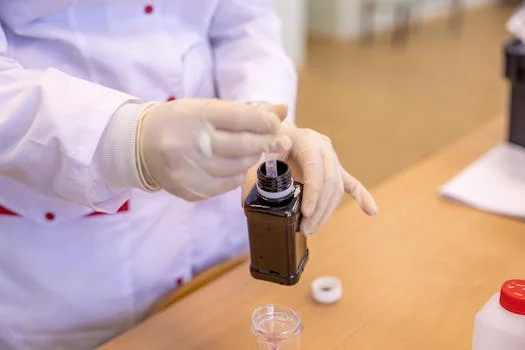
Effective pre-treatment is paramount for the long-term operational efficiency and membrane integrity of advanced ZLD systems treating PCB wastewater. The case study at the Northeastern facility underscored that inconsistent influent quality, particularly sudden spikes in heavy metal concentration or TSS, can lead to membrane fouling, reduced recovery rates, and increased maintenance. Implementing real-time pH and turbidity monitoring systems, coupled with robust chemical pre-treatment, is crucial to stabilize influent quality before it reaches sensitive membrane technologies.
Copper recovery from PCB wastewater demonstrably pays for itself. With market prices for copper ranging from $8–$12/kg (2025 market price), recovering approximately 50 kg/week of high-purity copper can offset up to 30% of the system's operational expenditure. This transforms a waste stream into a valuable revenue source, significantly improving the overall financial viability of a ZLD investment.
Energy efficiency matters significantly for ZLD systems, especially those incorporating evaporation. Mechanical vapor recompression (MVR) evaporators, utilized in this case, reduce energy costs by up to 50% compared to traditional multi-effect evaporators. This choice directly impacts the long-term OPEX and contributes to a faster ROI. compliance with environmental regulations is non-negotiable; EPA audits increased by 40% in 2024, emphasizing the growing scrutiny on industrial discharges. ZLD systems eliminate discharge violations entirely, providing regulatory certainty and avoiding costly fines and legal actions. For a deeper dive into the engineering and financial considerations, consult the 2025 hybrid system design for PCB wastewater treatment. Finally, the modular design of ZLD systems offers critical scalability, allowing facilities to add RO or evaporation capacity as production grows, providing flexibility for future expansion without extensive re-engineering.
Frequently Asked Questions
What is the biggest challenge in treating PCB wastewater?
Heavy metal variability, particularly sudden copper spikes, and high total suspended solids (TSS) levels are the biggest challenges in treating PCB wastewater. These factors can rapidly foul membranes and reduce overall system efficiency. Effective pre-treatment, including microfiltration and precise chemical dosing, is essential to mitigate these issues.
How much copper can be recovered from PCB wastewater?
With advanced treatment systems incorporating ion exchange and reverse osmosis, copper recovery rates of 99.5–99.9% are achievable from PCB wastewater, depending on the influent quality and system design.
What are the EPA limits for copper in PCB wastewater?
EPA 40 CFR Part 433 sets a daily maximum of 4.5 mg/L and a monthly average of 2.7 mg/L for copper in PCB effluent. Zero liquid discharge (ZLD) systems typically achieve significantly lower concentrations, often below 0.4 mg/L, providing a substantial safety margin for compliance.
How much does a PCB wastewater ZLD system cost?
Capital expenditure (CAPEX) for a PCB wastewater ZLD system ranges from $1.2M–$2.5M for a 50–100 gpm system (2025 benchmark). Operational expenditure (OPEX) is typically $0.80–$1.50 per 1,000 gallons treated, covering chemicals, energy, labor, and maintenance.
Can ZLD systems handle high-TDS wastewater?
Yes, ZLD systems are specifically designed to handle high-TDS wastewater. However, robust pre-treatment, such as microfiltration, is required to protect sensitive RO membranes from fouling. Systems can be designed to effectively treat wastewater with TDS concentrations up to 10,000 mg/L or higher, ultimately producing a solid waste for disposal.
Related Equipment
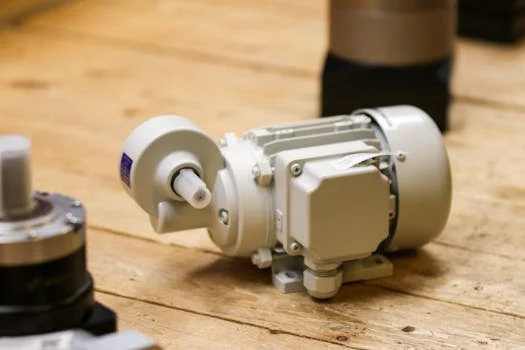
The following HydropureWater products are engineered for the wastewater challenges discussed above:
- HydropureWater’s industrial RO systems for PCB wastewater treatment — view specifications, capacity range, and technical data
- precise chemical dosing for PCB wastewater pre-treatment — view specifications, capacity range, and technical data
- sludge dewatering solutions for PCB wastewater treatment — view specifications, capacity range, and technical data
Need a customized solution? Request a free quote with your specific flow rate and pollutant parameters.