Industrial Wastewater Treatment in Romania 2025: Engineering Specs, Cost Data & Zero-Risk Equipment Guide
Romania’s industrial wastewater treatment market faces strict EU Directive 91/271/EEC compliance deadlines, with discharge limits of 125 mg/L COD, 25 mg/L BOD, and 35 mg/L TSS for most sectors (GD 352/2005). Factories in Focsani, Pogoanele, and Homocea have deployed systems ranging from 1,255–2,491 m³/day, but 68% of Romanian industrial facilities still lack cost-optimized solutions. This guide provides 2025 engineering specs, CAPEX/OPEX benchmarks, and a zero-risk equipment selection framework for food processing, textiles, and metalworking plants.
Romania’s Industrial Wastewater Crisis: Compliance Deadlines and Sector-Specific Risks
Romania’s industrial sectors face a critical juncture, with stringent EU environmental directives, specifically GD 352/2005, enforcing discharge limits that demand significant investment in advanced wastewater treatment. For most industrial effluents discharged into public sewerage systems or directly into surface waters, the general limits are 125 mg/L for Chemical Oxygen Demand (COD), 25 mg/L for Biochemical Oxygen Demand (BOD), and 35 mg/L for Total Suspended Solids (TSS). These limits are often tighter than historical national standards and, in certain parameters, approach the strictness seen in Western European nations; for instance, textile plants in Romania face a 2 mg/L chromium limit, which is comparable to the 0.5 mg/L typically enforced in Germany for direct discharge, highlighting the pressure on heavy metal removal.
The National Environmental Protection Agency (ANPM) has outlined an enforcement timeline, with key compliance deadlines for industrial pre-treatment systems and the adoption of Zero Liquid Discharge (ZLD) technologies extending from 2025 to 2027. Industrial facilities that fail to meet these revised standards risk substantial fines and operational shutdowns, making proactive investment imperative. Sector-specific challenges further complicate compliance efforts. Food processing plants, for example, typically generate wastewater with high concentrations of Fats, Oils, and Grease (FOG), often ranging from 500–2,000 mg/L, alongside elevated BOD and TSS. The textile industry struggles with highly colored effluents (1,500–3,000 Pt-Co units) and complex organic dyes, requiring advanced oxidation or membrane technologies. Metalworking facilities contend with significant heavy metal contamination, including chromium and nickel, often exceeding 10–50 mg/L, necessitating robust precipitation and filtration solutions. While a Focsani plant achieved 92% COD removal (Top 1 data) using an integrated system, typical Romanian factories often perform at 70–80% efficiency, indicating a widespread gap in current treatment capabilities.
| Parameter | General Romanian Limit (GD 352/2005) | Textile Sector Specific Limit | Metalworking Sector Specific Limit | Food Processing Sector Specific Limit |
|---|---|---|---|---|
| COD | 125 mg/L | 125 mg/L | 125 mg/L | 125 mg/L |
| BOD₅ | 25 mg/L | 25 mg/L | 25 mg/L | 25 mg/L |
| TSS | 35 mg/L | 35 mg/L | 35 mg/L | 35 mg/L |
| Chromium (Total) | N/A | 2 mg/L | 0.5 mg/L | N/A |
| Nickel | N/A | N/A | 1 mg/L | N/A |
| Fats, Oils, Grease (FOG) | N/A | N/A | N/A | 10 mg/L |
| Color | N/A | Aesthetic standards (typically <50 Pt-Co after treatment) | N/A | N/A |
Treatment Technology Deep Dive: DAF vs. MBR vs. Chemical Precipitation for Romanian Factories
Selecting the optimal industrial wastewater treatment technology in Romania requires a detailed understanding of each system’s performance, footprint, and scalability, especially in industrial zones where land availability is often a constraint. Dissolved Air Flotation (DAF) systems are highly effective for separating suspended solids, fats, oils, and grease (FOG) from wastewater, achieving typical FOG removal rates of 95% and TSS reductions between 60–80% (HydropureWater DAF specs, 2025). These systems are particularly well-suited for Romanian food processing plants (e.g., dairy, meat processing, edible oils) and petrochemical facilities due to their ability to handle high organic loads and separate buoyant contaminants efficiently. A typical DAF unit operates with a hydraulic retention time (HRT) of 20–40 minutes in the flotation tank, allowing for compact designs. The DAF process involves coagulation and flocculation of wastewater, followed by the introduction of fine air bubbles under pressure, which attach to the suspended particles, causing them to float to the surface for skimming. High-efficiency DAF systems for Romanian food processing plants can be explored at HydropureWater's DAF product page.
Membrane Bioreactor (MBR) systems represent a more advanced biological treatment option, integrating activated sludge treatment with membrane filtration. MBR systems achieve superior effluent quality, demonstrating up to 99% pathogen removal and over 90% COD reduction (HydropureWater DF series specs, 2025), making them ideal for applications requiring high-quality effluent for discharge or reuse. While MBR offers a significantly smaller footprint (up to 60% reduction compared to conventional activated sludge) and eliminates the need for secondary clarifiers, its initial capital expenditure (CAPEX) can be 30% higher due to membrane costs. Membrane flux rates typically range from 15–25 LMH (liters/m²/hour) for industrial applications, depending on the wastewater characteristics. The MBR process involves biological degradation of pollutants, followed by membrane separation (microfiltration or ultrafiltration) which retains biomass and suspended solids, producing a clear effluent. MBR systems for Romanian textile factories with color removal needs are a robust solution, available at HydropureWater's MBR product page.
Chemical precipitation is a proven method for removing dissolved heavy metals and certain phosphorus compounds from industrial wastewater. This technology can achieve over 90% heavy metal removal (e.g., chromium, nickel) by converting soluble metal ions into insoluble precipitates through the addition of chemical reagents like lime, caustic soda, or coagulants. While highly effective for metalworking, mining, and electroplating industries, the primary drawback is the generation of significant volumes of chemical sludge, which incurs substantial disposal costs, typically €80–120/ton in Romania (2025 waste management fees). The process generally involves pH adjustment, rapid mixing with coagulants, slow mixing for floc formation, and then solid-liquid separation via sedimentation or filtration. Precise chemical dosing for Romanian metalworking wastewater is critical for optimizing precipitation efficiency and minimizing chemical usage, often managed by automatic chemical dosing systems.
| Technology | Primary Application (Romanian Context) | Key Performance Metric | Footprint (Relative) | Typical HRT / Flux | CAPEX (Relative) |
|---|---|---|---|---|---|
| DAF (Dissolved Air Flotation) | Food Processing (FOG, TSS), Petrochemicals | 95% FOG removal, 60-80% TSS reduction | Medium | 20-40 minutes (flotation) | Low-Medium |
| MBR (Membrane Bioreactor) | Textiles (Color, COD), Pharmaceuticals, High-Quality Reuse | 99% pathogen removal, >90% COD reduction | Small (up to 60% less than CAS) | 15-25 LMH (flux), 4-8 hours (biological) | High (+30% vs. DAF) |
| Chemical Precipitation | Metalworking (Heavy Metals), Mining | >90% heavy metal removal (Cr, Ni) | Medium | 15-30 minutes (reaction/flocculation) | Medium |
2025 Cost Breakdown: CAPEX, OPEX, and ROI for Romanian Industrial Wastewater Projects
Understanding the comprehensive financial implications of industrial wastewater treatment projects is crucial for procurement teams and facility managers in Romania. The capital expenditure (CAPEX) for treatment systems varies significantly by technology and capacity. For a standard industrial facility, DAF systems typically range from €50–120 per cubic meter per day of treatment capacity. MBR systems, offering higher effluent quality and a smaller footprint, command a higher CAPEX, generally between €150–300/m³/day. Chemical precipitation systems, often used for specific pollutant removal, fall in the range of €80–200/m³/day. These figures encompass the core equipment, but do not include installation, civil works, or ancillary components.
Operational expenditure (OPEX) is a recurring cost that significantly impacts the long-term viability of a treatment solution. Energy consumption for industrial wastewater treatment in Romania typically ranges from 0.3–0.8 kWh/m³, depending on the technology and degree of treatment. Chemical costs, which are substantial for processes like chemical precipitation and DAF, can be €0.10–0.50/m³. Labor costs in Romania average €20–40/hour for skilled technicians, influencing maintenance and operational staffing budgets. A critical, often underestimated, OPEX component is sludge disposal, with fees in Romania typically ranging from €80–120/ton (2025 waste management fees), depending on the sludge's hazardous classification and transport distance. These cost benchmarks for similar emerging markets can provide further context.
Return on Investment (ROI) for wastewater treatment, while primarily driven by compliance, can also yield financial benefits through reduced water consumption or penalties avoidance. MBR systems in high-value sectors such as pharmaceuticals or electronics, where water reuse is feasible, can achieve payback periods of 3–5 years. DAF systems in food processing, by recovering valuable by-products or reducing discharge surcharges, often see ROI within 5–7 years. Hidden costs frequently overlooked in initial budgeting include permitting fees (€5,000–15,000 for environmental permits and impact assessments in Romania), civil works (€200–400/m² for foundations, tanks, and buildings), and remote monitoring and automation systems (€10,000–30,000/year for advanced systems), which can significantly add to the overall project cost.
| Cost Category | DAF System | MBR System | Chemical Precipitation System | Notes (Romanian Context) |
|---|---|---|---|---|
| CAPEX (per m³/day capacity) | €50–120 | €150–300 | €80–200 | Excludes civil works, installation. |
| Energy (per m³) | 0.3–0.5 kWh | 0.6–0.8 kWh | 0.3–0.4 kWh | Varies with influent quality, local electricity rates. |
| Chemicals (per m³) | €0.10–0.30 | €0.05–0.15 | €0.20–0.50 | Highly dependent on influent, dosing optimization. |
| Labor (per hour) | €20–40 (for skilled technicians) | Average rates in Romania (2025). | ||
| Sludge Disposal (per ton) | €80–120 | €80–120 | €80–120 | Major hidden cost, varies by hazardous nature. |
| Permitting Fees | €5,000–15,000 | Includes EIA and discharge permits (ANPM). | ||
| Civil Works (per m²) | €200–400 | Foundations, tanks, control rooms. | ||
| ROI Payback Period | 5–7 years | 3–5 years (with reuse) | 7–10 years (compliance driven) | Estimated, highly dependent on specific project and benefits. |
Zero-Risk Equipment Selection: A Step-by-Step Framework for Romanian Facilities
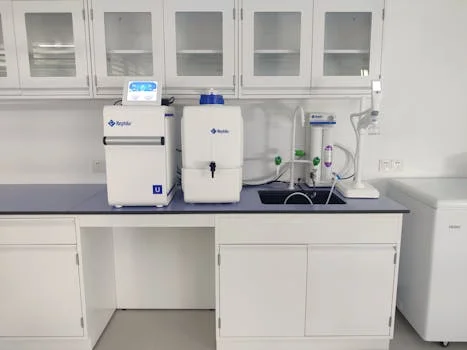
Adopting a structured, data-driven approach to wastewater treatment equipment selection significantly mitigates risks for Romanian industrial facilities, ensuring compliance, cost-efficiency, and long-term operational stability. This framework guides decision-makers through critical evaluation stages.
- Step 1: Define Influent Parameters. The foundational step involves a comprehensive characterization of your industrial wastewater. Conduct on-site testing or analyze historical data to accurately determine key parameters such as Chemical Oxygen Demand (COD), Biochemical Oxygen Demand (BOD), Total Suspended Solids (TSS), pH, temperature, and specific heavy metals or organic pollutants relevant to your industry. For example, a food processing plant needs to quantify Fats, Oils, and Grease (FOG), while a textile factory must measure color intensity and specific dye concentrations.
- Step 2: Match Sector to Technology. Different industrial sectors produce distinct wastewater profiles, requiring tailored treatment solutions. For instance, textile plants, with their high color and organic loads, often benefit most from MBR systems for superior COD and color removal or chemical precipitation for heavy metals. Food processing facilities, characterized by high FOG and TSS, are typically best served by high-efficiency DAF systems. Metalworking operations, with their heavy metal contamination, necessitate chemical precipitation as a primary treatment stage.
- Step 3: Size the System Using Hydraulic Retention Time (HRT) and Peak Flow Rates. Accurate system sizing is paramount to prevent overloading and ensure consistent performance. Calculate the average and peak daily flow rates (m³/day). Then, apply appropriate HRT values specific to the chosen technology: DAF systems typically require a 20–40 minute HRT in the flotation tank, while MBR biological stages might need 4–8 hours HRT. For example, a 100 m³/day DAF system would need a flotation volume of approximately 1.4-2.8 m³ for a 20-40 minute HRT.
- Step 4: Evaluate Footprint Constraints. Industrial sites in Romania often have limited space, making compact solutions highly desirable. MBR technology, for instance, significantly reduces the required footprint by up to 60% compared to conventional activated sludge systems, making it suitable for urban industrial areas. DAF and chemical precipitation systems also offer relatively compact designs compared to traditional sedimentation tanks. Consider if an integrated underground system is a viable option to maximize land use.
- Step 5: Compare CAPEX/OPEX. Utilize the detailed cost table from the previous section to conduct a thorough financial comparison. Factor in not only the initial capital expenditure but also the long-term operational costs, including energy, chemicals, labor, and crucially, sludge disposal fees. A lower CAPEX system might incur higher OPEX over its lifespan, leading to a higher total cost of ownership.
- Step 6: Pilot-Test with a 1–2 m³/h System. Before committing to a full-scale installation, consider a pilot study. Deploy a small-scale, modular system (e.g., 1–2 m³/h capacity) on-site to treat a representative sample of your actual wastewater. This allows for real-world data collection on treatment efficiency, chemical consumption, energy usage, and sludge generation, validating the chosen technology and optimizing design parameters under specific operating conditions.
Frequently Asked Questions
Addressing common queries helps industrial stakeholders in Romania navigate the complexities of wastewater treatment projects.
What are the 2025 discharge limits for industrial wastewater in Romania?
The primary 2025 discharge limits for industrial wastewater in Romania, as per GD 352/2005 and EU Directive 91/271/EEC, are COD: 125 mg/L, BOD: 25 mg/L, and TSS: 35 mg/L. Specific industries have additional limits; for example, textile factories face a 2 mg/L chromium limit, and food processing plants must adhere to a 10 mg/L FOG limit.
How much does a 100 m³/day DAF system cost in Romania?
For a 100 m³/day DAF system in Romania, the estimated CAPEX ranges from €50,000–120,000, covering the core equipment. The OPEX, including chemicals and energy, typically falls between €0.30–0.60/m³, which translates to €900–1,800 per month for continuous operation.
What’s the best wastewater treatment technology for a Romanian textile factory?
For a Romanian textile factory, the best wastewater treatment technology often depends on the specific pollutants. MBR systems are highly effective for comprehensive color removal (achieving 99% efficiency) and COD reduction. If heavy metals like chromium are a significant concern, chemical precipitation should be integrated, capable of 90% chromium removal, often followed by MBR or other tertiary treatment for final polishing.
How long does it take to get a wastewater discharge permit in Romania?
Obtaining a wastewater discharge permit in Romania typically takes 6–12 months. This timeline includes the necessary environmental impact assessment (EIA) and review processes by the National Environmental Protection Agency (ANPM) (ANPM 2024 timeline). It is crucial to initiate the permitting process early in project planning.
Can industrial wastewater be reused in Romania?
Yes, industrial wastewater can be reused in Romania, but it requires tertiary treatment and explicit approval from ANPM. Technologies such as Reverse Osmosis (RO) or MBR systems are commonly employed to achieve the high-quality effluent required for reuse. Typical reuse targets for treated industrial water in Romania include 30–50% for cooling water and 20–40% for non-potable process water, offering significant cost savings on fresh water consumption.
Further Reading
Explore these in-depth articles on related wastewater treatment topics: