Pretoria’s Industrial Wastewater Challenge: Compliance Risks and Water Scarcity
Industrial wastewater treatment in Pretoria is no longer just an operational necessity; it is a critical compliance imperative and a strategic response to escalating water scarcity. The City of Tshwane's 2024 Water Master Plan highlights that Pretoria’s water demand outstrips supply by approximately 15% annually. This deficit fuels increasingly stringent industrial discharge regulations enforced by the Department of Water and Sanitation (DWS). In 2023 alone, the DWS conducted 47 industrial wastewater audits across Pretoria, resulting in fines reaching up to ZAR 2.3 million for non-compliance with COD and TSS discharge limits, as detailed in the DWS Annual Compliance Report 2023. For instance, a local food processing plant faced annual surcharges of ZAR 1.8 million due to a COD discharge of 3,200 mg/L. After implementing a high-efficiency DAF system, they successfully reduced COD to 65 mg/L, mitigating these financial penalties. Pretoria's diverse industrial base, including food processing, chemical manufacturing, and textile mills, generates wastewater with varied characteristics. Food processing effluent is typically high in Chemical Oxygen Demand (COD) and Fats, Oils, and Grease (FOG), while chemical manufacturing wastewater can contain toxic organic compounds and heavy metals, and textile mills often contend with high Suspended Solids (TSS) and colour. Effectively managing these effluents is paramount to avoiding significant financial penalties, protecting the environment, and ensuring operational continuity.
DWS and Municipal Compliance Standards for Industrial Discharge in Pretoria
Navigating Pretoria's regulatory landscape for industrial wastewater discharge requires a granular understanding of both national DWS standards and local municipal bylaws. The DWS General Standard (GNR.991) sets the baseline for industrial effluent, stipulating a maximum COD of ≤75 mg/L and TSS of ≤25 mg/L, with pH limits between 6 and 9, and oil/grease not exceeding 10 mg/L. However, Pretoria’s municipal bylaws often impose stricter parameters, particularly for heavy metals and nutrients. Common municipal requirements include limits for hexavalent chromium (Cr⁶⁺) ≤0.1 mg/L, lead (Pb) ≤0.01 mg/L, ammonia nitrogen (NH₃-N) ≤10 mg/L, and phosphate (PO₄³⁻) ≤1 mg/L. sector-specific standards are applied to manage unique industrial pollutants. For example, food processing facilities are typically held to a COD limit of ≤50 mg/L, chemical manufacturers may face stringent volatile organic compound (VOC) limits of ≤1 mg/L, and textile mills are often regulated for colour, with limits around 50 Pt-Co units. The permitting process for industrial discharge in Pretoria necessitates comprehensive documentation, including detailed wastewater characterization reports and treatment system schematics. For industries classified as high-risk, the DWS mandates quarterly inspections to ensure ongoing compliance with these critical discharge limits.
| Parameter | DWS General Standard (GNR.991) | Pretoria Municipal Bylaws (Typical) | Food Processing (Sector) | Chemical Manufacturing (Sector) | Textile Mills (Sector) |
|---|---|---|---|---|---|
| COD (mg/L) | ≤75 | ≤50 | ≤50 | ≤100 (Varies) | ≤100 (Varies) |
| TSS (mg/L) | ≤25 | ≤20 | ≤20 | ≤30 (Varies) | ≤30 |
| pH | 6-9 | 6-9 | 6-9 | 6-9 | 6-9 |
| Oil & Grease (mg/L) | ≤10 | ≤5 | ≤5 | ≤10 (Varies) | ≤10 (Varies) |
| Heavy Metals (e.g., Cr⁶⁺) | N/A | ≤0.1 | N/A | Varies (e.g., Pb ≤0.01) | N/A |
| Nutrients (e.g., NH₃-N) | N/A | ≤10 | N/A | Varies | N/A |
| Colour (Pt-Co Units) | N/A | ≤50 | N/A | N/A | ≤50 |
Engineering Specs for Pretoria’s Industrial Wastewater Treatment Systems
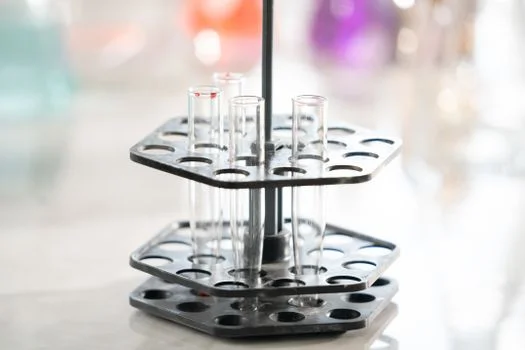
Effective industrial wastewater treatment in Pretoria hinges on precise engineering specifications tailored to specific influent characteristics and desired effluent quality. For food processing plants, high-efficiency Dissolved Air Flotation (DAF) systems are crucial for managing Fats, Oils, and Grease (FOG). Optimal DAF operation involves a hydraulic loading rate of 5-10 m³/m²·h and an air-to-solids ratio between 0.02 and 0.05, enabling TSS removal rates of 92-97% (per EPA 2024 benchmarks). For chemical manufacturing facilities dealing with high COD loads and complex organic compounds, Membrane Bioreactor (MBR) systems offer superior performance. MBRs typically operate with a Mixed Liquor Suspended Solids (MLSS) concentration of 8,000-12,000 mg/L and a membrane flux of 15-25 LMH, achieving COD removal rates of up to 98% (reducing influent COD of 5,000 mg/L to effluent below 100 mg/L). Zero Liquid Discharge (ZLD) systems, increasingly vital for Pretoria’s water-scarce environment, involve a multi-stage process. Reverse Osmosis (RO) typically achieves 85-90% recovery, concentrating brine, which is then further treated in crystallizers to achieve over 95% water recovery. Capital expenditure (CAPEX) for ZLD systems can range from ZAR 15-30 million for a 100 m³/h capacity in 2025. Consistent chemical dosing is fundamental to these processes. Coagulants like Poly Aluminium Chloride (PAC) are dosed at 50-200 mg/L, followed by flocculants such as polyacrylamide at 1-5 mg/L. pH adjustment using sulphuric acid (H₂SO₄) or sodium hydroxide (NaOH) to a target range of 6.5-7.5 is critical for optimal coagulation and flocculation. Pre-treatment stages, including bar screens for solids removal and equalization tanks to buffer flow and concentration variations, are essential. Post-treatment disinfection, using technologies like chlorine dioxide or UV radiation, ensures effluent safety before discharge or reuse.
| Technology | Application Focus | Key Engineering Parameters | Typical Removal Efficiency (COD/TSS) | Example Chemical Dosing (mg/L) | Pretoria CAPEX (2025 Estimate) |
|---|---|---|---|---|---|
| DAF | Food Processing, Textile Mills (FOG, TSS) | Hydraulic Loading: 5-10 m³/m²·h Air-to-Solids Ratio: 0.02-0.05 |
COD: 90-95% TSS: 92-97% |
PAC: 50-200 Polyacrylamide: 1-5 |
ZAR 2-5 million (50 m³/h) |
| MBR | Chemical Manufacturing, Pharma (High COD, Complex Organics) | MLSS: 8,000-12,000 mg/L Membrane Flux: 15-25 LMH |
COD: 95-98% TSS: >99% |
Varies based on biological process | ZAR 5-10 million (50 m³/h) |
| ZLD | Zero Discharge, Water Reuse (All Industries) | RO Recovery: 85-90% Crystallizer Efficiency: >95% |
N/A (Effluent is zero discharge) | Pre-treatment chemicals as required | ZAR 15-30 million (100 m³/h) |
For robust chemical management, consider a PLC-controlled chemical dosing for Pretoria’s industrial wastewater pretreatment. High-efficiency DAF system for Pretoria’s food processing and textile industries and MBR system for Pretoria’s chemical and pharmaceutical wastewater treatment are vital technologies.
Treatment Technology Comparison: DAF vs. MBR vs. ZLD for Pretoria’s Industries
Selecting the optimal wastewater treatment technology for a Pretoria industrial facility involves balancing performance requirements, operational costs, and specific discharge objectives. Dissolved Air Flotation (DAF) systems are particularly well-suited for industries with high FOG content, such as food processing and textile mills. Their typical CAPEX for a 50 m³/h system is ZAR 2-5 million, with operational expenditure (OPEX) ranging from ZAR 8-15/m³, primarily for chemicals and power. Membrane Bioreactors (MBR) excel in treating high-COD wastewater, making them ideal for chemical and pharmaceutical manufacturers. The CAPEX for a 50 m³/h MBR system is higher, between ZAR 5-10 million, and OPEX is around ZAR 12-20/m³, accounting for energy and membrane replacement. For facilities aiming for zero liquid discharge to comply with Pretoria's water scarcity mandates or to maximize water reuse, Zero Liquid Discharge (ZLD) systems are the ultimate solution, though they represent the highest investment. A 100 m³/h ZLD system can cost ZAR 15-30 million, with OPEX ranging from ZAR 25-40/m³ due to their energy-intensive nature. The choice is often dictated by the industrial sector: DAF for food processing, MBR for chemical manufacturing, and ZLD for mining or power plants requiring absolute discharge elimination. Operational considerations like footprint, maintenance complexity, and scalability also play a significant role in the decision-making process within Pretoria's industrial context.
| Technology | Primary Application | CAPEX (50 m³/h, ZAR) | OPEX (ZAR/m³) | Footprint | Key Advantages | Key Disadvantages |
|---|---|---|---|---|---|---|
| DAF | Food Processing, Textile Mills (FOG Removal) | 2-5 Million | 8-15 | Moderate | Effective FOG removal, Lower CAPEX | Less effective for soluble COD, Sludge generation |
| MBR | Chemical, Pharmaceutical (High COD Reduction) | 5-10 Million | 12-20 | Compact | High effluent quality, Small footprint | Higher CAPEX/OPEX, Membrane fouling risk |
| ZLD | Zero Discharge, Maximum Water Reuse | 15-30 Million (100 m³/h) | 25-40 | Large | Eliminates discharge, Maximizes water recovery | Highest CAPEX/OPEX, Energy intensive |
For high-recovery water treatment solutions, consider advanced technologies like reverse osmosis systems. For a broader understanding of international best practices, review the engineering specs for industrial wastewater treatment in Mumbai.
Cost Breakdown and ROI for Pretoria’s Industrial Wastewater Projects
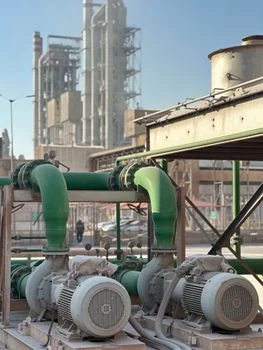
Investing in industrial wastewater treatment in Pretoria requires a clear financial projection, encompassing both capital expenditure (CAPEX) and operational expenditure (OPEX), alongside a robust return on investment (ROI) analysis. For 2025, CAPEX estimates for typical systems in Pretoria are: DAF systems at ZAR 2-5 million for a 50 m³/h capacity, MBR systems at ZAR 5-10 million for 50 m³/h, and ZLD systems at ZAR 15-30 million for 100 m³/h. OPEX varies significantly: DAF systems typically incur ZAR 8-15/m³, MBRs range from ZAR 12-20/m³, and ZLD systems can cost ZAR 25-40/m³. These OPEX figures include consumables like chemicals, energy consumption, labour, and maintenance, with membrane replacement being a significant factor for MBR and RO systems within ZLD. The primary drivers for ROI in Pretoria are the substantial savings from avoiding municipal surcharges, which can range from ZAR 12-25/m³ for effluent exceeding 500 mg/L COD. water reuse initiatives can yield savings of ZAR 15-30/m³ compared to purchasing fresh water. Avoiding DWS fines, which can range from ZAR 50,000 to ZAR 2.3 million per violation, offers another significant financial benefit. A compelling case study involves a Pretoria textile mill that achieved an 80% reduction in water consumption and avoided ZAR 1.2 million in annual surcharges by implementing a ZLD system, resulting in a payback period of just three years.
| Cost Component | DAF (50 m³/h) | MBR (50 m³/h) | ZLD (100 m³/h) |
|---|---|---|---|
| CAPEX (ZAR) | 2,000,000 - 5,000,000 | 5,000,000 - 10,000,000 | 15,000,000 - 30,000,000 |
| OPEX (ZAR/m³) | 8 - 15 | 12 - 20 | 25 - 40 |
| Key OPEX Factors | Chemicals, Power, Sludge Disposal | Energy, Membrane Replacement, Chemicals | Energy, Membrane Replacement, Chemicals, Salts |
| Potential ROI Drivers | Surcharge Avoidance, FOG Reduction | High COD Reduction, Water Reuse Potential | Zero Discharge Compliance, Maximum Water Reuse, Fine Avoidance |
Step-by-Step Equipment Selection Guide for Pretoria’s Industrial Facilities
Selecting the appropriate industrial wastewater treatment equipment for a facility in Pretoria is a structured process that ensures compliance, efficiency, and cost-effectiveness. The first critical step is comprehensive wastewater characterization. This involves detailed laboratory testing of effluent samples to determine key parameters such as COD, TSS, FOG, heavy metals, and pH, with sample analysis typically costing ZAR 5,000-15,000. Following characterization, a thorough regulatory compliance assessment is essential, cross-referencing the wastewater profile against DWS limits, Pretoria’s municipal bylaws, and any sector-specific standards applicable to your industry. Based on these findings, technology selection can proceed: DAF is generally favoured for FOG-heavy streams, MBR for high COD and complex organic pollutants, and ZLD for complete discharge elimination. Equipment sizing follows, where parameters like hydraulic loading rate, membrane flux, and required chemical dosing volumes are calculated to meet effluent targets. Finally, vendor evaluation is crucial, considering factors such as local vs. international suppliers, the quality of after-sales support, and importantly, guaranteed compliance performance from the chosen equipment provider. A systematic approach ensures that the selected equipment effectively addresses Pretoria’s unique environmental and regulatory challenges.
To aid in this process, a comprehensive checklist is recommended:
- Step 1: Wastewater Characterization
- Conduct thorough laboratory analysis (COD, TSS, FOG, pH, heavy metals, etc.).
- Estimate influent flow rates and variability.
- Step 2: Regulatory Compliance Assessment
- Identify applicable DWS General Standards.
- Determine Pretoria Municipal Bylaw requirements (heavy metals, nutrients, etc.).
- Research sector-specific discharge limits.
- Step 3: Technology Selection Framework
- Is high FOG content the primary issue? (Consider DAF)
- Is high COD/complex organics the main challenge? (Consider MBR)
- Is zero discharge or maximum water reuse the goal? (Consider ZLD)
- Step 4: Equipment Sizing & Design Parameters
- Calculate required hydraulic loading rates.
- Determine appropriate membrane flux (for MBR/RO).
- Estimate chemical dosing requirements (coagulants, flocculants, pH adjusters).
- Step 5: Vendor & System Evaluation
- Request detailed technical proposals and performance guarantees.
- Assess vendor experience with similar industrial applications in Pretoria.
- Inquire about after-sales support, spare parts availability, and maintenance contracts.
- Verify compliance certifications and references.
For precise chemical application, consider integrating an automatic chemical dosing system. For a detailed guide on selecting chemical dosing systems, refer to the chemical dosing system selection guide for industrial wastewater treatment.
Frequently Asked Questions
What are the typical COD and TSS limits for industrial discharge in Pretoria?
The DWS General Standard (GNR.991) sets limits for industrial discharge in Pretoria at ≤75 mg/L for COD and ≤25 mg/L for TSS. However, Pretoria’s municipal bylaws and sector-specific regulations often impose stricter requirements, potentially lowering COD limits to ≤50 mg/L for food processing and TSS limits to ≤20 mg/L.
How much does an industrial wastewater treatment system cost in Pretoria?
Costs vary significantly by technology and capacity. For a 50 m³/h system, CAPEX for DAF systems ranges from ZAR 2-5 million, while MBR systems can cost ZAR 5-10 million. ZLD systems are more substantial, with a 100 m³/h capacity estimated at ZAR 15-30 million.
What are the main operational costs (OPEX) for industrial wastewater treatment in Pretoria?
OPEX typically includes energy consumption, chemicals (coagulants, flocculants, pH adjusters), labour, and maintenance. For DAF, OPEX is around ZAR 8-15/m³; for MBR, it’s ZAR 12-20/m³; and for ZLD, it can be ZAR 25-40/m³, largely due to energy intensity and membrane replacements.
Which technology is best for treating FOG in industrial wastewater in Pretoria?
Dissolved Air Flotation (DAF) systems are highly effective for removing Fats, Oils, and Grease (FOG) from industrial wastewater, particularly from food processing and textile industries. They achieve FOG removal rates of over 90%.
What is the role of ZLD systems in Pretoria?
Zero Liquid Discharge (ZLD) systems are crucial in Pretoria due to water scarcity. They eliminate wastewater discharge entirely by treating and recycling all water, thereby reducing strain on municipal water resources and ensuring full compliance with the most stringent environmental mandates.