Industrial Wastewater Treatment in Mumbai 2025: Engineering Specs, Compliance & Zero-Risk Equipment Guide
Mumbai’s industrial wastewater treatment landscape in 2025 demands strict adherence to MPCB’s discharge limits (COD ≤ 250 mg/L, TSS ≤ 100 mg/L for inland surface water) while managing high organic loads from pharmaceutical (COD 5,000–15,000 mg/L) and textile (TSS 300–1,000 mg/L) effluents. Zero-risk equipment selection hinges on three factors: influent contaminant profile, hydraulic loading rates (50–500 m³/hour), and CAPEX constraints (₹1.2–₹4.5 crore for 100–500 KLD plants). This guide provides engineering specs, compliance benchmarks, and cost-optimized solutions for Mumbai’s top industries, ensuring factories in Mumbai can navigate complex MPCB discharge standards Mumbai and achieve sustainable operations.Mumbai’s Industrial Wastewater Challenge: Contaminant Profiles by Industry
Mumbai's diverse industrial base generates highly variable wastewater streams, each presenting unique treatment challenges that dictate the selection of appropriate technologies. Pharmaceutical manufacturing facilities in Mumbai typically discharge effluent with Chemical Oxygen Demand (COD) ranging from 5,000–15,000 mg/L, Total Suspended Solids (TSS) between 200–800 mg/L, and pH values fluctuating widely from 2–12, often containing high concentrations of antibiotic residues and other complex organic compounds (MPCB 2024 industry reports). Textile effluent treatment Mumbai presents a different profile, characterized by high TSS (300–1,000 mg/L), moderate COD (1,200–3,500 mg/L), intense color (500–2,000 Pt-Co units due to dyes), and elevated salinity (1,500–3,000 mg/L from dyeing processes) (HydropureWater field data, 2025). Chemical manufacturing facilities, on the other hand, often produce wastewater laden with heavy metals such as Chromium (Cr), Nickel (Ni), and Lead (Pb) at concentrations of 10–50 mg/L, volatile organic compounds (VOCs) at 50–200 mg/L, and extremely acidic or alkaline pH levels (1–14), requiring specialized heavy metal removal and pH neutralization strategies (MPCB 2023 consent orders). Mumbai’s unique geographical and economic factors add further complexity to industrial wastewater treatment. The city experiences significant monsoon dilution effects, which can temporarily reduce influent concentrations but also introduce hydraulic shock loads, demanding resilient treatment systems. High land costs in Mumbai necessitate compact systems, favoring technologies with smaller footprints. the Maharashtra Pollution Control Board (MPCB) is intensifying its push for Zero Liquid Discharge (ZLD) in industrial clusters like Taloja, Ambernath, and Boisar by 2025, compelling factories to adopt advanced water recovery and recycling technologies to achieve 100% water recovery.| Industry Type | Key Contaminants | Typical Influent Concentration Range | Mumbai-Specific Challenges |
|---|---|---|---|
| Pharmaceutical | COD, TSS, pH, Antibiotic Residues | COD: 5,000–15,000 mg/L TSS: 200–800 mg/L pH: 2–12 |
High organic load, complex compounds, variable pH. |
| Textile | TSS, COD, Color, Salinity | TSS: 300–1,000 mg/L COD: 1,200–3,500 mg/L Color: 500–2,000 Pt-Co Salinity: 1,500–3,000 mg/L |
High color, high salinity, seasonal flow variations. |
| Chemical Manufacturing | Heavy Metals (Cr, Ni, Pb), VOCs, pH | Heavy Metals: 10–50 mg/L VOCs: 50–200 mg/L pH: 1–14 |
Toxic components, extreme pH, complex mixture of pollutants. |
MPCB Discharge Limits 2025: What Mumbai Factories Must Achieve
| Parameter | Inland Surface Water Discharge Limit (mg/L, unless specified) | Marine Discharge Limit (mg/L, unless specified) |
|---|---|---|
| COD | ≤ 250 | ≤ 500 |
| TSS | ≤ 100 | ≤ 200 |
| BOD | ≤ 30 | ≤ 100 |
| pH | 6.5–8.5 | 6.5–8.5 |
| Oil & Grease | ≤ 10 | ≤ 10 |
| Color | ≤ 150 Pt-Co | ≤ 250 Pt-Co |
Treatment Technologies Compared: MBBR vs. DAF vs. MBR for Mumbai’s Effluents
Selecting the optimal industrial wastewater treatment in Mumbai requires a careful evaluation of various technologies against specific effluent characteristics, space availability, and budget constraints. Moving Bed Biofilm Reactor (MBBR) systems are highly effective for biological treatment, achieving Chemical Oxygen Demand (COD) removal rates of 85–92% and Total Suspended Solids (TSS) removal of 80–90% with a relatively compact footprint of 0.5–1 m² per KLD (HydropureWater field data, 2025). The CAPEX for a 100 KLD MBBR system in Mumbai typically ranges from ₹1.2–₹2.5 crore, making it a cost-effective choice for pharmaceutical and chemical effluents with moderate organic loads, especially given its resilience to monsoon flow fluctuations. Dissolved Air Flotation (DAF) systems excel at removing fats, oils, and grease (FOG) with 95–98% efficiency and TSS removal of 90–95%, operating at hydraulic loading rates of 4–8 m/h. The CAPEX for a 100 KLD DAF unit is generally lower, between ₹80 lakh and ₹1.5 crore, making it ideal for textile and food processing wastewater with high FOG and TSS content. For Mumbai’s textile industry, a DAF system for Mumbai’s textile and food processing wastewater can be particularly beneficial for primary treatment. However, DAF's effectiveness can be limited with high-salinity textile effluents, potentially requiring additional pre-treatment. Membrane Bioreactor (MBR) systems represent an advanced treatment solution, delivering superior effluent quality with COD removal rates of 95–98%, TSS removal of 98–99%, and effluent turbidity consistently below 1 NTU. While the CAPEX for a 100 KLD MBR system is higher, ranging from ₹2–₹4 crore, its compact design makes an integrated MBR system for Mumbai’s space-constrained pharmaceutical plants an excellent choice for land-scarce Mumbai industrial facilities and essential for achieving Zero Liquid Discharge (ZLD) mandates. The primary OPEX consideration for MBR systems is the periodic membrane replacement every 3–5 years, which adds to the operational cost compared to conventional biological systems.| Technology | Key Advantages for Mumbai | Typical Removal Rates (COD/TSS) | Footprint (m²/KLD) | Approx. CAPEX (₹ crore/100 KLD) | Mumbai-Specific Considerations |
|---|---|---|---|---|---|
| MBBR | Robust, effective for organic loads, moderate CAPEX. | 85–92% COD, 80–90% TSS | 0.5–1 | 1.2–2.5 | Resilient to monsoon flow fluctuations, good for pharma/chem. |
| DAF | Excellent FOG/TSS removal, lower CAPEX for primary. | High FOG (95–98%), 90–95% TSS | 0.2–0.4 | 0.8–1.5 | Ideal for textile/food, limitations with high salinity. |
| MBR | Superior effluent quality, compact design, ZLD-ready. | 95–98% COD, 98–99% TSS | 0.1–0.3 | 2–4 | Best for space-constrained sites, higher OPEX (membrane replacement). |
Engineering Specs for Mumbai’s Top 3 Industries: Pharmaceutical, Textile, Chemical
| Industry Type | Key Engineering Parameter | Typical Range/Value for Mumbai (2025) | Purpose/Impact |
|---|---|---|---|
| Pharmaceutical | PAC Dosing | 40–60 g/m³ | Enhanced COD/TSS removal, adsorption of complex organics. |
| Pharmaceutical | HRT (Biological) | 12–24 hours | Sufficient time for microbial degradation of pollutants. |
| Pharmaceutical | Sludge Production | 0.3–0.5 kg TSS/kg COD removed | Indicates sludge management requirements. |
| Textile | Coagulant Dosing (Alum) | 200–400 mg/L | Neutralize charges, aggregate suspended solids and color. |
| Textile | Flocculant Dosing (Polyacrylamide) | 2–5 mg/L | Enhance floc formation and settling. |
| Textile | Color Removal (Ozone/UV) | 90–95% | Meet discharge limits for aesthetic and environmental reasons. |
| Chemical | Heavy Metal Precipitation pH | 8.5–9.5 | Optimize solubility for metal hydroxide precipitation. |
| Chemical | Sulfide Dosing Ratio | 1.5× stoichiometric ratio | Efficient precipitation of specific heavy metals. |
| Chemical | Sludge Volume Index (SVI) | <100 mL/g | Indicates good sludge settleability for dewatering. |
CAPEX and OPEX Breakdown: What Mumbai Factories Should Budget in 2025
Understanding the financial implications of industrial wastewater treatment in Mumbai is crucial for procurement teams and plant managers. Capital Expenditure (CAPEX) for new Effluent Treatment Plants (ETPs) in Mumbai in 2025 typically ranges from ₹1.2 crore to ₹4.5 crore for plants with capacities between 100 KLD and 500 KLD. This comprehensive cost includes civil infrastructure, mechanical equipment, electrical installations, and automation systems (HydropureWater field data, 2025). These CAPEX and OPEX benchmarks for industrial wastewater treatment plants provide a solid foundation for budgeting. Operational Expenditure (OPEX) is a recurring cost that significantly impacts the long-term viability of a treatment system. Key OPEX components for Mumbai plants include power consumption, which averages ₹8–₹15 per kiloliter (kL) of treated water, and chemical costs, estimated at ₹3–₹7/kL. Labor costs typically fall between ₹2–₹4/kL. For advanced Membrane Bioreactor (MBR) systems, membrane replacement represents an additional OPEX of ₹1–₹3/kL, occurring every 3–5 years (MPCB 2024 cost surveys). Zero Liquid Discharge (ZLD) systems, while offering significant environmental benefits and compliance assurance, come with higher costs. The CAPEX for a 100 KLD ZLD system can range from ₹3 crore to ₹7 crore, primarily due to the inclusion of evaporators, crystallizers, and advanced membrane filtration units. OPEX for ZLD systems is also substantially higher, typically ₹20–₹35/kL, with evaporator energy costs being the dominant factor. Despite the higher investment, the Return on Investment (ROI) for ZLD and efficient ETP systems in Mumbai is driven by several critical factors. Water recovery can generate significant savings, estimated at ₹50–₹100/kL, by reducing reliance on fresh water sources. More importantly, avoiding MPCB penalties, which can range from ₹1 lakh to ₹5 lakh per day for non-compliance, provides a compelling financial incentive. Additionally, achieving stringent environmental standards contributes to Corporate Social Responsibility (CSR) compliance, which is becoming increasingly important with Mumbai’s 2025 ESG reporting requirements.| Cost Component | Typical Range for 100-500 KLD Plant (Mumbai 2025) | Notes/Impact |
|---|---|---|
| CAPEX (100-500 KLD) | ₹1.2–₹4.5 crore | Includes civil, mechanical, electrical, automation. |
| OPEX - Power | ₹8–₹15/kL | Dominant operational cost for many systems. |
| OPEX - Chemicals | ₹3–₹7/kL | Varies by influent quality and treatment process. |
| OPEX - Labor | ₹2–₹4/kL | Includes skilled and unskilled personnel. |
| OPEX - Membrane Replacement (MBR) | ₹1–₹3/kL (every 3-5 years) | Specific to membrane-based technologies. |
| ZLD System CAPEX (100 KLD) | ₹3–₹7 crore | Higher due to evaporators, crystallizers, advanced membranes. |
| ZLD System OPEX | ₹20–₹35/kL | Primarily driven by high energy consumption of evaporators. |
| Water Recovery Savings | ₹50–₹100/kL | Direct financial benefit from reduced fresh water consumption. |
| MPCB Penalty Avoidance | ₹1–₹5 lakh/day | Significant financial risk mitigation. |
Zero-Risk Equipment Selection: A Decision Framework for Mumbai Factories
Frequently Asked Questions
Q: What are the MPCB’s latest discharge limits for pharmaceutical wastewater in Mumbai?
A: For discharge into inland surface water, MPCB mandates COD ≤ 250 mg/L, TSS ≤ 100 mg/L, BOD ≤ 30 mg/L, and pH 6.5–8.5 (MPCB Notification 2024/12). Marine discharge limits are less strict, with COD ≤ 500 mg/L and TSS ≤ 200 mg/L.
Q: How much does a 100 KLD ETP plant cost in Mumbai?
A: The Capital Expenditure (CAPEX) for a 100 KLD ETP plant in Mumbai typically ranges from ₹1.2–₹1.8 crore for MBBR systems to ₹2–₹3 crore for MBR systems, depending on the level of automation and materials of construction (2025 benchmarks). Operational Expenditure (OPEX) is generally ₹15–₹30/kL, covering power, chemicals, and labor.
Q: What’s the best treatment technology for textile wastewater in Mumbai?
A: For textile wastewater, Dissolved Air Flotation (DAF) systems are highly effective for removing 95%+ FOG and TSS. However, high salinity (1,500–3,000 mg/L) often necessitates pre-treatment with Reverse Osmosis (RO) or electrocoagulation. For facilities aiming for Zero Liquid Discharge (ZLD), MBR systems coupled with advanced tertiary treatment are generally recommended.
Q: How can Mumbai factories avoid MPCB penalties?
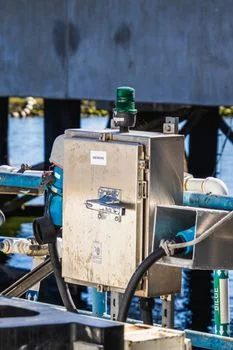
A: To avoid MPCB penalties, Mumbai factories should install online continuous effluent monitoring systems (OCEMS) for real-time tracking of COD, TSS, and pH. Regular monthly third-party audits are crucial for independent verification, and maintaining at least a 20% buffer below statutory discharge limits provides a safety margin against fluctuations (MPCB 2024 enforcement guidelines).
Q: What’s the ROI for a ZLD system in Mumbai?
A: Zero Liquid Discharge (ZLD) systems in Mumbai typically have a CAPEX of ₹3–₹7 crore per 100 KLD. However, they offer significant ROI by saving ₹50–₹100/kL in fresh water costs and eliminating MPCB penalties (₹1–₹5 lakh/day). For high-water-consumption industries like textiles, the payback period for a ZLD system can be as short as 3–5 years.
Related Equipment
- DAF system for Mumbai’s textile and food processing wastewater — view specifications, capacity range, and technical data
- Integrated MBR system for Mumbai’s space-constrained pharmaceutical plants — view specifications, capacity range, and technical data
- PLC-controlled chemical dosing for Mumbai’s pharmaceutical and chemical ETPs — view specifications, capacity range, and technical data
Need a customized solution? Request a free quote with your specific flow rate and pollutant parameters.