Industrial Wastewater Treatment in Jharkhand 2026: Engineering Specs, Costs & Zero-Risk Compliance Guide
Jharkhand’s industrial wastewater treatment sector is defined by three critical constraints: (1) sector-specific effluent limits (e.g., steel plants must achieve COD ≤50 mg/L per EPA 1986 Schedule VI, while textile units face stricter color removal mandates under CPCB 2022), (2) Jharkhand Waste Water Policy 2017’s reuse mandates (e.g., 80% recycling for mining pit water), and (3) cost pressures (CAPEX ranges from ₹80L for textile DAF systems to ₹12Cr for steel MBR plants). This guide provides 2026 engineering specs, technology comparisons, and zero-risk compliance strategies tailored to Jharkhand’s top industries—steel, mining, and textile—with Tata Steel Gamharia’s 2070 KL/day water reuse case study as a benchmark.Why Jharkhand’s Industrial Wastewater Treatment is a 2026 Priority: Costs, Compliance, and Case Studies
Jharkhand faces significant freshwater scarcity, ranking 14th in water stress nationally, with industrial water demand projected to grow by 12% annually (NITI Aayog 2025). This escalating demand, coupled with stringent environmental regulations, makes robust industrial wastewater treatment in Jharkhand India an immediate operational priority. The Jharkhand Waste Water Policy 2017 mandates ambitious reuse targets, requiring 80% treated water recycling for mining operations and 60% for textile units. Non-compliance with these directives can trigger substantial penalties, including fines up to ₹5L per day (Policy 2017, Section 10.3.1). Sector-specific risks further complicate compliance. Steel plants, such as those operated by Tata Steel and SAIL, must adhere to EPA 1986 Schedule VI limits, which stipulate a Chemical Oxygen Demand (COD) of ≤50 mg/L. Textile units face even stricter mandates under CPCB 2022, requiring 95% color removal from their effluent. For mining operations, treated water intended for reuse in dust suppression must meet a pH range of 6.5–8.5. These environmental obligations directly impact operational costs. Freshwater costs in Ranchi, for instance, surged by 30% in 2025, reaching ₹120/KL for industrial users. This increase underscores the critical return on investment (ROI) offered by efficient Effluent Treatment Plant (ETP) and Sewage Treatment Plant (STP) reuse systems. For example, Tata Steel Gamharia’s advanced water reuse strategy generates annual savings of ₹4.2Cr, demonstrating the financial imperative behind compliance and sustainability efforts.Engineering Specs for Jharkhand’s Top 3 Industrial Sectors: Steel, Mining, and Textile
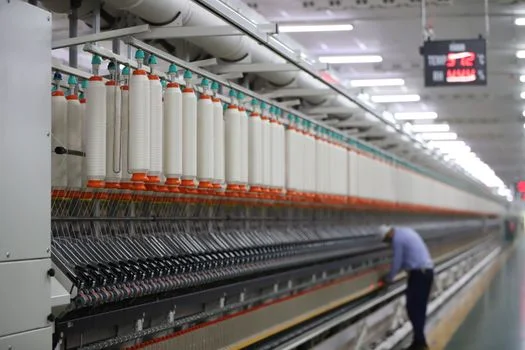
| Industry Sector | Key Influent Parameters | Target Effluent Parameters | Primary Treatment Technology (HydropureWater Recommendation) | Typical Flow Rate (m³/day) |
|---|---|---|---|---|
| Steel Plants | COD: 800–1200 mg/L, TSS: 300–500 mg/L | COD: ≤50 mg/L (EPA 1986), TSS: ≤100 mg/L | MBR Integrated System | 500–2000 |
| Mining (Coal/Iron Ore) | pH: 3.5–5.0, TSS: 1000–3000 mg/L | pH: 6.5–8.5 (for reuse), TSS: ≤50 mg/L | Dissolved Air Flotation (DAF) | 200–800 |
| Textile Plants | Color: 500–1500 Pt-Co, BOD: 300–600 mg/L | Color: 95% removal, BOD: ≤30 mg/L (CPCB 2022) | MBR or Lamella Clarifiers + RO | 100–500 |
Technology Comparison: DAF vs MBR vs Lamella Clarifiers for Jharkhand Industries
Selecting the optimal wastewater treatment technology in Jharkhand depends on specific effluent characteristics, regulatory compliance targets, and economic considerations including CAPEX and OPEX. Dissolved Air Flotation (DAF) systems are particularly effective for mining operations, excelling in TSS removal with efficiencies ranging from 92–97%. A typical DAF system for mining wastewater in Jharkhand handling 200 m³/day has a CAPEX of approximately ₹1.2Cr and an OPEX of about ₹12L/year, primarily for chemical costs. However, DAF systems are less suitable for high COD loads, making them suboptimal for steel and textile effluents exceeding 500 mg/L COD. Membrane Bioreactor (MBR) technology offers superior performance for industries requiring high-quality effluent, such as steel and textile plants. MBR systems for steel and textile plants in Jharkhand achieve over 95% COD removal and up to 99% color removal, effectively meeting stringent discharge and reuse standards. An MBR plant treating 2000 m³/day typically incurs a CAPEX of around ₹8Cr, with an OPEX of approximately ₹45L/year, largely attributed to membrane replacement and energy consumption. A significant advantage of MBR is its compact footprint, requiring up to 60% less space compared to conventional activated sludge systems. Lamella Clarifiers are a cost-effective solution, especially for primary sedimentation and initial color removal in textile wastewater, achieving up to 85% color reduction. A lamella clarifier system for 100 m³/day has a CAPEX of about ₹45L and an OPEX of ₹6L/year. Their limitation lies in requiring pre-treatment for extremely high TSS concentrations, as often seen in mining wastewater, and they generally cannot achieve the high effluent quality needed for direct industrial reuse or ZLD. The return on investment (ROI) further differentiates these technologies. An MBR system in a steel plant can pay back its investment in approximately 3.5 years, driven by significant freshwater savings of up to ₹4.2Cr/year. For mining operations, a DAF system can achieve payback in a shorter 1.8 years, primarily through reduced freshwater procurement for dust suppression, yielding annual savings around ₹1.5Cr.| Technology | Best Suited For (Jharkhand Industry) | Typical CAPEX (200-2000 m³/day) | Typical OPEX (Annual) | Key Advantages | Limitations | Effluent Quality (Example) |
|---|---|---|---|---|---|---|
| Dissolved Air Flotation (DAF) | Mining (TSS, Oil & Grease) | ₹1.2 Cr (200 m³/day) | ₹12 L/year | High TSS removal (92–97%), compact for primary treatment | Less effective for high COD (>500 mg/L) | TSS: <50 mg/L, Oil & Grease: <10 mg/L |
| Membrane Bioreactor (MBR) | Steel, Textile (High COD, Color, Reuse) | ₹8 Cr (2000 m³/day) | ₹45 L/year | High COD/BOD/Color removal (>95%), small footprint (60% less) | Higher CAPEX, membrane fouling risk | COD: <50 mg/L, BOD: <10 mg/L, Color: <5 Pt-Co |
| Lamella Clarifiers | Textile (Primary Color/TSS), General Pre-treatment | ₹45 L (100 m³/day) | ₹6 L/year | Cost-effective, good for initial solids/color (85% removal) | Requires pre-treatment for very high TSS, limited polishing ability | TSS: <100 mg/L, Color: 50–100 Pt-Co (post-coagulation) |
Jharkhand Waste Water Policy 2017 Compliance Roadmap: Step-by-Step for Industrial Buyers
CAPEX and OPEX Breakdown: Wastewater Treatment Plants in Jharkhand by Industry and Technology
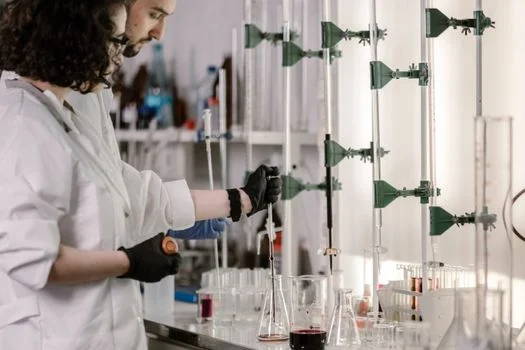
Understanding the capital expenditure (CAPEX) and operational expenditure (OPEX) is fundamental for industrial buyers evaluating wastewater treatment plants in Jharkhand. For steel plants requiring high-quality treated water for reuse, MBR systems designed for capacities around 2000 m³/day typically involve a CAPEX ranging from ₹8–12Cr. The annual OPEX for these advanced systems falls between ₹45–60L, with a projected payback period of 3.5 years, largely due to significant freshwater savings, as benchmarked by Tata Steel Gamharia. Mining operations, which often utilize DAF systems for 500 m³/day capacities, can expect a CAPEX of ₹1.2–1.8Cr. The annual OPEX for these systems is typically lower, at ₹12–18L, primarily for chemical dosing and sludge disposal. With an 80% reuse rate for dust suppression, these systems offer a rapid payback of approximately 1.8 years. For textile units aiming for process water reuse, a combination of lamella clarifiers and Reverse Osmosis (RO) for a 300 m³/day capacity has a CAPEX of ₹3–4Cr. The annual OPEX ranges from ₹25–35L, driven by membrane replacement and energy consumption for RO, with an estimated payback period of 2.2 years based on 60% process water reuse. Beyond direct equipment and operational costs, several hidden costs must be factored into budgeting. Land acquisition costs vary significantly, from around ₹5L/acre in Ranchi to ₹20L/acre in Jamshedpur. Permitting fees for JSPCB approval can amount to approximately ₹2L. Labor costs for operating a wastewater treatment plant typically add about ₹8L/year for two skilled operators. To support these investments, the Jharkhand Industrial Infrastructure Development Corporation (JIIDC) offers financing options, including loans at 7% interest for ETP projects, with a maximum limit of ₹10Cr.| Industry Sector & Technology | Typical Capacity (m³/day) | Estimated CAPEX Range | Estimated Annual OPEX Range | Estimated Payback Period | Key Cost Drivers |
|---|---|---|---|---|---|
| Steel (MBR System) | 2000 | ₹8–12 Cr | ₹45–60 L | 3.5 years | Membranes, Energy, Sludge Disposal |
| Mining (DAF System) | 500 | ₹1.2–1.8 Cr | ₹12–18 L | 1.8 years | Chemicals, Energy, Sludge Disposal |
| Textile (Lamella + RO System) | 300 | ₹3–4 Cr | ₹25–35 L | 2.2 years | RO Membranes, Energy, Pre-treatment Chemicals |
Frequently Asked Questions
What are the effluent limits for steel plants in Jharkhand?
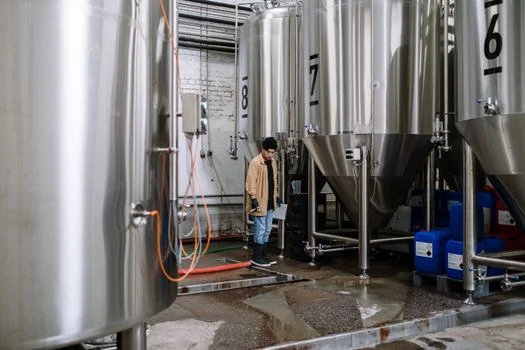
Steel plants in Jharkhand must adhere to EPA 1986 Schedule VI standards, which stipulate effluent limits of COD ≤50 mg/L, BOD ≤30 mg/L, and TSS ≤100 mg/L. Tata Steel Gamharia, utilizing advanced MBR systems, consistently achieves a COD of 36.4 mg/L, demonstrating best practices.
Can mining pits reuse treated wastewater for dust suppression?
Yes, the Jharkhand Waste Water Policy 2017 mandates 80% reuse of treated wastewater from mining operations, with dust suppression being a primary application. DAF systems are highly effective for this, achieving 92–97% TSS removal to meet the required quality for dust suppression.
What’s the CAPEX for a textile wastewater treatment plant in Ranchi?
The CAPEX for a textile wastewater treatment plant in Ranchi varies by technology and capacity. A system primarily using lamella clarifiers for 100 m³/day costs around ₹45L. For achieving Zero Liquid Discharge (ZLD) with MBR systems for 300 m³/day, the CAPEX can be around ₹3Cr.
How do I comply with Jharkhand’s 2017 policy for industrial process water reuse?
To comply with the Jharkhand Waste Water Policy 2017 for industrial process water reuse, you must submit a detailed reuse plan to the Jharkhand State Pollution Control Board (JSPCB). This plan should include your proposed treatment scheme and expected effluent quality. Quarterly effluent quality reports are required. The policy also allows for blending treated water with freshwater, for example, using 30% ETP water for cooling towers.
What’s the payback period for an MBR system in a steel plant?
Based on case studies like Tata Steel Gamharia, an MBR system in a steel plant typically has a payback period of approximately 3.5 years. This is driven by significant freshwater savings, which can amount to around ₹4.2Cr per year.