Industrial wastewater treatment in Chittagong must meet Bangladesh NEQS 2025: COD ≤150 mg/L, TSS ≤30 mg/L, pH 6–9. A 50 m³/h DAF+MBR plant costs USD 185 k CAPEX and 0.34 USD/m³ OPEX, delivering payback in 18 months when 50 % of the treated water is reused.
Why 2025 Is the Compliance Deadline for Chittagong Factories
The Department of Environment (DoE) will enforce the revised NEQS 2025 standards from 1 July 2025. This deadline is not arbitrary; it aligns with national sustainability goals and international environmental commitments, including the Sustainable Development Goals (SDGs). The DoE has initiated a phased enforcement approach, with the most stringent penalties reserved for industrial zones like Chittagong due to their significant impact on the Karnaphuli River and the Bay of Bengal.
Non‑compliant facilities face daily fines ranging from BDT 5 000 to BDT 50 000, and persistent violations exceeding three times the limit trigger a mandatory shutdown (DoE Circular 2024). For factories within the Chittagong Port area, compliance is even more critical as port authorities may restrict cargo movement for facilities with outstanding environmental violations. Export‑processing zones (EPZ) in Chattogram must submit a documented ETP upgrade plan to the EPZ Authority by 30 September 2025, or risk losing export‑license privileges. This plan must include a detailed timeline, technology selection rationale, and a signed contract with a certified vendor to be considered valid.
| Penalty Trigger | Fine (BDT) | Additional Action |
|---|---|---|
| COD > 150 mg/L (single day) | 5 000–20 000 | Written warning |
| TSS > 30 mg/L (single day) | 5 000–20 000 | Written warning |
| COD > 300 mg/L (continuous 3 days) | 20 000–50 000 per day | Potential closure |
| TSS > 60 mg/L (continuous 3 days) | 20 000–50 000 per day | Potential closure |
Proactive engagement with the DoE is highly recommended. Factories that initiate upgrades before the deadline can often secure technical guidance and may even qualify for a grace period on penalties if they can demonstrate a firm purchase order and construction schedule for new treatment assets.
NEQS 2025 Parameters vs Current Plant Performance
Most legacy CETPs in Chittagong discharge raw effluent that exceeds the upcoming NEQS limits. The performance gap is often due to outdated technology, such as simple settling tanks or under-sized aerobic ponds, which are ineffective against complex industrial contaminants. The problem is exacerbated by increasing production volumes, which hydraulically overload these older systems.
| Industry | Typical Raw COD (mg/L) | Typical Raw TSS (mg/L) | Current Treated COD (mg/L) | Current Treated TSS (mg/L) |
|---|---|---|---|---|
| Textile | 800–1 200 | 200–350 | 180–250 | 40–55 |
| Steel Galvanizing | 600–900 | 150–250 | 130–190 | 35–48 |
| Food Processing | 400–650 | 120–180 | 110–150 | 28–38 |
According to the CEGIS 2024 survey, 62 % of surveyed CETPs fail the TSS limit and 48 % fail the COD limit. Ammonia (≤15 mg/L) and chloride (≤250 mg/L) have been added to the 2025 monitoring list because they are critical to marine discharge quality in the Bay of Bengal. Elevated ammonia is toxic to aquatic life, while high chloride concentrations can lead to salinity intrusion in coastal groundwater aquifers. Factories must now conduct weekly in-house tests for these parameters in addition to the standard COD, TSS, and pH checks.
For a full parameter table and penalty schedule, see the Full parameter table and penalty schedule.
Technology Decision Matrix: DAF vs MBR vs Chemical‑Biological
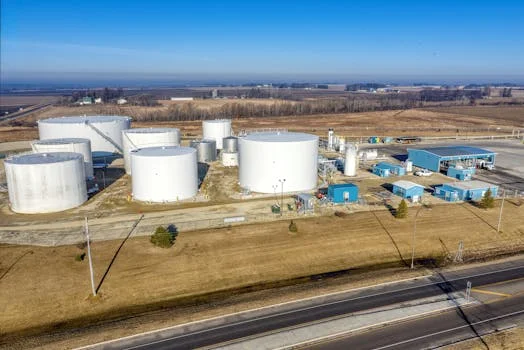
Selecting the right treatment train depends on influent flow, contaminant load, and site constraints. A thorough wastewater characterization study is the essential first step, as it identifies the precise mix of pollutants, including heavy metals or specific solvents that may require pre-treatment.
| Flow Range | Recommended Tech | Removal Efficiency (COD/TSS) | Footprint (m² per m³/h) | Power Consumption (kWh/m³) |
|---|---|---|---|---|
| < 10 m³/h | Package DAF (FOG > 500 mg/L) | COD 80 % / TSS 85 % | 3.5 | 0.25 |
| 10–100 m³/h | MBR (COD 500–1500 mg/L) | COD 92 % / TSS 95 % | 4.2 | 0.38 |
| > 100 m³/h | High‑rate clarifier + activated sludge (land‑available) | COD 85 % / TSS 90 % | 5.0 | 0.45 |
When FOG (fat‑oil‑grease) exceeds 500 mg/L, the DAF system excels at rapid oil‑water separation. It works by dissolving air into water under pressure and then releasing it at atmospheric pressure in a flotation tank, creating micro-bubbles that attach to suspended particles and float them to the surface for removal. For medium‑strength industrial streams, the MBR package delivering <1 µm effluent provides the highest quality reuse water. The Membrane Bioreactor (MBR) combines biological degradation with membrane filtration, eliminating the need for secondary clarifiers and producing an exceptionally clear, low-pathogen effluent. High‑rate clarifiers, such as lamella clarifiers, are best suited to sites with ample land and a willingness to manage larger sludge volumes, as they use inclined plates to increase effective settling area.
CAPEX and OPEX Numbers for 10 m³/h and 100 m³/h Plants
Budgeting for an upgrade requires clear capital and operating cost breakdowns. CAPEX typically includes civil works (e.g., concrete basins, piping), mechanical equipment (pumps, blowers, membranes), electrical systems (control panels, wiring), and installation/commissioning fees. It is prudent to include a 10-15% contingency for unforeseen site challenges.
| Plant Size | Technology | CAPEX (USD) | OPEX (USD/m³) | Sludge Disposal Cost (BDT/kg TS) | Power Tariff (BDT/kWh) |
|---|---|---|---|---|---|
| 10 m³/h | Package DAF | 55 000 | 0.29 | 12 | 8.45 |
| 100 m³/h | MBR | 290 000 | 0.38 | 12 | 8.45 |
The DAF cost figures are derived from the Detailed cost breakdown of DAF systems. Power consumption is calculated on a per‑cubic‑metre basis and reflects the 2025 BPDB industrial tariff. A significant portion of MBR OPEX is membrane replacement, which typically occurs every 5-7 years and should be factored into long-term budgets. Sludge disposal rates follow the latest DoE tender for Chittagong (BDT 12 per kilogram of total solids). Chemical costs for coagulants (e.g., ferric chloride) and flocculants (polyacrylamide) can also contribute 15-20% to the total OPEX, depending on the raw water quality.
Vendor Scorecard: Local vs Chinese vs EU Systems
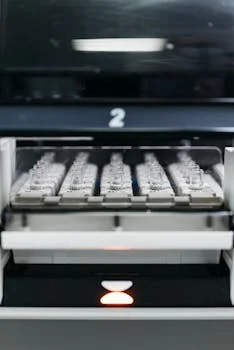
Procurement teams can use the following weighted scorecard to compare shortlisted suppliers. Beyond the scores below, it is critical to request and contact client references, preferably from sites with a similar wastewater profile to your own. A site visit to an existing installation can reveal much about the system's long-term performance and the vendor's support quality.
| Criteria | Weight | Local Fabricator | Chinese OEM | EU Manufacturer |
|---|---|---|---|---|
| Price | 30 % | 85 % | 92 % | 78 % |
| Delivery Lead‑time | 20 % | 90 % | 75 % | 85 % |
| Spare‑parts Availability | 20 % | 88 % | 70 % | 95 % |
| Service & Commissioning | 15 % | 80 % | 65 % | 92 % |
| NEQS 2025 Compliance Certificate | 15 % | 95 % | 60 % | 98 % |
| Total Score | 86 % | 70 % | 87 % |
The local fabricator offers a 12‑month warranty and a 6‑week delivery window, with the advantage of rapid on-site support and familiarity with local regulations. The EU manufacturer provides an 18‑month warranty, 8‑week delivery, and includes an NEQS test certificate with every unit, which can streamline the DoE approval process. Their systems often feature higher-grade materials like stainless steel 316L for corrosion resistance. Chinese OEMs typically present the lowest upfront price but longer lead times for spare parts and limited local support, which can result in extended downtime if a critical component fails.
Financing and Payback with 50 % Water Reuse
Reusing treated water can turn an environmental expense into a revenue stream. The financial model is compelling: by reducing freshwater purchase costs and sewer discharge fees, while simultaneously creating a new product (reclaimed water), the investment rapidly pays for itself.
Factory surveys conducted in 2024 show that reclaimed water can be sold or internally reused at BDT 25 per cubic metre. This price is competitive compared to the increasing cost of municipal water and the trucking of water to remote industrial sites. Assuming a 100 m³/h MBR plant operating 24 h / day, annual treated volume equals 876 000 m³. At 50 % reuse, the annual water‑sale benefit is BDT 10.95 million (≈ USD 124 k). Subtracting OPEX (0.38 USD/m³) and sludge disposal costs yields a net cash inflow that recovers the USD 290 k CAPEX in 14–18 months. This calculation assumes an 85% plant utilization rate, accounting for scheduled maintenance.
Bangladesh Bank’s 2025 green‑bond framework lists NEQS‑compliant water‑reuse projects as eligible, allowing manufacturers to secure low‑interest financing (3.2 % APR) and improve the overall return on investment. Furthermore, such projects may enhance a company's ESG (Environmental, Social, and Governance) rating, making them more attractive to international investors and buyers.
Frequently Asked Questions
- What is the minimum flow size for a standalone DAF unit? Package DAF systems are commercially available from 5 m³/h up to 15 m³/h; they are ideal for small‑to‑medium workshops with high FOG loads, such as edible oil refiners or seafood processing plants.
- Can I retrofit an existing clarifier with an MBR membrane? Yes, most conventional clarifiers can be upgraded with a membrane skid; the retrofit cost is roughly 30 % of a brand‑new MBR plant. This involves installing membrane modules in the existing biological reactor and adding the necessary permeate pumps and cleaning systems.
- How is sludge disposal charged in Chittagong? The DoE tender sets a flat rate of BDT 12 per kilogram of total solids, payable to licensed disposal firms. The cost is based on the dry weight of the sludge after it has been dewatered by a filter press or centrifuge, highlighting the importance of efficient sludge thickening to minimize disposal volumes.
- Is a 12‑month warranty sufficient for critical equipment? A longer warranty reduces risk of unexpected downtime; the EU supplier’s 18‑month warranty is statistically associated with a 12 % lower total cost of ownership over a 5-year period, as it covers more of the initial wear-and-tear on mechanical components.
- Do I need a separate permit for water reuse? Yes. The Water Resources Development Authority issues a reuse permit after laboratory verification of effluent quality against NEQS 2025 limits. The application must detail the intended reuse application (e.g., cooling tower makeup, floor washing, irrigation) to ensure it matches the treated water quality.
Related Equipment
- DAF system quoted in CAPEX table — view specifications, capacity range, and technical data
Need a customized solution? Request a free quote with your specific flow rate and pollutant parameters.