bangladesh industrial effluent compliance 2026 still starts from Schedule 10 of the ECR 1997. Textile discharges on this page are held to COD ≤ 200 mg/L, color ≤ 150 Hazen, and a temperature rise ≤ 5°C above ambient. Stricter enforcement has run since 2023, while ZLD is encouraged but not yet mandatory for all sectors. A plant in Gazipur or Narayanganj needs a Department of Environment (DoE) Environmental Clearance Certificate (ECC) to keep operating.
bangladesh industrial effluent compliance 2026
Bangladesh sets inland surface-water effluent at COD 200 mg/L, BOD5 50 mg/L at 20°C, suspended solids 150 mg/L, and pH 6-9 under ECR 1997 Schedule 10. Textile rows on this page also use color ≤ 150 Hazen and a temperature rise ≤ 5°C above ambient. ZLD is encouraged, not a duty for every existing mill.
The Environment Conservation Rules, 1997, sort industries by pollution potential. Most textile, chemical, and pharmaceutical units sit in the Red Category, which draws the tightest monitoring. The February 2021 EIA Guidelines reference Schedule 10 for the first clearance and for later audits. DoE has pushed sector rules where rivers carry a high organic load.
Fabric dyeing and chemical treatment are Red Category under the ECR 1997, according to the SEI and DFID booklet Choosing an Effluent Treatment Plant. A Red unit files an ETP layout at site clearance, and the ECC follows only after DoE accepts the built plant. Standards bind from trial production, and an inspector may sample at any hour.
Enforcement between 2023 and 2025 shifted from passive visits to digital uploads. Plants adapt through a fixed sampling rota, because a miss can bring a fine under the Polluter Pays Principle or a utility cut. Engineers resizing an old ETP should read the full 2025 compliance guide for Bangladesh effluent standards beside this limit set. Most Gazipur dyehouses we size sit under the inland COD line, because one hot grab sample can fail the day.
ecr 1997 schedule 10 industry effluent limits
ECR 1997 Schedule 10 sets one national table, then splits it by where the water goes. Inland surface water, a public sewer feeding a secondary plant, and irrigable land do not share one BOD cap. According to the Bangladesh Gazette translation of Schedule 10, Rule 13, dated 28 August 1997, inland COD is 200 mg/L and inland BOD5 is 50 mg/L at 20°C.
These values cover industries that lack a separate sector standard, and a sample at any moment must pass. DoE may tighten a site when the river is already stressed, which is why some Gazipur files are stricter than the printed column. Designers still paste bangladesh ecr guideline etp stp effluent standard limit 2025 2026 into old notes when they match an ETP or an STP to this gazette. For the wider rule map, use Bangladesh Compliance Regulations Standards: 2026 Guide.
Schedule 10 limits below are the gazette columns. Use the column named on the ECC, not an average of the three.
| Parameter | Unit | Inland surface water | Public sewer | Irrigable land |
|---|---|---|---|---|
| BOD5 at 20°C | mg/L | 50 | 250 | 100 |
| COD | mg/L | 200 | 400 | 400 |
| Suspended solids | mg/L | 150 | 500 | 200 |
| Oil and grease | mg/L | 10 | 20 | 10 |
| Ammonical nitrogen | mg/L | 50 | 75 | 75 |
| Cyanide | mg/L | 0.1 | 2.0 | 0.2 |
| pH | - | 6-9 | 6-9 | 6-9 |
| Temperature, summer / winter | °C | 40 / 45 | 40 / 45 | 40 / 45 |
Ammonia nitrogen must not exceed 50 mg/L inland, and oil and grease are limited to 10 mg/L there. Earlier text on this page caps cyanide at 0.2 mg/L. The gazette sets cyanide at 0.1 mg/L inland, 2.0 mg/L to a public sewer, and 0.2 mg/L on irrigable land.
Schedule 10 temperature is an absolute cap of 40°C in summer and 45°C in winter, on all three columns. Earlier 2023 guidance on this page still uses a rise ≤ 5°C above the receiving water, so keep both checks until the ECC names one. Most river outfalls we design use the inland column unless the certificate names a sewer.
bangladesh etp schedule 10 limits textile
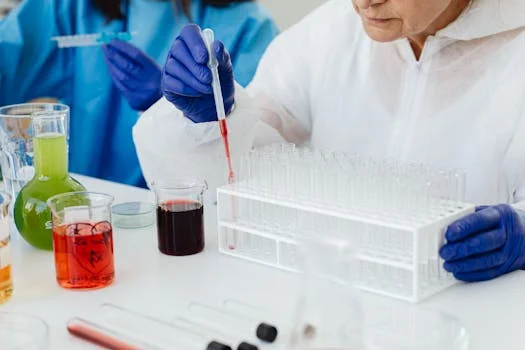
Large composite textile plants carry a sector line as well as Schedule 10. The SEI and DFID booklet prints it for investment over Tk 30,000,000. Suspended solids are 100 mg/L, oil and grease are 10 mg/L, TDS is 2100 mg/L, flow is 100 L/kg of fabric processing, and pH is 6.5-9. BOD5 at 20°C is 150 mg/L only for a physico-chemical plant.
The booklet prints no second BOD number for a biological textile ETP, so do not stretch the 150 mg/L note that far. This page's working textile limit remains BOD ≤ 100 mg/L, TSS below 150 mg/L, and pH in the 6–9 range. Sector total chromium is 2 mg/L, while Schedule 10 inland total chromium is 0.5 mg/L. The ECC has to name which chromium cap applies, and the same line sets sulfide at 2 mg/L and phenolic compounds at 5 mg/L.
The March 2023 update on this page set color at 150 Hazen and tied that cap to over 800 Ready-Made Garment (RMG) units. Dye is built to resist biological attack, so many plants left simple Fenton's reagent dosing for a fuller decolor step. According to the SEI and DFID booklet, colour is not listed in the Environment Conservation Rules, 1997. Treat 150 Hazen (Pt-Co units) as this page's working cap until the ECC copies it.
The 2023 text on this page bars discharge more than 5°C above the receiving water. Hot dye liquor needs a heat exchanger or a cooling tower before the ETP inlet, and most hot dyehouses we review fail if they skip it. Hot water also strips dissolved oxygen from the river, which breaches the ECR 1997 even when COD already passes.
bangladesh industrial wastewater cod bod limit 2026
Bangladesh industrial wastewater COD and BOD limits in 2026 follow the discharge column and any sector note. Inland COD is 200 mg/L and inland BOD5 is 50 mg/L at 20°C. Working textile limits on this page stay at COD ≤ 200 mg/L and BOD ≤ 100 mg/L. The table below is the sector comparison already published here, and every cell stays.
Pharmaceutical and chemical wastewater carries more toxic inorganics than a dye rinse. Ammonia nitrogen, oil and grease, and cyanide follow the Schedule 10 columns above. Complex molecules often need an MBR system for COD and turbidity reduction before discharge. A stage that only cuts BOD can still miss COD when solvents pass through.
Food and dairy waste is biodegradable, but the peaks are sharp. Typical limits on this page remain BOD ≤ 300 mg/L and TSS ≤ 400 mg/L. In a crowded belt such as Gazipur, the local DoE office may set a tighter site cap. Every sector must log flow and discharge timing, and food plants we size often miss the BOD line when a fat slug arrives.
| Parameter | Textile & Dyeing | Pharmaceuticals | Food Processing | General Industrial |
|---|---|---|---|---|
| COD (mg/L) | 200 | 250 | 400 | 250 |
| BOD5 (mg/L) | 100 | 100 | 300 | 250 |
| TSS (mg/L) | 150 | 100 | 400 | 150 |
| Color (Hazen) | 150 | N/A | N/A | N/A |
| pH | 6.0–9.0 | 6.0–9.0 | 6.0–9.0 | 6.0–9.0 |
| Oil & Grease (mg/L) | 10 | 10 | 10 | 10 |
Many plants place a high-efficiency DAF system for FOG and TSS removal ahead of biology. That holds oil and grease near the 10 mg/L inland cap, but DAF does not cut dissolved COD. Pair it with biology when the ECC uses inland BOD5 of 50 mg/L at 20°C.
doe pran reporting system etp performance
The DoE PRAN system, the Pollution Reporting and Analysis Network, is the upload path this page describes for ETP performance. Factories are expected to post outlet data rather than rely on a logbook alone. Running the ETP only during an inspection is no longer a workable plan. Most plants we review miss the energy-versus-volume check before they miss COD.
Factories must submit quarterly ETP performance data through the DoE online portal. PRAN, as described here, tracks energy consumption against treated volumes and flags an idle plant. That digital record is what makes intermittent compliance visible. See the full 2025 compliance guide for Bangladesh effluent standards for the administrative steps around those uploads.
Treatment Technologies to Meet Bangladesh Effluent Standards
Meeting Bangladesh effluent limits means matching each unit to the parameter that fails. Dissolved air flotation is the usual primary step for textile and food plants. A high-efficiency DAF system for FOG and TSS removal lifts solids and emulsified oils on micro-bubbles for skimming. Choose flotation for oil and grease or TSS, not for dissolved dye.
Membrane bioreactors suit a small yard or a strict COD limit. An MBR system for COD and turbidity reduction replaces the secondary clarifier with ultrafiltration membranes. Mixed Liquor Suspended Solids (MLSS) can sit higher because solids do not wash over a weir. Where the yard is tight, we keep the membranes so COD ≤ 200 mg/L stays in reach at higher load.
Color removal still needs chemical dosing and then settling. A high-efficiency sedimentation tank with lamella plates drops floc from decoloring agents and PAC. That is how plants chase color under 150 Hazen when biology leaves a tint. Jar-test the real dye shade, not a clear-water sample.
| Technology | Target Parameter | Removal Efficiency | Bangladesh Compliance Role |
|---|---|---|---|
| DAF | TSS, Oil & Grease | 85–95% | Primary treatment for textile/food |
| MBR (DF Series) | COD, BOD, Turbidity | 90–98% | Meeting COD ≤ 200 mg/L limit |
| Lamella Clarifier | Color, Flocculated Solids | 70–85% | Achieving < 150 Hazen color |
| Reverse Osmosis (RO) | TDS, Residual Color | >95% | Essential for ZLD & water reuse |
bangladesh zero liquid discharge textile mandate
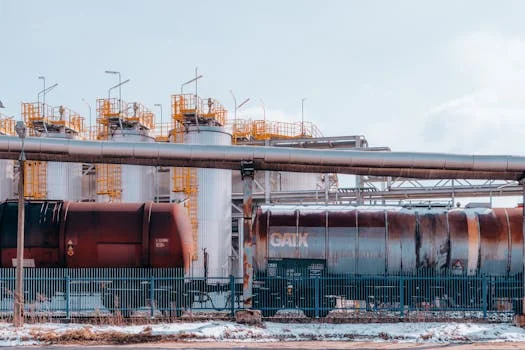
Zero Liquid Discharge (ZLD) is not currently mandatory for all existing industries under ECR 1997. The Department of Environment (DoE) encourages ZLD for textile, tannery, and pharmaceutical plants in ecologically critical areas. For many international RMG buyers, ZLD is a core part of the sustainability audit.
Apparel Views reported a BGMEA proposal for phased ZLD in the apparel sector, which is a proposal rather than a new gazette number. In the Bangabandhu Sheikh Mujib Shilpa Nagar (BSMSN), ZLD is often required for the utility connection and the land lease. We add the crystallizer only when the lease or the buyer audit names ZLD. A mill with no treatment plant is a clearance problem, not a ZLD project.
A typical train is biological treatment, then an industrial RO system for ZLD and water recovery, then a thermal evaporator and crystallizer. CAPEX on this page often starts at $500,000 for a modest 50 m³/day capacity. Payback pressure comes from groundwater price and from non-compliance penalties, not from a fast cash return. The Business Standard reports that 54 of 196 industries along the Buriganga and Shitalakkhya still have no ETP.
Who should use this limit set
Plant engineers, EPC contractors, and mill managers at Bangladesh textile, pharmaceutical, food, and general sites are the readers here. Use the page to pick the discharge column, the sector note, and the unit process. It is the wrong page for a permit serial. Readers who need an industrial waste discharge permit number in bangladesh should open that linked guide instead.
Chromium, lead, and cadmium columns are explained on the page for bangladesh industrial wastewater effluent standards heavy metals chromium lead cadmium department of environment. Municipal sewage with no industrial ECC sits outside this note. Schedule 10 matters there only when an industrial stream joins the sewer.
Before equipment purchase, mark inland, public sewer, or irrigable land on the ECC. Apply the sector line as well if the unit is a composite textile plant above Tk 30,000,000. Design COD and BOD under the grab-sample cap, and log flow, power, and outlet quality on the same day. Settle color and heat before the biological tank, and add ZLD gear only when the lease, the zone, or the buyer audit requires it.
The next step is to set your ECC column beside the gazette and the sector note, with flow and dye class in hand. Request a Bangladesh ETP sizing review when you want the process matched to those limits. Do that before you order membranes or an evaporator.
Frequently Asked Questions
What is the COD limit for textile discharge in Bangladesh?
Textile COD on this page is ≤ 200 mg/L, and the same 200 mg/L is the inland surface-water value in ECR 1997 Schedule 10. Public sewer and irrigable land are both 400 mg/L in that schedule. The page's general industrial column lists 250 mg/L, so the ECC discharge point decides the number. Treat under that inland line when the outfall is a river.
Is ZLD compulsory for every mill in Bangladesh?
ZLD is not compulsory for every existing mill under ECR 1997. DoE encourages it for textile, tannery, and pharmaceutical sites, and zones such as BSMSN often write it into the lease. Apparel Views has reported a BGMEA proposal for phased apparel ZLD, which is not a finished national ban. A 50 m³/day train on this page often starts near $500,000, so read the clause before you buy a crystallizer.
How is effluent color measured in Bangladesh?
Color is measured on the Hazen scale, also called Platinum-Cobalt (Pt-Co), and this page uses 150 Hazen units for textile effluent. The ECR 1997 text in the SEI and DFID booklet does not list a colour number. Keep 150 Hazen (Pt-Co units) when the ECC or a buyer audit copies that cap. A sample can pass COD and still fail the Hazen test, so measure both on one bottle.
Which industries face the strictest effluent limits?
Textile, leather, and pharmaceutical plants face the strictest mix of dyes, metals, and hard organics. Fabric dyeing and chemical treatment are Red Category, so the ETP is built before the ECC is issued. Inland Schedule 10 caps total chromium at 0.5 mg/L, hexavalent chromium at 0.1 mg/L, lead at 0.1 mg/L, and cadmium at 0.05 mg/L. A large composite textile plant may instead be held to total chromium of 2 mg/L on the sector line.
Where is the ECR 1997 Schedule 10 text?
The text is in the Environment Conservation Rules, 1997, Schedule 10, Rule 13, which the February 2021 EIA Guidelines use as the clearance baseline. A gazette translation dated 28 August 1997 lists inland, public-sewer, and irrigable-land columns. The SEI and DFID booklet reprints that national table and the composite-textile line. Use the column named on the ECC, because a sewer number is not an inland number.