Wastewater Treatment Plant Cost in Tashkent 2026: CAPEX, OPEX & Tech-Specific Breakdown for Industrial Buyers
In Tashkent, wastewater treatment plant costs range from $24M for municipal upgrades (e.g., IsDB’s 3-plant project) to $1B+ for large-scale industrial systems (e.g., Suez’s 1.5M m³/day plant). CAPEX varies by technology: conventional activated sludge ($1.2M–$3M per 1,000 m³/day), MBR ($2M–$4M), and DAF ($800K–$2M). OPEX averages $0.15–$0.40/m³, with energy costs (49% of OPEX in Tashkent) and compliance upgrades (e.g., GOST R 51232-98) as key drivers. This guide provides tech-specific cost breakdowns, ROI models, and supplier selection criteria for 2026.
Why Wastewater Treatment Costs in Tashkent Are Rising (And How to Budget Accurately)
Tashkent’s strategic shift towards sustainable water management is significantly increasing wastewater treatment plant costs for industrial buyers. Uzbekistan’s 2026 water reuse targets, aiming for 40% of treated water for industrial reuse, are driving demand for advanced systems, thereby increasing CAPEX by an estimated 25–40% compared to 2020 (EcoTech case study). This push for higher effluent quality necessitates technologies like MBR and DAF, which, while more efficient, come with a higher upfront investment.
Energy costs represent a critical cost driver in Tashkent, accounting for 49% of OPEX, significantly higher than regional averages like Astana (29%) or Tbilisi (10%) (IsDB 2024 data). This elevated energy burden underscores the need for energy-efficient designs, particularly in aeration, which is often the most power-intensive process. compliance with GOST R 51232-98 standards adds an additional 15–20% to CAPEX for tertiary treatment components such as sand filters and UV disinfection. Non-compliance, however, poses a substantial financial risk, with potential fines reaching up to 5% of annual revenue, as per Uzbekistan Ministry of Ecology 2025 regulations.
Industrial buyers in Tashkent frequently encounter a problem of ‘cost opacity’ when evaluating wastewater treatment solutions. Quotes from local and international suppliers can vary by 30–50% for systems of comparable capacity, often due to hidden costs not explicitly detailed in initial proposals. These overlooked expenses typically include extensive civil works, complex permitting fees, specialized equipment tariffs, and long-term operational nuances like sludge disposal and membrane replacement, making accurate budgeting a significant challenge. Understanding these underlying cost drivers is essential for developing a precise and comprehensive budget for any new or upgraded wastewater treatment facility in Tashkent.
CAPEX Breakdown: How Technology Choice Impacts Your Upfront Investment
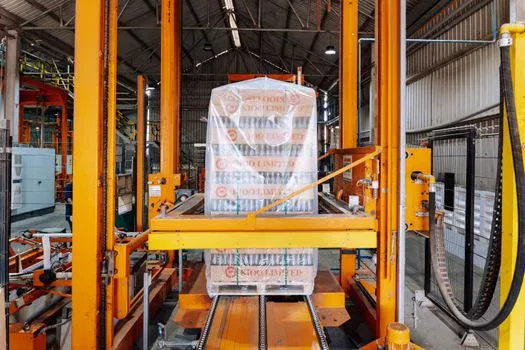
The upfront capital expenditure (CAPEX) for a wastewater treatment plant in Tashkent is primarily dictated by the chosen technology and its capacity, with significant variations across conventional, MBR, and DAF systems. Conventional activated sludge plants typically incur CAPEX ranging from $1.2M–$3M per 1,000 m³/day, as seen in IsDB data for projects like the Salar and Bozsu plants. A substantial portion of this investment, approximately 40% of CAPEX, is allocated to civil works due to the large land footprint and extensive tankage required.
In contrast, MBR systems for Tashkent’s high-efficiency water reuse needs demand a higher CAPEX of $2M–$4M per 1,000 m³/day. However, their compact design results in a 60% smaller footprint compared to conventional systems, which significantly reduces land acquisition costs – a critical factor in Tashkent’s urbanized industrial zones. DAF systems for industrial effluents with high FOG/TSS loads, often favored for pre-treatment in industries like food processing and textiles, fall within an $800K–$2M per 1,000 m³/day CAPEX range (EcoTech case study). These systems are particularly effective at removing suspended solids and fats, oils, and greases.
Tashkent-specific cost drivers further influence CAPEX. Civil works costs are approximately 15% higher than the regional average due to local labor rates and material costs. Additionally, import tariffs on specialized components like membrane modules for MBR and DAF systems add an average of 10% to the equipment cost. Evaluating MBR systems for Tashkent’s high-efficiency water reuse needs or DAF systems for industrial effluents with high FOG/TSS loads requires a detailed assessment of these factors.
| Capacity (m³/day) | Conventional Activated Sludge (CAPEX) | MBR Systems (CAPEX) | DAF Systems (CAPEX) | Hybrid Systems (CAPEX) |
|---|---|---|---|---|
| 500 | $600K – $1.5M | $1.0M – $2.0M | $400K – $1.0M | $900K – $1.8M |
| 1,000 | $1.2M – $3.0M | $2.0M – $4.0M | $800K – $2.0M | $1.8M – $3.6M |
| 2,500 | $2.5M – $6.0M | $4.0M – $8.0M | $1.5M – $3.5M | $3.5M – $7.0M |
| 5,000 | $4.5M – $10.0M | $7.0M – $14.0M | $2.5M – $6.0M | $6.0M – $12.0M |
OPEX Deep Dive: Energy, Chemicals, and Labor Costs in Tashkent
Operational expenditure (OPEX) for wastewater treatment plants in Tashkent is heavily influenced by energy consumption, chemical requirements, and labor costs, with distinct differences across technologies. Energy costs in Tashkent are projected at $0.08–$0.12/kWh for 2026, making them the largest component of OPEX, accounting for approximately 49% (IsDB data). MBR systems, through their optimized aeration and higher treatment efficiency, can reduce energy consumption by up to 30% compared to conventional activated sludge systems, offering significant long-term savings despite higher CAPEX.
Chemical costs typically range from $0.03–$0.07/m³ for coagulants and flocculants. Achieving GOST compliance often necessitates higher dosing rates for industrial effluents, particularly those with complex organic loads, which can elevate these costs. Automation through PLC-controlled chemical dosing for GOST compliance can optimize usage and reduce waste. Labor costs in Tashkent average $500–$1,200/month per operator. MBR systems, with their more automated processes and smaller footprint, typically require 20% fewer staff for operation and maintenance compared to conventional plants, contributing to OPEX reduction.
Water reuse savings present a significant opportunity to offset OPEX, with industrial reuse (e.g., cooling towers, irrigation) valued at $0.50–$1.50/m³. This can reduce a plant's overall OPEX by 10–20% (EcoTech case study). However, industrial buyers must be wary of the ‘hidden OPEX’ trap, which often includes underestimating sludge disposal costs ($0.10–$0.30/m³), requiring efficient dewatering solutions like plate and frame filter presses, and membrane replacement, a substantial cost occurring every 5–7 years for MBR systems. These often-overlooked expenses can significantly impact the long-term financial viability of a wastewater treatment project.
Compliance Costs: Meeting Uzbekistan’s GOST and Industrial Standards
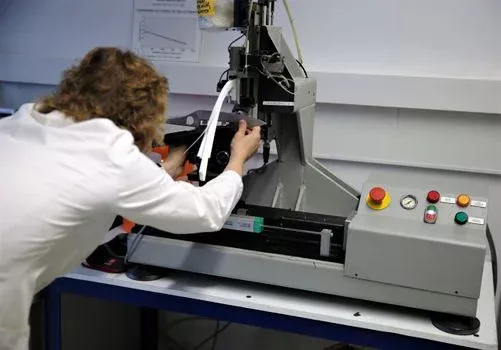
Meeting Uzbekistan’s stringent GOST and industry-specific discharge standards is a non-negotiable aspect of wastewater treatment in Tashkent, with significant implications for CAPEX and OPEX. GOST R 51232-98 sets specific discharge limits, including COD ≤ 50 mg/L, TSS ≤ 10 mg/L, and BOD5 ≤ 10 mg/L. Achieving these limits typically requires tertiary treatment for approximately 80% of industrial effluents, adding substantial cost to the overall system. These GOST standards are generally stricter than WHO guidelines for TSS (10 mg/L vs. 20 mg/L) but align closely with the EU Urban Waste Water Directive 91/271/EEC for COD/BOD5.
Beyond general discharge limits, specific industries in Uzbekistan are subject to specialized standards. Textile effluents, for instance, must comply with GOST 31880-2012, food processing with GOST 31881-2012, and pharmaceuticals with GOST 31882-2012. These sector-specific regulations can add an additional 10–30% to CAPEX for specialized treatment units such as ozone generators, activated carbon filters, or advanced oxidation processes like those used in medical wastewater treatment systems. Disinfection for compliance often involves technologies like chlorine dioxide generators.
Permitting costs also contribute to the overall compliance burden, typically ranging from $10K–$50K for environmental impact assessments (EIA) and an additional $5K–$20K annually for compliance audits. The ‘compliance penalty’ risk is severe: recent 2025 regulations stipulate fines up to 5% of annual revenue for violations. This emphasizes that investing in robust, compliant treatment solutions is not merely an environmental obligation but a critical financial safeguard for industrial operations in Tashkent. For a broader understanding of Uzbekistan’s 2026 industrial wastewater compliance standards, further resources are available.
| Industry Type | Typical GOST Limits (Primary) | Required Treatment Level | Additional CAPEX Impact (%) |
|---|---|---|---|
| Textile | COD ≤ 50, TSS ≤ 10, Color < 20 | Tertiary + Color Removal | 15-25% |
| Food Processing | COD ≤ 50, TSS ≤ 10, FOG ≤ 5 | Tertiary + FOG Removal | 10-20% |
| Pharmaceutical | COD ≤ 50, BOD5 ≤ 10, Specific Pollutants | Advanced Oxidation + Tertiary | 20-30% |
| Municipal | COD ≤ 50, TSS ≤ 10, BOD5 ≤ 10 | Secondary + Tertiary | 5-15% |
Local vs. International Suppliers: Cost, Risk, and Turnkey Trade-Offs
Selecting a wastewater treatment plant supplier in Tashkent involves a critical evaluation of cost, risk, and the extent of turnkey services offered, with significant differences between local and international vendors. Local suppliers, such as EcoTech Solutions Uzbekistan or GreenFlow Engineering, typically offer 20–30% lower CAPEX due to reduced logistics, local labor rates, and familiarity with domestic regulations. However, these savings often come with limited turnkey guarantees, meaning buyers may need to manage civil works, permitting processes, and potentially source specialized equipment independently, which introduces additional project management complexity and risk.
Conversely, international consortia, including major players like Suez or Marubeni, command 30–50% higher CAPEX. This premium, however, often includes comprehensive, full compliance guarantees (e.g., adherence to GOST, WHO, and EU standards), along with robust financing options such as Public-Private Partnership (PPP) models. These suppliers typically deliver fully integrated, turnkey solutions, significantly reducing the buyer's project management burden and compliance risk. For a detailed Central Asia supplier selection guide with GOST compliance data, further analysis is available.
A hybrid approach often presents a balanced solution: leveraging local expertise for civil works and installation while importing high-tech equipment, such as MBR membranes from China or Europe. This strategy can reduce overall CAPEX by 15–20% while still benefiting from advanced technology. Industrial buyers must be aware of the ‘turnkey trap,’ where suppliers may offer attractive "compliance guarantees" that implicitly exclude critical components like civil works, electrical infrastructure, or specific environmental permits, potentially adding 20–40% to the total project costs once these hidden elements are factored in. Thorough due diligence and clear contractual agreements are paramount when navigating these supplier trade-offs.
| Factor | Local Suppliers (e.g., EcoTech, GreenFlow) | International Consortia (e.g., Suez, Marubeni) | Hybrid Approach (Local Civil + Int. Equipment) |
|---|---|---|---|
| CAPEX | 20-30% Lower | 30-50% Higher | 15-20% Reduction vs. International |
| OPEX | Moderate (variable support) | Optimized (long-term service agreements) | Moderate (mix of local/int. support) |
| Compliance Risk | Moderate (buyer responsibility) | Low (full guarantees) | Low-Moderate (requires careful integration) |
| Lead Time | Shorter (local sourcing) | Longer (import logistics) | Variable (depends on equipment lead time) |
| Financing Options | Local bank financing (10-15% interest) | PPP models, international loans (lower rates) | Mix of local/international options |
ROI Calculator: Payback Periods and Water Reuse Savings for Tashkent Plants
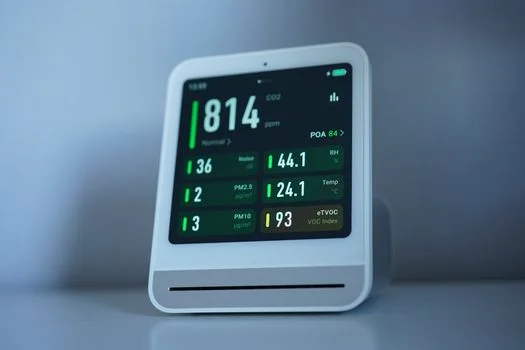
Calculating the Return on Investment (ROI) for a wastewater treatment plant in Tashkent is crucial for budget justification, with payback periods varying significantly by technology and capacity. Conventional systems, typically in the 500–2,000 m³/day range, often see payback periods of 3–5 years. For MBR systems, which have higher initial CAPEX, payback periods extend to 5–7 years, primarily offset by substantial water reuse savings and operational efficiencies.
Water reuse offers a compelling ROI for industrial facilities in Tashkent, with savings of $0.50–$1.50/m³ for industrial applications such as cooling towers, process water, or irrigation (EcoTech case study). This direct reduction in municipal water consumption can shorten the overall payback period by 1–2 years. Technologies like integrated sewage treatment systems or reverse osmosis (RO) water purification can achieve the high-quality effluent required for reuse. energy savings from advanced technologies contribute significantly; MBR systems, for example, can save $0.05–$0.10/m³ on aeration costs compared to conventional methods, adding 10–15% to annual operational savings and improving the overall ROI.
The ‘scaling effect’ demonstrates that larger plants, specifically those exceeding 2,000 m³/day, can achieve approximately 20% lower CAPEX per cubic meter due to economies of scale in equipment procurement and civil works. This factor makes larger-scale industrial wastewater treatment projects more economically attractive in the long term, offering better ROI and quicker payback periods. Industrial buyers should utilize these metrics to make informed decisions that align with both environmental compliance and financial objectives.
| Technology | Capacity (m³/day) | Estimated CAPEX (Avg.) | Annual OPEX (Avg.) | Annual Water Reuse Savings (Avg.) | Estimated Payback Period |
|---|---|---|---|---|---|
| Conventional | 1,000 | $2.0M | $70K | $30K | 3-5 years |
| MBR | 1,000 | $3.0M | $50K | $60K | 5-7 years |
| DAF (Pre-treatment) | 1,000 | $1.4M | $40K | N/A (reduces downstream costs) | 2-4 years |
| MBR (Large Scale) | 5,000 | $10.0M | $200K | $300K | 4-6 years |
Frequently Asked Questions
What is the average cost per m³ for wastewater treatment in Tashkent?
The average operational cost (OPEX) for wastewater treatment in Tashkent ranges from $0.15–$0.40/m³. Capital expenditure (CAPEX) can vary significantly, from $1.2M–$4M per 1,000 m³/day, depending on the chosen technology and capacity (IsDB/Suez data).
How do Uzbekistan’s GOST standards compare to EU/WHO limits?
Uzbekistan’s GOST R 51232-98 standards are generally stricter than WHO guidelines for Total Suspended Solids (TSS), requiring ≤ 10 mg/L compared to WHO’s 20 mg/L. However, GOST limits for Chemical Oxygen Demand (COD) and Biochemical Oxygen Demand (BOD5) align closely with those specified in the EU Urban Waste Water Directive 91/271/EEC.
What are the hidden costs of wastewater treatment in Tashkent?
Common hidden costs include sludge disposal, which can range from $0.10–$0.30/m³, the periodic replacement of membranes (typically every 5–7 years for MBR systems), and significant permitting costs, such as $10K–$50K for environmental impact assessments (EIA).
Can industrial plants reuse treated wastewater in Tashkent?
Yes, industrial plants in Tashkent are encouraged to reuse treated wastewater. Uzbekistan’s 2026 water reuse targets aim for 40% of treated water to be reused for industrial processes like cooling towers, boiler feed, or irrigation, providing significant cost savings and environmental benefits (EcoTech case study).
What financing options are available for WWTPs in Tashkent?
Financing options in Tashkent include Public-Private Partnership (PPP) models, often involving international consortia (e.g., Suez), loans from development banks like the Islamic Development Bank (IsDB), and local bank financing, which typically carries interest rates of 10–15%.