Wastewater Treatment Plant Cost in Bergen 2025: CAPEX, OPEX & Tech-Specific Breakdown for Industrial Buyers
In Bergen, a 500 m³/day industrial wastewater treatment plant costs NOK 12M–25M in CAPEX (2025), depending on technology—MBR systems average NOK 18M, while activated sludge plants start at NOK 12M. Annual OPEX ranges from NOK 1.5M–3.5M, with energy (30–40% of OPEX) and sludge disposal (20–30%) as the largest line items. Norway’s strict EU compliance standards (e.g., <125 mg/L COD, <25 mg/L BOD5) add 15–25% to CAPEX for advanced tertiary treatment like UV or ozone disinfection. Local suppliers like Krüger Kaldnes and Veolia offer turnkey solutions, but custom engineering can reduce costs by 10–15% for high-flow applications (>1,000 m³/day).
Why Bergen’s Wastewater Treatment Costs Are Higher Than Oslo or Stavanger
Bergen’s extreme annual rainfall of approximately 2,250 mm increases industrial hydraulic loading by 20–30% compared to Oslo, necessitating larger equalization tanks and higher-capacity pumps that add 5–10% to total CAPEX. This climatic factor is not merely an environmental concern but a primary engineering constraint; industrial facilities in the Vestland region must account for significant rainwater ingress into sewer systems, which dilutes influent but increases the volumetric burden on biological reactors. Underestimating this hydraulic surge often leads to premature system failure or regulatory fines during peak precipitation months.
compliance with the EU Urban Waste Water Directive 91/271/EEC, combined with Norway’s localized stringent limits—often requiring total nitrogen levels below 10 mg/L—mandates advanced tertiary treatment stages. These requirements typically add 15–25% to the CAPEX of a standard secondary treatment plant. Unlike regions with more lenient discharge permits, Bergen’s proximity to sensitive fjord ecosystems means that "standard" systems rarely suffice. To understand the broader regulatory landscape, facility managers should consult Norway’s 2025 wastewater treatment engineering specs and compliance costs to ensure their budget accounts for these mandatory upgrades.
Operating costs are also influenced by Bergen’s specific infrastructure. Sludge disposal is a significant OPEX driver, with local incineration at the Energigjenvinningsanlegget in Rådalen costing between NOK 800 and NOK 1,200 per ton. This is substantially higher than the NOK 500–800 per ton seen in Oslo, largely due to limited local competition and specialized handling requirements for industrial sludge. While Bergen maintains a robust 1,200 km sewer network and over 150 pumping stations, many industrial players opt for direct discharge permits to bypass rising municipal treatment fees, provided they can meet the rigorous onsite treatment standards required by Bergen Kommune.
CAPEX Breakdown: How Technology Choices Impact Your Upfront Costs
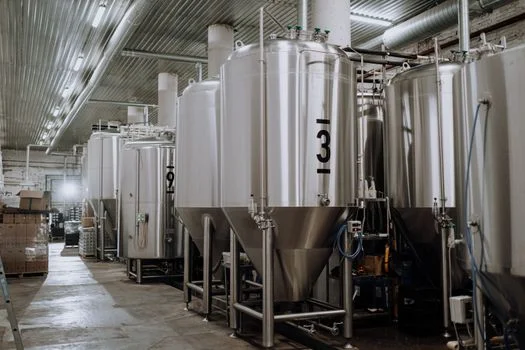
The selection of treatment technology is the single most influential factor in determining the initial investment, with Membrane Bioreactor (MBR) systems requiring the highest upfront capital due to specialized membrane modules and sophisticated automation. For a 500 m³/day plant, MBR systems in Bergen currently range from NOK 18M to NOK 25M. Approximately 60% of this cost is tied directly to the membranes (NOK 8M–12M), while automation via PLC/SCADA systems accounts for another 20%. Despite the cost, MBR systems for Bergen’s space-constrained industrial sites are often the only viable option when land availability is limited.
Activated sludge plants remain the baseline for many industrial applications, starting at NOK 12M for a 500 m³/day capacity. However, the requirement for secondary clarifiers increases the physical footprint by 40–50% compared to MBR. In Bergen’s dense industrial zones, where land prices are high and the terrain is often rocky, the civil works required for these larger footprints can add 10–15% to the total project cost. For industries dealing with high levels of fats, oils, and grease (FOG), DAF systems for high-FOG wastewater in Bergen’s food processing plants offer a CAPEX reduction of roughly 20% compared to biological systems, though they require additional pH adjustment skids costing between NOK 500K and NOK 800K.
| Cost Component | Activated Sludge (NOK) | MBR System (NOK) | DAF System (NOK) |
|---|---|---|---|
| Civil Works (Bergen Terrain) | 4.5M - 6.0M | 3.5M - 5.0M | 3.0M - 4.5M |
| Core Equipment/Membranes | 5.0M - 7.0M | 11.0M - 15.0M | 4.0M - 6.0M |
| Automation & Controls | 1.0M - 1.5M | 2.5M - 3.5M | 1.0M - 1.5M |
| Compliance (UV/Tertiary) | 1.5M - 2.5M | Included (Filter) | 1.0M - 2.0M |
| Total Estimated CAPEX | 12M - 17M | 18M - 25M | 9M - 14M |
Civil engineering in Bergen is uniquely expensive due to the prevalence of hard rock and high water tables, which can inflate excavation costs by 20–30% relative to Oslo. To mitigate these expenses, many procurement managers are turning toward modular solutions. For example, prefabricated containerized WWTPs for Bergen’s small-scale industrial sites can reduce civil work requirements by up to 15%, as they require simplified foundation slabs rather than deep-poured concrete tanks.
OPEX Benchmarks: Where Your Annual Costs Will Go (And How to Reduce Them)
Energy consumption represents 30–40% of the total annual operating expenditure for Bergen-based industrial WWTPs, with local electricity prices averaging NOK 0.80/kWh. MBR systems are the most energy-intensive, consuming between 0.8 and 1.2 kWh/m³ to maintain membrane scouring and permeate suction. In contrast, activated sludge systems are more efficient at 0.4–0.6 kWh/m³, resulting in an annual energy bill of NOK 600K–800K for a 500 m³/day facility. This energy delta is a critical consideration for long-term budget planning, especially as Norway transitions toward more volatile energy pricing models.
Sludge management is the second-largest OPEX line item, often reaching 30% of the total budget. Given the NOK 800–1,200/ton disposal fee in Bergen, reducing sludge volume is paramount. Implementing a high-efficiency filter press can dewater sludge to 25–30% dry solids, significantly lowering hauling frequency. DAF systems are particularly effective here, as they can reduce sludge volume by up to 40% compared to conventional clarifiers, potentially saving a facility NOK 200K–400K annually in disposal fees alone.
| Annual OPEX Item | Activated Sludge (NOK/yr) | MBR System (NOK/yr) | DAF System (NOK/yr) |
|---|---|---|---|
| Energy (NOK 0.80/kWh) | 600K - 800K | 1.2M - 1.6M | 400K - 600K |
| Chemicals (Polymers/pH) | 200K - 400K | 150K - 300K | 500K - 800K |
| Sludge Disposal (Rådalen) | 500K - 800K | 400K - 700K | 300K - 500K |
| Labor & Maintenance | 500K - 700K | 600K - 900K | 400K - 600K |
| Total Estimated OPEX | 1.8M - 2.7M | 2.35M - 3.5M | 1.6M - 2.5M |
Chemical costs, including coagulants and flocculants, typically average NOK 300K–500K per year. These costs can be optimized through precision engineering; for instance, automated chemical dosing skids utilize real-time sensors to adjust flow, cutting chemical waste by 15–20%. Labor costs in Norway are high, but fully automated systems with remote monitoring capabilities can limit onsite staffing requirements to part-time oversight, saving approximately NOK 200K per year compared to manually operated legacy systems.
MBR vs. Activated Sludge vs. DAF: Which System Fits Your Bergen Facility?
The choice between MBR, Activated Sludge, and DAF depends on the specific effluent quality required by the Vestland County Governor (Statsforvalteren) and the physical constraints of the site. MBR systems are the gold standard for high-quality effluent, consistently producing water with <10 mg/L BOD5 and <5 mg/L TSS. This performance level often allows for direct discharge into Bergen’s fjords without additional tertiary treatment. However, the "hidden" cost of MBR is the membrane replacement cycle, which occurs every 5–7 years and can cost between NOK 2M and NOK 4M depending on the unit count.
Activated sludge remains a reliable, low-CAPEX option for facilities with ample space. While the initial investment is lower (NOK 12M–15M), the system's sensitivity to variable hydraulic loads—a common issue in rainy Bergen—requires robust equalization tanks. If the facility is located near residential areas, odor control and secondary clarifier maintenance become significant factors. For those looking for simpler solids separation, cost-effective alternatives to DAF systems for Bergen’s industrial wastewater, such as inclined plate settlers, may be considered for pre-treatment to reduce the load on biological stages.
| Feature | MBR System | Activated Sludge | DAF System |
|---|---|---|---|
| Effluent Quality | Excellent (Ultrafiltration) | Good (Secondary) | Moderate (Pre-treatment) |
| Footprint | Minimal (60% smaller) | Large (Requires Clarifiers) | Compact |
| Compliance Ease | Very High | Moderate (Needs UV) | Low (Needs Bio Stage) |
| Maintenance Complexity | High (Membrane Cleaning) | Moderate | Moderate (Skimmer Ops) |
| Bergen Suitability | Best for limited space | Best for large rural sites | Best for Food/FOG industries |
For food processing or pulp and paper industries in Bergen, DAF systems are essential for removing high concentrations of suspended solids and grease before biological treatment. While a DAF unit itself is less expensive than an MBR, it is rarely a standalone solution for meeting EU discharge limits. Most Bergen facilities utilize DAF as a primary stage followed by a biological process to ensure the final effluent meets the <125 mg/L COD threshold required by the Urban Waste Water Directive.
Compliance Costs: Meeting Norway’s Strict Wastewater Discharge Limits
Norway’s adoption of EU Directive 91/271/EEC means that any industrial facility discharging into "sensitive areas"—which includes most of the coastal waters around Bergen—must implement nutrient removal and disinfection. Meeting these limits adds a mandatory "compliance premium" of 15–25% to the CAPEX of any basic treatment plant. For instance, while an activated sludge plant may treat organic matter effectively, it often requires a chlorine dioxide generator or UV system to meet microbial discharge limits, adding NOK 1.5M–2.5M to the project budget.
Nutrient removal, specifically for nitrogen and phosphorus, is a major cost driver in the Bergen region. Reaching nitrogen levels below 10 mg/L requires specialized anoxic zones and internal recycle pumps, which increase both tank volume and energy consumption. For phosphorus, chemical precipitation using iron or aluminum salts is standard, requiring dedicated storage and dosing systems. These compliance stages are not optional; Bergen Kommune and the Norwegian Environment Agency (Miljødirektoratet) conduct regular audits, and non-compliance can result in daily fines exceeding NOK 50,000.
| Compliance Upgrade | Technology Required | Estimated CAPEX (NOK) | Impact on OPEX |
|---|---|---|---|
| Disinfection | UV or Ozone | 1.5M - 3.5M | +10% Energy |
| Nutrient Removal | Anoxic Tanks/Dosing | 2.0M - 4.0M | +15% Chemicals |
| Sludge Dewatering | Filter Press/Centrifuge | 1.2M - 2.5M | -20% Disposal Cost |
| Advanced Oxidation | Fenton/Ozone | 3.0M - 5.0M | +25% Chemicals |
The permitting process in Bergen involves navigating both local municipal requirements and national environmental standards. Turnkey suppliers often include permit assistance in their package, but the cost is reflected in their higher margins. To optimize your investment, it is helpful to understand how Frankfurt’s WWTP costs compare to Bergen’s, as German industrial standards often mirror the EU requirements Norway follows, providing a useful benchmark for equipment pricing and technology efficiency.
Local Suppliers vs. Custom Engineering: How to Get the Best Price in Bergen
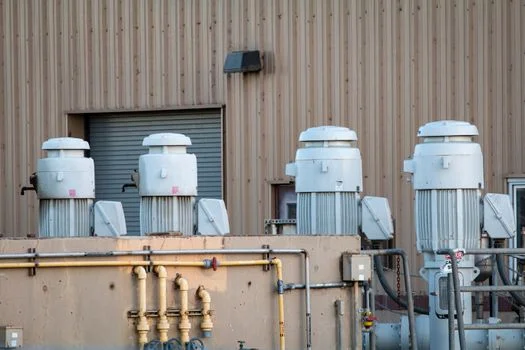
In the Bergen market, turnkey suppliers like Krüger Kaldnes and Veolia provide a "one-stop-shop" experience, which is highly valued for its lower risk and faster project delivery (typically 6–12 months). However, this convenience comes with a 10–15% price premium on CAPEX. For procurement managers overseeing high-flow applications (>1,000 m³/day) or specialized industrial waste streams, custom engineering can yield significant savings by rightsizing equipment and avoiding the "over-engineering" often found in standardized turnkey packages.
Custom engineering allows for the integration of specialized components, such as a heavy-duty filter press, which might be more efficient than the generic dewatering units included in standard kits. for smaller industrial sites (under 200 m³/day), prefabricated containerized WWTPs for Bergen’s small-scale industrial sites offer a middle ground: they provide the speed of a turnkey system with the cost profile of a mass-produced industrial product, often cutting installation time by 50%.
| Factor | Turnkey Suppliers | Custom Engineering |
|---|---|---|
| CAPEX | Higher (10-15% premium) | Lower (Optimized) |
| Lead Time | 6 - 12 Months | 12 - 18 Months |
| Flexibility | Low (Fixed Designs) | High (Tailored) |
| Compliance Support | Comprehensive | Client-Managed |
| Best For | Rapid Deployment | Complex/High-Flow Sites |
While local suppliers offer the advantage of nearby maintenance contracts (typically NOK 200K–400K/year), they may lack deep expertise in niche industries like semiconductor manufacturing or heavy metal finishing. In these cases, partnering with a custom engineering firm that specializes in specific pollutants can prevent costly retrofits later. Ultimately, the best price in Bergen is achieved by combining high-quality imported equipment with local civil engineering firms who understand the specific geological challenges of the Vestland region.
Frequently Asked Questions
Q: How much does a 1,000 m³/day wastewater treatment plant cost in Bergen?
A: For 2025, expect a CAPEX of NOK 25M–40M. MBR systems trend toward the higher end (NOK 35M+), while activated sludge starts at NOK 25M. These figures include the 15–25% "compliance premium" for EU-standard tertiary treatment.
Q: What’s the cheapest wastewater treatment technology for a Bergen factory?
A: Activated sludge is the lowest-CAPEX option at NOK 12M–15M for a 500 m³/day plant. However, if space is limited or discharge limits are very strict, the added costs of land and tertiary UV disinfection may make it less economical than an MBR over a 10-year lifecycle.
Q: How much does sludge disposal cost in Bergen?
A: Current rates at the Rådalen incineration facility range from NOK 800 to NOK 1,200 per ton. Utilizing advanced dewatering equipment like a filter press or DAF system is essential to minimize these annual OPEX costs.
Q: Can I avoid municipal sewer fees with an onsite WWTP in Bergen?
A: Yes. By obtaining a direct discharge permit from Bergen Kommune and meeting EU Urban Waste Water Directive limits, onsite systems typically reduce total wastewater-related costs by 30–50% for high-flow applications compared to municipal sewer tariffs.
Q: What’s the lead time for a wastewater treatment plant in Bergen?
A: Turnkey systems from local suppliers typically take 6–12 months. Custom-engineered solutions require 12–18 months due to the detailed design and permitting phases. Prefabricated containerized systems offer the fastest route, with installation possible in 3–6 months.