Izmir Wastewater Treatment Plant Cost 2026: CAPEX, OPEX & Tech-Specific Breakdown for Industrial Buyers
In Izmir, wastewater treatment plant costs vary widely based on scale, technology, and project scope. For municipal plants, CAPEX ranges from TRY 5M (small-scale conventional systems) to TRY 500M (large-scale MBR plants), with OPEX averaging TRY 0.8–2.5 per m³ treated. Industrial projects, such as textile or food processing facilities, typically require TRY 2M–50M in CAPEX and TRY 1.2–3.5/m³ in OPEX, depending on effluent quality requirements. Local factors like land availability, energy costs (TRY 1.2/kWh in 2026), and regulatory compliance (e.g., Izmir Water and Sewerage Administration’s discharge limits) further influence costs. This guide provides a tech-specific breakdown to help buyers budget accurately.Why Wastewater Treatment Plant Costs in Izmir Are Rising in 2026
Wastewater treatment plant costs in Izmir are experiencing upward pressure in 2026 due to several converging factors. Regulatory pressure from the Izmir Water and Sewerage Administration (İZSU) is a primary driver, with stricter discharge limits for parameters like Chemical Oxygen Demand (COD), Biological Oxygen Demand (BOD), and Total Suspended Solids (TSS) now in effect. For municipal plants, COD limits are typically set below 125 mg/L, while industrial facilities face even tighter regulations, often requiring COD below 80 mg/L. Meeting these enhanced requirements necessitates more advanced treatment technologies, which can increase CAPEX by 20–40% compared to older, less stringent systems. Energy costs also play a significant role in the rising operational expenses. Turkey’s 2026 electricity tariffs, particularly for industrial users at approximately TRY 1.2/kWh, make energy consumption a critical factor in overall OPEX. This scenario makes energy-efficient systems, such as advanced MBR or anaerobic digestion technologies, more economically viable in the long run, despite their higher upfront capital investment. Land scarcity in Izmir’s rapidly urbanizing areas drives demand for compact wastewater treatment plant design. The city’s high urban density limits available space, pushing buyers towards solutions like underground WSZ series or MBR systems that require significantly smaller footprints. These compact systems, while space-saving, typically come with a 30–50% higher CAPEX than conventional plants due to specialized civil works and equipment. general inflation in Turkey, projected at 45% year-over-year in 2026, directly impacts both labor and material costs. Construction materials like steel and concrete have seen price increases of 20–30% since 2024, directly affecting the civil works component of wastewater treatment plant construction. This inflationary trend translates into higher overall project costs. For example, a textile factory in Menderes that commissioned a DAF + biological treatment system in 2025 paid TRY 8M, an increase from a similar project costing TRY 5M in 2023, largely due to these regulatory upgrades and cost escalations.CAPEX Breakdown: How Technology and Scale Impact Wastewater Treatment Plant Costs in Izmir
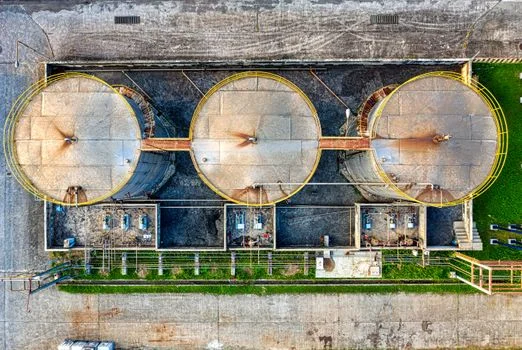
MBR systems for compact, high-efficiency wastewater treatment in Izmir offer superior effluent quality and a smaller footprint but come with a higher CAPEX. For capacities from 50 to 1,000 m³/day, MBR system CAPEX ranges from TRY 3M to TRY 25M. Membrane modules themselves are a significant cost driver, contributing 30–40% of the total, with PVDF membranes costing approximately TRY 800–1,200/m² in 2026.
DAF systems for industrial wastewater pretreatment in Izmir are often used as a primary treatment step for high-solids or oil-and-grease laden industrial effluents. Their CAPEX ranges from TRY 500K to TRY 5M for flow rates of 4–300 m³/h. Skid-mounted DAF units can reduce installation costs by approximately 20% compared to custom-built systems, offering a more economical solution for rapid deployment.
For space-constrained sites, underground WSZ series for space-constrained sites in Izmir provide a discreet and compact solution. These integrated package plants have a CAPEX of TRY 2M–15M for flow rates of 1–80 m³/h. Landscaping and specialized civil works for underground installation can add 25–35% to the total cost, as per HydropureWater 2025 specifications.
When considering project delivery, turnkey solutions from local providers often reduce CAPEX by 15–25% due to streamlined procurement and integrated project management, though they may offer less customization. Conversely, modular systems allow for phased investment and greater flexibility but can increase total project costs by 10–20% due to additional engineering and installation efforts over time. Industrial projects, such as those for food processing or textile facilities, typically require additional pretreatment steps like DAF or chemical dosing, increasing their CAPEX by 20–30% compared to municipal plants of similar scale that primarily handle domestic sewage.| Technology Type | Typical Capacity (m³/day) | Estimated CAPEX Range (TRY) | Key Cost Drivers |
|---|---|---|---|
| Conventional Activated Sludge | 50 – 1,000 | 1.5M – 10M | Civil works (40-50%), aeration equipment |
| MBR System | 50 – 1,000 | 3M – 25M | Membrane modules (30-40%), specialized controls |
| DAF System (Pretreatment) | 100 – 7,200 (4-300 m³/h) | 500K – 5M | Skid-mounted unit, air compressor, pumps |
| Underground WSZ Series | 1 – 80 (m³/h) | 2M – 15M | Civil works for underground installation (25-35%), landscaping |
OPEX Deep Dive: Energy, Chemicals, and Labor Costs for Izmir Wastewater Treatment Plants
Operational expenditure (OPEX) is a critical long-term consideration for Izmir wastewater treatment plants, with energy, chemical consumption, and labor being the primary cost components. Energy costs are substantial, as conventional activated sludge systems typically consume 0.2–0.4 kWh/m³ of treated wastewater, while MBR systems, due to their higher aeration and pumping requirements for membrane maintenance, consume 0.5–0.8 kWh/m³, as per WABAG 2025 benchmarks. At Turkey’s 2026 industrial electricity tariff of TRY 1.2/kWh, energy can account for 30–50% of the total OPEX, making energy efficiency a crucial factor in system design. Chemical costs contribute significantly, especially for industrial wastewater treatment Izmir, which often requires specific pretreatment or advanced nutrient removal. Coagulants like Polyaluminium Chloride (PAC) cost approximately TRY 15–25/kg, with dosing rates ranging from 50–200 mg/L for industrial applications, according to EGESIS 2025 data. Flocculants, such as polyacrylamide, can add an additional TRY 0.1–0.3/m³ to the operating expenses. Automated chemical dosing to reduce OPEX in Izmir WWTPs can optimize consumption and reduce costs. Labor costs are influenced by the degree of automation. Fully automated systems, like the underground WSZ series, can operate with as few as one operator per shift, bringing annual labor costs down to TRY 50K–100K. In contrast, more manually intensive conventional systems may require annual labor costs of TRY 200K–400K, necessitating a larger team for monitoring, maintenance, and manual operations. Membrane replacement is a significant periodic expense for MBR systems. PVDF membranes typically have a lifespan of 5–8 years, and the cost of replacement for a 500 m³/day plant can range from TRY 1M–3M, as detailed in HydropureWater 2025 specifications. This long-term cost needs to be factored into the overall financial planning for MBR installations. Sludge disposal costs are another notable component of OPEX. Dewatered sludge, typically at 20–25% solids content, costs TRY 200–400/ton for landfill disposal in Izmir. Utilizing sludge dewatering solutions to minimize disposal costs in Izmir, such as plate and frame filter press systems, can reduce the volume of sludge by 30–40% compared to centrifuges, leading to substantial savings in transportation and landfill fees. Annual maintenance costs generally range from 2–5% of the initial CAPEX for conventional systems, but MBR systems may incur higher maintenance costs, typically 5–10% of CAPEX, primarily due to regular membrane cleaning and eventual replacement.| OPEX Component | Conventional System (TRY/m³) | MBR System (TRY/m³) | DAF System (Pretreatment) (TRY/m³) | Notes |
|---|---|---|---|---|
| Energy | 0.24 – 0.48 | 0.60 – 0.96 | 0.05 – 0.15 | Based on 0.2-0.4 kWh/m³ (Conv), 0.5-0.8 kWh/m³ (MBR), 0.04-0.12 kWh/m³ (DAF) at TRY 1.2/kWh |
| Chemicals | 0.10 – 0.30 | 0.15 – 0.40 | 0.20 – 0.50 | Coagulants, flocculants; higher for industrial DAF |
| Labor | 0.20 – 0.40 | 0.10 – 0.25 | 0.05 – 0.15 | Automated systems reduce labor needs |
| Sludge Disposal | 0.20 – 0.40 | 0.15 – 0.30 | 0.10 – 0.20 | MBR produces less sludge, DAF produces high-solids sludge |
| Maintenance (Excl. Membranes) | 0.05 – 0.15 | 0.10 – 0.25 | 0.03 – 0.10 | Annual percentage of CAPEX |
| Membrane Replacement | N/A | 0.10 – 0.20 | N/A | Amortized over 5-8 years |
| Total OPEX (Estimate) | 0.79 – 1.73 | 1.20 – 2.36 | 0.43 – 1.30 | Excluding large, infrequent replacements |
Technology Comparison: MBR vs. Conventional vs. DAF for Izmir Wastewater Treatment
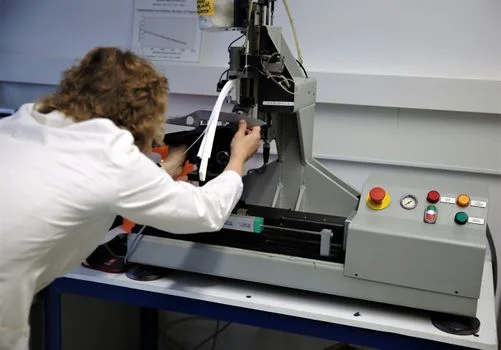
DAF systems are primarily employed for industrial pretreatment, excelling at removing suspended solids (TSS removal of 92–97%) and fats, oils, and grease (FOG removal of 95–99%), as benchmarked by EGESIS 2025. Their CAPEX ranges from TRY 500K–5M for flow rates of 4–300 m³/h, making them a cost-effective solution for specific industrial influent challenges before biological treatment.
Matching the technology to the use-case is crucial: MBR systems are ideal for facilities requiring high-quality effluent, such as those discharging into sensitive water bodies or for water reuse. Conventional systems are a robust and more economical choice for municipal plants with ample space and less stringent discharge requirements. DAF systems are indispensable for industrial facilities, particularly in sectors like food processing and textiles, where significant pretreatment is needed to protect downstream biological processes.| Feature | MBR System | Conventional Activated Sludge | DAF System (Pretreatment) |
|---|---|---|---|
| Effluent Quality (COD) | <50 mg/L (high) | <125 mg/L (moderate) | Primarily TSS/FOG removal, >50% COD reduction (pretreatment) |
| Effluent Quality (TSS) | <5 mg/L (high) | <30 mg/L (moderate) | 92-97% removal (pretreatment) |
| Footprint | Compact (60% less space) | Large | Moderate (skid-mounted options) |
| Energy Use (kWh/m³) | 0.5 – 0.8 | 0.2 – 0.4 | 0.04 – 0.12 |
| CAPEX (500 m³/day) | TRY 10M – 20M | TRY 5M – 10M | TRY 1M – 3M (for comparable flow) |
| OPEX (TRY/m³) | 1.20 – 2.36 | 0.79 – 1.73 | 0.43 – 1.30 (as pretreatment) |
| Best Use Case | High-quality effluent, limited space, water reuse | Municipal, ample space, standard discharge | Industrial pretreatment (high TSS, FOG) |
How to Select the Right Wastewater Treatment Plant for Your Izmir Project: A Decision Framework
Selecting the optimal wastewater treatment plant for an Izmir project requires a systematic approach that balances regulatory compliance, site constraints, and financial considerations. The first step involves defining effluent quality requirements by checking Izmir’s specific discharge limits. For municipal plants, this might mean achieving COD below 125 mg/L, while industrial facilities, depending on their sector, often face stricter limits, such as COD below 80 mg/L. Matching these requirements to technology capabilities is crucial; for instance, MBR systems are necessary for achieving COD below 50 mg/L. Next, assess footprint constraints for the proposed site. For urban or industrial sites in Izmir with limited land availability, prioritizing compact systems like MBR or the underground WSZ series for space-constrained sites in Izmir is essential. In contrast, conventional systems may be a more cost-effective option for rural sites with ample space. The third step is to evaluate the CAPEX vs. OPEX trade-offs. MBR systems, while having a higher initial CAPEX, often result in lower sludge disposal costs due to higher sludge concentration and potentially lower chemical usage for tertiary treatment. Conventional systems offer lower CAPEX but typically incur higher ongoing OPEX, particularly in energy consumption and labor. Industrial buyers must consider the long-term operational costs when making their budgeting decisions. Fourth, consider the availability of local expertise and support. Engaging turnkey providers, such as those with a strong presence in Izmir like EGESIS, can offer faster commissioning, integrated project management, and readily available local support, thereby reducing project risk and potential delays. Finally, plan for scalability. Modular systems, such as a DAF followed by a biological treatment stage, allow for phased expansion as production or population demand grows, providing flexibility for future needs. Decision Tree for Izmir WWTP Selection:- If Effluent COD <50 mg/L required (e.g., for reuse or sensitive discharge) → MBR System.
- If Space is Limited (urban site, small industrial plot) → MBR System or Underground WSZ Series.
- If Industrial Pretreatment is the primary need (high TSS, FOG, specific contaminants) → DAF System.
- If Ample Space and Moderate Effluent Quality Required (typical municipal) → Conventional Activated Sludge System.
- If Budget Favors Lower CAPEX (and OPEX can be managed) → Conventional Activated Sludge System.
- If Long-term OPEX Optimization is Key (despite higher CAPEX) → MBR System (due to lower sludge, potential for automation).
Case Study: Cost Breakdown of a 500 m³/day Textile Wastewater Treatment Plant in Izmir
| Cost Category | Breakdown (TRY) | Percentage of Total |
|---|---|---|
| CAPEX (Total: TRY 8.5M) | ||
| DAF System | 2,500,000 | 29.4% |
| Biological Treatment (Activated Sludge) | 3,000,000 | 35.3% |
| Civil Works | 1,500,000 | 17.6% |
| Piping & Electrical | 1,000,000 | 11.8% |
| Contingency | 500,000 | 5.9% |
| OPEX (Total: TRY 1.8/m³) | ||
| Energy (0.3 kWh/m³ @ TRY 1.2/kWh) | 0.60/m³ | 33.3% |
| Chemicals (PAC, Polyacrylamide) | 0.40/m³ | 22.2% |
| Labor | 0.30/m³ | 16.7% |
| Sludge Disposal | 0.20/m³ | 11.1% |
| Maintenance | 0.30/m³ | 16.7% |
Frequently Asked Questions
Wastewater treatment plant investments in Izmir often come with a range of common questions from industrial buyers and municipal planners. Here are some of the most frequent queries:What are the discharge limits for wastewater treatment plants in Izmir?
Izmir Water and Sewerage Administration (İZSU) regulations for 2026 stipulate specific discharge limits that vary between municipal and industrial plants. For municipal wastewater, typical limits are COD <125 mg/L, BOD <30 mg/L, and TSS <30 mg/L. Industrial wastewater treatment Izmir often faces stricter limits, such as COD <80 mg/L, BOD <20 mg/L, and TSS <20 mg/L, with additional limits for specific pollutants like heavy metals or nutrients depending on the industry type and receiving water body. Compliance with these limits is non-negotiable to avoid significant fines.
How much does a 1,000 m³/day wastewater treatment plant cost in Izmir?
The cost for a 1,000 m³/day wastewater treatment plant in Izmir varies considerably by technology. For an MBR system, the CAPEX typically ranges from TRY 20M–30M due to advanced membrane technology and compact design. A conventional activated sludge system for the same capacity would range from TRY 10M–15M. If a DAF + biological treatment system is chosen, especially for industrial applications requiring robust pretreatment, the cost could be between TRY 12M–18M. These figures include equipment, civil works, installation, and commissioning.
What is the payback period for an industrial wastewater treatment plant in Izmir?
The payback period for an industrial wastewater treatment plant in Izmir depends on several factors, including the initial investment, potential savings from reduced fines, and opportunities for water reuse. For instance, a textile factory investing TRY 8M in a new system could save approximately TRY 1.5M/year in regulatory fines and water purchase costs through reuse. In such a scenario, the payback period could be as short as 5–6 years. Projects with significant water reuse potential or high-value byproduct recovery can see even shorter payback times. For more insights on ROI, consider this resource on cost and compliance insights for industrial wastewater treatment in similar regulatory environments.
Are there government incentives for wastewater treatment plants in Izmir?
Yes, Turkey offers various government incentives for environmental investments, including wastewater treatment plants, especially those meeting EU standards. The Environmental Investment Incentive Program provides benefits such as VAT exemptions, customs duty exemptions, and low-interest loans from state banks (e.g., Halkbank, Vakıfbank) or international financial institutions (e.g., EBRD, World Bank). These incentives aim to encourage sustainable practices and help offset initial investment costs, making projects more financially attractive for both municipal and industrial entities.
How long does it take to build a wastewater treatment plant in Izmir?
The construction timeline for a wastewater treatment plant in Izmir varies based on scale and complexity. Turnkey projects, where a single contractor manages the entire process from design to commissioning, typically take 6–12 months. Modular or phased construction, which allows for greater customization and expansion, may extend to 12–18 months. These timelines also account for permitting delays, which can add 3–6 months in Izmir due to administrative processes with local authorities like İZSU and the Ministry of Environment, Urbanisation and Climate Change.