Gaziantep’s industrial zones face strict wastewater discharge limits (COD ≤ 120 mg/L, TSS ≤ 30 mg/L per Turkish Water Pollution Control Regulation 2024), making supplier selection critical. This guide shortlists 5 pre-vetted sewage treatment equipment suppliers in Gaziantep, compares MBR, DAF, and integrated systems with 2026 engineering specs, and provides a zero-risk procurement framework—including CAPEX ranges (TRY 500K–5M) and compliance guarantees to avoid fines up to TRY 1.2M per violation.
Why Gaziantep Needs Industrial-Grade Sewage Treatment Equipment in 2026
Gaziantep's water stress index of 0.78 (WRI 2023) ranks it among Turkey’s top five most water-scarce provinces, creating an urgent demand for advanced wastewater treatment and reuse solutions. This scarcity directly impacts industrial operations, pushing businesses to consider effluent reuse as a strategic imperative rather than just a compliance measure. The province's industrial output grew by 12% year-over-year (Gaziantep Chamber of Industry 2024), resulting in an 8% increase in industrial sewage volume that frequently exceeds existing municipal treatment capacities. This surge in industrial wastewater treatment Gaziantep facilities must manage places immense pressure on local infrastructure and manufacturers alike.
Compounding the environmental and capacity issues, the Turkish Water Pollution Control Regulation (2024) imposes stringent Turkish wastewater discharge limits 2026, with fines for non-compliance reaching up to TRY 1.2M per violation. Data from the Ministry of Environment (2023) revealed that 68% of Gaziantep’s textile plants failed their annual wastewater discharge audits, highlighting a pervasive compliance challenge across the region's industrial sector. Such regulatory pressure necessitates robust and reliable sewage treatment equipment supplier in Gaziantep.
For example, a Gaziantep food processor faced persistent fines due to high Chemical Oxygen Demand (COD) in its effluent. After investing in an MBR system tailored to its specific wastewater profile, the facility achieved over 95% COD removal, subsequently reducing its annual fines by 95%. This case demonstrates that proactive investment in appropriate industrial wastewater treatment Gaziantep technologies not only ensures compliance but also offers significant long-term financial benefits by avoiding penalties and enabling potential water reuse, thereby mitigating operational risks in a water-stressed region.
Top 5 Sewage Treatment Equipment Suppliers in Gaziantep: 2026 Specs & Compliance Data
Identifying reputable sewage treatment equipment suppliers in Gaziantep requires evaluating their technical capabilities, local support infrastructure, and adherence to international and national standards. Procurement managers need a clear, verifiable shortlist to mitigate risk and ensure long-term operational reliability. The following pre-vetted suppliers offer diverse solutions for industrial and municipal sewage treatment projects in Gaziantep, with specifications anchored in 2026 engineering requirements and local compliance.
| Supplier | Primary Equipment Type | Key Specifications (2026) | Certifications / Support | Estimated CAPEX Range (TRY) |
|---|---|---|---|---|
| Local Vendor A | MBR Systems | Flow: 10–200 m³/day; Effluent COD ≤ 50 mg/L; TSS ≤ 10 mg/L | ISO 14001, 24/7 local service, 3+ Gaziantep references | 1.2M–3.5M |
| Local Vendor B | DAF Systems | Flow: 4–300 m³/h; FOG removal 92–97%; TSS removal >95% | CE marked, 10-year warranty on tanks, local spare parts | 500K–2M |
| International Vendor C | Integrated WSZ Series | Flow: 1–80 m³/h; Buried design; No operator required; Effluent COD ≤ 100 mg/L | EU Urban Waste Water Directive 91/271/EEC, remote monitoring | 800K–2.8M |
| Local Vendor D | Chlorine Dioxide Generators | Capacity: 50–20,000 g/h; 99.9% pathogen kill rate; Meets WHO standards | Turkish Ministry of Health approval, on-site training | 150K–1M |
| Local Vendor E | Plate Frame Filter Presses | Area: 1–500 m²; Sludge dewatering to 35% dry solids; Automatic operation | FDA-compliant (for food processing), local maintenance contracts | 200K–1.5M |
When evaluating these options, procurement teams should require a verification checklist for each sewage treatment equipment supplier in Gaziantep. This includes demanding proof of ISO 14001 certification, comprehensive local service contracts detailing response times and spare parts availability, and at least three verifiable Gaziantep client references. This due diligence is crucial for mitigating procurement risk, especially for critical infrastructure. Understanding how another water-scarce region evaluates suppliers can provide further insights.
For operations requiring compact, low-maintenance solutions, International Vendor C offers underground integrated sewage treatment plants for small-scale projects. For robust primary treatment of oily wastewater, Local Vendor B's DAF systems are designed for high FOG removal efficiency. Additionally, for post-treatment disinfection, Local Vendor D provides reliable on-site chlorine dioxide generators for tertiary disinfection, ensuring compliance with pathogen removal standards.
MBR vs. DAF vs. Integrated Systems: Which Sewage Treatment Technology Fits Your Gaziantep Project?
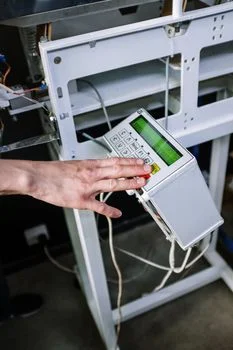
Selecting the optimal sewage treatment technology for a Gaziantep industrial or municipal project depends critically on influent characteristics, site constraints, and specific effluent quality targets. Each technology offers distinct advantages and trade-offs in terms of performance, footprint, and operational complexity, making a detailed MBR vs DAF comparison essential for informed decision-making.
| Technology | Primary Application / Benefit | Typical Footprint (2026) | Energy Use (2026) | Effluent Quality Target (COD/TSS) | Key Consideration for Gaziantep |
|---|---|---|---|---|---|
| MBR (Membrane Bioreactor) | High-quality effluent for reuse, space-constrained sites (e.g., urban food processors) | 0.5 m²/m³/day | 0.8–1.2 kWh/m³ | COD ≤ 50 mg/L, TSS ≤ 10 mg/L | Excellent for water reuse, higher CAPEX & membrane replacement costs |
| DAF (Dissolved Air Flotation) | Effective for high-FOG industrial wastewater (e.g., meatpacking, dairy, textile pre-treatment) | 0.8 m²/m³/day | 0.3–0.7 kWh/m³ | FOG removal 92–97%, TSS removal >95% | Lower CAPEX than MBR for equivalent flow, requires sludge management |
| Integrated Systems (e.g., WSZ Series) | Optimal for rural areas, temporary sites (e.g., construction camps), or aesthetic needs | 0.6-1.0 m²/m³/day (buried) | 0.5–1.0 kWh/m³ | COD ≤ 100 mg/L, TSS ≤ 30 mg/L | Minimal operator requirement, buried design allows landscaping, moderate effluent quality |
MBR Systems
MBR technology, available as an MBR system for near-reuse-quality effluent in space-constrained sites, is best suited for facilities with limited land availability, such as urban food processors, or those with ambitious effluent reuse goals. Its compact footprint, typically around 0.5 m²/m³/day, makes it highly advantageous. MBR systems are known for producing high-quality effluent, consistently achieving COD levels below 50 mg/L and TSS below 10 mg/L, making it ideal for meeting stringent Turkish wastewater discharge limits 2026 and allowing for potential reuse in non-potable applications like irrigation or process water. However, they generally have higher CAPEX and energy consumption, typically 0.8–1.2 kWh/m³, along with periodic membrane replacement costs.
DAF Systems
Dissolved Air Flotation (DAF) systems, such as a high-efficiency DAF system for FOG and suspended solids removal, are ideal for industrial wastewater streams characterized by high concentrations of Fats, Oils, and Grease (FOG), such as those from meatpacking, dairy, or certain textile operations. DAF systems boast impressive FOG removal efficiency, typically 92–97% (EPA 2024 benchmarks), and offer a CAPEX approximately 30% lower than MBR for equivalent flow rates. While DAF excels at primary treatment and FOG removal, it usually requires secondary biological treatment and potentially tertiary filtration to meet full discharge standards.
Integrated Systems (e.g., WSZ Series)
Integrated systems, like the underground integrated sewage treatment plant for small-scale projects, are optimal for rural areas, temporary sites like construction camps, or locations where minimal visual impact is desired due to their buried design, which allows for landscaping above. These systems are designed for ease of operation, often requiring no dedicated operator. They typically achieve effluent quality of COD ≤ 100 mg/L and TSS ≤ 30 mg/L, suitable for discharge into less sensitive receiving waters or for basic irrigation. While offering convenience and aesthetic benefits, their effluent quality might not meet the most stringent reuse standards without additional tertiary treatment. For insights into how food processors in similar regulatory environments select equipment, refer to our guide on Food Processing Wastewater Treatment in Vietnam.
Decision Tree for Gaziantep Projects:
- Use MBR if: Effluent reuse is a primary requirement, space is severely constrained, and high-quality discharge (COD ≤ 50 mg/L) is critical.
- Use DAF if: The influent has high FOG loads (e.g., ≥ 500 mg/L), and a cost-effective primary treatment solution is needed before further biological treatment.
- Use Integrated systems if: Low maintenance, aesthetic integration (buried design), and small-to-medium scale treatment with moderate effluent quality targets are priorities.
2026 Cost Breakdown for Sewage Treatment Equipment in Gaziantep: CAPEX, OPEX & Hidden Fees
The total cost of ownership for sewage treatment equipment in Gaziantep in 2026 extends beyond initial capital expenditure, encompassing significant operational costs and often-overlooked hidden fees. A comprehensive understanding of these financial components is critical for accurate budgeting and robust ROI calculations for any industrial or municipal project.
| Cost Category | Description | Estimated Range (TRY) | Key Drivers |
|---|---|---|---|
| CAPEX - MBR Systems | Initial purchase and installation of Membrane Bioreactor systems | 1.2M–3.5M | Flow rate, effluent quality, automation level, membrane type |
| CAPEX - DAF Systems | Initial purchase and installation of Dissolved Air Flotation systems | 500K–2M | Flow rate, FOG/TSS load, material (stainless steel vs. carbon steel) |
| CAPEX - Integrated Systems | Initial purchase and installation of compact, often buried, treatment units | 800K–2.8M | Flow rate, effluent quality, degree of automation, design (buried/above ground) |
| CAPEX - Disinfection Units | Initial purchase and installation of chlorine dioxide generators or UV systems | 150K–1M | Capacity, technology (chemical vs. UV), safety features |
| OPEX - Energy Consumption | Electricity costs for pumps, blowers, mixers, etc. | 0.5–1.5 kWh/m³ treated (avg. TRY 0.8-1.5/kWh) | Technology choice, flow rate, aeration intensity, local electricity tariffs |
| OPEX - Chemical Consumption | Coagulants, flocculants, pH adjusters, disinfectants | 5–15 TRY/m³ treated | Influent characteristics, effluent targets, chemical dosage rates, supplier contracts |
| OPEX - Membrane Replacement (MBR) | Cost of replacing MBR membranes | 200K–500K every 5–7 years | Membrane type, operating conditions, fouling rates, manufacturer |
| Hidden Costs - Permits & Fees | Environmental permits, discharge licenses, regulatory approval fees | 50K–200K | Project scale, complexity, provincial and municipal regulations |
| Hidden Costs - Sludge Disposal | Transportation and disposal of dewatered sludge | 300–800 TRY/ton | Sludge volume, dry solids content, distance to licensed landfill, hauler fees |
| Hidden Costs - Civil Works | Site preparation, foundation, piping, electrical infrastructure | 20–30% of equipment cost | Site conditions, local labor costs, design complexity |
Capital Expenditure (CAPEX) for sewage treatment equipment in Gaziantep varies significantly by technology. MBR systems typically range from TRY 1.2M–3.5M, DAF systems from TRY 500K–2M, integrated systems from TRY 800K–2.8M, and disinfection units from TRY 150K–1M. These figures reflect equipment only and do not include installation or ancillary costs.
Operational Expenditure (OPEX) is primarily driven by energy consumption, which averages 0.5–1.5 kWh/m³ treated, and chemical consumption, ranging from TRY 5–15/m³ depending on influent quality and treatment goals. For MBR systems, membrane replacement represents a significant periodic OPEX, typically costing TRY 200K–500K every 5–7 years. These costs contribute substantially to the overall sewage treatment CAPEX Turkey businesses incur.
Often overlooked are hidden costs such as environmental permits and discharge licenses (TRY 50K–200K), sludge disposal costs Gaziantep businesses face (TRY 300–800/ton, depending on volume and transport distance), and essential civil works, which can add 20–30% to the equipment cost. Factoring in these elements ensures a realistic budget. A Gaziantep textile plant, for instance, implemented an MBR system and, through reduced fines and water reuse, achieved annual savings of TRY 1.8M, demonstrating a compelling Return on Investment (ROI) when all costs and benefits are considered.
Zero-Risk Procurement Framework: 7 Steps to Avoid Costly Mistakes in Gaziantep
Implementing a structured procurement framework is essential for Gaziantep businesses to mitigate the significant financial and operational risks associated with acquiring industrial sewage treatment equipment. This systematic approach ensures technical suitability, regulatory compliance, and long-term operational reliability, protecting against costly mistakes and maximizing investment returns.
- Step 1: Define Influent Parameters with 30-Day Sampling. Accurately characterize your wastewater by conducting a minimum 30-day sampling and analysis program for critical parameters such as Chemical Oxygen Demand (COD), Total Suspended Solids (TSS), Fats, Oils, and Grease (FOG), pH, heavy metals, and specific pollutants. For example, textile wastewater in Gaziantep often averages COD 800–1,200 mg/L (per Ministry of Environment 2023 data), requiring robust primary and secondary treatment. Understanding these parameters is fundamental to selecting the correct technology.
- Step 2: Match Technology to Effluent Limits and Operational Goals. Based on your influent analysis and the Turkish Water Pollution Control Regulation 2024, select the technology that can consistently meet your discharge or reuse standards. For instance, MBR systems are suitable for achieving COD ≤ 50 mg/L for effluent reuse, while DAF systems are ideal for influent with FOG ≥ 500 mg/L requiring efficient physical separation.
- Step 3: Request Pilot Testing. Insist that potential sewage treatment equipment supplier in Gaziantep provide pilot-scale units (typically 1–2 m³/h) for on-site testing over 2–4 weeks. This step verifies performance with your actual wastewater, identifies potential operational challenges, and fine-tunes design parameters before full-scale investment.
- Step 4: Verify Local Support and Service Infrastructure. For industrial wastewater treatment Gaziantep facilities, responsive local support is paramount. Confirm that the supplier offers 24/7 technical service, has a readily available inventory of spare parts within Gaziantep or nearby, and can provide certified technicians for routine maintenance and emergency repairs.
- Step 5: Audit Certifications and Regulatory Approvals. Demand proof of relevant certifications such as ISO 14001 for environmental management, CE marking for European safety standards (if applicable), and explicit approval from the Turkish Ministry of Environment for the proposed equipment and discharge methods. This ensures compliance and quality assurance.
- Step 6: Negotiate Performance Guarantees and Warranties. Secure contractual performance guarantees, such as "95% uptime or penalties apply" or "effluent quality consistently meets X mg/L for COD/TSS." Clarify warranty terms for all major components and the overall system, including coverage for parts, labor, and response times.
- Step 7: Plan for Sludge Disposal. Sludge management is a critical, ongoing operational cost. Partner with licensed haulers for proper disposal of treated sludge. Factor in the sludge disposal costs Gaziantep rates, which typically range from TRY 300–800/ton, into your long-term OPEX budget. Ensure the chosen system can dewater sludge to minimize volume and associated disposal expenses.
Case Study: How a Gaziantep Food Processor Cut Costs by 40% with the Right Sewage Treatment Equipment
A Gaziantep halal meat processor faced significant operational challenges and financial penalties due to non-compliant wastewater discharge. The facility was incurring approximately TRY 900K per year in fines because its effluent consistently exceeded Turkish Water Pollution Control Regulation limits, with COD levels often reaching 1,200 mg/L and Total Suspended Solids (TSS) at 400 mg/L.
The problem stemmed from high concentrations of Fats, Oils, and Grease (FOG) and organic matter inherent in meat processing wastewater, which overwhelmed their existing, outdated primary treatment system. The high FOG content also led to frequent blockages and increased maintenance on downstream equipment.
After a thorough assessment and pilot testing phase, the processor opted for a two-stage solution. They installed a high-efficiency DAF system for FOG and suspended solids removal as their primary treatment stage, targeting the high FOG load. This was followed by a biological treatment unit and then a on-site chlorine dioxide generator for tertiary disinfection to ensure pathogen removal and final effluent quality. The total CAPEX for this integrated solution was approximately TRY 1.8M for the DAF system and TRY 300K for the chlorine dioxide generator.
Within six months of commissioning the new system, the results were transformative. Effluent COD levels were consistently reduced to 110 mg/L, and TSS to 25 mg/L, bringing the facility into full compliance with Turkish wastewater discharge limits 2026. The annual savings from avoided fines alone amounted to TRY 900K. the improved effluent quality allowed for partial water reuse in non-process applications, saving an additional TRY 300K annually in fresh water procurement. The total annual savings of TRY 1.2M resulted in an impressive Return on Investment (ROI) of just 18 months.
A key lesson learned from this project was the critical role of pilot testing. Initial influent characterization had underestimated the FOG levels, but the pilot phase revealed them to be 30% higher than expected. This insight allowed the engineers to adjust the DAF system's design and chemical dosing strategy before full-scale implementation, preventing potential operational issues and ensuring optimal FOG removal efficiency from the outset.
Frequently Asked Questions
Understanding common inquiries about sewage treatment equipment in Gaziantep is crucial for informed decision-making and efficient project planning.
What are the 2026 wastewater discharge limits in Gaziantep?
Per the Turkish Water Pollution Control Regulation (2024), the primary wastewater discharge limits for industrial and municipal effluents in Gaziantep are: Chemical Oxygen Demand (COD) ≤ 120 mg/L, Total Suspended Solids (TSS) ≤ 30 mg/L, and pH between 6 and 9. Specific industries may have additional or more stringent parameters.
How much does a sewage treatment plant cost in Gaziantep?
The Capital Expenditure (CAPEX) for a sewage treatment plant in Gaziantep varies significantly based on capacity, technology, and effluent quality targets. It generally ranges from TRY 500K for a small Dissolved Air Flotation (DAF) system to TRY 5M for a large MBR system with comprehensive tertiary treatment. Operational Expenditure (OPEX) typically averages TRY 5–15 per cubic meter of treated water, encompassing energy, chemicals, and maintenance.
Which sewage treatment technology is best for food processing?
For food processing wastewater, the best technology depends on the specific waste characteristics. A DAF system is highly effective for high-FOG (Fats, Oils, and Grease) loads, commonly found in meatpacking, dairy, and confectionery industries, due to its excellent FOG removal efficiency. For facilities aiming for effluent reuse (e.g., for irrigation or washdown water) and facing space constraints, an MBR system is often preferred for its ability to produce near-reuse-quality effluent. For more details on disinfection requirements for medical wastewater, which often shares similar pathogen concerns, refer to our guide on Hospital Wastewater Treatment in South Africa.
Do I need a permit for sewage treatment equipment in Gaziantep?
Yes, any industrial or municipal entity installing or operating sewage treatment equipment in Gaziantep requires an environmental permit and discharge license. The application must be submitted to the Gaziantep Provincial Directorate of Environment and Urbanization. The processing time for these permits can range from 3 to 6 months, so it is crucial to initiate the application process early in your project timeline.
How do I choose between local and international suppliers?
Local sewage treatment equipment supplier in Gaziantep often offer advantages such as faster service response times, easier access to spare parts, and a deeper understanding of local regulations and conditions, which is particularly critical for facilities in Gaziantep’s more remote industrial sites. However, they may sometimes lack the advanced technological offerings or specialized expertise of larger international vendors. International suppliers typically provide cutting-edge systems, advanced R&D, and global best practices, but may involve longer lead times for equipment delivery, potentially higher shipping costs, and require robust local representation or partnerships for effective post-installation support.