Rajasthan’s 2026 sewage treatment equipment market offers 7 RPCB-compliant suppliers, with CAPEX ranging from ₹15L (50 KLD SBR) to ₹5Cr (5 MLD MBR). MBR systems dominate for space-constrained sites, offering 99% pathogen removal and a 60% smaller footprint compared to SBRs. SBRs, however, offer a cost advantage at approximately ₹3.2L/KLD versus ₹4.8L/KLD for MBRs. All suppliers must adhere to RPCB’s stringent 2026 discharge limits: BOD <30 mg/L, COD <250 mg/L, and TSS <100 mg/L. This comprehensive guide compares engineering specifications, costs, and compliance data to empower procurement managers and plant engineers in making a zero-risk selection.
Why Rajasthan’s 2026 Sewage Treatment Market Demands Zero-Risk Suppliers
Rajasthan Pollution Control Board (RPCB) compliance deadlines for wastewater discharge are rapidly approaching in 2026, creating significant pressure on industrial and municipal sectors. Industrial clusters in Bhiwadi, Neemrana, and Jaipur, alongside municipal plants in Jodhpur and Udaipur, face stricter effluent quality standards. Non-compliance carries substantial financial penalties and operational disruptions; for instance, a textile unit in Pali incurred a ₹2Cr penalty in 2025 for consistently exceeding COD limits. The RPCB projects a demand for over 120 new sewage treatment plants (STPs) across Rajasthan by 2026, driven by rapid industrialization and urban expansion (RPCB report, 2025). This surge in demand necessitates a strategic, zero-risk approach to procurement.
Many procurement processes fall victim to common pitfalls that lead to long-term cost overruns and compliance failures. Underestimating operational expenditures (OPEX) is a frequent error, affecting up to 30% of buyers who focus solely on initial capital investment. Crucially, overlooked costs such as sludge disposal, which can range from ₹5K to ₹15K per ton in Rajasthan depending on its hazardous classification, significantly inflate the total cost of ownership. These factors underscore the urgent need for a detailed, data-driven methodology when selecting a sewage treatment plant CAPEX Rajasthan solution, ensuring both environmental responsibility and financial viability.
7 RPCB-Compliant Sewage Treatment Equipment Suppliers in Rajasthan: 2026 Specs Compared
Evaluating industrial wastewater treatment equipment suppliers in Rajasthan requires a detailed comparison of engineering specifications, compliance capabilities, and comprehensive cost structures. The market features several established suppliers offering RPCB-compliant solutions for capacities ranging from 50 KLD to 5 MLD. The following table provides a benchmark comparison across key metrics, enabling procurement managers to shortlist vendors effectively.
| Supplier | Capacity Range (KLD) | Primary Technology | Typical Effluent Quality (BOD/COD/TSS, mg/L) | RPCB Compliance Status (2026) | Avg. CAPEX (₹/KLD) | Avg. OPEX (₹/m³) | Lead Time (weeks) |
|---|---|---|---|---|---|---|---|
| Supplier A | 50 - 2000 | SBR, MBR | <20 / <150 / <50 | Yes (General Standards) | 3.2L - 4.5L | 0.8 - 1.2 | 10 - 16 |
| Supplier B | 100 - 5000 | MBR, DAF | <10 / <100 / <20 | Yes (High Standards) | 4.8L - 6.0L | 1.0 - 1.5 | 12 - 20 |
| Supplier C | 50 - 1000 | SBR, MBBR | <25 / <200 / <75 | Yes (General Standards) | 3.0L - 4.0L | 0.7 - 1.0 | 8 - 14 |
| Supplier D | 200 - 3000 | MBR, SBR | <15 / <120 / <30 | Yes (General & Specific) | 4.0L - 5.5L | 0.9 - 1.3 | 14 - 18 |
| Supplier E | 50 - 500 | SBR, Compact STP | <30 / <250 / <100 | Yes (General Standards) | 2.8L - 3.8L | 0.6 - 0.9 | 8 - 12 |
| Supplier F | 100 - 1500 | DAF, SBR | <20 / <180 / <40 | Yes (Industrial Focus) | 3.5L - 4.8L | 0.9 - 1.3 | 10 - 16 |
| Supplier G | 500 - 5000 | MBR, ZLD | <5 / <50 / <10 | Yes (Zero Liquid Discharge) | 5.5L - 7.0L | 1.2 - 1.8 | 16 - 24 |
The choice between MBR, SBR, and DAF technologies often hinges on specific site constraints and effluent requirements. MBR systems offer a significantly smaller footprint and superior effluent quality, making them ideal for space-constrained urban sites. SBRs provide a robust, cost-effective solution requiring more land. DAF systems excel in removing fats, oils, grease (FOG), and suspended solids, serving as a critical pretreatment for industries with high organic loads. When evaluating sewage treatment equipment suppliers in Rajasthan India, beware of red flags such as a lack of clear RPCB certification, failure to offer tertiary treatment options, or the absence of readily available local service centers, which can severely impact long-term operational reliability.
Engineering Specs Decoded: MBR vs SBR vs DAF for Rajasthan’s Wastewater
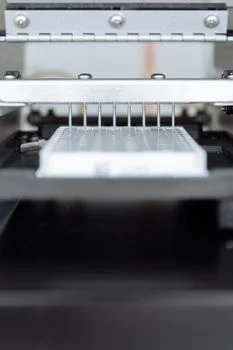
Selecting the appropriate wastewater treatment technology for a project in Rajasthan depends critically on influent characteristics, desired effluent quality, available land, and budget. Each technology—MBR, SBR, and DAF—offers distinct advantages tailored to specific operational demands.
- MBR Systems: MBR systems for Rajasthan’s space-constrained sites incorporate advanced PVDF membranes with a typical pore size of 0.1 μm, achieving greater than 99% pathogen removal. This results in effluent quality suitable for non-potable reuse and discharge into sensitive environments, often reaching BOD <10 mg/L. Their compact design leads to a 60% smaller footprint compared to conventional SBR systems, making them ideal for hospitals, hotels, and residential colonies where land is at a premium.
- SBR Systems: Sequential Batch Reactor (SBR) systems operate through a four-stage process: fill, react, settle, and decant, all within a single tank. While requiring a larger land area, SBRs typically offer a 30% lower CAPEX than MBR systems. They are particularly effective for treating industrial and municipal wastewater to meet general discharge standards, reliably achieving COD <250 mg/L and BOD <30 mg/L. SBRs are a preferred choice for industrial parks and larger residential complexes where land availability is less restrictive and cost-efficiency is a primary driver.
- DAF Systems: DAF systems for Rajasthan’s textile and food processing units utilize micro-bubble flotation, generating fine air bubbles (40–70 μm) to efficiently remove suspended solids, FOG, and certain dissolved contaminants. DAF units can achieve up to 95% removal of FOG and TSS, making them critical for pretreatment in industries like food processing, dairy, and textiles, which are RPCB priority sectors due to their high organic and solid loads. Integrating DAF upstream significantly reduces the load on subsequent biological treatment stages.
| Parameter | Typical Influent Quality (Raw Sewage) | MBR Effluent Quality | SBR Effluent Quality | DAF Effluent Quality (Pre-treatment) |
|---|---|---|---|---|
| BOD (mg/L) | 200 - 400 | <10 | <30 | 50 - 150 (post-DAF) |
| COD (mg/L) | 400 - 800 | <50 | <200 | 100 - 300 (post-DAF) |
| TSS (mg/L) | 200 - 400 | <5 | <50 | <20 |
| Pathogens (MPN/100mL) | >106 | <100 (Disinfected) | >104 (Needs disinfection) | Not primary removal |
2026 Cost Breakdown: CAPEX, OPEX, and ROI for Rajasthan STPs
Accurate budgeting for a sewage treatment plant in Rajasthan requires a comprehensive understanding of both Capital Expenditure (CAPEX) and Operational Expenditure (OPEX), along with potential Returns on Investment (ROI). These figures are based on 2026 benchmarks for the region, helping buyers avoid unexpected costs and supplier overcharging.
CAPEX by Capacity (2026 Benchmarks):
- 50 KLD Plant: SBR systems typically range from ₹15L to ₹25L, while MBR systems, offering higher performance and a smaller footprint, cost between ₹24L and ₹35L.
- 500 KLD Plant: For medium-scale projects, SBR CAPEX is approximately ₹1.2Cr to ₹1.8Cr. MBR systems for the same capacity range from ₹1.8Cr to ₹2.5Cr.
- 5 MLD Plant: Large-scale municipal or industrial projects requiring advanced treatment, often MBR with tertiary treatment, can incur CAPEX from ₹8Cr to ₹12Cr.
OPEX Breakdown (₹/m³):
Operational costs are crucial for long-term financial planning. A typical breakdown per cubic meter of treated water includes:
- Energy: ₹0.3 – ₹0.6/m³ (variable based on technology and plant efficiency).
- Chemicals: ₹0.2 – ₹0.4/m³ (for coagulation, flocculation, disinfection).
- Sludge Disposal: ₹0.1 – ₹0.3/m³ (highly variable based on sludge volume and hazardous classification).
ROI Calculation:
For industrial applications, treated wastewater reuse offers significant ROI. If industrial units in Rajasthan save ₹15/m³ by reusing treated water (compared to fresh water purchase), and the average OPEX is ₹8/m³, the net saving is ₹7/m³. This can result in a payback period of 3-5 years, making advanced tertiary treatment for industrial reuse in Rajasthan a financially attractive option.
Hidden Costs to Anticipate:
- RPCB Approval Fees: These can range from ₹50K to ₹2L, depending on plant capacity and complexity.
- Civil Works: Often overlooked, civil construction can account for 20–30% of the total CAPEX.
- Annual Maintenance Contracts (AMC): Budget 10–15% of the initial CAPEX for annual maintenance to ensure optimal performance and longevity.
| Plant Capacity | Technology | Estimated CAPEX (₹) | Estimated OPEX (₹/m³) | Typical Civil Works (% of CAPEX) |
|---|---|---|---|---|
| 50 KLD | SBR | 15L - 25L | 0.6 - 1.0 | 20 - 25% |
| 50 KLD | MBR | 24L - 35L | 0.8 - 1.2 | 15 - 20% |
| 500 KLD | SBR | 1.2Cr - 1.8Cr | 0.7 - 1.1 | 20 - 25% |
| 500 KLD | MBR | 1.8Cr - 2.5Cr | 1.0 - 1.4 | 15 - 20% |
| 5 MLD | MBR (with tertiary) | 8Cr - 12Cr | 1.2 - 1.8 | 15 - 20% |
Rajasthan Pollution Control Board (RPCB) Compliance: 2026 Discharge Limits and How to Meet Them
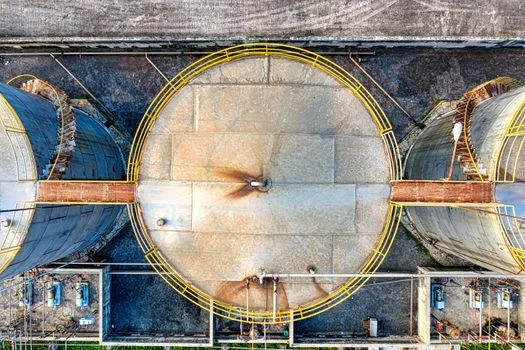
Adhering to the Rajasthan Pollution Control Board (RPCB) discharge limits for 2026 is non-negotiable for all sewage treatment plants in the state. These regulations, part of the General Standards for Discharge of Environmental Pollutants, mandate specific effluent quality parameters to protect Rajasthan's water resources. Understanding these limits and how different technologies achieve them is fundamental for compliance.
RPCB’s 2026 Discharge Limits:
- BOD (Biochemical Oxygen Demand): <30 mg/L for industrial wastewater, <20 mg/L for municipal sewage.
- COD (Chemical Oxygen Demand): <250 mg/L for industrial wastewater, <100 mg/L for municipal sewage.
- TSS (Total Suspended Solids): <100 mg/L for all sectors.
- Pathogens (Fecal Coliform): <1000 MPN/100mL for municipal discharge, typically achieved through disinfection processes such as RPCB-compliant disinfection for tertiary treatment.
Technology Compliance Matrix:
Each sewage treatment technology is better suited to meet specific RPCB discharge limits based on its inherent treatment capabilities.
| Parameter | RPCB 2026 Limit (Industrial) | RPCB 2026 Limit (Municipal) | MBR System Capability | SBR System Capability | DAF System Capability (Pre-treatment) |
|---|---|---|---|---|---|
| BOD | <30 mg/L | <20 mg/L | <10 mg/L (Excellent) | <30 mg/L (Good) | Reduces influent BOD by 30-60% |
| COD | <250 mg/L | <100 mg/L | <50 mg/L (Excellent) | <200 mg/L (Good) | Reduces influent COD by 40-70% |
| TSS | <100 mg/L | <100 mg/L | <5 mg/L (Excellent) | <50 mg/L (Good) | <20 mg/L (Excellent removal) |
| Pathogens | N/A | <1000 MPN/100mL | <100 MPN/100mL (with disinfection) | Requires disinfection post-treatment | Not primary removal |
Failure to meet these RPCB standards can lead to severe penalties, including fines ranging from ₹1L to ₹5Cr, and potential plant shutdowns, as evidenced by RPCB's 2025 enforcement data. Therefore, selecting a technology that inherently achieves or surpasses these limits, especially for critical parameters like BOD, COD, and TSS, is essential for operational continuity and environmental compliance.
Zero-Risk Supplier Selection Checklist for Rajasthan Buyers
A zero-risk procurement strategy for sewage treatment equipment in Rajasthan requires diligent verification and a structured evaluation process. This checklist provides a step-by-step framework to ensure a robust and compliant supplier selection.
- Verify RPCB Certification: Always request the supplier's valid RPCB Consent to Operate (CTO) certificate number and cross-reference it on the official RPCB portal to confirm their compliance history and authorized operations.
- Request Reference Sites: Demand at least three operational reference sites in Rajasthan for similar plant capacities and technologies. If feasible, visit one to two sites to observe plant performance, effluent quality, and operator feedback firsthand.
- Compare CAPEX/OPEX Quotes: Utilize the cost benchmarks and tables in this guide to rigorously compare CAPEX and OPEX quotes. Flag any significant outliers (more than 15-20% deviation) that might indicate hidden costs or an under-quoted scope.
- Check Local Service Support: Confirm the supplier's local service network in Rajasthan. A guaranteed response time of less than 24 hours for critical breakdowns is crucial for minimizing downtime and maintaining compliance.
- Review Sludge Disposal Contracts: For industrial wastewater treatment, ensure the supplier provides a clear plan for sludge management. RPCB mandates specific hazardous waste authorization for industrial sludge disposal, which must be legally compliant.
- Demand Performance Guarantee: Secure a minimum 12-month performance guarantee from the supplier, explicitly covering effluent quality (meeting RPCB limits) and plant uptime.
- Negotiate Payment Terms: Standard industry payment terms often include 30% advance, 60% on delivery, and the final 10% upon successful commissioning and effluent quality verification. Avoid large upfront payments without clear milestones.
Frequently Asked Questions
Q: What is the cost of a 100 KLD sewage treatment plant in Rajasthan in 2026?
A: For a 100 KLD sewage treatment plant in Rajasthan, expect a CAPEX of approximately ₹30L–₹50L for an SBR system and ₹48L–₹70L for an MBR system, based on 2026 benchmarks. Operational expenditure (OPEX) averages ₹0.8–₹1.2/m³. Additionally, budget an extra 20% for civil works and RPCB approval fees.
Q: Which sewage treatment technology is best for a textile factory in Bhiwadi?
A: A DAF + MBR hybrid system is typically best for a textile factory in Bhiwadi. The Dissolved Air Flotation (DAF) unit effectively removes up to 95% of dyes, suspended solids, and FOG in the primary stage, significantly reducing the load. Subsequently, the Membrane Bioreactor (MBR) ensures the effluent meets RPCB limits, achieving BOD <30 mg/L and COD <250 mg/L. The estimated CAPEX for such a system is around ₹4.5L/KLD.
Q: How do I get RPCB approval for a new STP in Rajasthan?
A: To obtain RPCB approval for a new STP in Rajasthan, you must submit Form V (Consent to Establish) to the Rajasthan Pollution Control Board. This application must include a detailed plant layout, process flow diagram, and projected effluent quality parameters. The approval process typically takes 60–90 days, according to RPCB 2025 data, assuming all documentation is complete and compliant.
Q: What are the maintenance costs for a 500 KLD MBR plant in Rajasthan?
A: Annual maintenance costs for a 500 KLD MBR plant in Rajasthan typically range from ₹8L–₹12L, representing 10–15% of its CAPEX. These costs include essential activities such as quarterly membrane cleaning, regular chemical dosing for optimal performance, and compliant sludge disposal, which can cost ₹5K–₹15K per ton depending on its classification.
Q: Can treated sewage be reused in Rajasthan industries?
A: Yes, treated sewage can be reused in Rajasthan industries, provided it undergoes tertiary treatment, which typically includes advanced filtration and disinfection. MBR effluent, when properly disinfected, can meet IS 10500:2012 standards for non-potable reuse applications such as cooling towers, industrial process water, and irrigation, contributing to water conservation efforts in the region.