Evaporation crystallization removes 95-99% of ammonia nitrogen from industrial wastewater by concentrating ammonium salts (e.g., ammonium sulfate) into recoverable crystals. Using MVR (Mechanical Vapor Recompression) technology, energy consumption drops by 30-50% compared to traditional multi-effect evaporators, with CAPEX ranging from ¥1.2M–¥8M depending on capacity (5–50 m³/h). The process is ideal for high-strength ammonia streams (2,000–10,000 mg/L NH₄⁺-N) and achieves zero liquid discharge (ZLD) when paired with solid-liquid separation. Key parameters: pH 6.5–7.5, evaporation temperature 80–120°C, and crystal purity >98% for fertilizer-grade ammonium sulfate.
Why Evaporation Crystallization Outperforms Other Ammonia Removal Methods
Evaporation crystallization achieves 95-99% ammonia nitrogen removal efficiency, surpassing traditional methods for high-strength industrial wastewater. While air stripping typically removes 70-85% of ammonia and biological nitrification processes achieve 80-90%, their effectiveness significantly diminishes or becomes cost-prohibitive for influent concentrations above 1,000 mg/L NH₄⁺-N (EPA 2024 wastewater treatment benchmarks). Ion exchange, while effective for deeper removal (90-95%), often struggles with high concentrations due to resin saturation and regeneration challenges.
Evaporation crystallization is specifically ideal for high-strength ammonia streams ranging from 2,000–10,000 mg/L NH₄⁺-N, commonly found in fertilizer production, coking plants, and amino acid industries. For these challenging wastewaters, conventional methods like stripping and biological treatment face severe limitations in both performance and operational cost. evaporation crystallization offers significant regulatory advantages by achieving zero liquid discharge (ZLD), thus eliminating NPDES permit risks associated with ammonia discharge. The EPA limit for ammonia is typically 10 mg/L, while China's GB 18918-2002 standard for Class IA discharge is even stricter at 5 mg/L.
A unique economic benefit of evaporation crystallization is the potential for byproduct recovery. The process concentrates ammonium salts into high-purity crystals (typically >98% ammonium sulfate), which can be sold as fertilizer. This byproduct value can offset 20-40% of the operational expenditure (OPEX), with 2026 market prices for fertilizer-grade ammonium sulfate estimated between ¥1,200–¥2,500 per ton, turning a waste stream into a revenue source.
| Ammonia Removal Method | Typical Removal Efficiency | Ideal Influent NH₄⁺-N Range | Key Advantages | Key Limitations |
|---|---|---|---|---|
| Evaporation Crystallization | 95-99% | 2,000–10,000 mg/L | High removal, ZLD potential, byproduct recovery (ammonium sulfate) | Higher CAPEX/OPEX for low concentrations |
| Air Stripping | 70-85% | 100–1,000 mg/L | Relatively simple, low CAPEX | Lower efficiency, air pollution concerns (NH₃ emission), high energy for heating |
| Ion Exchange | 90-95% | 50–500 mg/L (for deep removal) | High efficiency for dilute streams, selective | Resin fouling, high regeneration chemical costs, not ideal for high concentrations |
| Biological Nitrification/Denitrification | 80-90% | 50–1,000 mg/L | Cost-effective for moderate concentrations | Sensitive to toxic compounds, large footprint, slower process, requires specific C:N ratio |
How Evaporation Crystallization Removes Ammonia: Process Mechanisms and Engineering Parameters
Evaporation crystallization processes ammonia-laden wastewater through a sequence of preprocessing, thermal concentration, and controlled crystal growth, enabling the recovery of valuable ammonium salts. The core mechanism involves increasing the concentration of ammonium salts beyond their solubility limit, leading to their precipitation as solid crystals.
The process typically involves three main stages:
- Preprocessing: Influent wastewater undergoes pH adjustment to a range of 6.5–7.5 to optimize evaporation and prevent scaling. Suspended solids, which can cause fouling and reduce heat transfer efficiency, are removed using methods such as clarification or DAF systems for suspended solids removal in ammonia wastewater preprocessing or filtration.
- Evaporation Concentration: The pretreated wastewater is fed into an evaporator where water is vaporized, concentrating the dissolved ammonium salts. This typically occurs at temperatures between 80–120°C and pressures ranging from 0.1–0.5 bar. As water evaporates, the concentration of ammonium salts increases, pushing the solution towards supersaturation.
- Crystallization and Separation: Once the solution reaches a critical supersaturation point, crystals begin to nucleate and grow. Controlled crystal growth kinetics are crucial to produce large, pure, and easily separable crystals. The resulting slurry of crystals and mother liquor is then sent for solid-liquid separation.
For ammonia-specific applications, the system is designed to handle influent NH₄⁺-N concentrations from 2,000–10,000 mg/L, aiming for an effluent concentration of less than 50 mg/L (before any polishing steps). The primary product, ammonium sulfate, typically achieves a purity greater than 98%, making it suitable as fertilizer-grade material.
The choice between evaporative and cooling crystallization depends on the salt's solubility characteristics. Evaporative crystallization is ideal for ammonium sulfate, whose solubility generally decreases with increasing temperature, making it amenable to concentration through water removal. In contrast, cooling crystallization is used for compounds like potassium chloride (KCl), which exhibit steep temperature-dependent solubility, allowing crystals to form upon cooling a hot saturated solution. Reactive crystallization is another variant, where ammonia (gaseous or liquid) is directly mixed with sulfuric acid in a controlled reactor to form ammonium sulfate crystals at a pH of 2–3 and temperatures between 60–80°C.
Material selection for evaporators is critical due to the corrosive nature of some industrial wastewaters. 316L stainless steel is commonly used for its corrosion resistance, while titanium is preferred for high-chloride streams. Rubber-lined vessels are often employed for highly acidic conditions, particularly in reactive crystallization stages.
| Parameter Category | Specific Parameter | 2026 Engineering Specification for Ammonia Removal |
|---|---|---|
| Influent Characteristics | Ammonia Nitrogen (NH₄⁺-N) Concentration | 2,000–10,000 mg/L |
| pH Range (Preprocessing) | 6.5–7.5 (for evaporative crystallization) | |
| Suspended Solids (Post-DAF/Filtration) | < 50 mg/L | |
| Evaporation Stage | Evaporation Temperature | 80–120°C |
| Operating Pressure | 0.1–0.5 bar (vacuum) | |
| Concentration Factor | 10x – 50x (depending on influent/effluent) | |
| Crystallization Stage | Supersaturation Ratio | 1.1–1.3 (for stable crystal growth) |
| Reactive Crystallization pH | 2–3 (for ammonium sulfate from NH₃ + H₂SO₄) | |
| Reactive Crystallization Temperature | 60–80°C | |
| Effluent & Byproduct | Treated Effluent NH₄⁺-N (Pre-polishing) | < 50 mg/L |
| Ammonium Sulfate Crystal Purity | > 98% (fertilizer-grade) | |
| Crystal Moisture Content (Post-drying) | < 0.5% |
MVR vs. Multi-Effect Evaporators: Head-to-Head Comparison for Ammonia Removal
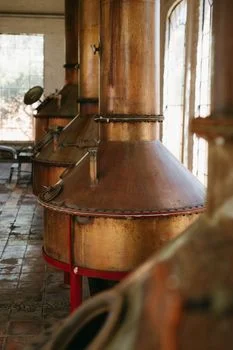
Mechanical Vapor Recompression (MVR) evaporators reduce energy consumption by 30-50% compared to traditional multi-effect systems, presenting a distinct operational cost advantage for ammonia removal applications. This efficiency stems from the MVR compressor recompressing secondary steam, raising its temperature and pressure, and reusing it as the heat source, effectively recycling latent heat. Multi-effect evaporators achieve energy savings by using the vapor from one effect to heat the next, typically reducing energy consumption by 20-30% per effect added, but they still require a primary steam source.
While MVR systems offer lower OPEX, they demand a higher upfront capital expenditure (CAPEX). A MVR evaporator with a capacity of 20 m³/h for ammonia wastewater typically ranges from ¥5M–¥8M. In contrast, a multi-effect evaporator of the same capacity might cost ¥3M–¥5M. This difference is primarily due to the specialized compressor technology in MVR systems. However, the operational expenditure (OPEX) tells a different story: MVR systems typically cost ¥80–¥120 per cubic meter treated, whereas multi-effect systems range from ¥120–¥180 per cubic meter, considering steam, electricity, and maintenance costs.
In terms of footprint and scalability, MVR evaporators are generally more compact and modular, making them suitable for sites with limited space. Multi-effect evaporators, by design, require a larger footprint but can be scaled by adding more effects, although this also increases the physical size. Maintenance requirements differ significantly; MVR systems demand higher-skilled technicians for compressor maintenance, while multi-effect systems typically involve more routine tasks like tube cleaning, requiring a lower skill level.
The choice between MVR and multi-effect evaporators often depends on the specific application and project goals. MVR is the preferred choice for high ammonia concentrations (e.g., >5,000 mg/L NH₄⁺-N) and projects with stringent zero liquid discharge (ZLD) requirements, where the long-term energy savings justify the higher initial investment. Multi-effect evaporators are more suitable for lower ammonia concentrations (e.g., <3,000 mg/L NH₄⁺-N) and cost-sensitive projects where upfront capital is a primary constraint, and ZLD is not always the absolute mandate.
| Feature | MVR Evaporator for Ammonia Removal | Multi-Effect Evaporator for Ammonia Removal |
|---|---|---|
| Energy Efficiency | 30-50% lower energy use (recycles secondary steam) | 20-30% lower energy per effect (cascading heat) |
| CAPEX (20 m³/h capacity) | ¥5M–¥8M | ¥3M–¥5M |
| OPEX (per m³ treated) | ¥80–¥120 | ¥120–¥180 |
| Primary Heat Source | Electricity (for compressor) | Steam |
| Footprint | Compact, modular design | Larger, linear footprint |
| Scalability | Modular expansion | Adding more effects (larger footprint) |
| Maintenance Complexity | Higher (compressor, specialized skills) | Lower (tube cleaning, general skills) |
| Ideal Use Case | High ammonia concentrations (>5,000 mg/L), ZLD, long-term OPEX focus | Lower ammonia concentrations (<3,000 mg/L), cost-sensitive projects, existing steam infrastructure |
Ammonia Crystallization Process Design: Critical Parameters and Troubleshooting
Effective ammonia crystallization process design hinges on precise control of pH, temperature, and supersaturation, which are critical to preventing common operational failures like scaling and ammonia slip. Maintaining the correct pH is paramount: 6.5–7.5 for evaporative crystallization of ammonium sulfate to prevent ammonia volatilization and minimize scaling, or 2–3 for reactive crystallization where ammonia is neutralized with sulfuric acid. Evaporation temperature, typically 80–120°C for evaporative processes and 60–80°C for reactive, directly impacts water removal rates and crystal growth kinetics. A controlled supersaturation ratio of 1.1–1.3 is essential for stable crystal growth, preventing excessive nucleation of fine particles or uncontrolled scaling.
Common failure modes in ammonia crystallization systems include:
- Scaling: This is often caused by precipitation of sparingly soluble salts like calcium sulfate or silica. Prevention strategies include precise automated pH adjustment and antiscalant dosing for evaporation crystallization systems in the preprocessing stage, maintaining stable operating temperatures, and periodic cleaning-in-place (CIP) cycles.
- Ammonia Slip: Occurs when ammonia volatilizes and escapes with the vapor phase, especially if pH control is inadequate or if the evaporation temperature is too high without proper vapor handling. Staged evaporation or effective condensate stripping can mitigate this issue.
- Crystal Carryover: Fine crystals entrained in the mother liquor or vapor phase can contaminate the final product or foul downstream equipment. This can be prevented by optimizing crystal growth kinetics to produce larger, more uniform crystals and by proper sizing and operation of solid-liquid separation equipment, such as centrifuges or filter presses for ammonium sulfate crystal separation and dewatering.
Solid-liquid separation is a critical step, typically achieved using centrifuges (achieving 90-95% solids content) or filter presses (achieving 95-98% solids content). The separated mother liquor, still containing dissolved salts, is recycled back to the evaporation system to maximize recovery and minimize waste. Following separation, the ammonium sulfate crystals require drying to achieve the desired moisture content for storage and sale. Fluidized bed dryers are commonly used to achieve moisture levels below 0.5%, while rotary dryers can achieve less than 1%. The dried crystals are then packaged in moisture-proof bags.
For applications requiring very low ammonia discharge limits, polishing steps may be necessary. While evaporation crystallization effectively concentrates ammonia, the residual effluent (condensate) may still contain 50–200 mg/L NH₄⁺-N. For deep removal to meet <10 mg/L NH₄⁺-N, advanced treatments like resin adsorption for polishing ammonia-treated effluent to <10 mg/L NH₄⁺-N or membrane contactors are employed.
Compliance and Discharge Standards for Ammonia-Treated Effluent
Meeting stringent global discharge standards for ammonia-treated effluent typically requires evaporation crystallization to achieve zero liquid discharge (ZLD) or a combination with advanced polishing technologies. Regulatory bodies worldwide impose strict limits on ammonia nitrogen to protect aquatic ecosystems and human health. For instance, the US EPA's NPDES permits often mandate ammonia nitrogen (NH₄⁺-N) levels of ≤10 mg/L. China's GB 18918-2002 standard is even more rigorous, requiring ≤5 mg/L for Class IA discharge and ≤8 mg/L for Class IB. In the European Union, the Urban Waste Water Treatment Directive sets limits, often around ≤15 mg/L, depending on the specific receiving water body.
While evaporation crystallization excels at concentrating ammonia and reducing the overall wastewater volume, the condensate from the evaporator may still contain 50–200 mg/L NH₄⁺-N. This level often necessitates further polishing steps to meet direct discharge limits. Technologies such as ion exchange or membrane contactors are frequently employed for deep removal, bringing ammonia concentrations down to below 10 mg/L. The most robust compliance strategy for ammonia is achieving ZLD, where evaporation crystallization, when paired with efficient solid-liquid separation, effectively eliminates all liquid discharge, thereby removing any NPDES permit risks for ammonia entirely.
Beyond effluent discharge, compliance extends to the recovered byproduct. Ammonium sulfate crystals intended for resale must adhere to specific fertilizer-grade standards. This typically means achieving a purity greater than 98% and a moisture content less than 1% (ISO 7851:2020). Meeting these byproduct specifications is crucial for market acceptance and maximizing the economic benefits of ammonia recovery.
| Standard/Type | Parameter | Limit/Specification |
|---|---|---|
| US EPA NPDES Permit | Ammonia Nitrogen (NH₄⁺-N) | ≤10 mg/L (typical) |
| China GB 18918-2002 (Class IA) | Ammonia Nitrogen (NH₄⁺-N) | ≤5 mg/L |
| China GB 18918-2002 (Class IB) | Ammonia Nitrogen (NH₄⁺-N) | ≤8 mg/L |
| EU Urban Waste Water Directive | Ammonia Nitrogen (NH₄⁺-N) | ≤15 mg/L (typical, varies by region) |
| Zero Liquid Discharge (ZLD) | Liquid Discharge | None (eliminates ammonia discharge risk) |
| Fertilizer-Grade Ammonium Sulfate (ISO 7851:2020) | Purity | >98% |
| Moisture Content | <1% |
How to Select the Right Evaporation Crystallization System for Your Ammonia Wastewater
Selecting the optimal evaporation crystallization system for ammonia removal requires a structured decision framework that evaluates influent characteristics, regulatory goals, and technology-specific performance. This systematic approach ensures a cost-effective and compliant solution.
Step 1: Characterize Influent Wastewater. Begin by thoroughly analyzing the ammonia-laden wastewater. Key parameters include NH₄⁺-N concentration (e.g., 2,000–4,000 mg/L for amino acid wastewater, pH 8–9), flow rate, pH, suspended solids content, and the presence of heavy metals or other scaling agents. This data dictates the necessary preprocessing steps and material selection for the evaporator.
Step 2: Define Project Goals. Clearly articulate the primary objectives for the treatment system. Is the goal zero liquid discharge (ZLD), byproduct recovery (e.g., selling ammonium sulfate fertilizer), meeting specific discharge compliance limits, or achieving the lowest possible operational cost? A fertilizer plant, for example, might prioritize ZLD and high-purity ammonium sulfate recovery to maximize revenue and minimize environmental impact.
Step 3: Match Technology to Influent and Goals. Based on the influent characteristics and defined goals, select the most appropriate evaporation crystallization technology. Refer to the MVR vs. multi-effect comparison table (from the previous section). For high concentrations (>5,000 mg/L NH₄⁺-N) and ZLD targets, MVR evaporators are often the most economically viable long-term choice due to lower OPEX. For lower concentrations (<3,000 mg/L NH₄⁺-N) or where capital cost is a major constraint, multi-effect systems might be preferred. Reactive crystallization is suitable if sulfuric acid is readily available and direct ammonium sulfate synthesis is desired.
Step 4: Size Equipment and Select Components. Once the technology is chosen, determine the appropriate sizing for all components. This includes the evaporator capacity (e.g., a 20 m³/h system), the type and size of the crystal separator (e.g., centrifuge vs. filter press), and the drying method. Consider ancillary equipment like heat exchangers, pumps, and automatic chemical dosing systems for pH control or antiscalants.
Step 5: Validate with Pilot Testing. For complex or novel wastewater streams, pilot testing is highly recommended. A 1–2 m³/h pilot system, typically costing ¥500K–¥1M and requiring 4–6 weeks for operation and analysis, can validate critical parameters such as scaling potential, actual energy consumption, crystal purity, and overall system performance under real-world conditions, significantly de-risking full-scale implementation.
Frequently Asked Questions
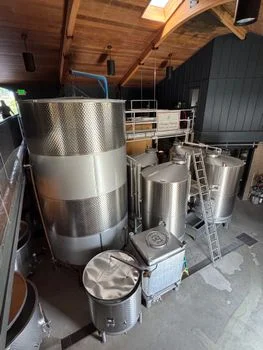
Evaporation crystallization for ammonia removal often raises specific questions regarding operational efficiency, cost implications, and process design, which are addressed here with actionable data.
What is the typical CAPEX for an ammonia evaporation crystallization system?
The Capital Expenditure (CAPEX) for an ammonia evaporation crystallization system varies significantly with capacity and technology. For MVR systems, it typically ranges from ¥1.2M–¥8M for capacities between 5–50 m³/h. Multi-effect systems for the same range might have a CAPEX of ¥0.8M–¥5M, generally lower upfront but with higher operational costs.
How much energy does MVR technology save for ammonia removal?
MVR (Mechanical Vapor Recompression) technology can reduce energy consumption by 30-50% compared to traditional multi-effect evaporators for ammonia removal. This is achieved by compressing and recycling the secondary steam as the heat source, significantly lowering the demand for external steam and overall operational energy costs.
Can evaporation crystallization achieve ZLD for ammonia wastewater?
Yes, evaporation crystallization is a leading technology for achieving Zero Liquid Discharge (ZLD) for ammonia wastewater. By concentrating all dissolved solids, including ammonium salts, into a solid crystalline product and recovering clean water as distillate, the process eliminates liquid discharge when paired with efficient solid-liquid separation.
What are the key parameters to control for high-purity ammonium sulfate crystal production?
Producing high-purity ammonium sulfate crystals (>98%) requires precise control of several parameters. These include maintaining the solution pH between 6.5–7.5 (for evaporative crystallization), controlling the evaporation temperature (80–120°C), and managing the supersaturation ratio (typically 1.1–1.3) to promote stable crystal growth and minimize impurities.
When is reactive crystallization preferred over evaporative crystallization for ammonia?
Reactive crystallization is preferred when a direct chemical reaction is desired to form ammonium sulfate, typically by mixing gaseous or liquid ammonia with sulfuric acid. This method is often chosen for concentrated ammonia sources, operates at a lower pH (2–3) and temperature (60–80°C), and is suitable when byproduct synthesis is the primary goal, rather than just wastewater treatment.