Hospitals in North Carolina must treat wastewater to meet NC DEQ’s stringent discharge limits (BOD ≤ 10 mg/L, TSS ≤ 10 mg/L, fecal coliform ≤ 200 CFU/100mL) under the NPDES permit program. The Novo Nordisk pretreatment facility in Clayton ($40M CAPEX) demonstrates the need for 100% redundancy and modular scalability—key considerations for hospital systems where downtime risks regulatory violations and patient safety. This guide compares MBR, DAF, and electrocoagulation systems for NC hospitals, with 2026 CAPEX ranges ($1.2M–$8M) and compliance strategies.
Why North Carolina Hospitals Face Unique Wastewater Challenges
North Carolina hospitals face increased regulatory scrutiny and operational complexity due to the unique characteristics of medical wastewater and the state's environmental priorities. In 2024, NC DEQ issued enforcement actions against three hospitals for persistent BOD (Biological Oxygen Demand) and TSS (Total Suspended Solids) violations, resulting in fines up to $25,000 per day and, in one instance, a permit revocation until corrective actions were demonstrably implemented.
Hospital wastewater typically exhibits significantly higher contaminant loads compared to municipal sewage. According to an EPA 2023 Hospital Wastewater Study, hospital effluent often contains 3–5 times higher BOD, 2–4 times higher TSS, and 10–100 times higher concentrations of pharmaceutical residues, including antibiotics, analgesics, and chemotherapy agents. These elevated levels necessitate advanced treatment solutions beyond conventional municipal approaches.
A notable case study is WakeMed Raleigh’s $3.2 million Membrane Bioreactor (MBR) upgrade completed in 2022. This investment was specifically driven by NC’s evolving limits on antibiotic-resistant bacteria, which require effluent disinfection capabilities. Prior to the upgrade, WakeMed's system occasionally struggled with fecal coliform spikes and trace pharmaceutical discharge. Post-MBR installation, the facility consistently achieves BOD < 5 mg/L, TSS < 5 mg/L, and >99.9% reduction in targeted bacterial indicators, demonstrating a proactive approach to NC DEQ compliance.
North Carolina's susceptibility to severe weather events, such as Hurricane Florence in 2018, which caused 12 hospital wastewater overflows across the state, has led to stricter permit requirements. NC DEQ now mandates robust redundancy and flood-proofing measures in all new or upgraded hospital wastewater treatment permits, recognizing that system failures during emergencies pose significant public health and environmental risks.
NC DEQ Discharge Limits: What Hospitals Must Achieve in 2026
Meeting NC DEQ wastewater discharge limits is non-negotiable for North Carolina hospitals, with 2026 targets emphasizing stricter control over conventional and emerging contaminants. The state's NPDES (National Pollutant Discharge Elimination System) permit program requires comprehensive treatment to protect receiving waters.
The following table outlines key discharge limits for hospital wastewater, comparing NC DEQ standards with federal EPA and international WHO guidelines:
| Parameter | NC DEQ (2026) | EPA (Federal) | WHO (Hospital Effluent) |
|---|---|---|---|
| BOD | ≤ 10 mg/L | ≤ 30 mg/L | ≤ 20 mg/L |
| TSS | ≤ 10 mg/L | ≤ 30 mg/L | ≤ 30 mg/L |
| Fecal Coliform | ≤ 200 CFU/100mL | ≤ 200 CFU/100mL | ≤ 100 CFU/100mL |
| Ammonia (as N) | ≤ 2 mg/L | ≤ 10 mg/L | ≤ 5 mg/L |
| Total Phosphorus | ≤ 0.5 mg/L | No National Standard | ≤ 2 mg/L |
| Heavy Metals (e.g., Hg) | ≤ 0.001 mg/L | ≤ 0.002 mg/L | ≤ 0.005 mg/L |
| Pharmaceuticals | 2025 Pilot Program | No National Standard | Guidance on reduction |
Hospitals must initiate their NPDES permit application process with a minimum 180-day lead time before their existing permit expires or before commencing discharge for new facilities. This includes submitting quarterly monitoring reports and adhering to annual renewal requirements. Common reasons for permit application rejection by NC DEQ include incomplete influent/effluent sampling plans, insufficient documentation of system redundancy, and inadequate operator certification records.
Emerging contaminants, particularly PFAS (per- and polyfluoroalkyl substances), are a growing concern. NC DEQ is launching a 2025 pilot program for PFAS monitoring in hospital effluent, initially targeting wastewater from high-risk departments such as oncology (chemotherapy agents), radiology (contrast media), and surgical suites (cleaning agents). Hospitals should prepare by identifying potential sources and considering future-proof treatment technologies.
It is also critical to check for local variances, as some counties impose stricter limits than state-wide regulations. For instance, Johnston County implements a stricter limit for nitrate (≤ 5 mg/L) compared to the state's typical ≤ 10 mg/L, reflecting local watershed protection goals. Hospital facility managers must consult county-specific addenda to their NPDES permits to ensure full compliance.
Hospital Wastewater Treatment Technologies Compared: MBR vs DAF vs Electrocoagulation
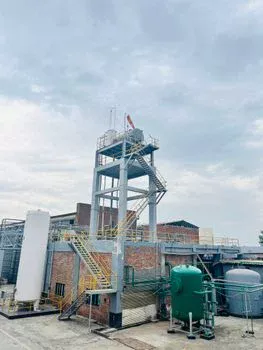
Selecting the optimal hospital wastewater treatment equipment involves evaluating technologies based on their ability to meet NC DEQ compliance, footprint requirements, and operational demands. Each primary technology offers distinct advantages for specific hospital sizes and effluent characteristics.
The following comparison table provides a high-level overview:
| Feature | MBR (Membrane Bioreactor) | DAF (Dissolved Air Flotation) | Electrocoagulation |
|---|---|---|---|
| CAPEX (50-200 beds) | $1.8M – $4.5M | $1.2M – $3.0M | $1.5M – $3.5M |
| OPEX (per 1,000 gal) | $0.60 – $1.20 | $0.40 – $0.80 | $0.50 – $0.90 |
| Footprint | Compact, ~30-50% less than conventional activated sludge | Moderate, can be integrated | Compact, ~20-40% less than chemical coagulation |
| BOD/TSS Removal | >95% (effluent < 5 mg/L) | 92–97% (pre-treatment) | 85–95% (primary/secondary) |
| Heavy Metal Removal | Moderate (sorption to biomass) | Low to Moderate | >99% for specific metals (e.g., Hg, Pb) |
| Pharmaceutical Removal | High (biological degradation, membrane rejection) | Low | Moderate (co-precipitation) |
| Redundancy Requirements | Essential for membrane integrity & uptime | Critical for continuous pre-treatment | Important for electrode maintenance |
| Operator Skill Level | High (membrane management, instrumentation) | Medium (chemical dosing, sludge handling) | Medium (pH control, electrode cleaning) |
| NC DEQ Approval Status | Widely approved for advanced treatment | Widely approved for pre-treatment | Approved for specific industrial applications, growing for medical |
MBR Deep Dive for Hospitals
MBR systems for hospital wastewater treatment in North Carolina utilize advanced filtration with PVDF (polyvinylidene fluoride) membranes, typically with a 0.1 μm pore size. This ultrafiltration capability enables MBRs to achieve NC’s stringent fecal coliform limit (≤ 200 CFU/100mL) without the need for chlorine disinfection, minimizing disinfection byproducts. The dense microbial population within the MBR tank also enhances biological degradation of complex organic compounds and many pharmaceutical residues. However, operators must manage membrane fouling risks through regular Clean-In-Place (CIP) protocols, which involve chemical cleaning to maintain flux and extend membrane lifespan.
DAF for Hospital Pre-Treatment
DAF pre-treatment for NC hospital wastewater is a common choice, with EPA 2024 data indicating that approximately 80% of NC hospitals utilize DAF for primary treatment. DAF systems excel at removing FOG (Fats, Oils, and Grease) and high concentrations of TSS. They typically achieve 92–97% removal rates for FOG and TSS when influent concentrations range from 50–500 mg/L. This significantly reduces the load on downstream biological processes, improving overall system efficiency and reducing the risk of conventional activated sludge system upsets.
Electrocoagulation for Targeted Contaminant Removal
How electrocoagulation removes mercury and lead from hospital wastewater involves using aluminum or iron electrodes to generate coagulants directly in the wastewater. This process effectively removes 99%+ of dissolved heavy metals like mercury and lead through flocculation and precipitation. Electrocoagulation also demonstrates moderate removal of pharmaceutical compounds and pathogens. Optimal performance requires precise pH adjustment, typically maintained between 6.5–7.5, and generates a denser, easier-to-dewater sludge compared to chemical coagulation, though sludge disposal costs ($0.15–$0.30/lb) remain a significant operational consideration.
Hybrid Systems for Enhanced Performance
Many hospitals opt for hybrid systems to leverage the strengths of multiple technologies. A prime example is Duke University Hospital’s DAF + MBR system implemented in 2023. This integrated approach combines DAF for robust pre-treatment of FOG and TSS, followed by MBR for advanced biological treatment and filtration. This hybrid system achieves >98% pharmaceutical removal and <5 mg/L for both BOD and TSS. The CAPEX for Duke's system was approximately $6.8 million, but operational expenditure savings are estimated at $220,000 per year compared to their previous conventional system, primarily due to reduced sludge volume, lower chemical consumption, and improved effluent quality for potential reuse.
2026 Cost Breakdown: CAPEX, OPEX, and Hidden Expenses for NC Hospitals
Understanding the comprehensive costs associated with hospital wastewater treatment in North Carolina is crucial for accurate budgeting and strategic planning. These costs extend beyond initial equipment purchase to include ongoing operations, regulatory fees, and essential redundancy measures.
Initial CAPEX (Capital Expenditure) for hospital wastewater treatment systems varies significantly by facility size and chosen technology, with a critical allocation for redundancy:
| Hospital Size | Estimated CAPEX Range (Equipment, Installation, Redundancy) |
|---|---|
| 50-bed facility | $1.2M – $2.5M |
| 200-bed facility | $3.5M – $5.0M |
| 500-bed facility | $6.0M – $8.0M |
OPEX (Operational Expenditure) for compact hospital wastewater treatment systems for NC clinics and larger facilities covers several key areas, typically calculated per 1,000 gallons of treated wastewater:
- Energy: $0.30 – $0.80 / 1,000 gal (driven by pumps, blowers, and membrane filtration)
- Chemicals: $0.15 – $0.40 / 1,000 gal (for pH adjustment, coagulation, cleaning agents)
- Labor: $0.20 – $0.50 / 1,000 gal (for monitoring, maintenance, and routine operations)
- Sludge Disposal: $0.10 – $0.25 / 1,000 gal (varies by sludge volume, dewatering efficiency, and disposal method)
Beyond direct CAPEX and OPEX, several hidden costs are often overlooked but are critical for compliance and risk management in North Carolina:
- NC DEQ Permit Fees: Annual fees range from $5,000 to $20,000, depending on discharge volume and complexity.
- Redundancy Testing: NC DEQ mandates regular testing of backup equipment and systems, incurring costs of $15,000 to $50,000 per year for specialized services and reporting.
- Emergency Bypass Systems: Installing and maintaining emergency bypass and storage systems, now a common permit requirement due to climate risks, can add $200,000 to $500,000 to initial costs.
- Compliance Monitoring & Reporting: Costs for external lab analyses, specialized sampling, and preparing detailed quarterly and annual reports for NC DEQ.
An ROI calculator demonstrates the long-term financial benefits of investing in compliant wastewater treatment. Payback periods typically range from 3 to 7 years, primarily driven by avoided fines and potential water reuse savings. For example, a 200-bed hospital investing $4 million in CAPEX for an advanced system and incurring $350,000/year in OPEX could realize $500,000/year in savings through avoided fines (e.g., $25,000/day violations), reduced water utility costs (from reuse), and enhanced public relations. This scenario projects a payback period of approximately 4.7 years ($4M CAPEX / ($500K savings - $350K OPEX)).
Step-by-Step Guide: Permit Application and Compliance for NC Hospitals
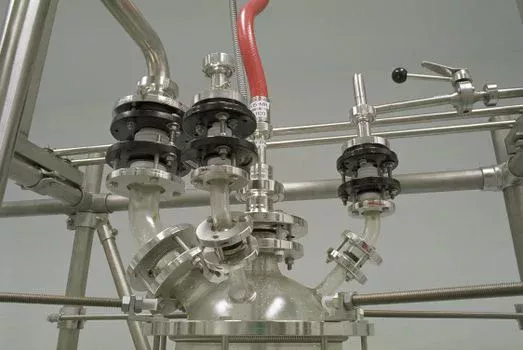
Navigating the NC DEQ NPDES permit process for hospital wastewater treatment requires meticulous planning and execution, from initial sampling to post-installation inspections. A systematic approach ensures timely approval and continuous compliance.
Pre-Application Steps (Months 1-3)
- Influent Sampling Plan (90 days): Conduct comprehensive influent sampling for 90 consecutive days. Required parameters include BOD, TSS, pH, heavy metals (e.g., mercury, lead, copper), and targeted pharmaceuticals (if part of an emerging contaminant assessment). This data establishes baseline effluent characteristics for permit limits.
- Site Assessment: Evaluate the proposed treatment system's location for flood zone susceptibility, proximity to sensitive receptors, and existing infrastructure. Crucially, assess and document the capacity for system redundancy, including backup power, spare parts, and alternative discharge points.
- Engineering Report: Commission a Professional Engineer (PE) licensed in North Carolina to prepare a detailed engineering report. This report must describe the proposed treatment technology, design calculations, expected effluent quality, redundancy measures, and a comprehensive operations and maintenance plan.
NPDES Application Submission (Month 4)
- Required Forms: Complete and submit NC DEQ forms 3010 (General Application), 3011 (Industrial Wastewater), and 3012 (Bioassay Data, if applicable). Ensure all sections are accurately filled and supporting documentation is attached.
- Sampling Frequency: Propose a detailed monitoring schedule for the permit. Typically, this includes weekly sampling for BOD and TSS, monthly for heavy metals, and quarterly for nutrients (ammonia, phosphorus). Monitoring equipment, such as NC DEQ-approved flow meters (e.g., ultrasonic or magnetic flow meters with data logging) and automated composite samplers, must be specified.
- Redundancy Documentation: Provide detailed schematics and operational protocols for all redundant systems (pumps, blowers, treatment units, power sources) to demonstrate the ability to maintain compliance during equipment failure or maintenance.
Post-Installation and Ongoing Compliance (Months 7-12+)
- 30-Day Performance Test: After system installation and commissioning, conduct a 30-day performance test. The system must demonstrate consistent compliance with all permit limits, typically achieving a 90% compliance threshold for all measured parameters.
- Operator Training & Certification: Ensure that all operators achieve NC Water Pollution Control System Operator Certification (Grade I, II, or III) appropriate for the facility's classification. NC DEQ requires certified operators to be on-site or readily available.
- Annual Reporting & Audits: Submit annual reports detailing operational data, compliance records, and any incidents. Common audit triggers for NC DEQ include inconsistent BOD data, missing redundancy logs, and uncertified operators.
Compliance Checklist: 12-Month Timeline
This downloadable timeline provides key milestones for NC hospital permit application and compliance:
- Day 0: Initiate influent sampling plan.
- Day 30: Complete site assessment and identify technology.
- Day 60: Submit engineering report draft for internal review.
- Day 90: Finalize influent sampling data and engineering report (signed by PE).
- Day 120: Submit complete NPDES permit application to NC DEQ.
- Day 180: Respond to NC DEQ requests for additional information.
- Day 240: Commence system installation (post-permit approval).
- Day 300: Complete system commissioning and operator training.
- Day 330: Begin 30-day performance test.
- Day 365: Submit first quarterly monitoring report.
Frequently Asked Questions
North Carolina hospital facility managers and environmental compliance officers often have specific questions regarding wastewater treatment. Here are answers to some of the most common inquiries:
What are the penalties for violating NC DEQ wastewater discharge limits?
Violating NC DEQ wastewater discharge limits can result in severe penalties, including fines up to $25,000 per day per violation, permit revocation, and mandatory third-party audits to ensure corrective actions are taken. NC General Statute §143-215.1 outlines these enforcement provisions, emphasizing the state's commitment to environmental protection. Repeated or egregious violations can also lead to criminal charges.
Can NC hospitals reuse treated wastewater for irrigation or cooling?
Yes, NC hospitals can reuse treated wastewater for non-potable applications such as irrigation or cooling tower makeup water, but this requires a separate reuse permit from NC DEQ. Achieving reuse standards typically necessitates tertiary treatment, which often includes advanced processes like Reverse Osmosis (RO) or NC DEQ-approved disinfection for hospital wastewater using UV disinfection or chlorine dioxide. The Town of La Grange's wastewater treatment plant, for example, successfully treats its effluent to reuse standards for irrigating row crops, demonstrating the feasibility and environmental benefits of water reclamation in NC.
How often does NC DEQ inspect hospital wastewater treatment systems?
NC DEQ conducts annual inspections for all NPDES permit holders, including hospitals. Additionally, unannounced visits may occur, particularly for high-risk facilities (ee.g., those with oncology departments or a history of compliance issues). During inspections, officials rigorously check for valid operator certifications, complete and accurate sampling records, proper maintenance of redundancy logs, and the overall operational integrity of the treatment system.
What’s the best wastewater treatment technology for a small NC hospital (50–100 beds)?
For a small NC hospital (50–100 beds), a cost-effective and compliant solution often involves a Dissolved Air Flotation (DAF) system for robust pre-treatment of BOD and TSS, followed by chlorine dioxide disinfection for hospital wastewater. This approach typically has a CAPEX of $1.2M–$2M. Alternatively, a compact Membrane Bioreactor (MBR) system (CAPEX $1.8M–$2.5M) offers superior effluent quality, particularly for tighter limits on pathogens and emerging contaminants, and a smaller footprint, albeit with higher operator skill requirements.
Does NC DEQ require hospitals to test for pharmaceuticals in wastewater?
Currently, NC DEQ does not universally require hospitals to test for pharmaceuticals in wastewater. However, the state is implementing a 2025 pilot program for PFAS monitoring in hospital effluent, which may expand to include other pharmaceutical compounds in the future. Hospitals should prepare by installing sampling ports, tracking wastewater from high-risk departments (e.g., oncology, radiology), and considering treatment technologies like MBR or advanced oxidation processes (AOPs) that offer enhanced pharmaceutical removal for future-proofing their facilities.
Further Reading
Explore these in-depth articles on related wastewater treatment topics: