Why Wastewater Treatment Plant Costs in the Czech Republic Are Rising in 2026
Wastewater treatment plant costs in the Czech Republic vary widely by technology and scale. For municipal plants, CAPEX ranges from CZK 50M (500 m³/day) to CZK 1.2B (345,000 m³/day, like Prague’s award-winning WWTP), with civil engineering accounting for ~70% of total costs. Industrial projects face higher OPEX (CZK 5–15/m³) due to fluctuating influent quality, but automated modeling (e.g., DHI’s solution at VaK Pardubice) can cut chemical and aeration costs by up to 30%. EU Directive 91/271/EEC compliance adds 10–20% to CAPEX for advanced nutrient removal. A food processing plant in the Central Bohemian Region may experience sudden spikes in organic loading, leading to non-compliance fines or massive chemical over-dosing, highlighting why fixed-budget estimates often fail in the face of industrial complexity.
The primary driver of rising costs in 2026 is the stringent requirement of EU Directive 91/271/EEC, which mandates tertiary treatment for all plants serving more than 2,000 Population Equivalent (PE). This regulatory pressure forces municipalities to invest in advanced nitrogen and phosphorus removal stages, typically increasing capital requirements by 15% compared to standard secondary treatment. The Czech construction sector has faced labor and material inflation, with a projected 4.2% YoY increase through 2026, making the civil engineering portion of projects—historically 70% of total CAPEX—a volatile budgetary risk.
Industrial wastewater complexity adds another layer of financial challenge. Unlike municipal influent, industrial streams from pharmaceutical or food processing facilities require specialized pretreatment like Dissolved Air Flotation (DAF) or advanced oxidation to protect biological stages. For a 1,000 m³/day facility, adding these stages can increase CAPEX by CZK 5M to 10M. Facilities like VaK Pardubice have turned to automated modeling to combat rising operational costs. By using digital twins to simulate influent fluctuations, they reduced OPEX by 30%, optimizing aeration energy and chemical dosing in real-time. This data-driven approach is no longer a luxury but a necessity for maintaining Prague’s industrial WWTP case studies and compliance strategies.
CAPEX Breakdown: How Plant Size and Technology Impact Upfront Costs
Civil engineering works consistently represent approximately 70% of the total installation costs for conventional wastewater treatment plants in the Czech Republic. This heavy reliance on site-specific construction means that CAPEX does not scale linearly with capacity; smaller plants often face higher costs per cubic meter of treated water due to the lack of economies of scale in concrete work and site preparation. For instance, a 500 m³/day plant might require CZK 35M in civil works, while a massive facility like the Prague WWTP (345,000 m³/day) achieved its CZK 1.2B price tag through massive-scale engineering efficiencies.
Technology selection is the most significant variable under the control of procurement managers. Conventional Activated Sludge (CAS) remains the baseline for cost, but it requires a large physical footprint and secondary clarifiers. In contrast, Membrane Bioreactor (MBR) systems increase equipment CAPEX by 25–40% but can reduce the total plant footprint by up to 60%. This footprint reduction is critical in industrial zones where land costs are high or expansion is physically constrained. For a mid-sized industrial facility (1,000 m³/day), MBR systems for EU-compliant nutrient removal typically range between CZK 80M and CZK 150M depending on the membrane flux and pretreatment needs.
| Plant Capacity (m³/day) | Technology Type | Estimated CAPEX (CZK) | Civil Works % | Key Cost Driver |
|---|---|---|---|---|
| 500 | WSZ Integrated (Modular) | CZK 12M - 20M | 30% | Equipment/Shipment |
| 1,000 | Conventional Activated Sludge | CZK 45M - 65M | 70% | Concrete/Excavation |
| 1,000 | MBR (Membrane Bioreactor) | CZK 80M - 150M | 40% | Membrane Modules |
| 5,000 | SBR (Sequencing Batch Reactor) | CZK 180M - 260M | 65% | Automation/Decanters |
| 345,000 | Advanced Municipal (Prague) | CZK 1.2B+ | 75% | Complex Civil/Tertiary |
For industrial buyers dealing with high levels of Total Suspended Solids (TSS) or Fats, Oils, and Grease (FOG), upfront investment in DAF systems for industrial pretreatment is essential. Adding a high-efficiency DAF unit typically adds CZK 5M to 10M to the CAPEX for a 1,000 m³/day plant but prevents the catastrophic failure of downstream biological membranes, which can cost millions to replace prematurely.
OPEX Drivers: Chemical Dosing, Energy, and Labor Costs by Technology
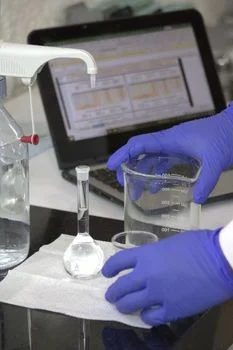
Chemical costs dominate the operational expenditure of industrial wastewater treatment in the Czech Republic, often accounting for 40–50% of the non-labor OPEX. In municipal settings, the focus is on phosphorus removal, where the choice of coagulant significantly impacts the bottom line. Field data from the Touzim WWTP demonstrates that ferric sulphate is 15–20% more cost-effective than aluminium sulphate for simultaneous precipitation, particularly when targeting the strict phosphorus limits mandated by EU Directive 91/271/EEC cost benchmarks for Eastern Europe.
Energy consumption is the second-largest OPEX driver. With 2026 Czech industrial electricity rates projected at CZK 4.2/kWh, the efficiency of aeration systems is paramount. Conventional plants are more energy-efficient on a per-cubic-meter basis (0.4–0.6 kWh/m³) because they do not require the high-pressure scouring air needed to keep MBR membranes clean. MBR systems consume between 0.8 and 1.2 kWh/m³, making them more expensive to run. However, this is often offset by the elimination of sludge recycling energy and the potential for water reuse, which reduces freshwater procurement costs.
| Cost Category | Conventional (CZK/m³) | MBR (CZK/m³) | DAF + Bio (Industrial) |
|---|---|---|---|
| Electricity (@ CZK 4.2/kWh) | CZK 1.68 - 2.52 | CZK 3.36 - 5.04 | CZK 2.90 - 4.20 |
| Chemicals (Coagulants/Polymers) | CZK 0.80 - 1.50 | CZK 0.50 - 1.20 | CZK 3.50 - 8.00 |
| Sludge Disposal | CZK 1.20 - 2.00 | CZK 0.90 - 1.50 | CZK 1.50 - 3.00 |
| Labor & Maintenance | CZK 1.50 - 2.50 | CZK 1.20 - 2.00 | CZK 2.00 - 4.00 |
| Total OPEX | CZK 5.18 - 8.52 | CZK 5.96 - 9.74 | CZK 9.90 - 19.20 |
Labor costs are being mitigated through the adoption of PLC-controlled chemical dosing for cost optimization. Automated systems reduce the need for constant manual monitoring and jar testing, cutting labor requirements by 12–18%. In an industrial environment with fluctuating influent quality, these systems prevent the "over-dosing" of expensive chemicals (like ferric sulphate) during low-load periods, ensuring compliance without wasting budget.
Cost-Saving Strategies: How Czech Plants Cut CAPEX and OPEX by 20–30%
Automated mathematical modeling, such as the DHI solution implemented at VaK Pardubice, represents the most significant advancement in OPEX reduction for complex Czech facilities. By creating a digital twin of the WWTP, operators can simulate "what-if" scenarios for industrial inflows and landfill leachate. At Pardubice, this resulted in a 30% reduction in aeration and chemical costs. The model allows for precise control of dissolved oxygen levels and nutrient dosing, ensuring that the plant only consumes the exact amount of energy and chemicals required to meet effluent standards.
For smaller projects or those with limited land, modular and underground designs offer a way to bypass the high costs of traditional civil engineering. The WSZ series of underground integrated treatment systems can reduce CAPEX by 15–20% for plants under 500 m³/day. By utilizing pre-fabricated steel or FRP tanks, these systems eliminate the need for extensive concrete pouring and above-ground housing structures. HiPAF (High Performance Aerated Filter) systems have been shown to cut civil engineering costs by up to 40% compared to conventional activated sludge setups by utilizing high-intensity biological processes that require smaller tank volumes.
Strategic chemical selection also yields immediate ROI. As evidenced by the Touzim WWTP case study, switching from aluminium-based salts to ferric sulphate for phosphorus precipitation can lower chemical spend by nearly 20%. When combined with high-accuracy dosing pumps and real-time phosphate sensors, the payback period for the automation equipment is often less than 18 months. Industrial buyers should prioritize equipment that allows for "simultaneous precipitation," where chemicals are added directly into the biological tank, reducing the need for separate mixing chambers and additional civil works.
Industrial vs. Municipal WWTPs: Cost Comparison and Tech Selection Guide
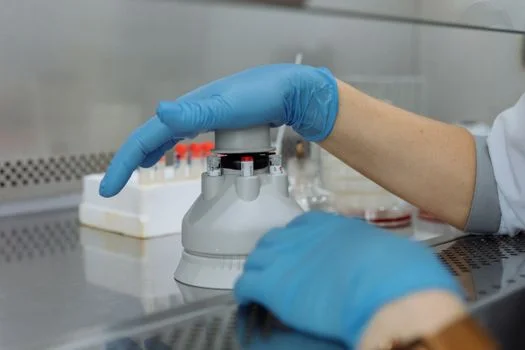
Industrial wastewater treatment plants require a fundamentally different cost structure than municipal facilities due to the concentration and variability of the waste. While municipal plants focus on high-volume, low-concentration nitrogen and phosphorus removal to meet EU standards, industrial plants (food, pharma, textile) must first deal with high Chemical Oxygen Demand (COD) and inhibitory substances. This necessitates a multi-stage approach, often starting with physical-chemical pretreatment like DAF, which adds CZK 5–10M to the CAPEX but protects the biological system from fouling.
| Feature | Municipal WWTP | Industrial WWTP (e.g., Food/Pharma) |
|---|---|---|
| Primary Cost Driver | Civil Engineering (70%) | Advanced Pretreatment & Chemicals |
| Compliance Focus | Nitrogen/Phosphorus (91/271/EEC) | COD/TSS/FOG & Specific Toxins
Get a Free Quote — Tell Us About Your Project
Contact Us
|