Chemical precipitation for copper removal converts dissolved Cu²⁺ into an insoluble solid using lime (Ca(OH)₂), sodium sulfide (Na₂S), or soda ash (Na₂CO₃). Removal efficiency tracks influent concentration and tight pH control. At 100 mg/L influent copper, sulfide precipitation reaches 99.99% removal (2024 benchmarks), while lime typically reaches 98–99% and generates about three times more sludge. Hydroxide systems run at pH 9.5–11.5; sulfide systems at 8.5–9.5. Typical lime dosage is 1.5–2.5:1 lime:copper by weight. Target Sludge Volume Index (SVI) below 100 mL/g supports efficient dewatering. Compliance trains for electroplating often combine PLC dosing, lamella clarifiers, and filter presses to meet EPA 40 CFR Part 433 (≤0.6 mg/L copper) and sludge programs aligned with ISO 14001.
Chemical precipitation for copper removal: the engineering answer
Lime, sodium sulfide, or soda ash convert dissolved copper into Cu(OH)₂, CuS, or CuCO₃ solids that settle and dewater. At 100 mg/L influent copper, sulfide can deliver 99.99% removal and effluent below 0.01 mg/L at pH 8.5–9.5. Lime usually reaches 98–99% at pH 9.5–11.5 but yields about three times more sludge. Chelated copper needs oxidative pre-treatment first.
Why plants still choose precipitation for copper compliance
Industrial facilities with copper-laden wastewater often select precipitation because operating cost sits near $0.12–$0.60 per kilogram of copper removed at a 100 m³/h scale. Ion exchange commonly runs $1.20–$2.50/kg Cu. Adsorption commonly runs $0.80–$1.50/kg Cu at the same scale. Those gaps widen as influent copper rises above tens of mg/L, because regenerable media saturate faster and produce secondary brine or spent-media waste.
A PCB manufacturer in Shenzhen reduced copper discharge from 120 mg/L to 0.4 mg/L with a sulfide precipitation system and avoided an estimated $250,000 per year in regulatory fines (2025 data). Related copper-train design notes are covered in copper wastewater treatment by chemical precipitation. Regulatory limits remain strict: EPA 40 CFR Part 433 mandates ≤0.6 mg/L copper for electroplating, EU Directive 2008/105/EC sets 0.5 mg/L, and China's GB 21900-2008 electroplating standard limits total copper to 1.0 mg/L.
The main process limitation is chelated copper. EDTA, citric acid, and tartaric acid form soluble complexes that resist direct precipitation in electronics and pharmaceutical wastewater. Most plants we size for plating rinses discover the chelate problem only after jar tests fail at the textbook pH, so treat chelate screening as a design input, not a startup surprise.
| Treatment Method | Typical Operating Cost ($/kg Cu Removed) | Key Advantages | Key Limitations |
|---|---|---|---|
| Chemical Precipitation | $0.12 – $0.60 | High removal efficiency, lower CapEx, robust for high concentrations | Sludge generation, pH sensitivity, ineffective with chelates |
| Ion Exchange | $1.20 – $2.50 | Can achieve very low effluent concentrations, regenerable media | High CapEx, sensitive to TSS, regeneration waste stream |
| Adsorption | $0.80 – $1.50 | Good for low concentrations, can be selective | Media saturation, regeneration/disposal of spent media, high OPEX for high concentrations |
What pH works for copper hydroxide precipitation?
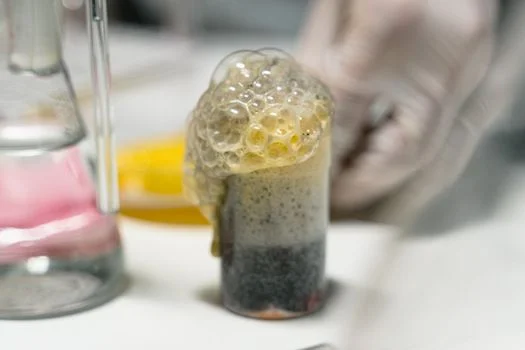
Copper hydroxide precipitation in wastewater treatment works best at pH 9.5–11.5, where Cu²⁺ reacts with hydroxide to form Cu(OH)₂. Most plants we size for hydroxide copper duty hold the upper half of that band when alkalinity demand is high. Sulfide and carbonate routes use lower setpoints and different sludge textures, so precipitant choice is a chemistry decision before it is a CapEx decision.
How does copper hydroxide precipitation work in wastewater treatment?
Lime (Ca(OH)₂) remains the common low-cost precipitant for copper hydroxide. The reaction mechanism is straightforward: Cu²⁺ + 2OH⁻ → Cu(OH)₂↓. Optimal precipitation occurs within pH 9.5–11.5. A typical dosage ratio is 1.5–2.5 kg of lime per kilogram of copper removed, accounting for lime purity and alkalinity demand. The resulting copper hydroxide sludge is amorphous and voluminous. Without flocculant aid it often shows poor settling and a higher SVI, which drives larger clarifiers and longer press cycles.
Sodium sulfide promotes highly insoluble copper sulfide and is effective when very low effluent copper is required. The reaction is Cu²⁺ + S²⁻ → CuS↓. Sulfide precipitation is most effective at pH 8.5–9.5. The stoichiometric dosage ratio is approximately 1.1–1.3 kg of sodium sulfide per kilogram of copper. A critical operating risk is hydrogen sulfide (H₂S) gas evolution, which is toxic and corrosive, especially below pH 8.0. Precise pH control and Oxidation-Reduction Potential (ORP) sensors are used to prevent overdosing and manage sulfide residuals.
Soda ash (Na₂CO₃) precipitates copper as copper carbonate. The reaction is Cu²⁺ + CO₃²⁻ → CuCO₃↓. Optimal precipitation with soda ash occurs between pH 8.0–9.0. Dosage ratios typically range from 2.0–3.0 kg of soda ash per kilogram of copper. Copper carbonate sludge is more crystalline than hydroxide sludge, which can improve settling and dewatering compared with amorphous Cu(OH)₂ cakes.
Chelated copper pre-treatment before precipitation
When industrial wastewater contains chelating agents such as EDTA, citric acid, or tartaric acid, those compounds bind copper ions and block precipitation. Effective handling of chelated copper in semiconductor or plating wastewater requires a break step first. A common strategy uses advanced oxidation, often Fenton’s reagent: hydrogen peroxide (H₂O₂) and a ferrous iron catalyst (Fe²⁺) at low pH (for example pH 3–4), often near a 1:1 H₂O₂:Fe²⁺ ratio. The oxidative step destroys the chelating agent and releases copper ions for later precipitation. For multi-reagent trains, PLC-controlled chemical dosing systems for copper precipitation keep acid, oxidant, and precipitant setpoints aligned across shifts.
| Precipitant | Chemical Formula | Reaction Equation | Optimal pH Range | Dosage Ratio (kg precipitant/kg Cu) | Sludge Characteristics |
|---|---|---|---|---|---|
| Lime | Ca(OH)₂ | Cu²⁺ + 2OH⁻ → Cu(OH)₂↓ | 9.5 – 11.5 | 1.5 – 2.5 | Amorphous, high volume, poor settling |
| Sodium Sulfide | Na₂S | Cu²⁺ + S²⁻ → CuS↓ | 8.5 – 9.5 | 1.1 – 1.3 | Dense, low volume, good settling, H₂S risk |
| Soda Ash | Na₂CO₃ | Cu²⁺ + CO₃²⁻ → CuCO₃↓ | 8.0 – 9.0 | 2.0 – 3.0 | Crystalline, moderate volume, good dewatering |
Removal efficiency by copper concentration and precipitant
Expected copper removal efficiency varies with influent concentration, precipitant choice, and temperature. Designers should treat catalog percentages as starting points and confirm them with site jar tests. At 100 mg/L influent copper, sodium sulfide typically achieves 99.99% removal, leading to effluent concentrations below 0.01 mg/L under controlled pH. Lime and soda ash remain highly effective but generally leave slightly higher residual copper.
Sludge settling is a separate performance metric. Chemical Precipitation Granular Sludge (CPGS) can achieve an SVI below 100 mL/g, which is significantly better than the 150–200 mL/g typically observed for conventional amorphous hydroxide sludge. Temperature also matters. Lime systems may see a 5–8% drop in removal efficiency when wastewater temperatures fall below 10°C. Sulfide systems usually maintain stable performance down to about 5°C.
| Precipitant | Influent Cu (mg/L) | Removal Efficiency (%) | Optimal pH | Typical Sludge Volume Index (SVI, mL/g) | Chemical Dosage (kg/kg Cu) |
|---|---|---|---|---|---|
| Lime | 10 | 90-95% | 9.5-11.5 | 180-250 | 1.5-2.5 |
| Lime | 100 | 98-99% | 9.5-11.5 | 150-200 | 1.5-2.5 |
| Lime | 1000 | >99% | 9.5-11.5 | 150-200 | 1.5-2.5 |
| Sodium Sulfide | 10 | 98-99% | 8.5-9.5 | 80-120 | 1.1-1.3 |
| Sodium Sulfide | 100 | 99.99% | 8.5-9.5 | 70-100 | 1.1-1.3 |
| Sodium Sulfide | 1000 | >99.9% | 8.5-9.5 | 70-100 | 1.1-1.3 |
| Soda Ash | 10 | 92-96% | 8.0-9.0 | 100-150 | 2.0-3.0 |
| Soda Ash | 100 | 98-99% | 8.0-9.0 | 90-140 | 2.0-3.0 |
| Soda Ash | 1000 | >99% | 8.0-9.0 | 90-140 | 2.0-3.0 |
A log-scale plot of copper effluent concentration versus influent concentration typically shows sulfide precipitation holding the lowest effluent levels, often falling below 0.05 mg/L even from high influent concentrations. That margin helps against EPA and EU compliance thresholds. For efficient solid-liquid separation, especially with voluminous lime sludge, high-efficiency sedimentation is required. Lamella clarifiers for copper hydroxide/sulfide sludge separation are designed for that duty. Where oil or floatable solids accompany copper, a Dissolved Air Flotation (DAF) System is sometimes placed upstream so the precipitator sees a cleaner dissolved-metal load.
Equipment selection from dosing to sludge dewatering
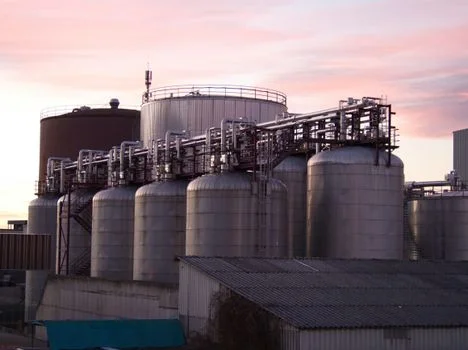
Implementing an effective precipitation system requires careful selection across the full treatment train, from chemical introduction to final sludge handling. Each component affects process efficiency, compliance margin, and operating cost. CapEx decisions that ignore sludge texture usually show up later as press blinding or clarifier carryover.
Dosing systems. Precision in chemical addition is required for precipitation control and cost control. Manual dosing is prone to human error and inconsistent treatment, which leads to chemical waste or compliance excursions. Automated dosing systems, typically PLC-controlled, use real-time pH and flow data to adjust chemical feed rates. For sulfide systems, ORP sensors monitor sulfide residual, limiting hazardous H₂S formation and optimizing chemical consumption. Plants running Fenton plus precipitant duty usually standardize on the same PLC-controlled chemical dosing systems for copper precipitation skid family for spares and operator training.
Mixing. Proper mixing ensures contact between the precipitant and copper ions, which promotes reaction and floc formation. The process uses two stages. Rapid mix applies high-intensity mixing (G-value = 800–1000 s⁻¹) for 1–2 minutes to disperse chemicals; radial-flow impellers such as Rushton turbines are effective for that shear. Flocculation then applies slower mixing (G-value = 50–100 s⁻¹) for 15–30 minutes so larger settleable flocs can form; axial-flow hydrofoil impellers are preferred to minimize shear and prevent floc breakup.
Sedimentation. After flocculation, copper precipitates must be separated from treated water. Lamella clarifiers use inclined plates to increase effective settling area and support surface loading rates of 20–40 m/h, compared with conventional clarifiers at about 1–2 m/h. The compact design fits facilities with limited space. The sizing formula is Q = A × v, where Q is flow rate, A is effective settling area, and v is design overflow rate. Conventional sedimentation tanks use a larger footprint but a simpler design and still fit sites with spare land. For robust solids-liquid separation, lamella clarifiers for copper hydroxide/sulfide sludge separation remain the usual specification on hydroxide or sulfide duty.
Sludge dewatering. Concentrated sludge from the clarifier must be dewatered to cut volume, lower disposal cost, and hit target cake dryness. Plate-and-frame filter presses are effective for metal hydroxide and sulfide sludges, achieving cake dryness targets of 30–40% solids, which is often required for landfill disposal. Typical throughput ranges from 200–600 kg/m²·h. Centrifuges offer continuous operation and can also achieve high solids content (about 100–300 kg/m²·h), but may carry higher maintenance and energy costs. Filter presses for copper sludge dewatering to 30–40% solids are a common choice when operators need a dry, stackable cake.
What does chemical-based wastewater treatment cost for copper?
Chemical-based wastewater treatment cost for copper splits into CapEx, chemical spend, sludge disposal, power, and labor, and those lines vary with system scale and precipitant. Lime is the most economical precipitant on a unit-price basis, typically $0.08–$0.12/kg. Sodium sulfide costs $0.35–$0.50/kg. Soda ash falls between them at $0.20–$0.30/kg. Multiply those prices by dosage ratios of 1.5–2.5:1 for lime, 1.1–1.3:1 for sulfide, and 2.0–3.0:1 for soda ash to estimate annual chemical spend.
Sludge disposal is the other large OPEX driver. Landfill disposal of dry solids typically ranges from $0.15–$0.30/kg. If copper sludge can be recycled for metal recovery, costs can drop to $0.05–$0.10/kg. Certain metal sludges may classify as hazardous waste and incur higher disposal fees. That classification should be confirmed with the receiving facility before CapEx is frozen.
| System Component / Cost Type | 10 m³/h System (Lime) | 10 m³/h System (Sulfide) | 50 m³/h System (Lime) | 50 m³/h System (Sulfide) | 200 m³/h System (Lime) | 200 m³/h System (Sulfide) |
|---|---|---|---|---|---|---|
| Capital Expenditure (CapEx) | ||||||
| Dosing System (Automated) | $15,000 | $20,000 | $30,000 | $40,000 | $70,000 | $90,000 |
| Clarifier (Lamella) | $25,000 | $25,000 | $70,000 | $70,000 | $200,000 | $200,000 |
| Filter Press (Plate-and-Frame) | $30,000 | $25,000 | $80,000 | $60,000 | $250,000 | $180,000 |
| Chemical Storage & Transfer | $10,000 | $12,000 | $25,000 | $30,000 | $60,000 | $75,000 |
| Automation & Controls (PLC, Sensors) | $10,000 | $15,000 | $20,000 | $30,000 | $40,000 | $60,000 |
| Installation & Engineering | $20,000 | $25,000 | $50,000 | $60,000 | $150,000 | $180,000 |
| Total Estimated CapEx | $110,000 | $122,000 | $275,000 | $290,000 | $770,000 | $785,000 |
| Operational Expenditure (OPEX) per Year (Estimated) | ||||||
| Chemicals (Based on 50 mg/L Cu influent) | $10,000 | $15,000 | $50,000 | $75,000 | $200,000 | $300,000 |
| Sludge Disposal (Dry Solids) | $8,000 | $3,000 | $40,000 | $15,000 | $160,000 | $60,000 |
| Power & Utilities | $5,000 | $6,000 | $15,000 | $18,000 | $40,000 | $50,000 |
| Labor & Maintenance | $12,000 | $15,000 | $30,000 | $35,000 | $80,000 | $90,000 |
| Total Estimated OPEX/Year | $35,000 | $39,000 | $135,000 | $143,000 | $480,000 | $500,000 |
ROI calculation example (50 m³/h system over 5 years, 50 mg/L Cu influent). Assume a facility currently pays $100,000/year in fines for copper exceedances. For the sulfide system, CapEx is $290,000 and OPEX is $143,000/year. Total cost over 5 years is $290,000 + (5 × $143,000) = $1,005,000. Fines avoided over 5 years equal $500,000. Net cost after fines avoided equals $505,000. For the lime system, CapEx is $275,000 and OPEX is $135,000/year. Total cost over 5 years is $275,000 + (5 × $135,000) = $950,000. After the same $500,000 in avoided fines, net cost equals $450,000.
In that scenario the lime system shows a lower net cost over 5 years, mainly from lower chemical and operating complexity, even with higher sludge volumes. If compliance risk is extreme and the plant must hold sub-0.1 mg/L copper every day, the sulfide system’s lower residual can still justify the extra spend. For multi-metal process design beyond copper-only duty, compare against https://hydropurewater.com/blog/4844-chemical-precipitation-for-copper-removal-2026-engineering-specs-cost-models-zero-risk-selection-guide.html.
Field notes that change the design sheet
Most copper precipitation failures we see after commissioning are not chemistry surprises. They are control and solids-handling gaps that were left soft in the design package. Probe placement in a poorly mixed zone, day tanks without level interlocks, and press cloths selected for generic biological sludge all show up as “the precipitant does not work.” Fix those mechanical details before you change chemistry.
Jar-test every campaign change that adds a new cleaner, etchant, or brightener. A new EDTA-bearing bath can move a stable lime train from 0.3 mg/L effluent copper to above 1.0 mg/L overnight. Keep a written jar-test matrix with precipitant dose, pH setpoint, polymer dose, and measured residual copper so operators can return to a known good recipe without guessing.
When comparing sulfide and lime on paper, include the cost of H₂S monitoring, scrubber or ventilation upgrades, and operator training. Those items rarely appear in the chemical unit-price table, yet they decide whether a sulfide design is operable on a crowded plating floor. If the site cannot support that safety envelope, size a lime or carbonate train with polishing capacity instead of forcing sulfide into the wrong room.
Finally, treat sludge contracts as part of process design. Confirm acceptance criteria early, then set the press cycle time and polymer grade against that contract, not against a generic 30–40% solids brochure claim.
Selection checklist before you freeze the P&ID
- Confirm free versus chelated copper with jar tests on real wastewater.
- Pick precipitant from residual copper target, H₂S risk tolerance, and sludge disposal route.
- Set pH and ORP control loops, plus weekly probe calibration, before startup.
- Size clarifier and press on measured SVI, not on dissolved copper alone.
- Budget sludge as hazardous waste or recoverable metal cake, not as generic solids.
- Model CapEx and five-year OPEX at your actual flow and copper load.
- Decide whether upstream DAF or filtration is needed for oil and TSS.
Troubleshooting common copper precipitation failures
Effective troubleshooting protects uptime, compliance, and chemical spend. Many copper precipitation issues can be diagnosed with a short checklist before anyone raises the dose.
Symptom: effluent copper concentration >1.0 mg/L. Incorrect pH is the most common cause of poor precipitation. Calibrate pH probes at least weekly and verify readings with a handheld meter. Adjust chemical dosing setpoints to hold the optimal range for the chosen precipitant (9.5–11.5 for lime, 8.5–9.5 for sulfide). Check dosing pump stroke and chemical supply. If chelating agents are present, soluble copper complexes prevent precipitation; run jar tests with hydrogen peroxide and ferrous sulfate, then implement a Fenton pre-treatment at pH 3–4 before precipitation. If mixing is insufficient, measure G-value in the rapid-mix and flocculation tanks and confirm impeller condition. Keep rapid mix near 800–1000 s⁻¹ and flocculation near 50–100 s⁻¹.
Symptom: poor sludge settling (SVI >200 mL/g). Overdosing precipitant or polymer can destabilize flocs. Reduce chemical dosage in about 10% increments while monitoring effluent quality and SVI. Perform jar tests to optimize coagulant and flocculant dosages. Low temperature below 10°C slows flocculation kinetics; add a flocculant aid suited to cold water and extend flocculation time. High TSS or colloidal particles also interfere with floc formation; install pre-filtration such as granular media filtration, or raise coagulant dosage before the precipitant stage.
Symptom: H₂S odor in sulfide systems. Hydrogen sulfide gas forms readily below pH 8.0. Raise pH immediately with a strong base such as NaOH, then verify probe calibration and control setpoints. If ORP sits above about −200 mV, free sulfide may be too low for stable control during load swings. Reduce sulfide dosage incrementally while monitoring ORP and effluent copper. Maintain ORP near −250 mV to −350 mV so precipitation continues without excess sulfide.
Symptom: filter press blinding. Sludge cake below 25% solids is sticky and blinds cloths. Increase the dose of sludge conditioning polymer, improve polymer-sludge mixing, and confirm filter cloth selection and integrity. Filter presses for copper sludge dewatering to 30–40% solids require that conditioning step. Lime scaling from calcium carbonate buildup responds to periodic acid washing of cloths with a 5% HCl solution, plus tighter control of excess lime in the precipitation step.
Operators should also log influent copper, pH, ORP, polymer dose, and press cake solids on every shift when the train is still stabilizing. Those five numbers usually explain a compliance excursion faster than a full laboratory metals suite. If effluent copper rises while pH and ORP stay on setpoint, look for a new chelating cleaner or a failed polymer batch before you raise precipitant dose again.
Spare-parts planning belongs in the same review. Keep a calibrated spare pH probe, an ORP probe for sulfide duty, and at least one set of press cloths matched to the sludge type. Downtime waiting for cloths or probes often costs more than the parts themselves when a discharge limit is measured daily. Document the cloth part number and the polymer grade that produced the last accepted cake solids result.
For EPC packages, require the vendor to submit a control narrative that states interlocks for low day-tank level, high H₂S alarm, pH out-of-range hold, and clarifier high-level divert. A narrative that only lists instruments without stating the fail-safe action leaves the plant exposed during the first night shift after handover. Review that narrative against the same jar-test matrix used to set the chemistry.
Keep vendor performance guarantees tied to a defined wastewater recipe: influent copper range, temperature band, chelate status, and target effluent copper. Open-ended guarantees that ignore those boundary conditions create disputes later and do not help the operator run the plant. When the real wastewater sits outside the recipe, re-run jar tests and update the control setpoints instead of forcing the original dose table.
Training should cover both the chemistry windows and the safety envelope. Sulfide duty needs clear steps for H₂S odor response, respirator access if required by site policy, and who can change ORP setpoints. Lime duty needs clear steps for scaling washdowns and for what to do when SVI climbs above 200 mL/g. Write those steps into the shift handover sheet so knowledge does not leave with one senior operator.
Procurement teams should compare bids on total five-year cash cost, not on CapEx alone. A cheaper clarifier that forces a larger press, or a cheaper press that cannot hit the landfill solids target, simply moves cost into sludge haulage. Use the CapEx and OPEX tables in this article as a checklist of line items every bid must fill, then overlay your local chemical and disposal unit prices.
If your copper stream is intermittent, design equalization before the precipitator. Short spikes to 1,000 mg/L copper will overrun a dose loop tuned for 50 mg/L even when the daily average looks mild. Equalization also stabilizes temperature and pH, which improves flocculation reproducibility on hydroxide systems that already struggle below 10°C.
Who this is for / Who should look elsewhere / Next step
This page is for plant engineers, EPC contractors, and procurement managers sizing copper precipitation on plating, PCB, or similar high-copper streams. Look elsewhere if copper is already below about 1 mg/L and you only need polishing media, or if the waste is dominated by strong chelates with no oxidation budget. When you have flow, influent copper, and a discharge limit, request a sized dosing-clarifier-press package through our copper precipitation inquiry form.
Frequently Asked Questions
What precipitants are used for copper removal and at what pH?
Lime (Ca(OH)₂), sodium sulfide (Na₂S), and soda ash (Na₂CO₃) are the primary precipitants. Lime forms copper hydroxide best at pH 9.5–11.5. Sodium sulfide forms copper sulfide best at pH 8.5–9.5. Soda ash forms copper carbonate best at pH 8.0–9.0. Dosage ratios are typically 1.5–2.5, 1.1–1.3, and 2.0–3.0 kg precipitant per kg copper respectively.
How does precipitation cost compare with ion exchange or adsorption?
Chemical precipitation usually costs $0.12–$0.60 per kg copper removed and handles high influent loads well. Ion exchange often costs $1.20–$2.50/kg Cu. Adsorption often costs $0.80–$1.50/kg Cu at about 100 m³/h. Exchange and adsorption can polish dilute streams, but CapEx and regenerant waste rise quickly on concentrated copper wastewater.
How should copper precipitation sludge be managed?
Manage sludge by volume, density, and waste classification. Lime sludge is bulky with SVI often 150–200 mL/g. Sulfide sludge is denser, frequently below 100 mL/g SVI. Dewater with filter presses to 30–40% solids before landfill or metal recovery. Some copper cakes are hazardous waste and need the matching disposal code and transporter.
How are chelating agents handled before copper precipitation?
Chelating agents such as EDTA keep copper soluble so direct precipitation fails. Break the complex first, commonly with Fenton chemistry using H₂O₂ and Fe²⁺ at pH 3–4. After the chelate is oxidized, free Cu²⁺ can be precipitated with lime, sulfide, or carbonate under the normal pH windows used for non-chelated copper wastewater.
What equipment is essential for a copper precipitation system?
Essential equipment includes automated chemical dosing with pH and ORP control, rapid-mix and flocculation tanks, lamella or conventional clarifiers, and plate-and-frame filter presses for 30–40% cake solids. ORP is mandatory on sulfide duty. Match clarifier and press area to measured SVI rather than to dissolved copper alone.