Why Food Processing Plants Need SO2 Scrubber Systems
An SO2 scrubber system for food processing removes sulfur dioxide from exhaust streams—such as boiler flue gas or sulfite-based preservation off-gas—using wet or dry scrubbing technologies. Wet lime or NaOH systems achieve 90–99% removal efficiency, are ideal for high-SO2 loads, and are commonly used in peel processing, fermentation, and steam generation. HydropureWater's FGD scrubbers integrate SO₂ removal and particulate capture in one tower, meeting EPA NSPS and EU IED 2010/75/EU standards.
Sulfur dioxide (SO2) generation in food manufacturing is often an overlooked byproduct of both utility operations and direct processing. While large-scale power plants are the traditional focus of Flue Gas Desulfurization (FGD), mid-sized food plants encounter significant SO2 challenges from three primary sources: the combustion of high-sulfur fuels in industrial boilers, the use of sulfite-based preservatives, and specific chemical treatments like citrus peel deliming. In facilities processing dried fruits, wine, or potatoes, sulfite residuals can volatilize during drying or heating stages, creating concentrated acid gas streams that exceed permissible workplace and emission limits.
Processing operations involving citrus peel or vegetable skin removal often utilize sulfur-based acidification to stabilize the byproduct for animal feed or pectin extraction. These emissions can reach concentrations of 500–2,000 mg/m³ SO2, necessitating a removal efficiency of at least 90% to comply with regional air quality mandates. Without a dedicated comprehensive guide to U.S. emissions and effluent compliance, many plants risk heavy fines under the EPA’s Clean Air Act.
Regulatory frameworks, specifically the EPA New Source Performance Standards (NSPS) Subpart Db and the EU Industrial Emissions Directive 2010/75/EU, mandate strict SO2 controls for food manufacturing facilities with a thermal input exceeding 50 MW. Even for smaller facilities, local "Minor Source" permits often require scrubbing technologies to mitigate the environmental impact of acid rain precursors and to protect sensitive local ecosystems from industrial acidification.
How SO2 Scrubber Systems Work: Wet vs. Dry Technologies
The selection of an SO2 scrubber system depends on the required removal efficiency, the volume of the gas stream, and the availability of reagent handling infrastructure. The fundamental mechanism involves the mass transfer of SO2 from a gaseous phase into a liquid or solid phase through a chemical reaction with an alkaline reagent. In the food industry, three primary configurations dominate the market, each offering distinct advantages regarding water consumption and footprint.
Wet Scrubbing Systems represent the most common choice for food plants requiring maximum efficiency. These systems utilize a recirculating alkaline solution, typically sodium hydroxide (NaOH) or a lime slurry. The chemical reaction for a caustic-based system is expressed as: SO2 + 2NaOH → Na2SO3 + H2O. Wet scrubbers achieve 95–99% removal efficiency and are particularly effective at handling the fluctuating loads common in batch-based food processing. They also provide secondary benefits by capturing fine particulates and aerosols that may be present in boiler exhaust.
Dry Scrubbing Systems involve the injection of a dry alkaline reagent, such as hydrated lime (Ca(OH)2), directly into the flue gas stream. The reaction—SO2 + Ca(OH)2 → CaSO3 + H2O—occurs as the gas passes through a fabric filter or electrostatic precipitator. While removal efficiency is slightly lower (85–90%), dry systems are preferred in facilities where wastewater discharge is strictly limited, as they produce a dry waste product that is easier to transport and dispose of (HydropureWater field data, 2025).
Semi-Dry Circulating Fluidized Bed (CFB) Scrubbers offer a middle ground, providing 90–95% efficiency with significantly lower water usage than wet systems. These are ideal for water-scarce regions or plants where the moisture content of the exhaust must be carefully managed to prevent plume visibility or downstream corrosion in the stack. An integrated FGD scrubber system with lime recycling can further optimize reagent usage in these configurations.
| Technology Type | SO2 Removal Efficiency | Reagent Used | Water Consumption | Byproduct State |
|---|---|---|---|---|
| Wet Scrubber | 95–99% | NaOH / Lime Slurry | High | Liquid Slurry/Sludge |
| Dry Scrubber | 85–90% | Hydrated Lime | Minimal | Dry Powder |
| Semi-Dry (CFB) | 90–95% | Lime Slurry | Moderate | Dry/Moist Solid |
Key Components of an Industrial SO2 Scrubber
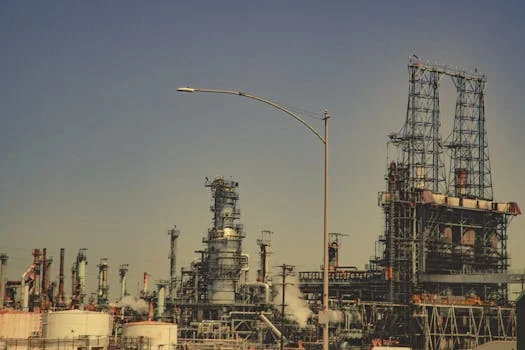
An industrial SO2 scrubber is a complex assembly of chemical engineering components designed to withstand highly corrosive environments while maintaining precise reaction conditions. The heart of the system is the absorption tower. To maximize the gas-liquid contact area, these towers are often filled with specialized packing media, such as Pall Rings or structured saddles. HydropureWater utilizes corrosion-resistant materials like Fiber Reinforced Plastic (FRP) or high-grade stainless steel (316L or Duplex) to ensure a service life exceeding 15 years in acidic environments.
The reagent delivery system is equally critical. It consists of high-head recirculation pumps and a PLC-controlled dosing for NaOH or lime slurries. Maintaining the correct pH is the primary driver of efficiency; for lime-based systems, a pH range of 5.5–6.5 is optimal to prevent scaling while maximizing SO2 absorption. For NaOH systems, the pH is typically maintained between 8.0 and 9.0. Modern systems integrate real-time pH and ORP (Oxidation-Reduction Potential) sensors to adjust dosing rates automatically based on inlet gas concentrations.
To prevent the carryover of chemical-laden droplets into the atmosphere, high-efficiency moisture eliminators (mist eliminators) are installed at the top of the tower. These components use chevron-style vanes or mesh pads to coalesce droplets, which then drain back into the reaction tank. When combined with integrated particulate capture stages, these systems can achieve overall emission reductions that exceed 99% for both acid gases and soot, ensuring the facility remains a "good neighbor" in mixed-use industrial zones.
Wet Scrubbing with NaOH vs. Lime: Performance and Trade-offs
Choosing between sodium hydroxide (caustic soda) and calcium hydroxide (lime) is the most significant operational decision for a plant manager. This choice dictates not only the annual chemical spend but also the complexity of byproduct handling and the physical footprint of the installation. In many food processing environments, space is a premium commodity, often making the more compact NaOH systems attractive despite higher reagent costs.
Sodium Hydroxide (NaOH) Systems: These are characterized by high reactivity and high solubility. Because the reagent is a liquid, there is no risk of nozzle clogging or internal scaling, which simplifies maintenance. NaOH systems are 30–50% more expensive per ton of SO2 removed compared to lime, but they offer a significantly smaller footprint. However, the resulting sodium sulfite (Na2SO3) waste stream can be difficult to treat in standard biological wastewater plants due to high salt content and oxygen demand.
Lime (Ca(OH)2) Systems: Lime is the industry standard for cost-efficiency. The primary advantage is the potential for byproduct reuse; lime-based scrubbing produces gypsum (calcium sulfate), which can be sold for agricultural use or cement manufacturing. This can reduce disposal costs by up to 40% compared to caustic systems. The trade-off is the mechanical complexity of handling slurries, which requires constant agitation and robust pumping systems to prevent sedimentation and scaling (per EPA technical guidelines).
| Comparison Factor | NaOH (Caustic) | Lime (Calcium) | Impact on Food Plant |
|---|---|---|---|
| Reagent Cost | High ($$$) | Low ($) | Lime is better for high-volume 24/7 ops |
| System Footprint | Compact | Large (requires slaking) | NaOH fits better in existing urban plants |
| Byproduct Handling | Liquid (High TDS) | Solid (Gypsum) | Gypsum can be repurposed as fertilizer |
| Maintenance Level | Low | Moderate to High | Lime requires frequent descaling |
Sizing and Cost of SO2 Scrubber Systems for Food Plants
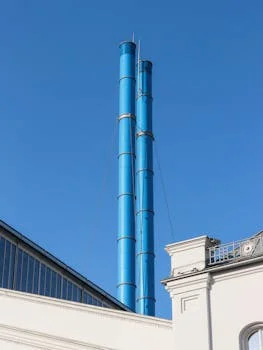
For a medium-scale food processing plant—such as a facility processing 500 tons of raw fruit per day—a typical exhaust flow rate of 10,000 m³/h is common. For such an application, a complete wet FGD system generally costs between $180,000 and $250,000 for the equipment and installation. While the initial capital expenditure is significant, a detailed 2025 FGD scrubber pricing and ROI analysis reveals that the long-term cost-per-kilogram of SO2 removed is the more critical metric for procurement.
Operating expenses (OPEX) are dominated by reagent consumption and the electricity required for high-volume recirculation pumps. On average, treating a cubic meter of gas costs between $0.03 and $0.05. When calculated by pollutant mass, wet FGD systems using lime average $18–$22 per kg of SO2 removed annually. Facilities using NaOH may see this rise to $30–$35 per kg, depending on local chemical commodity prices. These costs must be weighed against the risk of non-compliance; under the EPA Clean Air Act, fines for violating emission limits can reach $37,500 per day per violation.
The Return on Investment (ROI) for an SO2 scrubber system is typically realized within 3.5 to 5 years. This calculation factors in the avoidance of fines, the potential revenue from gypsum byproduct sales, and the protection of downstream equipment from acid-induced corrosion. as global supply chains increasingly prioritize ESG (Environmental, Social, and Governance) metrics, a certified SO2 control system can be a prerequisite for maintaining contracts with major retailers and international food brands.
| Cost Component | Estimated Range (10k m³/h) | Notes |
|---|---|---|
| Capital Investment (CAPEX) | $180,000 – $250,000 | Includes tower, pumps, and PLC controls |
| Annual Reagent Cost | $25,000 – $45,000 | Highly dependent on SO2 inlet concentration |
| Electricity Consumption | $8,000 – $12,000 | Primarily for recirculation and ID fans |
| Maintenance & Parts | $5,000 – $9,000 | Includes nozzle cleaning and sensor calibration |
Frequently Asked Questions
What is the cost of an SO2 scrubber?
A typical wet FGD system for food processing costs between $180,000 and $250,000 for a 10,000 m³/h capacity. The annual operational cost is approximately $18–$22 per kg of SO2 removed when using lime-based reagents.
What can be used to remove SO2?
Alkaline reagents are the most effective materials for SO2 removal. Sodium hydroxide (NaOH) is preferred for its high solubility and compact system design, while calcium hydroxide (lime) is the industry standard for cost-efficiency and byproduct reuse.
How do SO2 scrubbers work?
They function by forcing contaminated flue gas through an alkaline solution. The SO2 reacts chemically with the reagent (forming sodium sulfite or calcium sulfate), effectively transferring the pollutant from the gas stream into a manageable liquid or solid waste form.
What is the best SO2 scrubber for food processing?
For facilities with high SO2 loads and available space, lime-based wet scrubbers are optimal due to lower reagent costs. For urban plants with space constraints or lower SO2 loads, NaOH wet scrubbers offer a compact and low-maintenance alternative.
Can SO2 scrubbers handle variable loads in food plants?
Yes. Modern systems utilize variable frequency drives (VFDs) on pumps and PLC-controlled dosing systems to automatically adjust reagent flow in response to the batch-processing cycles typical in food manufacturing.