Industrial wastewater treatment in Kampala requires systems that meet NEMA’s strict discharge limits (e.g., COD <100 mg/L, TSS <30 mg/L for most industries) while handling high-strength effluents from breweries, textiles, and metal finishing. Hybrid systems—such as DAF for FOG removal followed by MBR for biological treatment—achieve 95–99% pollutant reduction, with CAPEX ranging from $1.2M (DAF-only) to $15M (full ZLD with RO). Sludge dewatering (belt filter presses or centrifuges) adds 15–20% to costs but reduces disposal fees by 60%.
Why Kampala’s Industrial Facilities Need Wastewater Treatment Now
NEMA’s 2026 enforcement crackdown indicates a 30% increase in inspections for industrial effluents across Kampala, according to the NEMA 2025 report cited in the SFD Promotion Initiative Kampala. This heightened scrutiny directly impacts industrial facility managers, environmental engineers, and procurement teams facing the dual challenge of regulatory compliance and operational efficiency. Many factories in Kampala, including a prominent textile factory recently fined $50,000 for repeated COD violations, are under pressure to upgrade their wastewater treatment infrastructure. The urgency is further underscored by the severe environmental degradation of Lake Victoria, where the Nakivubo Channel alone receives an estimated 80% of Kampala’s untreated industrial wastewater, a clear violation of Uganda’s National Environment Act (2019).
Ignoring these compliance requirements carries significant financial risks beyond direct fines. Common violations in Kampala’s industrial sector show that Chemical Oxygen Demand (COD) accounts for 70% of fines, Total Suspended Solids (TSS) for 20%, and heavy metals for 10%, with textile and metal finishing industries being particularly high-risk. Proactive investment in advanced industrial wastewater treatment in Kampala can yield substantial returns. For example, a Kampala brewery installed a DAF-MBR system, reducing its influent COD from 2,500 mg/L to an effluent of less than 50 mg/L, which not only met NEMA’s discharge limits but also reduced disposal fees by 60% and avoided $30,000 per year in potential fines. This demonstrates how optimized Kampala industrial effluent treatment minimizes operational risk and protects the environment.
NEMA’s Industrial Wastewater Discharge Limits: What Kampala Factories Must Meet
Meeting Uganda’s National Environment (Standards for Discharge of Effluent into Water or on Land) Regulations, 2020, is mandatory for all industrial facilities in Kampala discharging wastewater. NEMA’s 2026 discharge limits for Kampala set clear benchmarks for key pollutants. For general industrial discharge, the Chemical Oxygen Demand (COD) limit is <100 mg/L, and Total Suspended Solids (TSS) must be <30 mg/L. However, stricter limits apply to specific sectors; food processing and pharmaceutical industries, for instance, must achieve a COD of <50 mg/L. The pH range is consistently set between 6 and 9 for all industries, with no exceptions.
Heavy metal discharge also faces stringent limits: chromium, lead, and cadmium must be <0.5 mg/L, while copper and zinc are capped at <1.0 mg/L. Industry-specific variations are crucial for compliance: tanneries, for example, must achieve chromium levels below <0.1 mg/L, breweries are held to a Biological Oxygen Demand (BOD) limit of <20 mg/L, and metal finishing operations must ensure nickel discharge is <0.5 mg/L. Non-compliance with these NEMA wastewater discharge limits Uganda can result in severe penalties, including fines up to UGX 100 million (approximately $27,000 USD) or up to five years imprisonment, as stipulated by the National Environment Act, 2019. To verify ongoing compliance, facilities must conduct quarterly testing through NEMA-approved laboratories, such as the Uganda National Bureau of Standards.
| Pollutant | General Industrial Limit (mg/L) | Specific Industry Exceptions (mg/L) | pH Range (all industries) |
|---|---|---|---|
| COD | <100 | <50 (Food Processing, Pharmaceuticals) | 6–9 |
| TSS | <30 | None | |
| Heavy Metals (Cr, Pb, Cd) | <0.5 | <0.1 (Chromium for Tanneries) | |
| Heavy Metals (Cu, Zn) | <1.0 | <0.5 (Nickel for Metal Finishing) | |
| BOD | N/A | <20 (Breweries) | N/A |
How to Choose the Right Industrial Wastewater Treatment System for Kampala
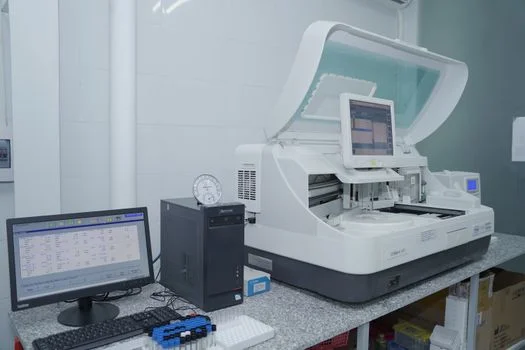
Selecting the optimal industrial wastewater treatment system for a facility in Kampala hinges on a structured evaluation of effluent characteristics and industry-specific requirements. The first step involves thoroughly characterizing your effluent by measuring key parameters such as COD, TSS, FOG (Fats, Oils, and Grease), pH, and heavy metals. Utilizing NEMA’s list of approved laboratories in Kampala ensures accurate and credible data for this crucial initial assessment. Once the effluent profile is established, the second step is to match your industry to proven system types that effectively address its unique challenges.
- Food Processing: Often characterized by high FOG and organic loads, these effluents benefit from DAF for FOG removal, followed by aerobic digestion for COD/BOD reduction.
- Textiles: Dye removal is critical. A hybrid system of DAF for dye and TSS removal, combined with MBR for significant COD/TSS reduction, and often Reverse Osmosis (RO) for final color removal to meet strict NEMA limits, is recommended. MBR for textile wastewater Kampala is highly effective for high-strength effluents.
- Metal Finishing: Characterized by heavy metals, these effluents require chemical precipitation for metal removal, followed by DAF for TSS reduction, and precise pH adjustment.
- Breweries: High organic loads (COD/BOD) and some FOG necessitate DAF for FOG, followed by MBR for robust COD/BOD reduction. Anaerobic digestion can also be integrated for biogas recovery, offering an additional operational benefit.
The third step involves evaluating system trade-offs based on factors such as desired effluent quality, required footprint, energy consumption, CAPEX/OPEX, and sludge production. For instance, a Kampala textile factory successfully reduced dye discharge by 99% using a DAF-MBR-RO system, transforming an influent color of 1,200 Pt-Co to an effluent of less than 10 Pt-Co. This targeted approach ensures that the chosen system delivers optimal performance and compliance.
| System Type | Primary Application | Key Pollutants Treated | Typical Effluent Quality (COD/TSS) | Footprint | Energy Use (kWh/m³) | Relative CAPEX | Relative OPEX |
|---|---|---|---|---|---|---|---|
| DAF (Dissolved Air Flotation) | Pre-treatment, FOG/TSS removal | FOG, TSS, some COD, Color | COD: 60-80% reduction; TSS: <50 mg/L | Medium | 0.3–0.5 | Low | Low |
| MBR (Membrane Bioreactor) | High-strength biological treatment | COD, BOD, TSS, Nitrogen, Pathogens | COD: <30 mg/L; TSS: <1 mg/L | Small | 0.6–1.2 | Medium-High | Medium-High |
| RO (Reverse Osmosis) | Polishing, ZLD, TDS/Color removal | TDS, Color, Heavy Metals, Trace Organics | TDS: <100 mg/L; Color: <10 Pt-Co | Small-Medium | 1.5–3.0 | High | High |
Industrial Wastewater Treatment Equipment Specs for Kampala’s Factories
The precise engineering specifications of wastewater treatment equipment are critical for achieving NEMA compliance and operational efficiency in Kampala’s industrial facilities. DAF systems for Kampala’s industrial effluents are specifically designed to handle high concentrations of solids and fats. Typical influent specifications for these systems include TSS ranging from 500–5,000 mg/L, FOG from 200–1,500 mg/L, and COD from 1,000–10,000 mg/L. Post-treatment, DAF systems can reduce TSS to <50 mg/L, FOG to <10 mg/L, and achieve a COD reduction of 60–80%. Sizing guidelines suggest approximately 1 m³/h of DAF capacity per 5–10 kg of TSS, meaning a 50 m³/h DAF unit can treat 250–500 kg TSS/h. Energy consumption for these units is typically low, ranging from 0.3–0.5 kWh/m³ (HydropureWater specs).
MBR systems for high-strength industrial effluents in Kampala are essential for achieving stringent NEMA discharge limits, particularly for biological contaminants. These systems effectively treat influent with COD ranging from 1,000–20,000 mg/L, BOD from 500–10,000 mg/L, and TSS from 200–2,000 mg/L. The resulting effluent consistently meets NEMA limits, with COD typically <30 mg/L, BOD <5 mg/L, and TSS <1 mg/L. MBR membranes, such as HydropureWater’s DF series PVDF flat sheet membranes, operate at a flux of 15–25 LMH, with energy consumption for aeration and pumping between 0.6–1.2 kWh/m³. For industries aiming for zero-liquid discharge (ZLD) or requiring ultra-pure water, RO systems are deployed. These systems process influent with TDS from 1,000–10,000 mg/L (requiring robust pre-treatment to ensure COD <50 mg/L) to produce effluent with TDS <100 mg/L, achieving 95–99% recovery rates. RO systems typically consume 1.5–3.0 kWh/m³ due to high-pressure pumps.
Finally, effective sludge dewatering equipment Uganda is critical for managing waste and reducing disposal costs. Sludge dewatering equipment for Kampala’s industrial facilities often includes belt filter presses or centrifuges. Belt filter presses, with a 2.5 m belt width, can process up to 720 kg DS/h/unit (per EMO’s Bugolobi specs for municipal sludge, adaptable for industrial applications with appropriate conditioning). Centrifuges offer higher capacity (10–20 m³/h) and achieve higher cake solids (20–30%), though they have a higher CAPEX but lower OPEX in the long run.
| Equipment Type | Influent Specs (Typical) | Effluent Specs (Typical) | Sizing Rule of Thumb | Energy Use (kWh/m³) | Key Benefits |
|---|---|---|---|---|---|
| DAF | TSS 500–5,000 mg/L, FOG 200–1,500 mg/L, COD 1,000–10,000 mg/L | TSS <50 mg/L, FOG <10 mg/L, COD reduction 60–80% | 1 m³/h per 5–10 kg TSS | 0.3–0.5 | Effective FOG/TSS removal, pre-treatment for MBR/RO |
| MBR (DF series) | COD 1,000–20,000 mg/L, BOD 500–10,000 mg/L, TSS 200–2,000 mg/L | COD <30 mg/L, BOD <5 mg/L, TSS <1 mg/L (NEMA compliant) | Membrane flux: 15–25 LMH | 0.6–1.2 | High effluent quality, small footprint, biological treatment |
| RO (ZLD systems) | TDS 1,000–10,000 mg/L, COD <50 mg/L (post-pre-treatment) | TDS <100 mg/L, 95–99% recovery rate | Based on desired recovery & permeate quality | 1.5–3.0 | Zero-liquid discharge, high-purity water reuse, critical for pharmaceutical wastewater Uganda |
| Sludge Dewatering (Belt Press/Centrifuge) | Sludge solids 1–5% | Cake solids 20–30% | Belt press: 2.5m width for 720 kg DS/h; Centrifuge: 10–20 m³/h | 0.05–0.2 (per m³ sludge) | Reduces sludge volume, lowers disposal costs |
CAPEX and OPEX Breakdown: How Much Does Industrial Wastewater Treatment Cost in Kampala?
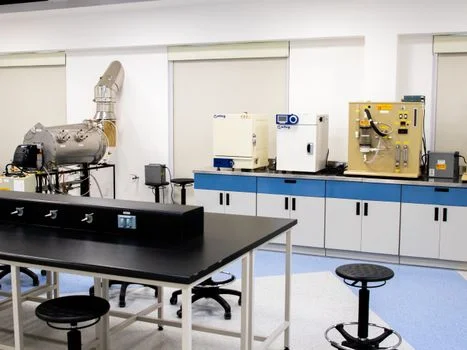
The cost of industrial wastewater treatment plant cost Kampala varies significantly based on system complexity, capacity, and desired effluent quality. For 2026, CAPEX for DAF-only systems, typically used for pre-treatment in food processing or textiles with capacities of 50–200 m³/h, ranges from $1.2 million to $3 million. More comprehensive solutions like DAF coupled with aerobic digestion, suitable for breweries or pharmaceuticals at 100–500 m³/h, entail a CAPEX of $2.5 million to $6 million. Advanced DAF-MBR systems, designed for 200–1,000 m³/h in textile or metal finishing industries, range from $4 million to $10 million. The most sophisticated DAF-MBR-RO configurations for zero-liquid discharge (ZLD) systems Uganda, handling 500–2,000 m³/h for high-TDS industries, command a CAPEX between $8 million and $15 million.
Operational Expenditure (OPEX) is typically calculated per cubic meter of treated water and varies by technology. DAF systems generally incur an OPEX of $0.80–$1.50/m³, with chemicals accounting for 60%, energy 20%, labor 15%, and maintenance 5%. MBR systems, due to membrane and aeration requirements, have an OPEX of $1.50–$2.50/m³, with energy as the dominant factor (50%), followed by membrane replacement (20%), chemicals (20%), and labor (10%). RO systems, designed for high purity and ZLD, have the highest OPEX at $2.00–$4.00/m³, primarily driven by energy (60%) and membrane replacement (25%), with chemicals (10%) and labor (5%) making up the rest. Sludge disposal costs are a significant component of OPEX, ranging from $50–$150/ton for landfill fees in Kampala (NEMA 2025 data). Key ROI drivers for these investments include avoiding NEMA fines (up to $27,000 per violation), reducing reliance on expensive municipal water (recycled water can cost $0.50/m³ compared to $2.00/m³ for fresh municipal supply), and potential biogas recovery in breweries, which can offset energy costs by $100,000 per year.
| System Configuration | Typical CAPEX (USD) | Typical OPEX ($/m³ treated) | Primary OPEX Drivers | Key ROI Drivers |
|---|---|---|---|---|
| DAF-only (50–200 m³/h) | $1.2M–$3M | $0.80–$1.50 | Chemicals (60%), Energy (20%) | NEMA fine avoidance, reduced disposal fees |
| DAF + Aerobic Digestion (100–500 m³/h) | $2.5M–$6M | $1.20–$2.00 | Energy (40%), Chemicals (30%) | NEMA fine avoidance, water reuse potential |
| DAF-MBR (200–1,000 m³/h) | $4M–$10M | $1.50–$2.50 | Energy (50%), Membrane replacement (20%) | High compliance, water reuse, reduced footprint |
| DAF-MBR-RO (ZLD) (500–2,000 m³/h) | $8M–$15M | $2.00–$4.00 | Energy (60%), Membrane replacement (25%) | Zero-liquid discharge, maximum water reuse, high-value product recovery |
Zero-Risk Equipment Selection: A Step-by-Step Framework for Kampala’s Factories
A systematic approach is crucial for selecting industrial wastewater treatment equipment in Kampala to avoid costly errors and ensure NEMA compliance. The first step in this zero-risk selection framework is to accurately define your effluent profile. This involves comprehensive testing for COD, TSS, FOG, pH, and heavy metals using NEMA’s approved laboratory list to establish a baseline for treatment requirements. Second, match your industry to appropriate system types, leveraging the comparison table provided earlier in this article to identify technologies like DAF for food processing wastewater or MBR for textile wastewater Kampala that are best suited to your specific industrial effluent. Third, accurately size your system by applying established engineering rules, such as allocating 1 m³/h of DAF capacity per 5–10 kg of TSS, to prevent undersizing and ensure adequate treatment capacity.
Fourth, rigorously evaluate potential vendors, prioritizing those with Kampala-specific case studies, demonstrable NEMA compliance certifications, and robust local service support. This local presence ensures rapid response and technical assistance. Finally, consider pilot testing as a critical step. Renting containerized pilot systems for Kampala’s factories, such as HydropureWater’s WSZ series, for 3–6 months allows for real-world validation of performance under your specific effluent conditions, mitigating risks before full-scale investment. Several common mistakes can derail a project: undersizing DAF for FOG leads to carryover and subsequent MBR fouling; ignoring membrane fouling in MBRs, especially with Kampala’s high-TSS effluents, necessitates increasing aeration by 30% to maintain flux; skipping crucial pre-treatment for RO systems can reduce membrane life by 50%; and failing to budget for sludge disposal can add an unexpected 15–20% to OPEX. Understanding how Kenya’s industrial wastewater regulations compare to Uganda’s can also provide valuable insights for regional operations.
| Step | Action | Key Consideration | Common Pitfall to Avoid |
|---|---|---|---|
| 1 | Define Effluent Profile | Accurate testing for COD, TSS, FOG, pH, heavy metals (NEMA-approved labs) | Underestimating influent pollutant loads, leading to undersized systems |
| 2 | Match Industry to System Type | Align effluent characteristics with proven DAF, MBR, RO, or hybrid solutions | Applying municipal treatment logic to complex industrial effluents |
| 3 | Size Your System Accurately | Use influent specs and sizing rules (e.g., 1 m³/h DAF per 5–10 kg TSS) | Undersizing DAF for FOG, causing downstream issues like MBR fouling |
| 4 | Evaluate Vendors | Look for Kampala-specific case studies, NEMA certifications, local support | Choosing vendors without proven local track record or support |
| 5 | Pilot Test | Rent containerized units (e.g., HydropureWater WSZ series) for 3–6 months | Skipping pilot testing, leading to unvalidated performance and costly errors |
Frequently Asked Questions
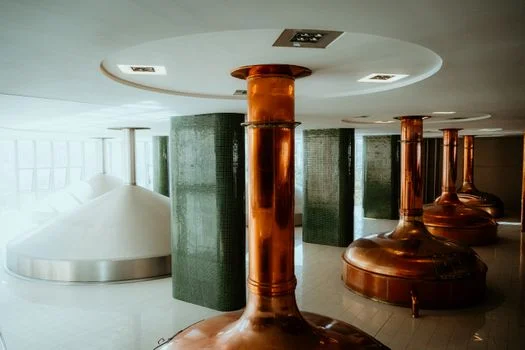
What are NEMA’s discharge limits for industrial wastewater in Kampala?
NEMA’s 2026 limits for Kampala industrial effluent treatment specify COD <100 mg/L, TSS <30 mg/L, pH 6–9, and heavy metals <0.5 mg/L (e.g., chromium for tanneries). Food processing and pharmaceuticals must meet stricter COD limits of <50 mg/L.
How much does an industrial wastewater treatment plant cost in Kampala?
The CAPEX for an industrial wastewater treatment plant cost Kampala ranges from $1.2M (DAF-only for food processing) to $15M (ZLD with RO for pharmaceuticals). OPEX typically falls between $0.80–$4.00/m³ treated, with DAF being the least expensive and RO the most expensive per cubic meter.
What’s the best wastewater treatment system for a Kampala textile factory?
For a Kampala textile factory, a hybrid DAF-MBR-RO system is ideal. DAF effectively removes dyes and FOG, MBR reduces COD/TSS to <30 mg/L, and RO removes residual color to <10 Pt-Co. A system for 500 m³/h typically has a CAPEX of $8M–$12M.
Can I use municipal wastewater treatment equipment for industrial effluents?
No, municipal wastewater treatment equipment is generally unsuitable for industrial effluents. Industrial wastewater has significantly higher and more variable COD, TSS, FOG loads, and specific pollutants like heavy metals, requiring specialized systems such as DAF for FOG, chemical precipitation for heavy metals, and robust MBRs or RO for complex industrial wastewater treatment in Kampala.
How do I reduce sludge disposal costs in Kampala?
To reduce sludge disposal costs for industrial facilities in Kampala, utilize sludge dewatering equipment like belt filter presses (e.g., 2.5 m belt width) or centrifuges to achieve 20–30% cake solids. This volume reduction can lower disposal fees by up to 60%. Additionally, anaerobic digestion (especially for breweries) can recover biogas, offsetting energy costs by approximately 30%.