Pretoria’s 2026 sewage treatment equipment market offers three dominant technologies: Dissolved Air Flotation (DAF) for high-TSS industrial wastewater (92–97% removal at 50–500 mg/L influent), Membrane Bioreactors (MBR) for reuse-quality effluent (COD <50 mg/L, TSS <5 mg/L), and containerized systems for rapid deployment (footprint 60% smaller than conventional plants). Capital expenditure (CAPEX) ranges from R2.5M (DAF) to R8M (MBR) for 50 m³/h systems, with operational expenditure (OPEX) driven by energy (0.8–1.2 kWh/m³) and membrane replacement (every 5–8 years). Local suppliers must comply with NEMA’s 2025 discharge limits and Pretoria’s water reuse guidelines for irrigation and industrial processes.
Pretoria’s 2026 Sewage Treatment Challenges: Why Off-the-Shelf Solutions Fail
Pretoria’s industrial wastewater often exhibits high Total Suspended Solids (TSS) and Chemical Oxygen Demand (COD) concentrations, exceeding typical municipal sewage profiles and demanding specialized treatment solutions. Facilities operating in sectors such as textile manufacturing, food processing, and dairy production frequently contend with influent TSS levels ranging from 300 mg/L to over 1,500 mg/L. Compounding these challenges is Pretoria's seasonal water scarcity, which intensifies regulatory pressure to treat effluent to higher standards, often for reuse. The National Environmental Management Act (NEMA) 2025 discharge limits, stipulating COD <75 mg/L and TSS <30 mg/L for industrial discharge, are strictly enforced, making non-compliance a significant financial risk.
Consider the recent case of a Pretoria dairy plant, which faced an R850,000 fine in 2025 for consistently exceeding TSS discharge limits. The root cause was an undersized Dissolved Air Flotation (DAF) system that could not handle the peak hydraulic loads and high fat, oil, and grease (FOG) content characteristic of dairy wastewater. This illustrates a common pitfall: underestimating the specific wastewater profile and opting for generic, off-the-shelf solutions. Further challenges include underestimating the physical footprint required for conventional plants, which can be 2–3 times larger than compact containerized systems, leading to costly land acquisition or site retrofitting. Ignoring long-term operational costs, particularly energy consumption (e.g., 0.8–1.2 kWh/m³ for MBR systems) and the inevitable membrane replacement cycles (typically every 5–8 years for MBRs), also leads to significant budget overruns. Selecting the correct NEMA compliance strategies for African industrial projects is therefore crucial.
DAF vs. MBR vs. Containerized: Engineering Specs for Pretoria’s Top 3 Technologies
Selecting the optimal sewage treatment technology for Pretoria projects hinges on precise engineering specifications related to influent characteristics, effluent targets, and site constraints. Three dominant technologies—Dissolved Air Flotation (DAF), Membrane Bioreactors (MBR), and containerized systems—offer distinct advantages for various applications within Pretoria’s industrial and municipal landscape.
DAF Systems
Pretoria-optimized DAF systems for high-TSS industrial wastewater are highly effective for primary treatment, particularly for influent streams with high concentrations of suspended solids, FOG, and light particles. Typical hydraulic loading rates for DAF units range from 4–12 m/h. These systems achieve TSS removal rates of 92–97% and FOG removal exceeding 95%, making them ideal for industries like food processing, abattoirs, and textile manufacturing. The compact footprint for DAF systems typically ranges from 0.5–1.5 m²/m³/h of treated water, depending on the design and required retention time. A DAF process involves saturating wastewater with air under pressure, then releasing the pressure, causing microscopic air bubbles to attach to suspended particles, floating them to the surface for skimming.
MBR Systems
MBR systems are advanced biological treatment processes integrating activated sludge with membrane filtration. They are engineered to produce high-quality effluent suitable for direct discharge or reuse, crucial for addressing Pretoria’s water scarcity. Membrane pore sizes typically range from 0.1–0.4 μm, effectively removing nearly all suspended solids, bacteria, and viruses. MBRs achieve COD removal rates of 95–99% and consistently produce effluent with TSS <5 mg/L. While energy consumption is higher due to membrane aeration and permeate pumping (0.8–1.2 kWh/m³), the resulting effluent often meets stringent MBR systems for Pretoria’s water reuse and NEMA compliance standards, including Pretoria’s specific reuse guidelines for irrigation. The process flow involves biological degradation in an aeration tank, followed by separation through submerged membranes, eliminating the need for secondary clarifiers and tertiary filtration.
Containerized Systems
Containerized sewage treatment plants offer rapid deployment and modularity, making them suitable for remote sites, temporary installations, or phased expansions. These systems, such as the pre-assembled plants offered by local suppliers like Calcamite (per Top 2 scraped content), have modular capacities ranging from 10–200 m³/day. Their significant advantage is a reduced footprint, often 60% smaller than conventional concrete plants, and installation times as short as 7–14 days. They integrate all necessary treatment stages—screening, biological treatment, clarification, and disinfection—within ISO shipping containers, complete with integrated controls. This design minimizes on-site construction, making them a viable option for projects with tight deadlines or limited space.
Table 1: Comparative Engineering Specifications for Pretoria Sewage Treatment Technologies (50 m³/h Plant)
| Parameter | DAF System | MBR System | Containerized System (Typical MBR/MBBR) |
|---|---|---|---|
| Primary Application | High TSS/FOG industrial pre-treatment | High-quality effluent for reuse/discharge | Rapid deployment, modular, compact |
| TSS Removal Rate | 92–97% | >99% (effluent <5 mg/L) | >99% (effluent <5 mg/L) |
| COD Removal Rate | 30–60% (primary) | 95–99% | 90–98% |
| Hydraulic Loading (m/h) | 4–12 | N/A (membrane flux 10–25 LMH) | N/A (integrated design) |
| Footprint (m²/m³/h) | 0.5–1.5 | 0.2–0.8 | 0.2–0.5 (60% smaller than conventional) |
| Effluent Quality (TSS) | 10–50 mg/L (after primary) | <5 mg/L | <5 mg/L |
| Effluent Quality (COD) | 50–200 mg/L (after primary) | <50 mg/L | <75 mg/L |
| Energy Consumption (kWh/m³) | 0.2–0.5 | 0.8–1.2 | 0.7–1.1 |
2026 Cost Models: CAPEX, OPEX, and ROI for Pretoria Projects
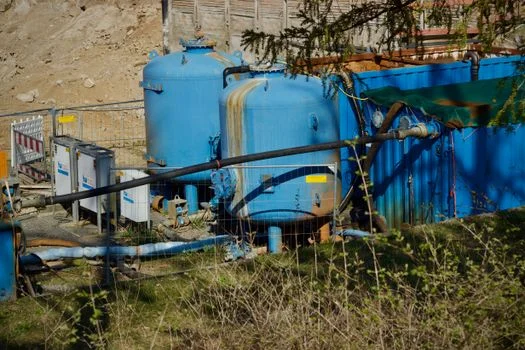
Understanding the full lifecycle cost – encompassing Capital Expenditure (CAPEX), Operational Expenditure (OPEX), and Return on Investment (ROI) – is critical for justifying sewage treatment equipment investments in Pretoria. Project managers and municipal planners must look beyond initial purchase prices to evaluate long-term value.
CAPEX Breakdown (Rands, 2026)
Initial capital investment varies significantly by technology and capacity. For a 50 m³/h sewage treatment system in Pretoria:
- DAF Systems: CAPEX ranges from R2.5M to R5M. This includes the DAF unit, pumps, air compressors, and basic civil works.
- MBR Systems: CAPEX typically falls between R5M and R8M. The higher cost reflects the advanced membrane technology, aeration systems, and sophisticated controls required for high-quality effluent.
- Containerized Systems: These offer a CAPEX of R3M to R6M. While often more expensive than basic conventional plants, their pre-assembled nature reduces on-site construction costs and accelerates project timelines. Suppliers like JoJo/Calcamite (per Top 2 scraped content) offer competitive pricing for these modular solutions.
These figures provide regional cost benchmarks for South African wastewater projects, but specific project requirements will influence the final cost.
OPEX Drivers
Operational costs are a recurring expense that can significantly impact a project’s long-term financial viability:
- Energy Consumption: This is a primary driver. MBR systems typically consume 0.8–1.2 kWh/m³ due to aeration and membrane scouring, while DAF systems are generally lower, ranging from 0.2–0.5 kWh/m³.
- Membrane Replacement: For MBR systems, membranes require replacement every 5–8 years, incurring a cost of R150K–R300K for a 50 m³/h plant. This must be factored into the long-term budget.
- Chemical Dosing: Precise chemical dosing for Pretoria’s variable industrial wastewater, particularly for DAF systems (coagulants, flocculants), can add R50–R100/m³ to OPEX, depending on influent quality and chemical prices.
- Sludge Disposal: Costs vary based on sludge volume and local disposal fees, typically R100–R300 per ton.
- Maintenance and Labor: Routine maintenance, spare parts, and operator salaries contribute a significant portion of OPEX.
ROI Calculation
Evaluating the Return on Investment (ROI) often involves comparing the cost of discharge against the savings from water reuse. For a 50 m³/h MBR plant operating 24/7, producing reuse-quality water (438,000 m³/year), and assuming a municipal water cost of R25/m³, the potential annual savings from water reuse could be R10.95M. Even with a conservative 20% reuse rate for irrigation or industrial processes, this translates to annual savings of R2.19M. This substantial saving can lead to payback periods as short as 3–5 years for MBR systems, making them financially attractive despite higher initial CAPEX.
Hidden Costs
Beyond CAPEX and OPEX, several hidden costs can inflate project budgets:
- NEMA Compliance Testing: Ongoing effluent monitoring and reporting to NEMA can cost R200K–R500K annually, including lab fees and environmental audits.
- Site Preparation: Conventional plants often require extensive civil works, foundation pouring, and earthworks, costing R500K–R1.2M. Containerized systems reduce this significantly.
- Operator Training: Proper training for plant operators is essential for efficient operation and compliance, typically costing R100K–R200K per project.
- Permitting Fees: Environmental impact assessments (EIAs) and discharge permits involve fees and consultant costs.
Table 2: Estimated CAPEX, OPEX, and ROI for 50 m³/h Sewage Treatment Plants in Pretoria (2026)
| Cost Category | DAF System | MBR System | Containerized System (MBR/MBBR) |
|---|---|---|---|
| CAPEX (Initial Investment) | R2.5M – R5M | R5M – R8M | R3M – R6M |
| Annual OPEX (approx.) | R0.5M – R1.5M | R1.5M – R3M | R1.2M – R2.5M |
| Energy Cost (kWh/m³) | 0.2–0.5 | 0.8–1.2 | 0.7–1.1 |
| Membrane Replacement (every 5-8 years) | N/A | R150K – R300K (amortized) | R150K – R300K (amortized) |
| Chemical Dosing (R/m³) | R50 – R100 | Lower, for disinfection | Variable |
| Potential Annual Water Reuse Savings (20% reuse @ R25/m³) | N/A (primary treatment) | R2.19M | R2.19M |
| Estimated Payback Period (with reuse) | N/A | 3–5 years | 4–6 years |
Pretoria’s Regulatory Landscape: NEMA, Water Reuse, and Zero-Liquid Discharge
Compliance with the National Environmental Management Act (NEMA) 2025 discharge limits and Pretoria’s specific water reuse guidelines is non-negotiable for all wastewater treatment projects. Failure to meet these standards can result in severe penalties, including substantial fines and operational shutdowns, directly impacting project viability and corporate reputation.
NEMA 2025 Discharge Limits
The NEMA 2025 regulations set stringent standards for effluent discharge into water resources. For industrial wastewater, key parameters include:
- Chemical Oxygen Demand (COD): <75 mg/L
- Total Suspended Solids (TSS): <30 mg/L
- pH: 6–9
- E. coli: <1,000 CFU/100mL
- Ammonia Nitrogen: <2 mg/L
- Total Phosphorus: <1 mg/L
These limits are designed to protect aquatic ecosystems and public health. Municipal discharge often has slightly more lenient limits for certain parameters, but industrial sites are under particular scrutiny due to the varied and often more concentrated nature of their pollutants.
Pretoria’s Water Reuse Guidelines
Given Pretoria’s water scarcity challenges, treating wastewater to a quality suitable for reuse is increasingly encouraged and, in some cases, mandated. For irrigation and industrial process water reuse, Pretoria’s guidelines typically require:
- TSS: <5 mg/L
- Turbidity: <2 NTU
- Chlorine Residual: >1 mg/L (post-disinfection)
- E. coli: <100 CFU/100mL
MBR systems are particularly well-suited to achieve these high standards, producing effluent comparable to drinking water quality in many aspects, often requiring only post-disinfection with technologies like chlorine dioxide generators before reuse.
Zero-Liquid Discharge (ZLD)
For high-risk industries such as textiles, chemicals, and pharmaceuticals, Zero-Liquid Discharge (ZLD) systems are becoming a requirement. ZLD aims to recover all wastewater for reuse, eliminating liquid waste discharge. This typically involves advanced treatment trains, often combining biological processes with membrane technologies like Reverse Osmosis (RO) and evaporators. Hybrid DAF-RO systems are common, where DAF acts as a robust pre-treatment for high-TSS influent, protecting the downstream reverse osmosis (RO) water purification membranes from fouling. Implementing ZLD systems not only ensures compliance but also offers significant long-term savings on water procurement and discharge fees.
Permitting Process
Navigating the permitting process is critical and can be lengthy, typically taking 6–12 months. Required documents include a comprehensive Environmental Impact Assessment (EIA), detailed engineering designs, and a NEMA compliance certificate. Common reasons for permit rejection include insufficient pilot testing data (especially for novel or complex industrial wastewater), inadequate sludge management plans, and failure to demonstrate long-term operational sustainability.
Table 3: NEMA 2025 Discharge Limits and Pretoria Water Reuse Standards
| Parameter | NEMA 2025 Industrial Discharge Limits | Pretoria Water Reuse Guidelines (Irrigation/Industrial) |
|---|---|---|
| COD | <75 mg/L | N/A (typically <50 mg/L for MBR effluent) |
| TSS | <30 mg/L | <5 mg/L |
| pH | 6–9 | 6–9 |
| E. coli | <1,000 CFU/100mL | <100 CFU/100mL |
| Ammonia Nitrogen | <2 mg/L | <1 mg/L |
| Total Phosphorus | <1 mg/L | <0.5 mg/L |
| Turbidity | N/A (covered by TSS) | <2 NTU |
| Chlorine Residual | N/A (if not disinfected) | >1 mg/L (post-disinfection) |
Supplier Selection Checklist: 10 Questions to Eliminate Project Risk
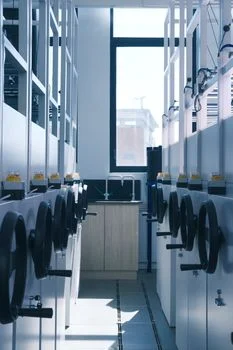
A systematic supplier selection process, guided by specific technical, compliance, and support criteria, significantly mitigates project risks in Pretoria’s complex wastewater treatment sector. Procurement managers and facility engineers must move beyond basic price comparisons to evaluate a supplier's comprehensive capabilities and long-term commitment.
- Technical Capabilities: Does the supplier offer on-site pilot testing? For Pretoria’s highly variable industrial wastewater influent, pilot testing is critical to validate treatment efficacy and optimize design parameters. Suppliers like Arestech (per Top 3 scraped content) emphasize in-depth site evaluations, which are essential for tailored solutions.
- Proven Track Record: Can the supplier provide case studies and references from similar Pretoria projects? Look for evidence of successful installations in comparable industries (e.g., textile, food processing, municipal) with similar flow rates and influent characteristics.
- Compliance Expertise: Can they provide NEMA-certified test reports for similar projects? A reputable supplier will have documented proof of their systems achieving NEMA 2025 discharge limits and Pretoria’s water reuse guidelines. Request to see example reports detailing COD/TSS removal rates and energy consumption.
- Local Support and Service Level Agreements (SLAs): Do they have Pretoria-based service teams? Fast response times are vital for minimizing downtime. Inquire about on-site support SLAs (e.g., guaranteed 4-hour response for critical issues) and availability of local spare parts.
- Cost Transparency: Are CAPEX and OPEX itemized and fully disclosed? Beware of red flags such as vague cost estimates, hidden chemical costs, or a lack of membrane replacement warranties for MBR systems. Demand a detailed breakdown of all components, installation, commissioning, and long-term operational costs.
- Scalability and Modularity: Can the system expand with your future needs? For growing industries or municipalities, modular designs, such as those offered by Calcamite (per Top 2 scraped content), allow for easy capacity upgrades without extensive civil works.
- Technology Expertise: Do they specialize in the specific technology required (DAF, MBR, ZLD)? A supplier with deep expertise in a particular technology can offer optimized designs, better performance guarantees, and more effective troubleshooting.
- Operator Training and Support: Do they provide comprehensive training for your operational staff? Proper training is crucial for efficient plant operation, maintenance, and compliance. Inquire about post-installation support and training programs.
- Warranty and Guarantees: What are the performance warranties for effluent quality and equipment? A strong warranty demonstrates the supplier's confidence in their equipment's reliability and performance.
- Environmental and Safety Record: What is their commitment to environmental stewardship and safety? A supplier with a robust health, safety, and environmental (HSE) policy reflects a professional and responsible approach, reducing your own project's risk profile.
Frequently Asked Questions
Addressing common inquiries directly enhances decision-making for Pretoria-based wastewater treatment projects.
1. What is the best sewage treatment technology for Pretoria’s textile industry?
For Pretoria’s textile industry, which typically generates wastewater with high TSS, COD, and often dyes, a Dissolved Air Flotation (DAF) system is often the most effective primary treatment. DAF achieves 92–97% TSS removal and up to 95% FOG reduction, significantly reducing the load on subsequent biological stages. While MBR systems provide higher effluent quality, their higher CAPEX (R5M–R8M vs. R2.5M–R5M for 50 m³/h) makes DAF a more cost-effective initial step, particularly when followed by further biological treatment to meet NEMA discharge limits.
2. How much does a 50 m³/h containerized sewage treatment plant cost in Pretoria?
A 50 m³/h containerized sewage treatment plant in Pretoria typically has a Capital Expenditure (CAPEX) ranging from R3M to R6M. Operational Expenditure (OPEX) is estimated at R1.2M per year, primarily driven by energy consumption (0.7–1.1 kWh/m³) and periodic maintenance. Suppliers like JoJo/Calcamite (per Top 2 scraped content) offer pre-assembled, modular containerized units that reduce on-site construction costs and accelerate installation, making them attractive for rapid deployment or space-constrained projects.
3. What are NEMA’s 2025 discharge limits for industrial wastewater in Pretoria?
NEMA’s 2025 discharge limits for industrial wastewater in Pretoria are stringent to protect local water resources. Key parameters include Chemical Oxygen Demand (COD) <75 mg/L, Total Suspended Solids (TSS) <30 mg/L, and a pH range of 6–9. Additionally, E. coli limits are set at <1,000 CFU/100mL. These regulations necessitate robust treatment systems and regular monitoring to avoid substantial fines and ensure environmental compliance.
4. Can I reuse treated sewage for irrigation in Pretoria?
Yes, treated sewage can be reused for irrigation in Pretoria, provided the effluent meets specific quality guidelines. For irrigation and industrial reuse, the treated water must typically have a TSS <5 mg/L, turbidity <2 NTU, and a chlorine residual >1 mg/L after disinfection. Membrane Bioreactor (MBR) systems are highly effective at producing effluent that consistently meets these high standards, making water reuse a viable strategy to mitigate Pretoria’s water scarcity challenges.
5. How do I choose between DAF and MBR for my Pretoria factory?
The choice between DAF and MBR for a Pretoria factory depends on your influent characteristics and effluent goals. DAF systems are ideal for primary treatment of high-TSS and high-FOG industrial wastewater, achieving excellent physical separation (92–97% TSS removal) at a lower CAPEX. MBR systems, conversely, are best suited for producing high-quality effluent for direct discharge or reuse (TSS <5 mg/L, COD <50 mg/L), but come with higher CAPEX and OPEX due to membrane technology. If your priority is pre-treatment for heavily loaded wastewater, choose DAF. If you require reuse-quality water and can justify the higher investment for long-term water savings and compliance, MBR is the superior option.