Industrial wastewater treatment in Orlando requires strict adherence to FDEP permits and the City’s Industrial Waste Pretreatment Program to protect municipal infrastructure. Facilities must consistently reduce pollutants—specifically Fats, Oils, and Grease (FOG), Total Suspended Solids (TSS), and heavy metals—prior to discharge into the sanitary sewer. Engineering-grade solutions such as Dissolved Air Flotation (DAF) systems achieve 92–97% TSS removal, while Membrane Bioreactor (MBR) units provide ultra-filtration at <1 μm, with modular capacities ranging from 4 to 300 m³/h to meet diverse industrial demands.
Orlando’s Industrial Wastewater Regulations: FDEP and City Requirements
The Florida Department of Environmental Protection (FDEP) issues National Pollutant Discharge Elimination System (NPDES) permits for industrial discharges to surface waters under the authority of 40 CFR 403 and Chapter 62-620 of the Florida Administrative Code (F.A.C.). For facilities discharging to the municipal sewer, the City of Orlando Industrial Waste Pretreatment Program serves as the primary regulatory body, enforcing local limits designed to protect the biological processes at Water Reclamation Facilities (WRFs). Non-compliance can trigger administrative fines reaching $10,000 per day per violation under established FDEP enforcement policies.
For a detailed technical breakdown of these federal mandates, engineers should consult this complete guide to 40 CFR 403 industrial pretreatment compliance. In Orlando, specific geographical zones dictate the intensity of monitoring. Facilities located within the service areas of the Iron Bridge or Water Conserv II reclamation plants often face more stringent oversight and lower local limits for toxicants and heavy metals due to the sensitivity of the reclaimed water systems they feed. The City requires Significant Industrial Users (SIUs) to install continuous pH monitoring and flow-proportional sampling equipment to ensure that the 100 mg/L limit for oil and grease is never exceeded.
Regulatory compliance in Orange County also involves rigorous reporting. Industrial users must submit Periodic Reports of Continued Compliance (PRCC) that verify the effectiveness of on-site treatment systems. Failure to meet these standards often results in mandatory "Surcharge" fees, which are calculated based on the poundage of pollutants exceeding the established baseline. For many Orlando-based manufacturers, the cost of these surcharges over a 24-month period often exceeds the capital expenditure required for a high-efficiency pretreatment system.
Common Industrial Wastewater Streams in Orlando
Food processing plants in the Orlando metropolitan area generate high Biochemical Oxygen Demand (BOD), FOG, and suspended solids that necessitate primary clarification and dissolved air flotation (DAF). These facilities, ranging from large-scale commercial bakeries to citrus processing units, often produce effluent with FOG concentrations exceeding 400 mg/L. This significantly exceeds the 100 mg/L limit set by the City of Orlando, leading to rapid grease accumulation in municipal lift stations and potential sewer backups. Implementing a tailored solution for food processing wastewater is essential to mitigate these risks and avoid heavy surcharges.
Metal finishing and aerospace manufacturing operations, concentrated near the Orlando International Airport and industrial corridors, discharge streams laden with heavy metals such as chromium, nickel, and lead. These contaminants require multi-stage chemical precipitation followed by high-efficiency filtration to meet local limits. Unlike organic pollutants, heavy metals are non-biodegradable and can inhibit the activated sludge process at the city's reclamation plants, making their removal at the source a non-negotiable requirement for FDEP compliance.
Pharmaceutical and laboratory facilities in the Lake Nona Medical City area present a different challenge, often discharging trace organics and specialty chemicals. These streams typically require advanced oxidation processes (AOP) or membrane filtration to achieve acceptable discharge quality. Data from regional industrial audits suggests that the average FOG discharge in Orlando’s industrial sectors consistently exceeds 100 mg/L without onsite treatment, necessitating robust mechanical separation technologies to bridge the gap between raw effluent and regulatory safety.
Best Industrial Wastewater Treatment Systems for Orlando Facilities
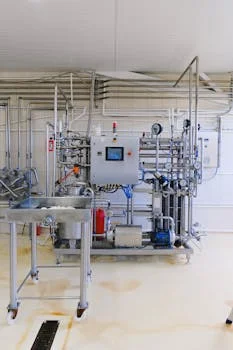
Dissolved Air Flotation (DAF) removes 92–97% of FOG and TSS at flow rates between 4–300 m³/h, making it the primary choice for Orlando’s food processing and metalworking sectors. HydropureWater DAF systems are engineered for the high-humidity Florida climate, utilizing micro-bubble technology to float solids to the surface for mechanical skimming. This process is highly effective for removing non-emulsified oils and grease, which are the most common cause of compliance failures in Orange County. A high-efficiency DAF system for FOG and TSS removal provides a reliable primary treatment stage that can reduce BOD by up to 30% before secondary treatment.
For facilities requiring high-quality effluent for reuse or those with limited real estate, Membrane Bioreactor (MBR) systems are the optimal choice. MBR technology combines biological treatment with <1 μm membrane filtration, resulting in a footprint that is 60% smaller than traditional clarifier-based systems. A compact MBR system for high-quality effluent and reuse allows industrial plants to recycle water for cooling towers or wash-down applications, directly reducing municipal water costs. This is particularly valuable in the Water Conserv II zone, where water conservation is a high priority.
Chemical dosing systems equipped with PLC controls are critical for maintaining pH stability, a key requirement of the Orlando Industrial Waste Pretreatment Program. These systems automatically adjust coagulant and flocculant dosages based on real-time sensor data, ensuring that metal precipitation and solids aggregation remain consistent despite fluctuations in influent chemistry. Rotary bar screens (such as the GX series) are used at the headworks to protect downstream pumps and membranes from large solids and rags, which are common in manufacturing waste streams.
| System Type | Primary Contaminants Removed | Removal Efficiency (%) | Capacity Range (m³/h) |
|---|---|---|---|
| DAF | FOG, TSS, Insoluble BOD | 92% – 97% | 4 – 300 |
| MBR (Integrated) | COD, BOD, Bacteria, TSS | 95% – 99% | 2 – 100+ |
| Chemical Dosing | Heavy Metals, Phosphorus | 85% – 95% | Automated Flow |
| Rotary Bar Screen | Large Solids, Rags, Debris | N/A (Coarse) | 10 – 500 |
System Comparison: Performance, Capacity, and Compliance Fit
Selecting between DAF and MBR technology depends on the target effluent quality and the specific discharge permit requirements of the Orlando Water Reclamation Division. DAF systems are excellent for high-load primary treatment, specifically where FOG and TSS are the dominant pollutants. (HydropureWater field data, 2025) indicates that DAF units achieve 95% FOG removal at 100 m³/h with significantly lower energy consumption than aerobic biological systems. However, DAF alone may not be sufficient if the facility needs to meet strict COD or nutrient limits.
MBR systems, while requiring a higher initial investment, produce an effluent that often exceeds FDEP standards for surface water discharge. With 0.1 μm membrane filtration, MBRs reduce COD by up to 98%, making them suitable for industries that must meet stringent "zero-toxicant" discharge limits. The operational trade-off lies in energy use: DAF systems typically consume 0.5–1.2 kWh/m³, whereas MBR systems range from 0.8–1.5 kWh/m³ due to the aeration required for membrane scouring and biological activity. Despite this, MBRs produce significantly lower sludge volumes, reducing disposal costs in the long term.
| Parameter | DAF | MBR (Integrated) | Chemical Pretreatment |
|---|---|---|---|
| TSS Removal | 95%+ | 99%+ | 80-90% |
| Footprint | Moderate | Small (Compact) | Small |
| Automation Level | High (PLC) | Full (Remote) | High (Sensor-based) |
| Energy Use (kWh/m³) | 0.5 – 1.2 | 0.8 – 1.5 | <0.3 |
| Orlando Compliance Fit | Ideal for FOG/TSS Limits | Ideal for Reuse/High Purity | Ideal for Metal/pH Control |
Costs and ROI for Onsite Treatment in Orlando
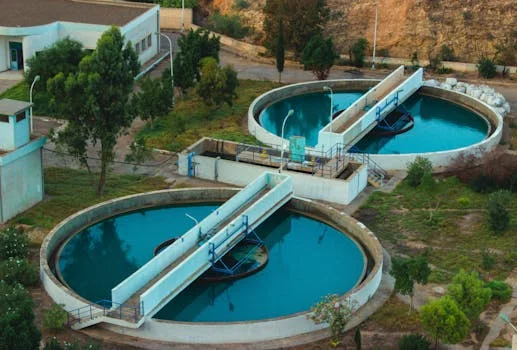
Capital investment for a 20 m³/h DAF system typically begins at $85,000, while modular MBR systems for 50 m³/day discharge volumes start at approximately $120,000. While these figures represent a significant upfront cost, they must be weighed against the escalating sewer surcharges in Orlando. The average sewer surcharge for high-strength wastewater in the region is approximately $8.50 per 1,000 gallons. Facilities that consistently exceed FOG or TSS limits can face surcharges of up to 300% of their standard water bill, creating a compelling financial case for onsite treatment.
For a facility discharging 50,000 gallons per day, a 50% reduction in surcharges through primary DAF treatment can lead to an ROI in under three years. Additionally, skid-mounted, modular systems reduce installation time by 40% compared to custom-built concrete basins, allowing plants to achieve compliance faster and avoid potential FDEP fines. Engineers can find more on optimizing these systems in this technical guide to DAF troubleshooting and data-backed fixes.
Beyond direct cost savings, onsite treatment provides a buffer against future regulatory changes. As Orlando continues to expand, the City is likely to tighten local limits to preserve the capacity of its aging infrastructure. Investing in MBR or DAF technology today ensures that a facility remains compliant even as standards evolve. For a perspective on how similar urban environments handle these challenges, see this case study on industrial compliance in a U.S. city with similar regulations.
Frequently Asked Questions
What is the FDEP industrial wastewater permit process?
Facilities must submit a permit application (Form 62-620.910) to the FDEP Central District office in Orlando. The process includes a technical review of the treatment system design, an anti-degradation analysis for surface water discharges, and a public notice period, typically taking 90 to 180 days.How much does a DAF system cost for a 100 m³/day food plant in Orlando?
A complete DAF package for this capacity, including chemical feed and sludge handling, generally ranges from $95,000 to $140,000 depending on the level of automation and materials of construction.What industries are regulated under Orlando’s Pretreatment Program?
Regulated industries include food and beverage processing, metal finishers, commercial laundries, pharmaceutical manufacturers, and any facility categorized as a Significant Industrial User (SIU) by the EPA.Can I discharge to sewer without pretreatment in Orange County?
Only if your raw effluent consistently meets all local limits (e.g., FOG <100 mg/L, pH 5.5-10.5, TSS <250 mg/L). Most industrial facilities require at least primary screening and