Fort Worth Industrial Wastewater Regulations: What You Must Know
The City of Fort Worth requires every industrial facility that discharges process wastewater to obtain a permit before any connection to the municipal sewer system. The Industrial Pretreatment Program, administered by the City Water Department, enforces limits on pH (5.0 – 12.0), oil & grease, total suspended solids (TSS), BOD5, and a list of toxic pollutants such as cadmium, chromium, and cyanide. Dischargers must conduct daily self‑monitoring, retain analytical records for at least three years, and submit quarterly compliance reports. Failure to meet these requirements can trigger administrative penalties of up to $10,000 per day, plus possible civil litigation.
Facilities are classified into two user categories. Categorical Users are defined by the type of industry (e.g., food processing, metal finishing) and are subject to standard pollutant limits. Significant Industrial Users (SIUs) exceed a threshold of 5,000 gallons per day (≈19 m³/d) or generate pollutant loads above the categorical limits; SIUs must submit a detailed Industrial Pretreatment Permit that includes a pollution prevention plan and may be required to install on‑site treatment equipment.
Key compliance steps for a mid‑size plant in Fort Worth are:
- Determine whether your process wastewater qualifies as a categorical discharge or an SIU based on flow and load.
- Submit an application for an industrial pretreatment permit, attaching a preliminary effluent characterization (pH, BOD, TSS, oil & grease, metals).
- Develop a monitoring schedule that aligns with the City’s reporting calendar (monthly, quarterly, or annual).
- Implement an on‑site treatment train that meets or exceeds the permit limits before the effluent reaches the municipal system.
For a deeper dive into the statutory background, see the EPA Clean Water Act requirements guide for industry.
Common Wastewater Challenges for DFW Manufacturers
Food‑processing plants in the Dallas‑Fort Worth corridor typically generate BOD loads of 1,500 – 2,000 mg/L and oil & grease concentrations up to 500 mg/L. These high‑strength streams overwhelm conventional gravity settlers and create foaming problems in the municipal plant, often resulting in surcharge fees of $5–$15 per 1,000 gallons for non‑compliant discharges.
Metal‑finishing and machining shops discharge coolant emulsions, metal fines, and suspended solids that raise TSS above 300 mg/L. Effective treatment demands pH adjustment (often to 7.5 – 8.5) and fine filtration to protect downstream equipment.
Textile and specialty chemical manufacturers produce colored effluents and recalcitrant organics (e.g., azo dyes, phenols). These contaminants resist biological degradation, requiring advanced oxidation processes (AOP) or membrane filtration to achieve the required COD < 150 mg/L.
When these high‑strength wastes enter the City’s combined sewer system, they can trigger hydraulic overloads, increased sludge production, and the need for costly chemical additions at the municipal plant. Early on‑site pretreatment not only avoids surcharges but also protects the broader community’s water quality.
Explore the technical guide for selecting a high‑efficiency DAF system for FOG and TSS removal that many DFW food processors rely on.
Best Industrial Wastewater Treatment Technologies for Fort Worth
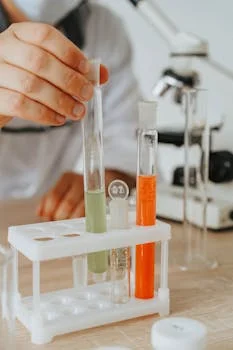
Dissolved Air Flotation (DAF) systems can remove 90 %–97 % of total suspended solids and 85 %–95 % of oil & grease across a flow range of 4 – 300 m³/h. The process injects fine air bubbles into the influent, causing light particles to float for collection in a skimmer. DAF is especially effective for food, textile, and petrochemical effluents where FOG and suspended solids dominate.
Membrane Bioreactor (MBR) technology couples conventional activated sludge with micro‑ or ultrafiltration membranes. The result is an effluent with sub‑micron particle size (< 1 µm), BOD5 < 10 mg/L, and TSS < 5 mg/L—all within a footprint 40 %–60 % smaller than a traditional secondary clarifier. MBR units are ideal for facilities seeking water reuse for cooling towers or irrigation.
Automated chemical dosing skids, equipped with PLC‑controlled pumps, deliver precise amounts of coagulants, flocculants, and pH adjusters. Consistent dosing improves DAF floc formation, reduces chemical consumption by 20 %–30 %, and simplifies operator oversight.
Lamella clarifiers provide high surface loading rates (20 – 40 m/h) while using 30 % less chemical than conventional settlers, making them a cost‑effective secondary treatment option for moderate‑strength waste streams.
| Technology | Typical Flow Range (m³/h) | Removal Efficiency | Footprint (m²) | Key Advantages |
|---|---|---|---|---|
| DAF | 4 – 300 | TSS 90‑97 %; FOG 85‑95 % | 0.8 m² per m³/h | Fast startup, high FOG removal, low sludge volume |
| MBR | 5 – 150 (as m³/day) | BOD5 < 10 mg/L; TSS < 5 mg/L | 0.5 m² per m³/day | Compact, high‑quality effluent, reuse‑ready |
| Chemical Dosing Skid | All flows (modular) | Dose accuracy ±2 % | 0.2 m² per skid | PLC control, reduced chemical use, easy integration |
| Lamella Clarifier | 10 – 250 | TSS 80‑90 % | 0.6 m² per m³/h | High loading, low chemical demand |
Cost of Industrial Wastewater Treatment Systems in Texas
Installed capital costs for on‑site DAF units serving 20 – 100 m³/h typically range from $150,000 to $400,000. Larger units (200 + m³/h) can reach $600,000 – $1.2 million, reflecting increased reactor volume, higher‑capacity compressors, and more extensive controls.
MBR systems are priced on a per‑day capacity basis, generally $300 – $500 per m³/day of design flow. Although the upfront investment is higher than a conventional activated sludge plant, the reduced footprint, lower sludge handling costs, and potential for water reuse often deliver a payback period of 2 – 4 years when municipal surcharge avoidance is factored in.
Automated chemical dosing skids cost $15,000 – $60,000 depending on the number of feed lines (1‑4) and the level of PLC integration. Proper dosing can cut overall chemical consumption by up to 30 %, translating into annual savings of $5,000 – $30,000 for a mid‑size plant.
When a facility discharges non‑compliant wastewater, the City of Fort Worth imposes surcharge fees of $5 – $15 per 1,000 gallons. For a plant that generates 500,000 gallons per month, avoiding a $10 surcharge would save $5,000 monthly—or $60,000 annually—making on‑site treatment financially attractive.
| System | Capacity | CAPEX (Installed) | Typical OPEX (Annual) | ROI Trigger |
|---|---|---|---|---|
| DAF | 20 – 100 m³/h | $150,000 – $400,000 | $12,000 – $35,000 (chemicals, electricity) | Municipal surcharge avoidance > $50,000/yr |
| DAF (200 + m³/h) | 200 – 300 m³/h | $600,000 – $1.2 M | $40,000 – $80,000 | Scale‑up for high‑strength waste, reuse potential |
| MBR | 5 – 150 m³/d | $300 – $500 per m³/d | $20,000 – $60,000 (membrane replacement, energy) | Reuse savings + surcharge avoidance ≈ 2‑4 yr |
| Chemical Dosing Skid | Modular (any flow) | $15,000 – $60,000 | $3,000 – $10,000 (chemicals, maintenance) | 30 % chemical cost reduction |
For broader industry cost context, review the industrial water treatment cost benchmarks and the DAF pricing guide.
How to Choose the Right Treatment System for Your Facility
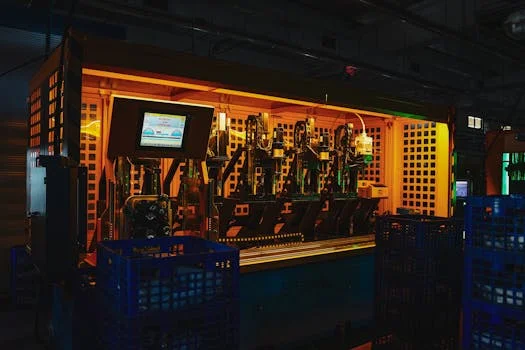
The first step in system selection is a rigorous influent characterization covering flow rate, BOD, COD, TSS, FOG, and pH variability over a representative 7‑ to 30‑day period. This data drives the sizing of equipment, the choice of technology, and the estimation of operating costs.
Use the following decision framework:
- If FOG and high TSS dominate (FOG > 300 mg/L, TSS > 250 mg/L), prioritize a DAF unit followed by a plate‑and‑frame filter press to cut sludge volume by up to 80 %.
- If the effluent must meet reuse standards (BOD5 < 10 mg/L, TSS < 5 mg/L), an MBR provides the necessary polishing in a compact footprint.
- When space is limited and staffing is lean, select a skid‑mounted, modular package such as the WSZ underground integrated plant (WSZ series), which bundles pretreatment, DAF, and control electronics.
- For facilities expecting future expansion, choose a modular DAF or MBR skid that can be parallel‑linked, allowing capacity upgrades without major civil work.
Pairing DAF with a plate‑and‑frame filter press is a proven strategy to minimize sludge hauling costs, especially for food‑processing plants that generate high‑oil emulsions.
Frequently Asked Questions
- How much does it cost to treat industrial wastewater in Fort Worth? Installation costs range from $150 K for a small DAF unit to $1.2 M for a large‑capacity system; MBR plants cost $300 – $500 per m³/day of capacity.
- What are the three types of industrial wastewater treatment? Primary (physical removal of solids), secondary (biological degradation of organics), and tertiary (advanced filtration, disinfection, or reuse).
- Do I need a permit to discharge industrial wastewater in Fort Worth? Yes—every industrial discharger must obtain a pretreatment permit from the City Water Department before connecting to the municipal sewer.
- What is the best system for FOG removal? Dissolved Air Flotation (DAF) systems achieve 85 %–95 % oil & grease removal and are the industry standard for food‑processing and textile facilities.
- Can I reuse treated wastewater in my facility? Yes—MBR or reverse‑osmosis (RO) configurations can produce water suitable for cooling‑tower makeup, equipment rinsing, or landscape irrigation, reducing fresh‑water intake costs.
Further Reading
Explore these in-depth articles on related wastewater treatment topics: