Why Melaka’s Sewage Treatment Costs Are Rising in 2026: DOE Fines, Influent Challenges, and Industrial Growth
In 2024, 42 industrial facilities in Melaka were collectively fined RM 2.1 million for non-compliance with effluent standards, primarily for exceeding Biochemical Oxygen Demand (BOD), Chemical Oxygen Demand (COD), and Total Suspended Solids (TSS) limits, according to the Department of Environment (DOE) 2024 report. This surge in enforcement actions reflects a broader trend of escalating environmental scrutiny driven by Melaka’s rapid industrial expansion. The Melaka State Economic Report 2024 indicates that the state’s manufacturing output grew by 8.2% year-on-year in 2023, leading to an estimated 12–15% increase in industrial wastewater volumes. This growth, particularly in critical sectors like electronics and food processing, places immense pressure on existing wastewater infrastructure and treatment capabilities. Influent wastewater quality from these key industries presents significant challenges. Electronics and food processing plants situated within the Melaka Industrial Park, for instance, frequently report influent COD levels ranging from 1,200 to 3,500 mg/L and TSS levels between 800 to 2,000 mg/L. A critical observation from a 2024 DOE audit was that 68% of non-compliant plants lacked adequate pre-treatment screening, a deficiency that directly leads to MBR membrane fouling and can incur replacement costs of up to RM 300,000 annually. Implementing robust pre-treatment solutions, such as rotary bar screens, can reduce operational expenditure (OPEX) by as much as 40% by preventing solids from entering downstream treatment processes.
| Industrial Park | Typical Influent COD (mg/L) | Typical Influent TSS (mg/L) | Typical Influent FOG (mg/L) | Typical DOE Fine (2024, RM) |
|---|---|---|---|---|
| Melaka Industrial Park (Electronics/Food Processing) | 1,200 – 3,500 | 800 – 2,000 | 100 – 500 | Up to 500,000+ per facility |
| Bukit Rambai (Manufacturing) | 800 – 2,500 | 600 – 1,500 | 80 – 400 | Up to 500,000+ per facility |
| Tanjung Kling (Petrochemical) | 1,500 – 4,000 | 1,000 – 2,500 | 150 – 600 | Up to 500,000+ per facility |
DOE-Compliant Engineering Specs for Melaka’s Industrial Sewage: Effluent Limits, Removal Efficiencies, and System Designs
By 2026, all industrial facilities in Melaka must adhere to stringent Department of Environment (DOE) effluent standards, requiring Biochemical Oxygen Demand (BOD) of ≤50 mg/L, Chemical Oxygen Demand (COD) of ≤80 mg/L, and Total Suspended Solids (TSS) of ≤30 mg/L. Additionally, limits for Fats, Oils, and Grease (FOG) are set at ≤10 mg/L, with pH maintained between 6 and 9. These benchmarks are comparable to international standards such as those set by the US EPA and the European Union, underscoring Malaysia's commitment to environmental protection. For Melaka’s key industries, including electronics, food processing, and textiles, typical influent wastewater characteristics present significant treatment challenges. Influent COD can range from 1,200–3,500 mg/L, TSS from 800–2,000 mg/L, and FOG from 100–500 mg/L. Electronics manufacturing often introduces heavy metals like copper (Cu), nickel (Ni), and chromium (Cr) into the wastewater stream. To meet the DOE’s strict effluent limits, treatment systems must achieve high removal efficiencies: typically 92–97% for COD, 95–99% for TSS, and 90–95% for FOG. Conventional systems like Activated Sludge (A/O) often struggle to meet these demands, offering only 70–85% COD removal. Hybrid systems, such as Dissolved Air Flotation (DAF) followed by Membrane Bioreactor (MBR) technology, are increasingly necessary to consistently achieve these high removal rates. A typical hybrid system flow would involve DAF for primary solids and FOG removal, followed by an MBR for advanced biological treatment and tertiary filtration, and finally disinfection to ensure complete compliance. DAF systems for high-efficiency TSS and FOG removal in Melaka’s industrial wastewater, when paired with MBR systems for DOE-compliant effluent in Melaka’s electronics and food processing plants, offer a robust solution.
| Parameter | DOE 2026 Effluent Limit (mg/L) | US EPA Standard (mg/L) | EU Standard (mg/L) | Singapore NEA (mg/L) |
|---|---|---|---|---|
| BOD | ≤ 50 | ≤ 30 (Secondary) | ≤ 25 (Urban WWTP) | ≤ 20 |
| COD | ≤ 80 | ≤ 125 (Secondary) | ≤ 125 (Urban WWTP) | ≤ 150 |
| TSS | ≤ 30 | ≤ 30 (Secondary) | ≤ 35 (Urban WWTP) | ≤ 30 |
| FOG | ≤ 10 | ≤ 150 (Secondary) | ≤ 20 (Urban WWTP) | ≤ 10 |
| pH | 6 – 9 | 6 – 9 | 6 – 9 | 6 – 9 |
Hybrid vs. Conventional Systems: Cost, Footprint, and Compliance Trade-offs for Melaka’s Industrial Parks
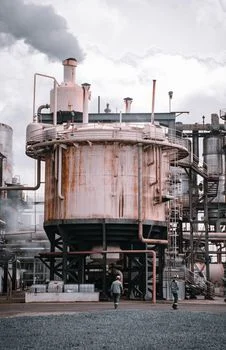
Selecting the appropriate wastewater treatment system involves a critical evaluation of CAPEX, OPEX, footprint, and compliance reliability, particularly for Melaka’s industrial parks like Melaka Industrial Park and Bukit Rambai. Hybrid systems, such as Dissolved Air Flotation (DAF) combined with Membrane Bioreactors (MBR), offer superior removal efficiencies (92–97% COD) and a significantly smaller footprint (up to 60% smaller than conventional Activated Sludge (A/O) systems), which is crucial in land-constrained industrial zones. For a 50 m³/h capacity system in Melaka, a DAF + MBR setup might incur a CAPEX of approximately RM 1.5 million, compared to RM 900,000 for an A/O system or RM 1.1 million for an SBR system. These figures typically include civil works (around 30% of CAPEX) and installation (15%). While initial CAPEX for hybrid systems can be higher, their OPEX can be competitive, ranging from RM 8–12/m³ for DAF+MBR, RM 10–15/m³ for A/O, and RM 9–13/m³ for SBR. Key OPEX considerations include sludge disposal costs (RM 200–400/ton) and energy consumption, with MBR systems typically using 0.8–1.2 kWh/m³. A case study at a 100 m³/h plant in Bukit Rambai demonstrated that the space savings of a hybrid system allowed for an additional 200 m² of valuable operational space. the DOE compliance risk is notably lower with hybrid systems. Based on 2024 DOE audit data, hybrid systems achieve a 95% compliance pass rate, whereas conventional A/O systems show only a 70% pass rate. The microfiltration capabilities of MBR (0.1 µm pore size) effectively eliminate TSS violations, ensuring consistent effluent quality. For facilities seeking compact, high-performance solutions, DAF and MBR are often the preferred choice, while underground integrated sewage treatment systems can offer space-saving benefits for certain applications. Skid-mounted treatment plants for food processing wastewater in Melaka also provide flexible and efficient solutions.
| Criterion | DAF + MBR Hybrid System | Conventional A/O System | SBR System |
|---|---|---|---|
| CAPEX (50 m³/h, Melaka) | RM 1.5M | RM 900K | RM 1.1M |
| OPEX (RM/m³) | RM 8 – 12 | RM 10 – 15 | RM 9 – 13 |
| Footprint | Smallest (e.g., 60% smaller than A/O) | Largest | Medium |
| COD Removal Efficiency (%) | 92 – 97 | 70 – 85 | 80 – 90 |
| Sludge Production (kg/m³) | Low to Medium | Medium to High | Medium |
| DOE Compliance Risk | Very Low (95% pass rate) | High (70% pass rate) | Medium |
| Scalability | Modular, easily expandable | Can be challenging to expand | Batch process, scalability can be complex |
| Maintenance Complexity | Requires skilled operation for membranes | Relatively standard | Requires precise timing and control |
Zero-Risk Supplier Selection Checklist: 10 Weighted Criteria to Avoid RM 2.1M in Fines
To navigate the complexities of selecting a sewage treatment equipment supplier in Melaka and mitigate the risk of substantial DOE fines, a structured evaluation process is essential. A comprehensive supplier scorecard, with weighted criteria, ensures that critical factors are prioritized. For instance, a supplier’s DOE compliance track record should carry significant weight (e.g., 30%), reflecting their demonstrated ability to deliver compliant solutions in the local context. Local service speed is another crucial element (20%), as rapid response times are vital for minimizing operational disruptions in Melaka’s industrial parks, ideally <4 hours. Expertise in hybrid systems, particularly DAF + MBR configurations (15%), is paramount given the influent challenges in the region. Transparency in CAPEX and OPEX (10%) is non-negotiable; suppliers must provide itemized quotes that clearly delineate costs for equipment, civil works, installation, and projected operational expenses for at least five years. When evaluating DOE compliance, it is imperative to request proof of a minimum of three years of zero fines in Melaka and verify this information through the DOE Malaysia public database. To assess local service capabilities, request a site visit demonstration with a 24-hour notice. For hybrid system expertise, ask for at least three Melaka-based references operating DAF + MBR systems and prepare specific questions regarding their influent characteristics and achieved removal efficiencies. Beware of suppliers who bundle costs into vague "turnkey packages" without transparent breakdowns, as this often obscures hidden expenses and potential compliance risks. Employing a detailed checklist like the one below can significantly de-risk the procurement process and ensure long-term operational success.
| Criterion | Weight (%) | Verification Method | Melaka-Specific Considerations |
|---|---|---|---|
| DOE Compliance Track Record | 30 | 3+ years of zero fines in Melaka; DOE database verification. | Prioritize suppliers with proven, local compliance history. |
| Local Service & Support Speed | 20 | Guaranteed <4-hour response time for critical issues; on-site technician availability. | Essential for minimizing downtime in fast-paced industrial parks. |
| Hybrid System Expertise (DAF + MBR) | 15 | 3+ Melaka references; detailed case study review; technical Q&A. | Demonstrated understanding of local influent profiles and treatment needs. |
| CAPEX Transparency & Breakdown | 10 | Itemized quotes for all components, civil works, installation, commissioning. | Avoid bundled "turnkey" quotes; ensure clarity on all initial expenses. |
| OPEX Projections & Control | 10 | 5-year OPEX estimates (energy, chemicals, maintenance, sludge disposal); performance guarantees. | Focus on long-term cost-effectiveness and operational stability. |
| System Design & Customization | 5 | Ability to tailor solutions to specific influent and site constraints; pilot testing capability. | Adaptability to unique industrial processes in Melaka. |
| Technology Maturity & Reliability | 5 | Proven technology in similar industrial applications; long-term warranty. | Ensure equipment longevity and minimal failure rates. |
| After-Sales Service & Training | 3 | Comprehensive operator training programs; readily available spare parts. | Empower local operational teams for efficient system management. |
| Financial Stability | 1 | Company financial reports; creditworthiness checks. | Ensures supplier longevity and support commitment. |
| Environmental Certifications | 1 | ISO 14001 or equivalent; local environmental awards. | Indicates a commitment to sustainable practices. |
Zero-Discharge Upgrades: ROI, Water Savings, and Discharge Fee Elimination for High-Volume Plants
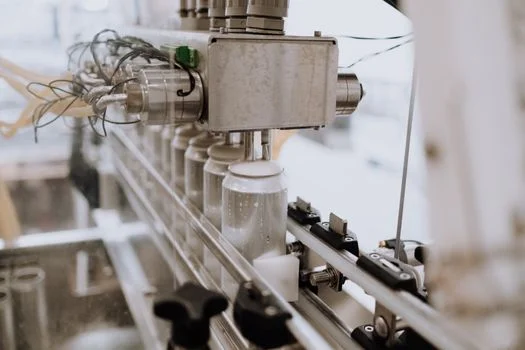
For industrial facilities in Melaka processing over 100 m³/day, investing in zero-discharge wastewater treatment systems can unlock significant financial and environmental benefits. These advanced systems typically integrate MBR technology for robust pre-treatment, followed by Reverse Osmosis (RO) for water recovery, and an evaporator for final volume reduction. The MBR stage achieves 99% TSS removal, RO can recover up to 75% of the water, and evaporators can reduce wastewater volume by 90%. Consider a facility with a 200 m³/day flow rate: while the initial CAPEX for a zero-discharge system might be around RM 600,000, the annual savings can be substantial. This includes approximately RM 250,000 saved on water procurement and RM 150,000 eliminated from discharge fees, resulting in a compelling ROI of just 2.5 years. These savings are even more pronounced for higher flow rates. By recovering and reusing treated water, facilities can achieve 60–70% reduction in overall water consumption. A food processing plant in Melaka Industrial Park, for example, transitioned from paying RM 12/m³ for raw water to RM 4/m³ after implementing an RO system. zero-discharge systems completely eliminate the recurring costs associated with wastewater discharge fees, which in Melaka’s industrial parks can range from RM 0.50–1.00/m³. Implementing RO systems for zero-discharge upgrades in Melaka’s high-volume industrial facilities and exploring advanced technologies like those used in semiconductor wastewater treatment design can position plants for long-term sustainability and cost efficiency. The integration of MBR followed by RO and evaporation represents a proactive approach to water management and regulatory compliance.
| Flow Rate (m³/day) | Estimated CAPEX (RM) | Annual Water Cost Savings (RM) | Annual Discharge Fee Savings (RM) | Total Annual Savings (RM) | Estimated ROI (Years) |
|---|---|---|---|---|---|
| 50 | 250,000 | 60,000 | 35,000 | 95,000 | 2.6 |
| 100 | 450,000 | 120,000 | 70,000 | 190,000 | 2.4 |
| 200 | 600,000 | 250,000 | 150,000 | 400,000 | 1.5 |
| 500 | 1,200,000 | 600,000 | 350,000 | 950,000 | 1.3 |
Frequently Asked Questions
What are the primary DOE effluent standards for industrial sewage in Melaka by 2026?
By 2026, industrial facilities in Melaka must meet ≤50 mg/L BOD, ≤80 mg/L COD, ≤30 mg/L TSS, ≤10 mg/L FOG, and maintain pH between 6 and 9. This is a critical compliance benchmark to avoid significant fines. How to verify: Refer to the latest DOE regulations and guidelines for specific industrial sectors.
What are the typical influent characteristics for electronics and food processing plants in Melaka?
These plants often exhibit high influent COD levels (1,200–3,500 mg/L) and TSS (800–2,000 mg/L), along with significant FOG (100–500 mg/L). Electronics manufacturing also introduces heavy metals. How to verify: Request a detailed influent analysis report from potential suppliers or conduct your own laboratory testing.
Which types of sewage treatment systems are most effective for Melaka’s industrial wastewater?
Hybrid systems, combining Dissolved Air Flotation (DAF) for solids and FOG removal with Membrane Bioreactors (MBR) for advanced biological treatment and filtration, are highly effective. These systems achieve 92–97% COD removal efficiency. How to verify: Ask suppliers for case studies demonstrating similar influent treatment and effluent compliance.
What is the typical removal efficiency of DAF + MBR systems for Melaka’s industrial wastewater?
DAF + MBR systems typically achieve 92–97% COD removal, 95–99% TSS removal, and 90–95% FOG removal, which is essential for meeting DOE 2026 effluent standards. How to verify: Request pilot study data or performance guarantees for your specific wastewater profile.
What are the key cost components for industrial sewage treatment equipment in Melaka?
Costs include CAPEX (equipment, civil works, installation) and OPEX (energy, chemicals, maintenance, sludge disposal). For a 50 m³/h system, CAPEX can range from RM 900K (A/O) to RM 1.5M (DAF+MBR), with OPEX around RM 8–15/m³ depending on the technology. How to verify: Demand itemized quotes from suppliers, detailing all cost elements for at least a 5-year period.
How can I select a reliable sewage treatment equipment supplier in Melaka?
Utilize a weighted supplier scorecard focusing on DOE compliance track record (30%), local service speed (20%), hybrid system expertise (15%), and CAPEX/OPEX transparency (10%). Verify claims with references and DOE data. How to verify: Conduct thorough due diligence, including site visits to existing installations and reference checks.
What are the benefits of zero-discharge wastewater treatment systems for large industrial plants in Melaka?
Zero-discharge systems (MBR → RO → Evaporator) eliminate discharge fees, significantly reduce water costs through reuse, and minimize environmental impact. For a 200 m³/day plant, this can yield a 2.5-year ROI. How to verify: Request a customized ROI analysis from suppliers based on your plant’s water usage and discharge volumes.
Related Equipment
The following HydropureWater products are engineered for the wastewater challenges discussed above:
- DAF systems for high-efficiency TSS and FOG removal in Melaka’s industrial wastewater — view specifications, capacity range, and technical data
- MBR systems for DOE-compliant effluent in Melaka’s electronics and food processing plants — view specifications, capacity range, and technical data
- RO systems for zero-discharge upgrades in Melaka’s high-volume industrial facilities — view specifications, capacity range, and technical data
Need a customized solution? Request a free quote with your specific flow rate and pollutant parameters.