The fabric filter dust collector cost price spans roughly $8,000 for a small 5,000 CFM unit to over $200,000 for a 100,000+ CFM heavy-industrial system. The five biggest cost drivers buyers see in 2026 are airflow capacity, filtration area, bag material, cleaning mechanism, and EPA or EU IED compliance additions.
What Determines Fabric Filter Dust Collector Cost?
Fabric filter dust collector base costs scale with airflow, which typically runs 5,000 to 100,000+ CFM. A system rated at 100,000 CFM costs five to ten times more than a 10,000 CFM unit because the fan, motor, housing, and structural steel all grow with capacity. That scaling effect is the single largest line item in any industrial dust collection system cost price estimate.
Filtration area, measured in m², is the second major lever. Small workshop units start near 200 m²; heavy-industrial trains exceed 5,000 m². The price curve is non-linear: doubling the area usually means more bags, a larger housing, and a more complex cleaning manifold, so baghouse filtration area pricing climbs faster than the raw area number suggests. For the same CFM rating, a system with 40% more cloth area typically costs 50–60% more once manifold and hopper changes are included.
Bag material drives both first cost and service life. Standard polyester runs $15–$25 per m² and handles up to 130°C. PPS (polyphenylene sulfide) costs $40–$60 per m² and tolerates 190°C. PTFE (polytetrafluoroethylene) sits at $80–$120 per m² for temperatures up to 260°C and corrosive duty. On a 2,000 m² unit, the material jump from polyester to PTFE adds roughly $130,000–$190,000 to the fabric filter dust collector cost price.
The cleaning mechanism shapes both capex and opex. Pulse-jet systems use short compressed-air bursts for online cleaning: higher first cost, but lower long-term maintenance. Reverse-air systems inflate bags with clean air and tend to have a lower initial industrial baghouse price, yet consume more energy and often need offline cleaning windows. Shaker designs fall in between and are now mostly seen on legacy or low-duty applications.
Compliance layers on top. Meeting EPA New Source Performance Standards (NSPS) or the EU Industrial Emissions Directive 2010/75/EU typically adds 15–25% to the base price through tighter filtration efficiency, heavier construction, and continuous emissions monitoring. Plants that skip this step usually pay for it later in enforcement actions, which is why an EPA-compliant dust collector is treated as insurance, not a luxury.
Cost Breakdown by System Size and Application
Most fabric filter dust collector systems fall into three size tiers, and procurement managers usually benchmark against these bands before they ask for quotes. Small units cover 5,000–15,000 CFM at $8,000–$25,000 and fit woodworking shops, small metalworking cells, and light-manufacturing lines. Medium units span 15,000–50,000 CFM at $25,000–$80,000 and are the workhorses of food processing, pharmaceutical manufacturing, and mid-sized foundries. A 20,000 CFM food-grade unit typically lands in the $35,000–$50,000 range. Large units start at 50,000 CFM and run past 100,000 CFM, priced from $80,000 to over $200,000; these are the trains you see at cement plants, coal-fired boilers, and large chemical facilities.
Modular designs such as the Pulse Jet Baghouse Dust Collector ship in pre-assembled sections and can cut on-site installation time by up to 30%. Modular packages typically carry a 10–15% higher upfront purchase price than field-erected units, so the trade-off is labor savings against a slightly higher ticket. On most plants we size for, the labor delta wins when the site has tight schedule penalties or limited erection crew availability.
Installation and ancillary costs add another 20–35% to the industrial baghouse price. Ductwork runs $15–$30 per linear foot depending on diameter and material; electrical hookups, including motor controls and safety interlocks, add $5,000–$15,000; foundations and structural supports for larger units can add several thousand more. Buyers who only budget the skid price routinely run 25% over plan.
| System Size | Airflow Capacity (CFM) | Typical Applications | Estimated Price Range (USD) |
|---|---|---|---|
| Small | 5,000 – 15,000 | Woodworking shops, small metalworking, light manufacturing | $8,000 – $25,000 |
| Medium | 15,000 – 50,000 | Food processing, pharmaceuticals, mid-sized foundries | $25,000 – $80,000 |
| Large | 50,000 – 100,000+ | Cement plants, coal-fired boilers, large chemical processing | $80,000 – $200,000+ |
Pulse Jet Baghouse vs Other Types: Price and Performance
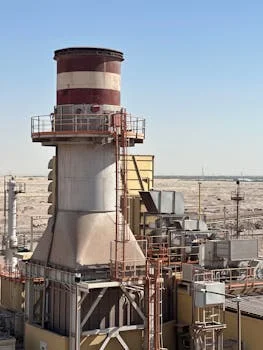
Pulse-jet baghouses hold emissions below 10 mg/Nm³, the range called out under the EU Industrial Emissions Directive's Best Available Techniques Associated Emission Levels (BAT-AEL). Reverse-air systems usually sit at 20–30 mg/Nm³ and miss modern compliance marks. Cartridge collectors can drop below 5 mg/Nm³ on fine dust, which is why they show up in pharmaceutical and powder-coating rooms.
Energy use separates the technologies. Pulse-jet systems consume 15–20% less compressed air than reverse-air units because the cleaning pulse is short and targeted. Reverse-air designs move large volumes of clean air through the bags, which adds load on the fan and the compressor. On a 50,000 CFM line running two shifts, that 15–20% delta is roughly $6,000–$10,000 per year in compressor electricity at $0.12/kWh.
Filter life is the line item most buyers underweight. Pulse-jet systems change bags every 2–5 years, about 40% less often than reverse-air or shaker designs, because the cleaning pulse distributes pressure evenly across the bag. That longer life cuts the fabric filter bag replacement cost by roughly a third over a 15-year horizon. A pulse-jet system often sees 2–5 years of bag life; reverse-air and shaker designs usually run 1–3 years under the same duty.
The HydropureWater high-efficiency pulse jet baghouse dust collector starts near $35,000 for a 20,000 CFM unit, with PLC-controlled cleaning cycles and an integrated bypass damper that protects bags from temperature or moisture spikes. The bypass is one of those features that pays for itself the first time a process upset sends hot, wet gas downstream.
Cartridge collectors run 25–40% more per m² of filtration than fabric bag filters because of the pleated media and harder manufacturing, but they need about 50% less footprint for the same capacity. That footprint saving is decisive on retrofits where the existing dust collector system cost of moving a wall or extending a mezzanine would erase any savings on the collector itself.
| Feature | Pulse Jet Baghouse | Reverse Air Baghouse | Cartridge Collector |
|---|---|---|---|
| Typical Emissions | <10 mg/Nm³ (BAT-AEL) | 20–30 mg/Nm³ | <5 mg/Nm³ (for fine dust) |
| Energy Use (Compressed Air) | 15–20% less than reverse air | High | Moderate (for cleaning) |
| Filter Change Frequency | Every 2–5 years (40% less) | Every 1–3 years | Every 1–3 years |
| Space Requirement | Standard | Large | 50% less than baghouses |
| Relative Upfront Cost | Medium-High | Low-Medium | High (per m² filtration) |
Total Cost of Ownership: Beyond the Purchase Price
Total cost of ownership (TCO) over 15 years usually runs 2–3 times the purchase price, so a $50,000 collector often costs $100,000–$150,000 to own. The biggest recurring line is fabric filter bag replacement cost, which hits every 2–5 years at $8,000–$25,000 per change for a medium-to-large system, depending on bag count and material. Polyester changes are cheap; PTFE changes are not, but they last longer in hot or corrosive service.
Energy is the second-biggest line. A 50,000 CFM system draws a 100–150 HP fan, which at $0.12/kWh translates to $40,000–$60,000 per year in electricity. Variable-frequency drives, high-efficiency motors, and optimized cleaning cycles can cut that figure by 10–20%, which is one reason a high-efficiency dust collector earns its premium over a 15-year horizon.
Downtime is the hidden cost that never shows up on the quote. Poor filtration or frequent bag failures can drop manufacturing output by 5–10%, and on a continuous process that is the most painful number on the page. Automated cleaning and predictive maintenance on modern pulse-jet systems can cut unplanned stops by up to 60%, which protects both throughput and the maintenance budget.
Compliance fines are the fourth risk vector. Earlier guidance cited $10,000 to over $50,000 per incident under EPA NSPS and similar rules. The 2025 EPA inflation adjustment sets Clean Air Act judicial civil penalties up to $124,426 per day per violation under 42 U.S.C. 7413(b), effective January 8, 2025 (40 CFR 19.4). Specifying an EPA-compliant dust collector with continuous emissions monitoring is the cheapest way to keep that line item at zero.
Most plants we see recover their capital outlay in 2–4 years through lower maintenance, lower energy, and avoided fines. That payback is the strongest argument for evaluating TCO rather than chasing the lowest industrial baghouse price on the spreadsheet.
Who This Is For and Next Step
This page fits procurement managers and plant engineers sizing a fabric filter dust collector for a 5,000–100,000 CFM duty who need defensible price bands for a 2026 budget. If your duty is below 3,000 CFM or above 150,000 CFM, or if you need wet scrubbing or HEPA after-filtering, the numbers here will undershoot and you should request a custom scope. Send your airflow, dust type, temperature, and target emission limit, and we will return a sized quote with TCO assumptions within two business days: request a fabric filter dust collector quote.
Frequently Asked Questions

How much does a baghouse dust collector cost?
Small baghouse dust collectors start at about $8,000 for a 5,000 CFM unit, and large industrial systems above 100,000 CFM run $80,000 to over $200,000 depending on filtration area, bag material, and compliance scope. Most medium-duty 15,000–50,000 CFM systems for food, pharma, and foundry service land between $25,000 and $80,000.
What is a pulse jet dust collector and why is it priced higher?
A pulse jet dust collector cleans filter bags online with short bursts of compressed air, which keeps emissions below 10 mg/Nm³ and cuts filter change frequency by about 40% compared with reverse-air designs. The higher first cost reflects the solenoid valves, manifold, and PLC controls, and the price premium is typically recovered through lower maintenance and energy use within 2–4 years.
How often do fabric filter bags need replacement?
Filter bags on pulse-jet systems typically last 2–5 years; reverse-air and shaker designs usually need changes every 1–3 years under similar duty. Replacement cost runs $8,000–$25,000 per change on a medium-to-large system, with PTFE bags costing more per change but lasting longer in hot or corrosive service above 130°C.
What factors drive dust collector maintenance cost?
Dust collector maintenance cost is driven by bag change frequency, compressed-air consumption for cleaning cycles, fan and motor service, and unplanned downtime from differential-pressure excursions. Pulse-jet systems with PLC-controlled cleaning and leak detection typically spend 30–40% less on maintenance labor and parts than reverse-air units of the same airflow.
Does a fabric filter dust collector need EPA or EU compliance upgrades?
If the unit is installed at a facility subject to EPA NSPS or the EU Industrial Emissions Directive 2010/75/EU, expect 15–25% added to the base price for tighter filtration, heavier construction, and continuous emissions monitoring. Skipping those upgrades is a short-term saving that usually costs more in fines. Earlier figures of $10,000 to over $50,000 per violation under NSPS are outdated; CAA judicial civil penalties now reach $124,426 per day per violation as of January 8, 2025.