GaN semiconductor wastewater requires specialized treatment to remove fluoride (≤4 mg/L EPA limit), ammonia (≤10 mg/L), and gallium (≤1 mg/L emerging standard). Hybrid DAF-MBR-RO systems achieve 99.5% contaminant removal, with MBR membrane flux rates of 15-20 LMH for GaN effluent. Zero-discharge (ZLD) configurations add evaporators or crystallizers, increasing CapEx by 40% but eliminating discharge fees and regulatory risk. Key specs: influent fluoride 50-300 mg/L, COD 800-1,500 mg/L, and TSS 200-500 mg/L.
Why GaN Wastewater Treatment Demands Specialized Design
GaN fabrication effluent contains fluoride, ammonia, and gallium at concentrations significantly higher than typical municipal wastewater, necessitating specialized treatment design. Per 2025 EPA semiconductor effluent guidelines, GaN manufacturing wastewater commonly presents fluoride levels between 50–300 mg/L, ammonia from 200–800 mg/L, and gallium in the range of 5–50 mg/L. These concentrations are often 10–100 times greater than those found in municipal streams, requiring robust and targeted removal strategies. For a broader understanding of industry benchmarks, refer to our guide on semiconductor wastewater treatment benchmarks for 2026.
Fluoride, a primary contaminant, forms stable complexes with gallium, making its removal challenging. Effective fluoride removal from semiconductor wastewater typically requires precise pH adjustment to 9.5–11 using lime (Ca(OH)₂) dosing to precipitate calcium fluoride (CaF₂). This process can achieve over 95% fluoride removal efficiency, reducing influent concentrations from hundreds of mg/L to below 10 mg/L in the initial stage. Additionally, the high suspended solids content, ranging from 200–500 mg/L TSS, primarily originates from chemical-mechanical planarization (CMP) sludge. These fine, sticky solids rapidly clog conventional clarifiers, demanding advanced separation technologies. Dissolved Air Flotation (DAF) systems, according to EPA 2024 data, achieve 92–97% TSS removal, making them critical for GaN wastewater pretreatment.
The consequences of inadequate GaN wastewater treatment can be severe, as illustrated by a recent case in Taiwan where a GaN fab faced a $2M fine for fluoride exceedance. This incident underscores the critical need for systems capable of consistently meeting stringent discharge limits. A hybrid system incorporating DAF for solids removal and MBR for biological treatment, followed by RO for polishing, would have provided the necessary multi-stage contaminant reduction to prevent such a compliance failure. Such integrated hybrid systems for high-strength industrial wastewater are designed to handle the complex contaminant matrix of GaN effluent effectively.
| Parameter | Typical GaN Influent Range | Regulatory Context (Example) |
|---|---|---|
| Fluoride (F⁻) | 50 – 300 mg/L | EPA Limit: ≤4 mg/L |
| Ammonia (NH₃-N) | 200 – 800 mg/L | EPA Limit: ≤10 mg/L |
| Gallium (Ga) | 5 – 50 mg/L | Emerging Std: ≤1 mg/L |
| Chemical Oxygen Demand (COD) | 800 – 1,500 mg/L | High strength organic |
| Total Suspended Solids (TSS) | 200 – 500 mg/L | From CMP sludge |
| pH | 3 – 5 | Highly acidic |
Hybrid System Design: DAF → MBR → RO for GaN Effluent
Effective gallium nitride effluent treatment relies on a multi-barrier hybrid system that sequentially targets specific contaminant groups to achieve regulatory compliance. This design typically integrates Dissolved Air Flotation (DAF), Membrane Bioreactor (MBR), and Reverse Osmosis (RO) in a robust configuration.
Stage 1: Dissolved Air Flotation (DAF) serves as the primary physical-chemical pretreatment for GaN wastewater, targeting high TSS and fats, oils, and grease (FOG). The DAF system for GaN wastewater pretreatment operates with a saturation pressure of 4–6 bar and a 10–15% recycle ratio, enabling micro-bubble generation for efficient flocculation and flotation of suspended particles. This stage consistently achieves 92–97% TSS removal and over 90% FOG removal, significantly reducing the load on downstream biological processes and preventing membrane fouling. Chemical conditioning, including coagulants and flocculants, enhances particle aggregation before flotation.
Stage 2: Membrane Bioreactor (MBR) provides advanced biological treatment and solid-liquid separation. For GaN effluent, DF series PVDF flat-sheet MBR modules are preferred due to their robust design and resistance to fouling from high suspended solids. These membranes, with a 0.1 μm pore size, operate efficiently with a Mixed Liquor Suspended Solids (MLSS) concentration of 8,000–12,000 mg/L and maintain stable flux rates of 15–20 LMH. The MBR stage is critical for substantial COD removal (95–98%) and effective ammonia removal from semiconductor wastewater through nitrification-denitrification processes, crucial for meeting stringent nitrogen discharge limits.
Stage 3: Reverse Osmosis (RO) acts as the final polishing step, ensuring compliance with ultra-low discharge limits for fluoride, gallium, and dissolved solids. Industrial RO systems for GaN wastewater typically achieve 85–90% water recovery at operating pressures of 15–20 bar. This stage is particularly effective for fluoride polishing, demonstrating >99% fluoride rejection, and similarly high rejection rates for gallium. Pre-treatment before RO often includes cartridge filtration and pH adjustment (6.0-6.5) to prevent scaling and optimize membrane performance, along with the precise application of antiscalants.
Throughout the hybrid system, precise chemical dosing for GaN wastewater is paramount. This includes initial lime (Ca(OH)₂) dosing at 200–400 mg/L for fluoride precipitation in the pre-treatment stage, followed by sulfuric acid (H₂SO₄) for pH adjustment to 6.5–7.5 before biological treatment. Additionally, antiscalants are dosed at 2–5 mg/L upstream of the RO membranes to inhibit mineral precipitation and maintain flux rates. These PLC-controlled lime dosing for fluoride precipitation systems ensure optimal chemical usage and consistent treatment performance.
| Treatment Stage | Key Function | Equipment/Process Specs | Performance Benchmarks | Relevant Parameters |
|---|---|---|---|---|
| Pre-treatment | pH Adjustment, Precipitation | pH 9.5-11 (lime dosing) | Fluoride removal >95% (initial) | Lime (Ca(OH)₂): 200-400 mg/L, H₂SO₄ for post-pH |
| DAF | TSS, FOG, Precipitated Solids | Saturation pressure: 4-6 bar, Recycle ratio: 10-15% | TSS removal: 92-97%, FOG removal: >90% | DAF system, air-to-solids ratio: 0.02-0.05 |
| MBR | BOD/COD, Ammonia, Solids | PVDF flat-sheet membranes (0.1 μm), MLSS: 8,000-12,000 mg/L | COD removal: 95-98%, Ammonia removal: >90% | Flux: 15-20 LMH, DF series MBR module, HRT: 6-10 hrs |
| RO | Fluoride, Gallium, Salinity | Recovery: 85-90%, Operating pressure: 15-20 bar | Fluoride rejection: >99%, Gallium rejection: >99% | Antiscalant: 2-5 mg/L, pH: 6.0-6.5 (post-MBR) |
Zero-Discharge (ZLD) Configurations for GaN Fabs: When to Invest
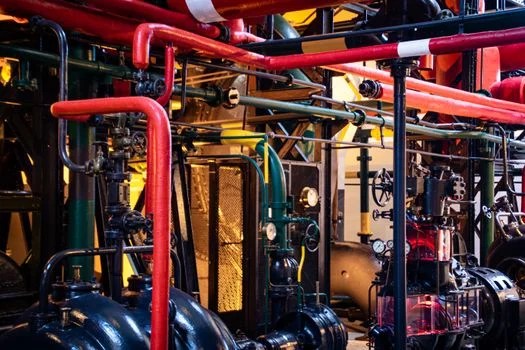
Zero-discharge systems for GaN fabs represent the highest level of wastewater treatment, achieving nearly 99.9% water recovery and eliminating liquid discharge, but require a significant capital investment. These advanced configurations extend the hybrid DAF-MBR-RO pathway by integrating thermal separation technologies, such as mechanical vapor recompression (MVR) evaporators or crystallizers, to treat the concentrated reject stream from the RO unit. While this increases CapEx by approximately 40% compared to a standard hybrid system—typically ranging from $3.2M–$5.8M for 50 m³/h systems—it offers unparalleled regulatory compliance and operational benefits.
The operational expenditure (OPEX) for ZLD systems is notably higher than conventional or hybrid approaches. Hybrid systems, like DAF-MBR-RO, typically incur OPEX costs of $0.80–$1.20/m³ due to energy for pumps and aeration, and chemical consumption. In contrast, ZLD systems, with their energy-intensive evaporators or crystallizers, demand OPEX in the range of $2.50–$3.50/m³ (2026 cost models). This higher operating cost is primarily driven by energy consumption for evaporation and the handling of concentrated solids.
However, the return on investment (ROI) for ZLD systems can be compelling, particularly in regions with stringent environmental regulations or high discharge fees. ZLD systems can achieve payback periods of 4–6 years in areas like Taiwan or California, where fluoride limits are exceptionally strict (e.g., fluoride ≤2 mg/L) or where industrial discharge fees can reach $0.50–$1.00/m³. By eliminating discharge fees, reducing fresh water intake costs through extensive water reuse, and mitigating the risk of multi-million dollar regulatory fines, ZLD systems offer long-term financial and environmental security. A notable case study is Intel’s Chandler, AZ fab, which implemented ZLD to reduce discharge fees by 85%, offsetting a $4.2M CapEx in under 5 years, while ensuring compliance with wafer fab wastewater treatment design specs.
| Treatment Pathway | Key Stages | Typical CapEx (50 m³/h system) | Typical OPEX ($/m³) | Water Recovery | Compliance Suitability (GaN) |
|---|---|---|---|---|---|
| Conventional | Coagulation/Flocculation → Clarification → Biological Treatment | $1.5M – $2.5M | $0.50 – $0.90 | 60-70% | Low (fails on F⁻, Ga, NH₃) |
| Hybrid | DAF → MBR → RO | $2.5M – $4.0M | $0.80 – $1.20 | 85-90% | High (meets most limits) |
| Zero-Discharge (ZLD) | DAF → MBR → RO → Evaporator/Crystallizer | $3.5M – $5.8M | $2.50 – $3.50 | >99% | Excellent (eliminates risk) |
Compliance Checklist: Meeting EPA and Local GaN Wastewater Limits
Meeting regulatory discharge limits for GaN wastewater requires a rigorous compliance strategy that encompasses treatment efficacy, continuous monitoring, and meticulous documentation. The EPA's 2026 limits for semiconductor fabs mandate effluent concentrations of fluoride ≤4 mg/L, ammonia ≤10 mg/L, gallium ≤1 mg/L (an emerging standard), and TSS ≤30 mg/L. These benchmarks are foundational for GaN wastewater treatment design.
However, local environmental regulations can impose even stricter requirements. For instance, Taiwan enforces a fluoride limit as low as ≤2 mg/L, California is moving towards gallium limits of ≤0.5 mg/L, and the EU's Directive 91/271/EEC often specifies ammonia limits of ≤5 mg/L for sensitive receiving waters. Understanding and designing for these local variations is critical for global fab operations.
Effective monitoring is non-negotiable for demonstrating continuous compliance. This includes deploying online fluoride analyzers, such as Hach FLUORAT systems, for real-time data. Weekly gallium testing using Inductively Coupled Plasma Mass Spectrometry (ICP-MS) provides precise quantification, while daily Total Suspended Solids (TSS) measurements ensure physical separation processes are performing optimally. Advanced automatic chemical dosing systems with integrated sensors can help maintain optimal treatment parameters and prevent excursions.
Documentation is equally vital. EPA National Pollutant Discharge Elimination System (NPDES) permits typically require quarterly discharge monitoring reports. Common audit triggers for regulatory agencies include persistent pH spikes, fluoride exceedances, or unexplained effluent turbidity, all of which can lead to facility inspections, fines, or operational restrictions. A comprehensive compliance program integrates robust treatment, continuous real-time monitoring, and detailed record-keeping to proactively manage regulatory risk.
Frequently Asked Questions
Q: What are the primary challenges in treating GaN semiconductor wastewater?
A: The main challenges stem from the high concentrations of specific contaminants: fluoride (50–300 mg/L), ammonia (200–800 mg/L), and gallium (5–50 mg/L). Fluoride forms stable complexes with gallium, complicating precipitation, while high TSS (200–500 mg/L) from CMP operations can rapidly foul conventional systems. These levels are 10–100 times higher than typical municipal wastewater, requiring highly specialized and robust treatment trains to achieve EPA 2026 limits.
Q: How does a hybrid DAF-MBR-RO system specifically address GaN effluent complexities?
A: A hybrid DAF-MBR-RO system provides a multi-stage defense tailored for GaN wastewater. DAF efficiently removes high TSS and precipitated solids (92-97% removal), protecting downstream processes. The MBR biologically degrades COD and ammonia (95-98% COD removal, >90% ammonia removal) while providing superior solid-liquid separation. Finally, RO polishes the effluent, achieving >99% rejection of fluoride and gallium, ensuring compliance with ultra-low discharge limits by targeting dissolved ions that bypass earlier stages.
Q: What are the key ROI drivers for investing in a ZLD system for GaN fabs?
A: The primary ROI drivers for ZLD systems include eliminating discharge fees, which can be $0.50–$1.00/m³ in some regions, and significantly reducing fresh water intake costs by recovering over 99% of wastewater for reuse. ZLD mitigates regulatory risks, preventing multi-million dollar fines for non-compliance. In regions with stringent limits (e.g., Taiwan's ≤2 mg/L fluoride), ZLD offers the only guaranteed compliance, leading to payback periods of 4–6 years by converting a waste stream into a valuable resource.
Q: What’s the best membrane for GaN wastewater, and what are its typical operating parameters?
A: For GaN wastewater, PVDF flat-sheet membranes (0.1 μm pore size) are generally preferred within MBR systems. They are highly resilient to the high TSS loads (200–500 mg/L) and fluctuating organic content characteristic of GaN effluent. These membranes typically operate with stable flux rates of 15–20 LMH (liters per square meter per hour) and maintain high COD removal efficiency (95–98%), outperforming hollow-fiber membranes by up to 30% in applications with challenging solids due to their robust structure and ease of cleaning (2025 MBR benchmarks).
Related Equipment
- DAF system for GaN wastewater pretreatment — view specifications, capacity range, and technical data
- DF series PVDF flat-sheet MBR modules for GaN effluent — view specifications, capacity range, and technical data
Need a customized solution? Request a free quote with your specific flow rate and pollutant parameters.