How Pulse Jet Cleaning Works
A pulse jet dust collector uses compressed-air pulses, typically 60–100 PSI (about 415–690 kPa), to clean bags online while the fan keeps running. Particulate removal often reaches 99.9% or higher when air-to-cloth ratio and media match the dust. Cleaning commonly triggers near 4–6 in WC; many controllers use 3–5 in WC high/low bands (Baghouse.com, 2024).
Dust-laden air first enters the hopper. Velocity drops and flow turns, so coarse particles fall out before the bags. Finer dust builds a cake on the bag exterior that aids filtration until the cake thickens and raises pressure drop. A PLC-driven solenoid then opens for a short pulse through a venturi, expanding and snapping the bag so the cake breaks free and drops to the hopper.
Venturi nozzles matter because they induce secondary air and help the shock reach long bags. According to Torch-Air 2025 data, well-matched venturis can raise cleaning effectiveness by 15–25% on bags up to 20 feet. Shaker collectors need full offline agitation. Reverse-air cleaning can cut productive time by 10–15%. Pulse cleaning keeps filtration continuous when valves and manifold pressure are healthy. For component-level baghouse mechanics, see this detailed engineering guide to baghouse dust collectors.
Critical Design Parameters: Air-to-Cloth Ratio, Pulse Pressure, and Bag Material
Air-to-cloth (A/C) ratio sets filter area and bag life. It is the gas volume per minute through one square foot of media. Most industrial dusts run between 3:1 and 5:1. Fine abrasive powders such as silica or metallurgical fumes need about 3:1 to limit bleeding. Coarse wood chips can run near 5:1. Pushing fine dust above 5:1 often cuts efficiency by 20–30% and shortens bag life, according to IQS Directory 2024 benchmarks.
Pulse pressure must match bag length and cake density. The common band is 60–100 PSI. Some plants drop to 40–60 PSI to spare media, then pulse more often and add cloth area, which raises OPEX. Bags longer than 15 feet often need 90–120 PSI so the wave reaches the cage base. Specifying a Pulse Jet Baghouse Dust Collector means matching those pressures to flue-gas chemistry and temperature, not copying a catalog default.
| Filter Bag Material | Max Operating Temp | Chemical Resistance | Relative Cost | Best Use Case |
|---|---|---|---|---|
| Polyester | 135°C (275°F) | Fair (Low Acid/Alkali) | Low ($10–$20) | Woodworking, Cement, General Dust |
| PPS (Ryton) | 190°C (375°F) | Excellent (Acids/Oxidizers) | Medium ($25–$45) | Coal-fired Boilers, Incinerators |
| PTFE (Teflon) | 260°C (500°F) | Outstanding (All Chemicals) | High ($80–$150) | Chemical Processing, High Temp |
| Fiberglass | 260°C (500°F) | Good (Except Hydrofluoric) | Medium-High | Foundries, Smelters, Kilns |
Bag length also drives footprint. Modular units often use 8–12 foot bags. High-capacity housings stretch to 20 feet to pack more cloth into a smaller plan area. Can velocity between bags should stay near 200–250 feet per minute or lower. Higher upward speed re-entrains just-cleaned dust before it can settle into the hopper.
Efficiency Data by Dust Type: Real-World Removal Rates and Energy Use
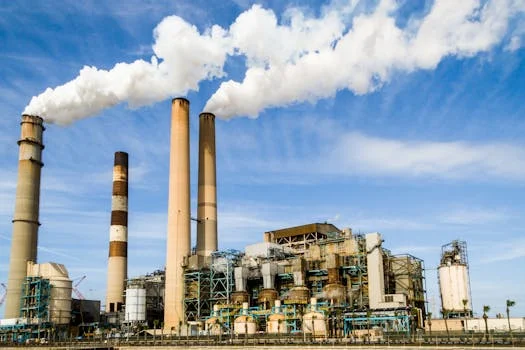
Industrial dust collectors are judged by outlet loading against limits such as EPA NESHAP rules for hazardous air pollutants. Pulse systems commonly hold 99.9%+ removal on cement, coal, and metal fumes when media and A/C are correct. Sticky or hygroscopic dusts such as flour, sugar, or some resins may sit nearer 99.5–99.8% because cakes resist release. Those duties often need oleophobic finishes or wet pre-treatment such as PLC-controlled chemical dosing for pH adjustment in wet scrubber pre-treatment.
Fan power and compressed air dominate energy use. Average draw is about 0.5–1.5 kWh per 1,000 CFM of treated air under typical industrial loadings. On-demand pulsing at a differential-pressure setpoint (for example 5 in WC) can cut compressed-air use by 20–40% versus fixed timers. Sustained readings above 8 in WC usually mean blinded bags and extra fan load. Left uncorrected, related facility energy cost can rise about 15%.
A 2024 case study on a HydropureWater pulse-jet baghouse unit at a coal-fired boiler reported 99.95% removal with 50 mg/Nm³ inlet loading. Outlet dust stayed below 5 mg/Nm³, inside tight EU Industrial Emissions Directive bands. Similar polishing roles appear after wet scrubbing trains discussed in FGD scrubber systems for SO₂ and particulate removal, where a baghouse often finishes the flue-gas train.
Online vs. Offline Pulse Jet Systems: When to Use Each
Online cleaning pulses bags while dirty gas still flows through the collector. Cement plants, smelters, and large boilers favor this layout because productive downtime stays near zero. Some dust re-settles on the bag after the pulse, so residual pressure drop runs higher than still-air cleaning.
Offline cleaning isolates one compartment with dampers, then pulses in still air so nearly all cake falls to the hopper. It suits very fine dust below about 2 microns and light particles that re-entrain easily. CapEx typically rises 15–25% for dampers, actuators, and PLC logic. Combustible-dust designs aligned with NFPA 652 often prefer compartment isolation to cut turbulence during cleaning events.
Pulse Jet Dust Collector Selection Framework: 5-Step Decision Tree
Selecting filtration hardware is a CapEx–OPEX balance, not a single catalog pick. Procurement and process teams can use the five steps below to lock compliance and operating cost before steel is ordered.
What selection criteria matter for industrial sizing?
Selection criteria for industrial sizing start with particle size, gas rate, temperature, and emission limit. If more than half of the mass is below 10 μm, plan an A/C near 3:1. Gas above 150°C rules out standard polyester in favor of PPS or PTFE. Dust loading over 10 grains per cubic foot shortens pulse intervals and needs robust valves.
- Step 1: Define Dust Characteristics: Identify the particle size distribution (PSD). If more than 50% of particles are below 10 μm, an A/C ratio of 3:1 is required. Determine if the dust is abrasive, sticky, or combustible.
- Step 2: Calculate Airflow and Temperature: Determine the total CFM required at the source and the temperature of the gas. High temperatures (>150°C) automatically disqualify standard polyester bags in favor of PPS or PTFE.
- Step 3: Establish Pulse Parameters: Select a pulse pressure (60–100 PSI) and cleaning interval (30–120 seconds). High dust loading (over 10 grains per cubic foot) requires shorter intervals and more robust pulse valves.
- Step 4: Operational Mode: Choose online cleaning for continuous processes or offline cleaning for fine/combustible dusts and high-efficiency requirements.
- Step 5: ROI and Lifecycle Analysis: Compare the $5–$15 per CFM CapEx against the projected $0.05–$0.15 per CFM annual OPEX. Higher automation levels (PLC integration) generally pay for themselves within 18 months through reduced energy and compressed air usage.
| Selection Factor | Standard Requirement | High-Performance Requirement |
|---|---|---|
| Air-to-Cloth Ratio | 4:1 to 5:1 | 2.5:1 to 3.5:1 |
| Cleaning Mode | Online (Continuous) | Offline (Compartmentalized) |
| Controller Type | Timer-based | Differential Pressure (On-Demand) |
| Emission Limit | < 50 mg/Nm³ | < 5 mg/Nm³ |
Complex flue-gas duties can use the modular high-efficiency pulse jet baghouse for industrial furnaces and boilers platform sized to this framework. Emission limits and energy use then stay aligned with the plant duty.
How should dust collector maintenance be scheduled?
Dust collector maintenance should include daily or per-shift checks of differential pressure, manifold pressure, and pulse sound on each unit. Weekly walks should confirm hopper discharge, valve LED activity, and compressed-air dryer dew point. Monthly work covers diaphragm kits, solenoid function, and gauge zero checks. Bags, cages, and venturis follow a planned change-out tied to hours, dP trend, and outlet opacity—not a fixed calendar alone.
Most plants we size for keep on-demand high/low bands near 3–5 in WC. They step toward continuous pulsing only when inlet loading spikes. Instrument-quality dry air protects media. Wet air turns cake into mud and drives dP above 8 in WC. Record baseline clean and dirty dP after every bag change so later alarms mean something.
Common Failure Modes and Troubleshooting Guide
Pulse jet collectors usually fail in a few repeatable ways. High differential pressure above 8 in WC often traces to weak pulse pressure, wet compressed air that muds the bags, or plugged venturis. Raise pulse pressure into the 80–100 PSI band when bag length allows, and add a desiccant dryer so cleaning air stays instrument-dry.
Visible stack dust usually means worn bags, poor tube-sheet seals, or holes from abrasive duty. Excessive pulse pressure above about 100–120 PSI on short bags can whip media against cages and open pinholes. Replace damaged bags as matched sets in a compartment. Reseat snap bands, and inspect cages for broken wires before restart.
Uneven cleaning across rows points to manifold leaks, stuck solenoids, or timer boards that fire too fast for header recovery. Listen for a sharp pop. A hiss or click without air means diaphragm or coil trouble. Non-sequential row firing reduces re-entrainment into the row just cleaned. Keep spare diaphragms and solenoids on the shelf. Most plants we support lose more production to waiting for parts than to the repair itself.
Who This Is For and Next Step
This guide is for plant engineers, EPC firms, and buyers sizing baghouses for boilers, cement, metals, or dry process vents. Look elsewhere if you need only wet scrubbing for sticky condensables with no dry filtration stage. When duty data (CFM, temperature, PSD, and limit) are ready, request a sized proposal through our pulse baghouse inquiry form so cloth area and pulse settings can be checked against your emission target.
Frequently Asked Questions
What pulse pressure should a pulse jet baghouse use?
Most industrial bags clean well at 60–100 PSI (about 415–690 kPa) with short pulses. Bags longer than 15 feet often need 90–120 PSI so the cleaning wave reaches the cage base. Lower bands near 40–60 PSI can spare media but need more cloth area and more frequent pulsing, which raises compressed-air OPEX.
What air-to-cloth ratio is safe for fine industrial dust?
Fine abrasive dusts such as silica or metal fumes usually need about 3:1 air-to-cloth. Coarse dusts can run near 5:1 when can velocity stays controlled. Exceeding 5:1 on fines often cuts removal by 20–30% and shortens bag life, so size cloth area from PSD data rather than from a single catalog ratio.
When is offline cleaning worth the extra cost?
Offline compartment cleaning is worth the 15–25% CapEx premium for sub-2-micron dust, light particles that re-entrain, or combustible-dust layouts that need still-air pulsing. Continuous 24/7 cement or boiler duties usually stay online. Choose offline when outlet limits sit near 5 mg/Nm³ and residual dP must stay low.
How often should differential pressure be checked?
Check differential pressure every shift, and log manifold pressure before and after pulses. Typical on-demand high/low bands sit near 3–5 in WC. Many plants still alarm in the 4–6 in WC region used in older specs. Readings stuck above 8 in WC call for dryer, valve, and bag inspection before fan energy and emissions drift.
Do sticky dusts need different bags or pre-treatment?
Sticky or hygroscopic dusts such as sugar, flour, or some resins often hold only 99.5–99.8% removal if cakes will not release. Oleophobic bag finishes help. Wet scrubber pre-treatment with controlled dosing can condition the gas before the baghouse when dry cake release stays unreliable.