Package Wastewater Treatment Plants in Haryana India: 2025 Engineering Guide with Costs, Compliance & Supplier Checklist
Package wastewater treatment plants in Haryana must handle capacities from 50 KLD to 1000 KLD while meeting Haryana PCB’s strict discharge limits (BOD <30 mg/L, COD <250 mg/L, TSS <100 mg/L). For a 200 KLD industrial plant in Sonipat, costs range from ₹12L–₹25L depending on technology (MBR: ₹25L, SBR: ₹18L, A/O: ₹12L), with 15–20% annual O&M expenses. Key considerations include space constraints (underground plants save 40% footprint), odor control (mandatory for residential colonies), and supplier track records (e.g., 5+ years in Haryana, 50+ installations). This guide provides 2025 benchmarks for specs, costs, compliance, and vendor selection, specifically for package wastewater treatment plants in Haryana India.
Why Haryana Needs Package Wastewater Treatment Plants: Compliance, Costs, and Case Studies
Haryana's rapid industrialization, particularly in HSIIDC estates across Sonipat, Gurgaon, and Faridabad, has intensified the demand for efficient wastewater management to mitigate environmental impact and avoid regulatory penalties. The Haryana State Pollution Control Board (HSPCB) enforces stringent discharge standards to protect water bodies and public health. For industrial effluents, the 2024 Haryana PCB standards mandate BOD <30 mg/L, COD <250 mg/L, TSS <100 mg/L, pH between 6.5–8.5, and Oil & Grease <10 mg/L. Domestic wastewater discharge from residential colonies and hospitals must adhere to BOD <30 mg/L and TSS <100 mg/L (Haryana PCB Notification, 2024).
Non-compliance with these standards carries significant consequences, including penalties ranging from ₹50,000 to ₹5 lakh per violation, alongside potential plant shutdowns and legal action. For instance, several industrial units in the IMT Manesar and Rai Industrial Area faced closure orders and hefty fines in 2023 for operating non-compliant effluent treatment systems. These financial and operational disruptions underscore the critical need for reliable package wastewater treatment plants in Haryana.
Urbanization and land scarcity in Haryana’s industrial hubs make space-efficient solutions imperative. Underground package plants offer a compelling advantage by saving 40–60% of the footprint compared to conventional STPs. A typical 200 KLD plant, for example, can be installed within 150 m² underground, whereas a traditional system might require over 400 m². This space-saving design is crucial for high-density industrial parks and residential colonies. To learn how underground STPs maximize ROI in space-constrained industrial zones, explore this engineering guide on underground sewage treatment systems.
A notable case study is the 5.0 MLD Sequencing Batch Reactor (SBR) plant implemented in a township in Charkhi Dadri, Bhiwani district, Haryana. Designed to treat domestic sewage with typical influent BOD levels of 250-350 mg/L, the plant consistently achieves effluent quality well within Haryana PCB norms (BOD <10 mg/L, TSS <10 mg/L). This SBR system significantly reduced the required land area by approximately 30% compared to conventional activated sludge systems. its optimized operation resulted in an operational cost of approximately ₹0.8–₹1.2 per KLD, demonstrating both environmental compliance and economic efficiency.
Package Wastewater Treatment Plant Technologies for Haryana: MBR vs. SBR vs. A/O
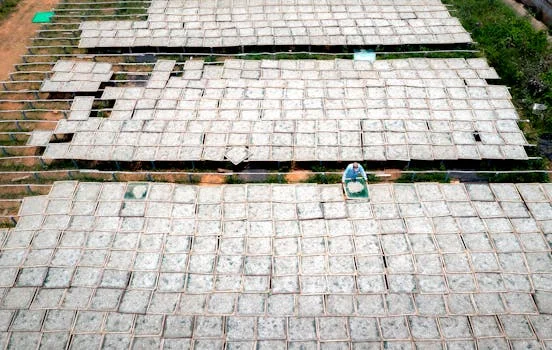
Selecting the optimal package wastewater treatment technology in Haryana hinges on balancing influent characteristics, desired effluent quality for reuse, and budget constraints. Three primary technologies dominate the market for their efficiency and adaptability: Membrane Bioreactor (MBR), Sequencing Batch Reactor (SBR), and Anoxic/Oxic (A/O) systems.
- MBR (Membrane Bioreactor): This advanced technology integrates biological treatment with membrane filtration, typically using PVDF membranes with a 0.1 μm pore size. MBR systems achieve superior effluent quality, including nearly 99% pathogen removal, making the treated water ideal for reuse applications such as cooling towers, landscaping, and irrigation, which is increasingly important in water-stressed regions of Haryana. While MBR systems offer a compact footprint, their energy consumption is higher, typically ranging from 0.8–1.2 kWh/m³, due to the aeration required for biological treatment and membrane scouring. For advanced water reuse in Haryana’s industrial parks, discover MBR systems for water reuse.
- SBR (Sequencing Batch Reactor): SBR systems operate in a batch mode, performing all treatment steps (aeration, settling, decanting) in a single tank. This makes them highly effective for treating wastewater with variable flow rates and organic loads, commonly found in hospitals, hotels, and certain industrial facilities. The 5.0 MLD SBR plant in Bhiwani, Haryana, for instance, operates with typical cycle times of 6–8 hours, demonstrating flexibility. SBRs produce a moderate sludge yield, typically 0.3–0.5 kg TSS/kg BOD, requiring regular sludge management.
- A/O (Anoxic/Oxic): The Anoxic/Oxic process is a two-stage biological treatment system primarily designed for efficient nitrogen removal, achieving total nitrogen (TN) levels below 10 mg/L. A/O systems generally have a lower capital expenditure, with a 200 KLD plant costing between ₹12 lakh and ₹18 lakh. However, they typically require a larger footprint compared to MBR or SBR systems. This makes A/O technology a suitable and cost-effective option for residential colonies or smaller industrial units in Haryana where land availability is not a major constraint and the primary goal is to meet basic discharge standards.
A comparative overview of these technologies for package wastewater treatment plants in Haryana:
| Parameter | MBR (Membrane Bioreactor) | SBR (Sequencing Batch Reactor) | A/O (Anoxic/Oxic) |
|---|---|---|---|
| Capital Expenditure (200 KLD) | High (₹25L–₹35L) | Medium (₹18L–₹25L) | Low (₹12L–₹18L) |
| Operational Expenditure (per KLD) | Medium-High (₹1.5–₹2.5) | Medium (₹1.0–₹1.8) | Low-Medium (₹0.8–₹1.5) |
| Footprint | Very Small (e.g., 150 m² for 200 KLD) | Small-Medium (e.g., 200 m² for 200 KLD) | Medium-Large (e.g., 300 m² for 200 KLD) |
| Effluent Quality | Very High (BOD <5, TSS <2, TN <5, excellent for reuse) | High (BOD <10, TSS <10, good for discharge/limited reuse) | Medium-High (BOD <20, TSS <20, TN <10, good for discharge) |
| Energy Use | High (0.8–1.2 kWh/m³ due to membrane aeration/scouring) | Medium (0.6–1.0 kWh/m³ for aeration) | Low-Medium (0.5–0.8 kWh/m³ for aeration) |
| Sludge Production | Low (0.2–0.4 kg TSS/kg BOD) | Medium (0.3–0.5 kg TSS/kg BOD) | Medium-High (0.4–0.6 kg TSS/kg BOD) |
| Maintenance Complexity | Medium-High (membrane cleaning/replacement) | Medium (equipment calibration, sludge management) | Low-Medium (standard equipment checks) |
| Scalability | Modular, easy expansion | Moderate, requires careful design | Moderate, larger land requirement for expansion |
| Haryana-Specific Notes | Preferred for Gurgaon's high-rise apartments and industrial zones requiring water reuse due to stringent effluent norms and space constraints. | Versatile for hospitals, hotels, and varied industrial loads in Sonipat/Faridabad due to its adaptability to fluctuating influent. | Cost-effective for residential colonies and smaller industrial units with sufficient land availability, focusing on basic compliance. |
Haryana PCB Compliance: Effluent Standards and Permitting for Package Plants
Adhering to Haryana PCB’s 2024 effluent standards and navigating the permitting process are critical for package wastewater treatment plant operations in the state, directly impacting legal standing and operational continuity. The Haryana State Pollution Control Board (HSPCB) sets specific limits for treated wastewater discharge, which vary slightly between domestic and industrial sources.
- Domestic Effluent Standards (for package STPs in residential colonies, hospitals):
- BOD: <30 mg/L
- TSS: <100 mg/L
- Industrial Effluent Standards (for package ETPs in industrial parks):
- BOD: <30 mg/L
- COD: <250 mg/L
- TSS: <100 mg/L
- pH: 6.5–8.5
- Oil & Grease: <10 mg/L
These limits are strictly enforced as per Haryana PCB’s latest notification (e.g., Water (Prevention and Control of Pollution) Act, 1974, and Environment (Protection) Act, 1986). It is crucial to compare Haryana’s wastewater standards with neighboring Uttar Pradesh’s industrial wastewater treatment guidelines to understand regional differences.
The permitting process typically involves obtaining a Consent to Establish (CTE) before construction and a Consent to Operate (CTO) before commissioning the plant. The timeline for approvals usually ranges from 30–60 days, provided all documentation is complete. Required documents often include a Detailed Project Report (DPR), No Objection Certificate (NOC) from the local body, effluent test reports of the raw wastewater, land ownership documents, and a comprehensive application form. Fees for these consents range from ₹5,000 to ₹50,000, depending on the plant's capacity and category, as per the HSPCB fee structure.
Common compliance pitfalls include underestimating sludge disposal costs, which typically range from ₹2,000–₹5,000 per ton in Haryana, based on local landfill and Treatment, Storage, and Disposal Facility (TSDF) charges. Ignoring odor control, especially for package STPs located near residential areas, is another critical oversight, as it is often a mandatory requirement. Additionally, failing to account for seasonal variations in influent quality, such as TSS spikes during monsoons, can lead to non-compliance if the plant is not designed with adequate equalization or buffer capacity. An automatic chemical dosing system can help ensure Haryana PCB compliance with PLC-controlled chemical dosing, optimizing treatment efficiency. For instance, a 150 KLD SBR plant in Sonipat achieved consistent compliance with 20% lower chemical dosing by integrating advanced controls to optimize aeration cycles, as documented in a recent field study.
Cost Breakdown: Package Wastewater Treatment Plants in Haryana (2025 Benchmarks)
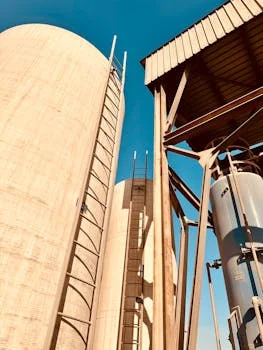
Understanding the comprehensive cost structure, including both capital expenditure (capex) and operational expenditure (opex), is fundamental for budgeting and achieving a viable return on investment for package wastewater treatment plants in Haryana. The total cost of a package wastewater treatment plant varies significantly based on capacity, technology, and site-specific conditions.
Capital Expenditure (Capex) for 50–1000 KLD Plants: For plants ranging from 50 KLD to 1000 KLD, the total capex can fall between ₹5 lakh and ₹90 lakh.
- MBR Technology: For a 200 KLD plant, MBR systems typically cost ₹25 lakh–₹35 lakh. For larger capacities like 500 KLD, this can range from ₹45 lakh–₹60 lakh.
- SBR Technology: A 200 KLD SBR plant generally costs ₹18 lakh–₹25 lakh. For a 500 KLD SBR, the range is ₹35 lakh–₹45 lakh.
- A/O Technology: For a 200 KLD A/O plant, the capex is lower, usually ₹12 lakh–₹18 lakh. A 500 KLD A/O system might cost ₹25 lakh–₹35 lakh.
A typical capex breakdown includes civil works (30%), mechanical equipment (40%), electrical and instrumentation (20%), and commissioning/erection (10%).
Operational Expenditure (Opex): Opex typically ranges from ₹0.8 to ₹2.5 per KLD of treated water. This includes:
- Energy: Approximately 50% of total opex, driven by pumps, blowers, and mixers.
- Chemicals: About 20% for coagulants, flocculants, and disinfectants.
- Labor: Roughly 15% for skilled operators and routine maintenance.
- Sludge Disposal: Around 15%, with Haryana-specific costs for sludge disposal ranging from ₹2,000–₹5,000 per ton, depending on local landfill fees and distance to Treatment, Storage, and Disposal Facilities (TSDFs).
Hidden Costs to Consider: Beyond immediate capex and opex, several hidden costs can impact the overall project budget:
- Permitting Fees: As mentioned, these can range from ₹5,000 to ₹50,000 for Consent to Establish and Consent to Operate from Haryana PCB.
- Odor Control: For plants near residential areas, mandatory odor control systems (e.g., biofilters, chemical scrubbers) can add ₹2 lakh–₹5 lakh to the initial investment.
- Membrane Replacement (for MBR systems): MBR membranes have a finite lifespan, typically 5–7 years, and their replacement can cost ₹3 lakh–₹8 lakh, depending on the plant size.
Return on Investment (ROI) Calculation: For a 200 KLD SBR plant in Sonipat with an estimated capex of ₹18 lakh and an opex of ₹1.2/KLD, the payback period can be calculated against potential savings. If municipal sewer fees (where applicable) are ₹2.5/KLD, and the treated water can be reused for non-potable purposes, saving an additional ₹1.5/KLD on fresh water purchase, the total saving is ₹2.8/KLD (₹2.5 + ₹1.5 - ₹1.2 opex). This translates to an annual saving of ₹20.44 lakh (200 KLD * 365 days * ₹2.8/KLD). The payback period would be approximately 4–6 years (₹18 lakh / ₹20.44 lakh per year), demonstrating a strong ROI, particularly with water reuse benefits. Learn how underground STPs maximize ROI in space-constrained industrial zones through this detailed guide.
| Capacity (KLD) | Technology | Estimated Capex (₹ Lakhs) | Estimated Opex (₹/KLD) | Typical Annual O&M (% of Capex) |
|---|---|---|---|---|
| 50 | A/O | 5-8 | 0.8-1.2 | 12-15% |
| 50 | SBR | 8-12 | 1.0-1.5 | 15-18% |
| 50 | MBR | 12-18 | 1.5-2.0 | 18-22% |
| 200 | A/O | 12-18 | 0.9-1.3 | 10-14% |
| 200 | SBR | 18-25 | 1.2-1.8 | 14-17% |
| 200 | MBR | 25-35 | 1.8-2.5 | 17-20% |
| 500 | A/O | 25-35 | 0.8-1.2 | 8-12% |
| 500 | SBR | 35-45 | 1.0-1.5 | 10-15% |
| 500 | MBR | 45-60 | 1.5-2.2 | 12-18% |
| 1000 | SBR | 50-70 | 0.9-1.4 | 9-14% |
| 1000 | MBR | 70-90 | 1.4-2.0 | 11-17% |
Supplier Checklist: How to Evaluate Package Wastewater Treatment Plant Vendors in Haryana
Vetting package wastewater treatment plant vendors in Haryana requires a rigorous assessment of their technical capabilities, compliance record, and local operational experience to ensure long-term reliability and regulatory adherence. Choosing the right supplier is paramount for ensuring a compliant and efficient wastewater treatment solution.
- Technical Criteria: A reputable supplier should offer a wide capacity range (e.g., 50–1000 KLD) and diverse technology options (MBR, SBR, A/O) to match specific project needs. Crucially, they must provide clear effluent quality guarantees, such as "BOD <30 mg/L or refund clause," demonstrating confidence in their system's performance. The ability to customize solutions for challenging influent qualities, like high TDS from textile units or specific industrial effluents, is also a key indicator of technical prowess.
- Compliance Proof: Always request proof of Haryana PCB approvals (e.g., copies of Consent to Operate certificates) for their past projects. This directly verifies their track record in achieving and maintaining regulatory compliance within the state. Ensure their designs and manufacturing processes adhere to relevant Indian Standards, such as IS 2490 (for Sewage Treatment Plants) and IS 3307 (for Effluent Treatment Plants).
- Local Experience: Prioritize vendors with significant local experience in Haryana, ideally 5+ years and 50+ successful installations. Request references from operational sites in key industrial and residential areas like Sonipat, Gurgaon, or Faridabad. For instance, a vendor with a proven 50 KLD plant in Sonipat demonstrates relevant expertise. Proven track record with WSZ series underground STPs for Haryana’s space-constrained sites is a definite plus.
- Red Flags: Be wary of suppliers who do not offer on-site pilot testing for complex or unusual wastewater streams, as this can indicate a lack of confidence in their technology's adaptability. Vague or incomplete O&M contracts that lack specific Key Performance Indicators (KPIs), service level agreements, or transparent pricing for spare parts are also major red flags. A lack of readily available spare parts inventory or a robust service network within Haryana (e.g., for MBR membranes, SBR aerators, or pumps) can lead to extended downtime and operational headaches.
Use the following checklist to thoroughly evaluate potential package wastewater treatment plant vendors:
| # | Question for Supplier | Why it Matters (Haryana Context) |
|---|---|---|
| 1 | What is your experience with Haryana PCB compliance, and can you provide NOCs/CTOs from past projects? | Directly verifies their ability to meet local regulatory requirements and navigate the HPCB process. |
| 2 | How many installations do you have in Sonipat, Gurgaon, or Faridabad, and can we contact references? | Confirms local operational experience and client satisfaction in Haryana's key industrial/residential hubs. |
| 3 | What is your guaranteed effluent quality (e.g., BOD, COD, TSS) for our specific influent, and what are the penalties if not met? | Ensures they stand behind their technology and performance, crucial for avoiding HPCB fines. |
| 4 | Do you offer on-site pilot testing for complex industrial effluents or high TDS wastewater? | Critical for ensuring technology suitability for Haryana's diverse industrial wastewater challenges (e.g., Panipat textiles). |
| 5 | What is your after-sales service and spare parts availability in Haryana? What's the response time for breakdowns? | Minimizes downtime, which can lead to significant production losses and HPCB penalties. |
| 6 | Can you provide a detailed 1-year O&M quote, including chemicals, energy, labor, and sludge disposal estimates? | Provides transparency on long-term operational costs, which are often overlooked in initial budgeting. |
| 7 | How do your designs address space constraints common in urban Haryana, particularly for underground installations? | Verifies their capability to deliver solutions like the WSZ series underground STPs, critical for high-density areas. |
| 8 | What odor control measures are integrated into your package plant designs, especially for residential applications? | Addresses a mandatory requirement for residential colonies to prevent public nuisance complaints and potential fines. |
| 9 | What are the qualifications and training provided to your O&M staff operating plants in Haryana? | Ensures competent personnel manage the plant, directly impacting efficiency and compliance. |
| 10 | Do you adhere to Indian Standards (IS 2490, IS 3307) for STP/ETP design and construction? | Confirms compliance with national engineering and safety standards, providing an additional layer of quality assurance. |
Frequently Asked Questions
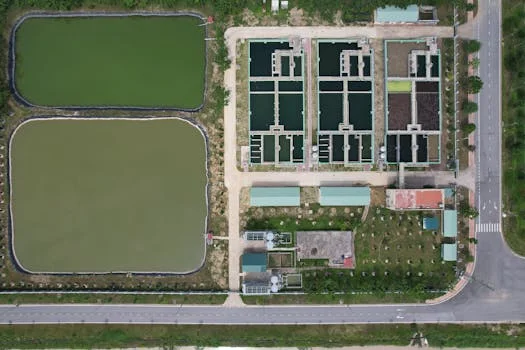
This section addresses common inquiries from engineers and procurement teams in Haryana regarding package wastewater treatment plants, covering costs, space requirements, compliance, and specific industrial challenges.
What’s the cost of a 100 KLD package STP in Haryana?
The cost of a 100 KLD package sewage treatment plant in Haryana typically ranges from ₹8 lakh to ₹20 lakh, depending on the technology chosen. An A/O system might cost around ₹8 lakh, an SBR system approximately ₹12 lakh, and an MBR system around ₹20 lakh. Operational & Maintenance (O&M) costs are generally ₹1–₹2 per KLD.
How much space does a 200 KLD underground STP need in Gurgaon?
A 200 KLD underground package sewage treatment plant typically requires a footprint of 150–200 m² in Gurgaon, which is significantly less than the 400 m² or more needed for conventional systems. This makes solutions like the WSZ series underground STPs ideal for space-constrained urban environments.
What are Haryana PCB’s penalties for non-compliant STPs?
Haryana PCB imposes severe penalties for non-compliant STPs, which can include fines ranging from ₹50,000 to ₹5 lakh per violation, in addition to potential plant shutdowns. Several industrial units in the Faridabad industrial area faced such actions in 2023 due to repeated violations of discharge norms.
Can package STPs handle high TDS from textile units in Panipat?
While package STPs, particularly MBR systems, can handle moderate levels of Total Dissolved Solids (TDS) up to 2000 mg/L effectively for biological treatment, higher TDS concentrations from textile units in Panipat often necessitate pre-treatment such as reverse osmosis (RO) to meet specific discharge or reuse standards. MBR systems are robust for organic load removal but RO is crucial for significant TDS reduction.
What’s the lead time for a 500 KLD STP in Sonipat?
The typical lead time for a 500 KLD STP in Sonipat is 8–12 weeks. This duration usually includes 4 weeks for civil works, 4 weeks for equipment fabrication and delivery, and 2 weeks for installation and commissioning. This timeline can vary based on the level of customization and supplier's current workload.
Related Equipment
- Ensure Haryana PCB compliance with PLC-controlled chemical dosing — view specifications, capacity range, and technical data
Need a customized solution? Request a free quote with your specific flow rate and pollutant parameters.