MBR Wastewater Treatment System in Pakistan: 2025 Engineering Guide with Costs, Compliance & ROI Data
An MBR (Membrane Bioreactor) wastewater treatment system in Pakistan combines activated sludge biological treatment with ultrafiltration membranes (0.1–0.4 µm pore size) to deliver near-reuse-quality effluent (TSS < 1 mg/L, BOD < 5 mg/L) in 60% less space than conventional systems. For mid-sized industries like textiles or food processing, MBR systems cost PKR 12M–95M (USD 40K–320K) depending on capacity (50–500 m³/day), with energy consumption of 0.6–1.2 kWh/m³. Compliance with Pakistan’s PEPA standards and NEQS is achievable, and water reuse can reduce operational costs by 20–40% annually.
Why Pakistani Industries Are Switching to MBR Systems in 2025
Environmental inspections by the Pakistan Environmental Protection Agency (PEPA) increased by 30% in 2024, focusing specifically on industrial effluent violations in major hubs like Lahore, Karachi, and Faisalabad. For a typical textile dyeing plant near Lahore, regulatory fines for non-compliance can exceed PKR 500,000 per month, not including the potential for forced plant shutdowns.
As groundwater levels in the Punjab region continue to deplete at an alarming rate, industrial facilities are facing a dual crisis: rising freshwater costs and stricter discharge mandates. According to the World Bank’s Pakistan Water Sector Report 2024, industries such as textiles, food processing, and chemicals can reduce their freshwater demand by 20–40% through effective wastewater reuse.
Conventional activated sludge plants (CASP) often struggle to produce effluent clean enough for internal reuse without extensive tertiary treatment. In contrast, an MBR system provides a single-step solution that replaces secondary clarifiers and sand filters, occupying 60% less footprint—a critical advantage for urban industrial zones where land prices in Karachi or Lahore have surged. The technical performance of MBR technology aligns perfectly with the need for high-quality discharge.
How MBR Systems Work: Technical Breakdown for Pakistani Engineers
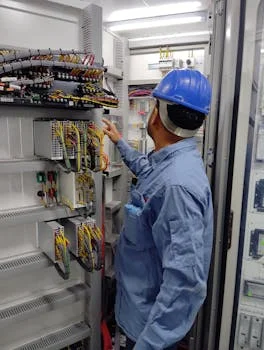
Membrane Bioreactors operate by integrating biological degradation with physical membrane separation, eliminating the need for secondary sedimentation. The process begins with robust pre-treatment, typically involving fine screening (0.5–1.0 mm) to protect the membranes from debris. The influent then enters the bioreactor, where a high concentration of Mixed Liquor Suspended Solids (MLSS), usually maintained between 8,000 and 12,000 mg/L, facilitates rapid organic breakdown.
This is significantly higher than the 2,000–4,000 mg/L found in conventional systems, allowing for smaller tank volumes. The core of the system is the membrane module, which can be submerged directly in the bioreactor or installed as a side-stream. In Pakistan, PVDF flat sheet membrane modules for MBR applications are frequently preferred due to their mechanical durability and ease of manual cleaning compared to hollow fiber alternatives.
These membranes feature pore sizes of 0.1–0.4 µm, ensuring the complete retention of biomass and pathogens. For facilities aiming for high-grade reuse, integrating chlorine dioxide disinfection for MBR effluent reuse ensures the elimination of any remaining coliforms.
| Parameter | MBR System Standard | Conventional System (CASP) |
|---|---|---|
| MLSS Concentration | 8,000 - 12,000 mg/L | 2,000 - 4,000 mg/L |
| Effluent TSS | < 1 mg/L | 15 - 30 mg/L |
| Footprint Requirement | 40% of CASP | 100% (Baseline) |
| Energy Consumption | 0.6 - 1.2 kWh/m³ | 0.3 - 0.5 kWh/m³ |
| Sludge Yield | Low (0.1-0.3 kg/kg BOD) | High (0.5-0.8 kg/kg BOD) |
MBR System Costs in Pakistan: CAPEX, OPEX, and ROI Breakdown
The capital expenditure (CAPEX) for a HydropureWater’s integrated MBR systems for industrial wastewater is primarily driven by the membrane modules and specialized aeration equipment. For a mid-sized 100 m³/day system, the total investment typically reaches approximately PKR 25 million (USD 85,000).
This cost is distributed between equipment (60%), civil works (20%), installation (10%), and commissioning (10%). While the initial investment is higher than traditional plants, the reduction in civil engineering costs due to the smaller footprint often offsets the price of the membranes. Operational expenditure (OPEX) is dominated by energy costs, which account for roughly 40% of the annual budget.
With Pakistan’s industrial electricity tariffs fluctuating between PKR 22 and 28 per kWh, energy efficiency is paramount. Aeration for both biological oxygen demand and membrane scouring (to prevent fouling) represents the largest energy draw. Membrane replacement, occurring every 5 to 8 years for high-quality PVDF modules, constitutes about 25% of the OPEX, with individual modules costing between PKR 1.2M and 2.5M depending on the surface area.
| Cost Category | Estimated Cost (100 m³/day) | Percentage of Total |
|---|---|---|
| Equipment (Membranes, Blowers, Pumps) | PKR 15,000,000 | 60% |
| Civil Works & Tankage | PKR 5,000,000 | 20% |
| Annual Energy Cost (@ PKR 25/kWh) | PKR 1,400,000 | ~40% of OPEX |
| Membrane Replacement Fund (Annual) | PKR 875,000 | ~25% of OPEX |
Compliance with Pakistani Regulations: PEPA, NEQS, and Local Standards
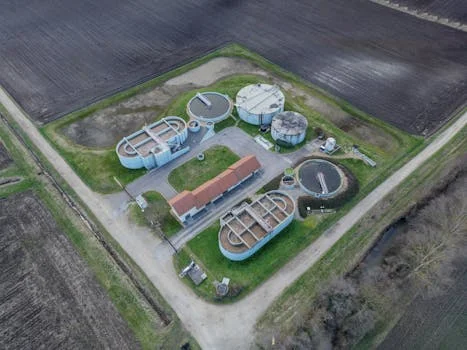
MBR technology far exceeds these requirements, typically delivering BOD < 5 mg/L and COD < 30 mg/L. This massive "compliance buffer" protects industries from fines even during periods of influent shock loading or temperature fluctuations that might cause conventional plants to fail. For facilities located in Karachi, the Karachi Water & Sewerage Board (KWSB) has implemented even stricter local mandates, requiring up to 90% BOD removal for any discharge into the municipal sewer system.
MBR systems achieve 95–98% removal efficiency, ensuring seamless approval from municipal inspectors. To maintain this compliance, automated chemical dosing for MBR compliance monitoring is essential. These systems precisely manage pH levels and coagulant addition, which are critical for meeting the NEQS 2023 standards for wastewater reuse (TDS < 1,000 mg/L and fecal coliform < 200 CFU/100mL).
| Parameter | NEQS Limit (Inland Water) | MBR Typical Performance |
|---|---|---|
| pH | 6.0 - 9.0 | 6.5 - 8.5 |
| BOD5 (mg/L) | 80 | < 5 |
| COD (mg/L) | 150 | < 30 |
| TSS (mg/L) | 150 | < 1 |
| Oil & Grease (mg/L) | 10 | < 1 |
MBR vs Conventional Systems: Which is Right for Your Facility?
Choosing between an MBR and a conventional activated sludge system depends on three primary factors: land availability, effluent quality requirements, and long-term OPEX goals.In densely populated industrial areas like SITE in Karachi or the Quaid-e-Azam Industrial Estate in Lahore, the 60% footprint reduction offered by MBR is often the deciding factor. While a conventional system requires a large secondary clarifier and tertiary sand filters to reach even basic discharge standards, an MBR achieves superior results within the bioreactor footprint itself.
From an operational standpoint, MBR systems produce significantly less sludge (0.1–0.3 kg TSS per kg BOD) because they operate at higher Solids Retention Times (SRT). This reduces the cost of sludge dewatering and disposal, which is a growing expense in Pakistan as environmental regulations regarding solid waste tighten.
| Feature | MBR System | Conventional (CASP + Filtration) |
|---|---|---|
| Water Reuse Potential | High (Direct Reuse) | Low (Requires Tertiary Treatment) |
| Operator Intervention | Low (Highly Automated) | High (Manual Sludge Management) |
| Resistance to Shocks | High (High Biomass) | Low (Washout Risk) |
| Initial CAPEX | Higher | Lower |
How to Select an MBR Supplier in Pakistan: Checklist for Procurement Teams
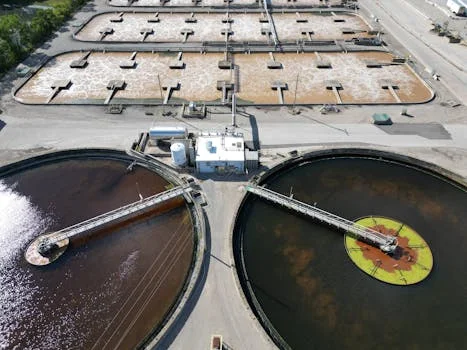
Selecting the right vendor is critical to ensuring the longevity of the membrane modules and the overall efficiency of the plant. Procurement teams should prioritize suppliers who offer a comprehensive warranty—ideally 5 years or more—on the membrane modules.
In the context of Sindh’s wastewater treatment plant cost benchmarks, it is also essential to evaluate the supplier's local presence. A vendor with a service hub in Karachi or Lahore can provide 24/7 technical support and maintain a local inventory of spare parts, reducing downtime during critical failures.
- Membrane Quality: Is the membrane material PVDF? Does it have a reinforced structure to prevent breakage?
- Automation: Does the system include automated backwashing and CIP (Clean-In-Place) functionality?
- Support: Does the vendor offer operator training and a localized maintenance contract?
- Compliance: Can the vendor provide certified lab reports from previous Pakistani installations showing NEQS compliance?
Frequently Asked Questions
What is the lifespan of an MBR membrane in Pakistan?
With proper pre-treatment and regular maintenance, high-quality PVDF membranes typically last between 5 and 8 years.
How much does an MBR system cost in Pakistan?
Budgetary costs range