Uttar Pradesh’s 2025 industrial wastewater treatment requirements demand 50% reuse of treated effluent by 2030, rising to 100% by 2035, per the state’s phased plan announced in January 2026. Factories must achieve COD < 250 mg/L, BOD < 30 mg/L, and TSS < 100 mg/L for discharge, or near-zero pathogen levels for reuse in agriculture or cooling towers. This guide provides engineering specs, cost benchmarks (₹5–₹20 lakh per m³/day capacity), and equipment selection criteria for MBR, DAF, and conventional systems to meet UPPCB compliance and reuse targets.
Uttar Pradesh’s 2025 Wastewater Treatment Mandates: What Factories Must Know
Uttar Pradesh's 2025 wastewater mandates establish stringent discharge limits and ambitious reuse targets for industrial facilities, driven by the Uttar Pradesh Pollution Control Board (UPPCB) and the state's long-term water security strategy. Factories operating in the state must adhere to specific parameters for effluent discharge to surface water bodies or public sewers, as well as increasingly demanding quality thresholds for treated wastewater intended for reuse. These regulations, particularly the UPPCB Notification 2024/12, aim to reduce environmental impact and conserve freshwater resources across the industrial sector.
For direct discharge, industries must ensure their effluent meets the following critical parameters: Chemical Oxygen Demand (COD) below 250 mg/L, Biological Oxygen Demand (BOD) below 30 mg/L, Total Suspended Solids (TSS) below 100 mg/L, and a pH range of 6.5–8.5. Beyond discharge, the state has mandated aggressive reuse targets: 50% of treated wastewater must be reused by 2030, escalating to 100% by 2035. These reuse targets come with sector-specific quality thresholds; for agriculture, fecal coliform levels must be less than 1,000 MPN/100mL, while for industrial cooling towers, a more stringent standard of less than 10 MPN/100mL is enforced.
The implementation of these mandates is phased, with Phase 1 (2025–2030) targeting areas with existing sewage treatment plants (STPs), including major industrial hubs like Noida, Ghaziabad, and Kanpur. Phase 2 (2030–2035) will expand coverage to Tier 2 cities such as Meerut and Varanasi, progressively increasing treatment and reuse infrastructure. Non-compliance carries significant penalties, including a fine of ₹1 lakh per day for the first offense and potential plant shutdown for repeat violations, as per UPPCB 2024 guidelines. Conversely, adopting treated wastewater for industrial processes offers substantial economic incentives, with case studies indicating a 30–50% reduction in freshwater costs for industries embracing reuse strategies.
| Parameter | UPPCB 2025 Discharge Standard | 2030 Reuse Target (Agriculture) | 2035 Reuse Target (Cooling Towers) |
|---|---|---|---|
| COD | < 250 mg/L | N/A (focus on pathogens) | < 50 mg/L (typical for reuse) |
| BOD | < 30 mg/L | N/A (focus on pathogens) | < 10 mg/L (typical for reuse) |
| TSS | < 100 mg/L | < 20 mg/L | < 5 mg/L |
| pH | 6.5–8.5 | 6.5–8.5 | 6.5–8.5 |
| Fecal Coliform | N/A (for discharge) | < 1,000 MPN/100mL | < 10 MPN/100mL |
Industrial Wastewater Treatment Technologies for Uttar Pradesh: A 2025 Comparison
Selecting the optimal industrial wastewater treatment technology in Uttar Pradesh requires a detailed understanding of effluent characteristics, desired output quality, and operational constraints, especially with the state's 2025 compliance and reuse mandates. Three primary technologies—Membrane Bioreactors (MBR), Dissolved Air Flotation (DAF), and Conventional Activated Sludge—offer distinct advantages for various industrial applications, from textile effluent treatment in Kanpur to food processing waste.
MBR (Membrane Bioreactor) systems are highly effective for achieving superior effluent quality, making them ideal for meeting stringent UPPCB discharge standards and the ambitious reuse targets. These systems combine biological treatment with membrane filtration, resulting in COD removal rates of 95–98%, BOD removal exceeding 99%, and TSS concentrations consistently below 1 mg/L. MBR systems excel in pathogen removal, achieving 99.99% reduction, which is crucial for meeting UP’s 2025 reuse standards for agriculture and industrial cooling towers. They are particularly suited for high-strength effluent streams found in pharmaceuticals and textiles. Typical hydraulic retention times (HRT) for MBR systems range from 6–12 hours, with sludge production rates of 0.2–0.4 kg sludge per kg BOD removed. For advanced treatment needs and reuse compliance, explore MBR systems for 99% pathogen removal and reuse compliance.
DAF (Dissolved Air Flotation) systems are predominantly used for primary or pre-treatment of industrial wastewater with high concentrations of suspended solids, oil, grease, and other low-density contaminants. DAF systems achieve TSS removal rates of 90–95% and FOG (Fats, Oil, and Grease) removal of 95–98%. With hydraulic loading rates typically ranging from 4–8 m/h, DAF units are compact and efficient for specific effluent types. They are best applied in industries such as food processing, pulp and paper, and metalworking, where effluent contains significant suspended solids and FOG that can hinder downstream biological processes. Sludge generated by DAF systems is typically denser and easier to dewater than biological sludge. For high-efficiency FOG and TSS removal, consider DAF systems for high-efficiency FOG and TSS removal.
Conventional activated sludge systems represent a foundational biological treatment method, offering a cost-effective solution for many industrial wastewaters, especially those with lower strength. These systems typically achieve COD removal of 85–90%, BOD removal of 90–95%, and reduce TSS to 20–30 mg/L (per EPA 2024 benchmarks). While they have a lower CAPEX compared to MBR or DAF, they require a significantly larger footprint due to longer hydraulic retention times, often 18–24 hours, and secondary clarifiers. Sludge production rates are generally higher, around 0.5–0.8 kg sludge per kg BOD removed. Conventional activated sludge is suitable for industries with low-strength effluent or as a pre-treatment step before more advanced polishing for discharge or reuse.
| Technology | Key Strength | COD Removal | BOD Removal | TSS Removal | Pathogen Removal | Footprint | Typical HRT |
|---|---|---|---|---|---|---|---|
| MBR | High-quality effluent, reuse-ready | 95–98% | > 99% | > 99% (<1 mg/L) | > 99.99% | Compact | 6–12 hours |
| DAF | FOG & TSS pre-treatment | N/A (primary) | N/A (primary) | 90–95% | Minimal | Compact | < 1 hour |
| Conventional Activated Sludge | Cost-effective, robust | 85–90% | 90–95% | 80–90% (20-30 mg/L) | Moderate | Large | 18–24 hours |
Technology Decision Framework for UP Industries:
- If your effluent has high FOG (e.g., food processing, dairy, meat packing): Consider a DAF system for efficient pre-treatment to protect downstream biological processes.
- If stringent discharge limits or wastewater reuse is required (e.g., pharmaceuticals, textiles, cooling tower makeup): An MBR system is typically the most reliable choice to meet ultra-low TSS, BOD, and pathogen targets.
- If budget is highly constrained and effluent strength is low to moderate, with sufficient land availability: Conventional activated sludge may be suitable, potentially followed by tertiary treatment for discharge compliance.
- If space is limited but high-quality effluent is necessary: MBR offers a compact solution compared to conventional systems.
Cost Breakdown for Industrial Wastewater Treatment Plants in Uttar Pradesh (2025)
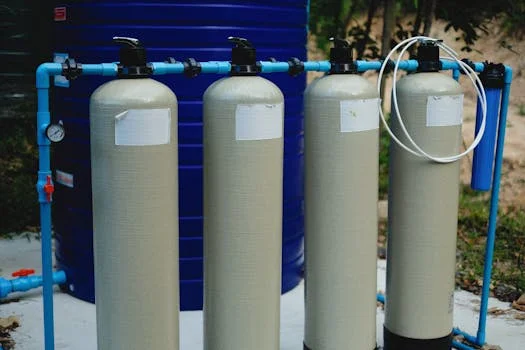
Understanding the financial implications of industrial wastewater treatment in Uttar Pradesh is crucial for effective project planning and investment justification, with 2025 cost benchmarks reflecting local market dynamics and regulatory pressures. The total cost encompasses both Capital Expenditure (CAPEX) for plant construction and equipment, and Operational Expenditure (OPEX) for ongoing maintenance and consumables. These costs vary significantly based on the chosen technology, plant capacity, influent characteristics, and desired effluent quality.
CAPEX ranges for industrial wastewater treatment plants in Uttar Pradesh are estimated as follows for 2025: Conventional activated sludge systems typically cost ₹5–₹10 lakh per cubic meter per day (m³/day) of capacity. DAF systems, often used for pre-treatment or specific effluent types, fall within ₹8–₹15 lakh per m³/day. MBR systems, offering superior effluent quality and smaller footprints, represent a higher initial investment, ranging from ₹12–₹20 lakh per m³/day (2025 market data). These figures include civil works, equipment procurement, installation, and commissioning.
OPEX is a recurring cost that can significantly impact the long-term viability of a treatment plant. Energy consumption is the largest component, accounting for 40–60% of total OPEX, primarily for aeration, pumping, and mixing. Chemical costs, including coagulants, flocculants, and disinfectants, typically represent 15–25%. Labor for operation and maintenance usually accounts for 10–20%. For MBR systems, membrane replacement (every 5–7 years) adds an additional 5–10% to the annual OPEX (per HydropureWater internal cost models). Implementing an PLC-controlled chemical dosing for UPPCB compliance can optimize chemical usage and reduce costs.
The Return on Investment (ROI) for wastewater treatment, particularly for reuse projects, is becoming increasingly attractive. MBR systems in industries like textiles and pharmaceuticals often demonstrate a 3–5 year payback period, driven by significant freshwater savings. With freshwater costs in UP ranging from ₹15–₹30/m³, and the cost of treating wastewater for reuse falling between ₹5–₹10/m³, the economic incentive is clear. the UP government offers subsidies (up to 30% of CAPEX for reuse projects), and financial institutions like SIDBI provide green loans at competitive interest rates (8–10%) to encourage sustainable practices. Cost-saving strategies include modular plant designs for phased expansion, leveraging solar power for aeration in MBR systems, and automated chemical dosing to minimize operational inefficiencies.
| Cost Category | Conventional System (₹/m³/day) | DAF System (₹/m³/day) | MBR System (₹/m³/day) |
|---|---|---|---|
| CAPEX Range | ₹5–₹10 lakh | ₹8–₹15 lakh | ₹12–₹20 lakh |
| OPEX Breakdown (Approx. %) | |||
| Energy | 40–60% | 30–50% | 40–60% |
| Chemicals | 15–25% | 20–30% | 15–25% |
| Labor | 10–20% | 10–20% | 10–20% |
| Membrane Replacement | N/A | N/A | 5–10% (annualized) |
Case Study: Textile Factory in Kanpur Achieves 2025 Compliance with MBR System
A leading textile factory in Kanpur successfully met Uttar Pradesh's stringent 2025 compliance standards and achieved significant water reuse by implementing an advanced wastewater treatment solution. This case study highlights the practical application of modern technologies in a challenging industrial environment within UP.
Problem: The textile factory in Kanpur, a hub for dyeing and printing operations, faced a UPPCB shutdown notice due to consistent exceedance of discharge limits. Influent wastewater showed high levels of COD (averaging 800 mg/L), significant color, and elevated TSS, typical challenges for textile effluent. The existing conventional treatment system was inadequate to meet the impending 2025 discharge standards and the escalating reuse mandates.
Solution: HydropureWater partnered with the factory to design and install a 50 m³/day integrated MBR system (HydropureWater WSZ series). Recognizing the high FOG and suspended solids content in textile effluent, a pre-treatment stage featuring a DAF system for high-efficiency FOG and TSS removal was incorporated. The DAF effectively removed oils, greases, and coarse suspended solids, significantly reducing the load on the downstream MBR. The MBR system for 99% pathogen removal and reuse compliance then handled biological degradation and membrane filtration, ensuring high-quality treated effluent.
Results: The integrated DAF-MBR system dramatically improved effluent quality. Post-treatment, the COD was consistently below 50 mg/L, BOD below 10 mg/L, and TSS below 1 mg/L, comfortably meeting and exceeding UPPCB 2025 discharge standards. Crucially, the high-quality treated water enabled the factory to reuse 90% of its treated effluent for non-potable applications, primarily in its dyeing processes and cooling towers, as confirmed by the factory’s 2024 compliance report. This not only ensured compliance but also provided significant operational savings.
Costs & ROI: The total Capital Expenditure (CAPEX) for the 50 m³/day plant was approximately ₹60 lakh. Annual Operational Expenditure (OPEX) was around ₹12 lakh, predominantly for energy, chemicals, and membrane cleaning. With freshwater costs at ₹25/m³ in Kanpur, the 90% reuse translated into substantial savings. The factory calculated a compelling 4-year Return on Investment (ROI) from reduced freshwater purchases alone, underscoring the economic viability of advanced treatment for reuse.
Lessons Learned: This project underscored the critical importance of effective pre-treatment for MBR longevity; the DAF system removed over 95% of FOG, preventing membrane fouling. comprehensive operator training on membrane cleaning protocols and system optimization reduced overall maintenance costs and extended membrane lifespan by 40%, demonstrating that skilled operation is as vital as advanced technology.
Vendor Selection Checklist for Uttar Pradesh Wastewater Treatment Projects
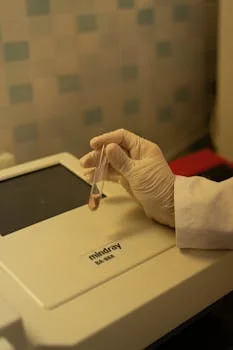
Choosing the right vendor for industrial wastewater treatment projects in Uttar Pradesh is a critical decision that impacts compliance, operational efficiency, and long-term cost-effectiveness. A thorough evaluation process, focusing on UP-specific criteria, is essential to mitigate risks and ensure project success.
- UPPCB Certification: Verify that the vendor possesses valid registration and necessary certifications from the Uttar Pradesh Pollution Control Board. This ensures they operate legally and adhere to local environmental regulations. Request proof of registration, which can often be cross-referenced via the UPPCB portal.
- Local Service Network: Assess the vendor's ability to provide prompt and reliable after-sales service and support. A strong local presence with 24/7 service availability in key industrial hubs like Kanpur, Noida, and Ghaziabad is crucial for minimizing downtime and addressing operational issues swiftly.
- Technology Expertise & Case Studies: Evaluate the vendor's technical proficiency with the specific treatment technologies relevant to your effluent type. Request case studies demonstrating successful installations for UP-specific industrial wastewater, such as textile, tannery, or food processing effluent, showcasing measurable results and compliance achievements.
- Compliance Track Record: Demand references from other factories in Uttar Pradesh that have successfully achieved 2024/2025 compliance with the vendor's installed systems. Review their compliance reports and speak directly with facility managers to gauge satisfaction and performance.
- Cost Transparency: Insist on a detailed, itemized breakdown of both Capital Expenditure (CAPEX) and Operational Expenditure (OPEX). Avoid vendors who provide vague, lump-sum quotes without clear specifications for equipment, installation, chemicals, energy, and labor. This transparency is vital for accurate budgeting and cost control.
- Warranty and Maintenance: Understand the warranty terms for equipment and critical components. A reputable vendor should offer a minimum 2-year equipment warranty and, for MBR systems, a 5-year membrane warranty, reflecting confidence in their product quality and longevity. Inquire about annual maintenance contracts (AMCs) and their scope.
Frequently Asked Questions
Addressing common questions can clarify critical aspects of wastewater compliance and implementation for factory managers and EPC firms in Uttar Pradesh.
Q: What are the immediate penalties for not meeting UPPCB 2025 discharge standards?
A: Non-compliance with UPPCB 2025 discharge standards can result in a daily penalty of ₹1 lakh for the first offense. Repeated violations may lead to more severe actions, including temporary plant shutdowns or permanent closure, significantly impacting operations and profitability.
Q: How can industries in Uttar Pradesh leverage government subsidies for wastewater treatment projects?
A: The UP government offers subsidies, typically up to 30% of the Capital Expenditure (CAPEX), specifically for projects that incorporate wastewater reuse. Industries should consult the UPPCB or Department of Environment for current schemes and application procedures, often requiring detailed project proposals and compliance plans.
Q: Which wastewater treatment technology is most cost-effective for small to medium-sized factories in UP seeking compliance and reuse?
A: For small to medium-sized factories, the optimal technology depends on effluent characteristics and reuse goals. While conventional systems have lower CAPEX, MBR systems often offer a superior ROI over 3-5 years due to high-quality effluent enabling significant freshwater savings and meeting reuse mandates more reliably. Package plants for small and medium factories in UP can also be a viable solution.
Q: What are the primary operational costs (OPEX) for an MBR system in Uttar Pradesh?
A: The primary operational costs for an MBR system in UP include energy (40-60%), chemicals for cleaning (15-25%), labor (10-20%), and periodic membrane replacement (5-10% annualized). Optimizing these can significantly reduce the overall lifecycle cost of the plant.
Further Reading
Explore these in-depth articles on related wastewater treatment topics: