Why Buried Wastewater Treatment Systems Are Used: Real-World Constraints and Solutions
A buried wastewater treatment system, such as HydropureWater’s WSZ series, offers a compelling solution for industrial and municipal facilities grappling with stringent space limitations, aesthetic requirements, or sensitive environmental conditions. Consider a textile factory in Shaoxing, Zhejiang, tasked with treating 30 m³/h of wastewater within a mere 120 m² footprint. Compounding this challenge, the site featured shallow groundwater at a depth of just 2 meters, and local regulations mandated extensive above-ground landscaping, rendering conventional above-ground treatment plants impractical. This scenario highlights the core drivers for selecting buried systems: the need to preserve surface area for operational needs or environmental integration while minimizing visual impact and noise pollution. Buried systems effectively address these by housing the entire treatment process beneath grade, allowing for landscaping, parking, or other amenities to occupy the surface. However, this footprint efficiency comes at the cost of accessibility; maintenance and inspections often require confined-space entry protocols, a factor that must be carefully considered. it is crucial to recognize that buried systems, particularly those employing a basic A/O process, may not be suitable for high-strength industrial wastewater (exceeding 500 mg/L BOD₅) without appropriate pre-treatment, as this can lead to odor generation and compliance failures.
Common site constraints that buried wastewater treatment systems are designed to overcome include:
- Limited surface area: Ideal for urbanized areas, industrial parks with tight layouts, or sites with existing infrastructure that cannot be relocated.
- Shallow groundwater: The underground installation mitigates the risk of groundwater contamination and can sometimes be designed to operate with minimal clearance above the water table.
- Aesthetic and landscaping requirements: By concealing equipment, these systems allow for seamless integration with existing landscapes or the creation of new green spaces.
- Noise restrictions: The earth cover provides natural sound insulation, making them suitable for sites near residential areas or noise-sensitive operations.
- Odor control: When properly designed and maintained, the underground containment helps to minimize the release of odors to the surrounding environment.
The primary trade-off for the significant footprint reduction offered by buried systems is the inherent difficulty in accessing components for routine maintenance and emergency repairs. This necessitates meticulous planning for maintenance access points and adherence to strict safety protocols, including confined-space entry procedures. For industrial applications, the influent wastewater characteristics are paramount. Buried systems are typically best suited for low-strength wastewater, and attempting to treat high-strength streams without adequate pre-treatment can lead to process upsets, odor issues, and non-compliance with discharge permits.
Step-by-Step Engineering Process: How a Buried Wastewater Treatment System Purifies Water
A typical buried wastewater treatment system, exemplified by the WSZ series, employs an integrated Anoxic/Oxic (A/O) biological contact oxidation process, followed by sedimentation and disinfection. This multi-stage approach is engineered to achieve robust pollutant removal within a compact, underground footprint. The process begins in the anoxic zone, where influent wastewater is mixed with internally recycled nitrified effluent. Here, facultative bacteria, utilizing dissolved oxygen from the recycled stream and nitrates present in the wastewater, perform denitrification, converting ammonia nitrogen (NH₃-N) into nitrogen gas (N₂), which is then released to the atmosphere. This zone typically operates with a Hydraulic Retention Time (HRT) of 0.5 to 1.5 hours. Following the anoxic stage, the wastewater flows into the oxic zone. This is the primary BOD₅ and COD removal stage, where aerobic microorganisms, predominantly attached to specialized biofilm carriers, metabolize organic pollutants in the presence of dissolved oxygen. The oxic zone operates with an HRT of 2 to 4 hours, and the biofilm carriers, chosen for their high specific surface area (typically 300–500 m²/m³), provide ample substrate for microbial growth. Dissolved oxygen levels in this zone are meticulously maintained at 1.5–3.0 mg/L via automated aeration systems.
Following biological treatment, the mixed liquor flows into the sedimentation tank. Here, gravity separation is employed, often utilizing inclined-plate or tube settlers to maximize solid-liquid separation efficiency. These settlers are designed with a surface loading rate of 0.5–1.0 m/h to effectively capture suspended solids, achieving 80–90% TSS removal, aligning with EPA 2024 benchmarks. A portion of the settled sludge is returned to the anoxic zone via an integrated sludge return pump, with recycle ratios typically maintained between 20–50% to ensure sufficient nitrifying bacteria are present. Excess sludge generated is either periodically removed or directed to an optional integrated dewatering unit, such as a filter press or drying bed, for further volume reduction. The clarified effluent then proceeds to the disinfection stage. Common disinfection methods include chlorine dioxide dosing (at rates of 2–5 mg/L) or ultraviolet (UV) irradiation (delivering 20–40 mJ/cm²). This final step ensures compliance with stringent microbial discharge standards, such as China GB 18918-2002 (Class 1A) and the EU Urban Waste Water Directive 91/271/EEC. The entire system is typically managed by a Programmable Logic Controller (PLC) that monitors and adjusts aeration, flow pacing, and critical parameters like pH and Dissolved Oxygen (DO) through integrated sensors, providing automated operation and alarm notifications.
| Process Stage | Key Parameters | Typical Range | Purpose |
|---|---|---|---|
| Anoxic Zone | HRT | 0.5 – 1.5 hours | Denitrification (NH₃-N to N₂) |
| Oxic Zone | HRT | 2 – 4 hours | BOD₅ & COD Removal |
| Oxic Zone | Biofilm Carrier Surface Area | 300 – 500 m²/m³ | Maximized microbial attachment |
| Oxic Zone | Dissolved Oxygen (DO) | 1.5 – 3.0 mg/L | Aerobic respiration |
| Sedimentation | Surface Loading Rate | 0.5 – 1.0 m/h | TSS Separation |
| Sludge Recycle | Recycle Ratio | 20 – 50% | Nitrifier population maintenance |
| Disinfection (Chlorine Dioxide) | Dosing Rate | 2 – 5 mg/L | Microbial inactivation |
| Disinfection (UV) | Dose | 20 – 40 mJ/cm² | Microbial inactivation |
For detailed specifications and system configurations, explore the WSZ series underground integrated sewage treatment.
Efficiency Benchmarks: What Buried Systems Achieve (and Where They Fall Short)
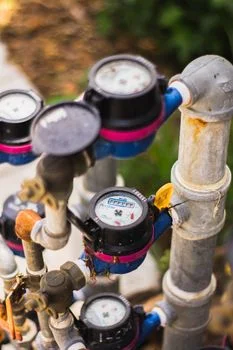
Buried wastewater treatment systems, particularly those configured with the A/O process, demonstrate significant efficiency in removing common wastewater pollutants, especially for low-strength domestic and light industrial wastewater. Under optimal conditions and with appropriate design, these systems can achieve 85-92% BOD₅ removal and 80-90% TSS reduction, aligning with EPA 2024 benchmarks for effective secondary treatment. COD removal typically ranges from 70-85%, while ammonia nitrogen (NH₃-N) removal can be in the range of 50-70%, primarily driven by the denitrification stage in the anoxic zone. For applications requiring higher nitrogen removal or stringent phosphorus limits, additional treatment steps or chemical dosing may be necessary. For instance, total phosphorus (TP) removal typically necessitates the addition of chemical coagulants such as ferric chloride (FeCl₃) or aluminum sulfate (Al₂(SO₄)₃), dosed at rates optimized for the influent characteristics to achieve precipitation and subsequent settling of phosphate compounds.
However, it is crucial to understand the limitations and potential failure modes of buried systems. A primary concern is odor generation, which can occur if anaerobic conditions develop in unintended areas or if the system is overloaded, leading to the production of hydrogen sulfide (H₂S) at concentrations exceeding odor thresholds (e.g., >10 mg/L). Another common issue is poor settling of activated sludge, often caused by the proliferation of filamentous bacteria, which can lead to a high Sludge Volume Index (SVI), exceeding 150 mL/g. This impairs solid-liquid separation in the clarifier and can result in elevated TSS in the effluent. Perhaps the most significant limitation is the system's suitability for high-strength industrial wastewater. Influent streams with BOD₅ exceeding 500 mg/L or significant concentrations of fats, oils, and grease (FOG) can quickly overwhelm the biological capacity of standard A/O systems, leading to process failure and non-compliance with discharge limits, such as those stipulated by China GB 18918-2002 standards.
Energy consumption for buried systems is generally competitive, typically ranging from 0.2–0.4 kWh/m³. Aeration in the oxic zone accounts for the largest portion of this energy demand, usually between 60–70% of the total. While this is often 30-50% lower than comparable Aerobic Treatment Units (ATUs), the reliance on continuous aeration makes reliable power supply a critical operational factor. For sites with high-strength wastewater, pre-treatment technologies like Dissolved Air Flotation (DAF) may be required to reduce the organic load before it enters the buried biological treatment unit, thereby preventing process upsets and ensuring consistent effluent quality.
| Parameter | Low-Strength Wastewater (e.g., Domestic) | High-Strength Wastewater (Pre-treated) | Removal Efficiency Range (Typical) | Compliance Target (e.g., China GB 18918-2002 Class 1A) | ||
|---|---|---|---|---|---|---|
| Influent (mg/L) | Effluent (mg/L) | Influent (mg/L) | Effluent (mg/L) | |||
| BOD₅ | 150 – 300 | < 15 – 30 | > 500 (pre-treated to < 300) | < 20 – 30 | 85 – 92% | < 20 mg/L |
| COD | 300 – 600 | < 50 – 100 | > 1000 (pre-treated to < 600) | < 60 – 100 | 70 – 85% | < 50 mg/L |
| TSS | 150 – 300 | < 20 – 40 | > 200 (pre-treated to < 150) | < 20 – 30 | 80 – 90% | < 20 mg/L |
| NH₃-N | 20 – 40 | < 5 – 15 | N/A (requires specific pre-treatment or advanced biological) | < 5 – 15 | 50 – 70% (higher with specific configurations) | < 5 mg/L (for Class 1A nitrogen removal) |
| TP | 5 – 15 | < 1 – 3 (with chemical dosing) | N/A (requires specific pre-treatment or advanced biological) | < 1 – 3 (with chemical dosing) | Varies (70-90% with chemical addition) | < 0.5 mg/L (for Class 1A phosphorus removal) |
Buried vs Alternatives: 2025 Comparison Matrix for Industrial and Municipal Projects
Selecting the optimal wastewater treatment technology hinges on a complex interplay of site constraints, effluent quality requirements, operational costs, and regulatory compliance. For space-constrained sites with landscaping needs or shallow groundwater, buried wastewater treatment systems offer a unique advantage. However, they must be evaluated against alternatives like Membrane Bioreactors (MBR), conventional Aerobic Treatment Units (ATUs), and Constructed Wetlands. The following matrix provides a 2025-centric comparison across key decision factors:
| Factor | Buried System (A/O) | MBR | ATU | Constructed Wetland |
|---|---|---|---|---|
| Footprint (m²/m³/d) | Low (e.g., 0.05 - 0.1) | Very Low (e.g., 0.02 - 0.05) | Medium (e.g., 0.1 - 0.2) | Very High (e.g., 2 - 5+) |
| CAPEX ($/m³) | Medium (e.g., $500 - $1,500) | High (e.g., $1,500 - $3,000) | Medium (e.g., $600 - $1,200) | Low (e.g., $200 - $800) |
| OPEX ($/m³) | Low-Medium (e.g., $0.15 – $0.30) | Medium-High (e.g., $0.30 – $0.60, incl. membrane replacement) | Medium (e.g., $0.25 – $0.50) | Very Low (e.g., $0.05 – $0.15, minimal energy) |
| BOD₅ Removal (%) | 85 – 92% | 95 – 99% | 80 – 95% | 70 – 90% (highly variable) |
| TSS Removal (%) | 80 – 90% | 98 – 99% | 70 – 85% | 60 – 80% (variable) |
| Energy (kWh/m³) | 0.2 – 0.4 | 0.5 – 1.0 | 0.3 – 0.7 | Negligible (gravity-driven) |
| Operator Skill Required | Medium | High | Medium | Low |
| Compliance Risk (High-Strength Industrial) | High (requires pre-treatment) | Low | Medium-High (requires pre-treatment) | Very High (unsuitable) |
Buried systems are best suited for treating low-strength wastewater (BOD₅ < 500 mg/L) where footprint is a primary concern and aesthetic integration is valued. MBR systems excel when a very high effluent quality is required, such as for water reuse applications, or when space is extremely limited. ATUs are a versatile option for varying loads but typically require more surface area than MBRs or buried systems. Constructed wetlands are cost-effective and energy-efficient but demand significant land availability and are generally not suitable for industrial wastewater due to variable performance and limited capacity for high organic loads. It is important to factor in hidden costs; buried systems require excavation and backfill, adding an estimated $50–$100/m³ to the CAPEX. Conversely, MBR systems incur significant costs for membrane replacement, often ranging from $0.05–$0.10/m³. For industrial wastewater, especially that containing significant fats, oils, and grease (FOG), pre-treatment is often essential. A DAF system can effectively remove FOG and suspended solids prior to biological treatment, ensuring the downstream buried system operates efficiently.
For a more comprehensive comparison and selection guide, refer to the WSZ series underground integrated sewage treatment product page and the broader 2025 selection guide for package sewage treatment plants.
Zero-Risk Selection Framework: How to Choose a Buried System Without Regrets
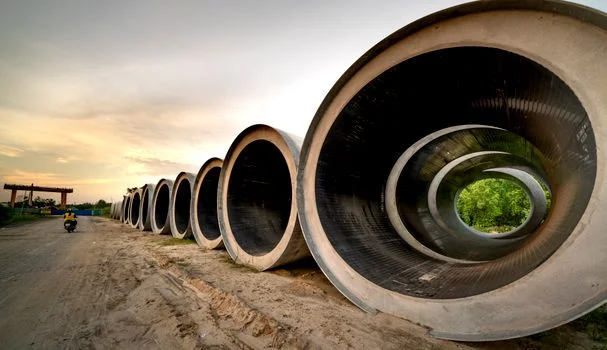
Implementing a wastewater treatment solution, especially a buried system, requires a structured approach to mitigate risks and ensure long-term performance and compliance. This framework guides you through critical decision points, helping to identify potential red flags and implement necessary safeguards. Start by meticulously assessing your influent wastewater characteristics, focusing on BOD₅, COD, TSS, and the presence of fats, oils, and grease (FOG). Buried systems are generally unsuitable for influent BOD₅ exceeding 500 mg/L or FOG levels above 200 mg/L without dedicated pre-treatment. If your wastewater falls into these categories, consider integrating technologies like a DAF system or robust screening processes before the buried unit. Next, thoroughly evaluate your site constraints. Buried systems typically require a minimum of 2 meters of clearance above the shallowest groundwater table and a surface area of at least 100 m² to accommodate a 30 m³/h capacity system and its ancillary components. Factor in the depth of excavation and the need for structural support in high water tables.
Third, scrutinize your compliance requirements. While buried systems can be designed to meet stringent standards like China GB 18918-2002 Class 1A and the EU Urban Waste Water Directive 91/271/EEC for general wastewater, they may not achieve the ultra-pure effluent needed for direct water reuse applications. For such scenarios, advanced tertiary treatment steps, such as sand filtration or UV disinfection beyond standard requirements, might be necessary. Fourth, conduct a comprehensive lifecycle cost analysis. This involves comparing the Capital Expenditure (CAPEX) of installation against the projected Operational Expenditure (OPEX) over a 10-15 year period. For flows below 50 m³/h, buried systems often present a favorable lifecycle cost due to lower energy consumption and simpler operation compared to more complex technologies. However, for higher flow rates or applications demanding reuse-quality water, MBR systems might become more economically viable despite higher initial and operational costs. Be aware of critical red flags: consistently high-strength industrial wastewater without pre-treatment, a history of frequent power outages that could disrupt aeration, or a lack of trained personnel proficient in confined-space entry procedures for maintenance. Addressing these points proactively will lead to a more robust and risk-averse selection process.
For further insights and detailed comparisons, consult the 2025 selection guide for package sewage treatment plants.
Frequently Asked Questions
What is the typical footprint reduction achieved by buried wastewater treatment systems compared to conventional plants?
Buried wastewater treatment systems can reduce the required surface footprint by 60-70% compared to conventional above-ground treatment plants of equivalent capacity, per HydropureWater's engineering benchmarks.
Can buried wastewater treatment systems handle high-strength industrial wastewater?
Standard buried systems employing A/O processes are generally suitable for low-strength wastewater (BOD₅ < 500 mg/L). For higher concentrations or industrial streams with significant FOG, pre-treatment such as DAF is essential to meet China GB 18918-2002 Class 1A compliance.
What are the primary maintenance challenges associated with buried wastewater treatment systems?
The main challenge is access for maintenance and inspections, which often requires confined-space entry protocols. This contrasts with above-ground systems where components are readily accessible, as noted in EPA 2024 operational guidelines.
How does the A/O process in buried systems contribute to nutrient removal?
The A/O process integrates an anoxic zone for denitrification, converting ammonia nitrogen to nitrogen gas, and an oxic zone for BOD₅ and COD removal. This configuration helps meet discharge limits, including those for nitrogen outlined in the EU Urban Waste Water Directive 91/271/EEC.
What is the typical energy consumption of a buried wastewater treatment system?
Energy consumption typically ranges from 0.2–0.4 kWh/m³, with aeration in the oxic zone accounting for 60-70% of the total load, offering significant energy savings compared to some other treatment technologies.
Are buried wastewater treatment systems compliant with international discharge standards?
Yes, properly designed buried systems can achieve compliance with standards such as China GB 18918-2002 Class 1A and the EU Urban Waste Water Directive 91/271/EEC, provided the influent characteristics are within the system's design parameters.
Further Reading
Explore these in-depth articles on related wastewater treatment topics: