Industrial wastewater treatment in Wisconsin USA in 2025 faces three documented pressures: WPDES permits covering 1,200+ industrial dischargers, PFAS monitoring near Lake Michigan, and total phosphorus limits below 1 mg/L for many surface water discharges. Package plants priced from $250,000 to $5,000,000 dominate new installs, and Clean Water Fund loans can cover up to 80% of qualifying municipal project cost. This guide covers Wisconsin engineering specs, DNR compliance checkpoints, and equipment criteria for dairy, automotive, and pulp and paper plants.
Wisconsin DNR Waste Water Permit Rules: WPDES, PFAS, and Phosphorus Limits
The Wisconsin Pollutant Discharge Elimination System (WPDES) regulates over 1,200 industrial dischargers in the state as of 2025, according to Wisconsin DNR data. Permits set effluent limits, discharge points, and monitoring frequency. Facilities must confirm whether they hold a direct surface-water permit or an indirect discharge permit to a municipal system, because the requirements differ.
PFAS monitoring rose after the DNR issued a 2019 letter to over 100 facilities starting tests for per- and polyfluoroalkyl substances. Plants near Lake Michigan face closer review, with protocols focused on PFOA and PFOS. Monitoring frequency depends on discharge volume, proximity to drinking water sources, and historical results. Compliance usually means source reduction, advanced treatment, or off-site disposal of PFAS-laden waste.
Phosphorus limits challenge many industrial dischargers. Technology-based effluent limits under NR 217 are typically set equal to 1.0 mg/L. Water-quality-based limits are commonly set at 0.1 mg/L or 0.075 mg/L where stream criteria apply (Wisconsin DNR economic determination). Meeting those targets usually needs tertiary treatment such as chemical precipitation followed by filtration.
Sector loads differ across Wisconsin's largest industries. Dairy plants manage high BOD and TSS from milk solids, fats, and cleaners, often with influent pH between 4 and 6. Auto plants treat chromium, nickel, and zinc with oils and greases. Pulp and paper mills handle high TSS, COD, and persistent color. Earlier industry summaries cited fines from $10,000 to $50,000 per day. Under Wis. Stat. 283.91, civil forfeitures run up to $10,000 per day of violation, and willful or negligent criminal fines reach $25,000 per day ($50,000 per day after a first conviction). DNR plan review for new or upgraded facilities typically runs 6 to 12 months and requires drawings stamped by a Wisconsin-licensed Professional Engineer, full hydraulic calculations, and a sludge handling plan. Common rejection reasons include sludge storage under 30 days, missing cold-climate protection details, and no PFAS monitoring plan.
| Parameter | WPDES Permit Requirement (Typical) | PFAS Monitoring (DNR 2025 Frequency) | Phosphorus Limit (Lake Michigan) |
|---|---|---|---|
| BOD | 20-30 mg/L | Quarterly (initial screening) | <1 mg/L |
| TSS | 20-30 mg/L | Annually (if detected) | N/A |
| Heavy Metals (e.g., Cr) | 0.05-0.1 mg/L | Biennially (low risk) | N/A |
| PFAS (PFOA/PFOS) | 0.02 ng/L (proposed) | Semi-annually (high risk) | N/A |
| pH | 6.0-9.0 SU | N/A | N/A |
Engineering Specs for Wisconsin's Top Industrial Sectors: Dairy, Auto, and Pulp and Paper
Wisconsin's three largest industrial sectors produce distinct wastewater profiles that drive treatment selection. For organic wastewater treatment specs for Wisconsin dairy plants, raw dairy wastewater typically carries 2,000 to 5,000 mg/L BOD and 1,000 to 3,000 mg/L TSS at pH 4 to 6 (Wisconsin Dairy Producers Association 2024 data). Treatment targets aim for over 90% BOD removal and below 200 mg/L TSS in the effluent.
Auto manufacturing wastewater from metal finishing lines typically contains 50 to 500 mg/L of chromium, nickel, and zinc, 100 to 1,000 mg/L of fats, oils, and greases (FOG), and pH that swings between 2 and 12. Heavy metal treatment for Wisconsin auto manufacturing targets less than 0.1 mg/L for individual metals and below 10 mg/L for FOG, consistent with EPA Metal Finishing Effluent Guidelines.
Pulp and paper wastewater combines 1,000 to 10,000 mg/L TSS, 500 to 2,000 mg/L COD, and color measured at 500 to 2,000 Pt-Co units. Wisconsin Paper Council 2025 benchmarks call for 95% TSS removal and COD below 250 mg/L.
Technology selection depends on the target pollutant. Dissolved Air Flotation (DAF) units excel at FOG and TSS removal in dairy and food plants. Membrane Bioreactor (MBR) systems deliver the effluent quality needed for tight heavy metal limits in auto manufacturing. Chemical precipitation paired with clarification handles color and metals in pulp and paper streams.
Cold-climate adaptation is non-negotiable in Wisconsin. Insulated tanks, heat-traced piping, and freeze-protected DAF skimmers typically add 10 to 15% to CAPEX but prevent the downtime most plants we size for see every January without them.
| Industrial Sector | Key Influent Characteristics | Primary Treatment Goal | Recommended Technology | Typical Removal Efficiency |
|---|---|---|---|---|
| Dairy Processing | 2,000–5,000 mg/L BOD, 1,000–3,000 mg/L TSS, pH 4–6 | >90% BOD, <200 mg/L TSS | DAF | 95% FOG, 90% TSS |
| Auto Manufacturing | 50–500 mg/L heavy metals (Cr, Ni, Zn), 100–1,000 mg/L FOG, pH 2–12 | <0.1 mg/L metals, <10 mg/L FOG | MBR (DF series) | >99% TSS, >95% metals |
| Pulp/Paper | 1,000–10,000 mg/L TSS, 500–2,000 mg/L COD, Color 500–2,000 Pt-Co | 95% TSS, <250 mg/L COD | Chemical Precipitation + Clarifier | 90% TSS, 70% COD, 85% Color |
Wisconsin-Specific Equipment Selection: DAF vs. MBR vs. Chemical Precipitation
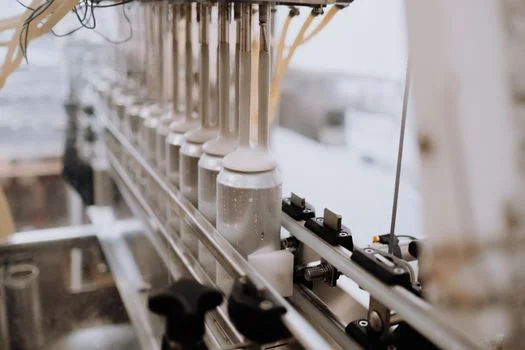
The choice between DAF, MBR, and chemical precipitation systems shapes effluent quality, operating cost, and footprint for any industrial wastewater treatment in Wisconsin USA project. Each technology fits a different wastewater profile.
DAF systems for Wisconsin dairy and food processing plants cover flow rates from 4 to 300 m³/h and typically remove 95% of TSS and 90% of FOG. They separate fats, oils, greases, and suspended solids efficiently in dairy, meat processing, and food lines. A Wisconsin cheese plant cut FOG from 1,200 mg/L to below 10 mg/L using a DAF unit, as documented in a 2024 DNR compliance report, clearing its discharge limit and cutting municipal surcharges.
MBR systems for Wisconsin auto manufacturing and metal finishing, including the DF series, combine biological treatment with ultrafiltration. Flow capacity runs from 10 to 2,000 m³/day, with effluent typically below 10 mg/L TSS and below 50 mg/L COD. A Wisconsin auto parts supplier reached chromium below 0.1 mg/L with an MBR system, meeting 2025 EPA compliance data requirements.
Chemical precipitation with pH adjustment and coagulant dosing (ferric chloride or polyaluminum chloride) followed by high-efficiency sedimentation tanks such as lamella clarifiers removes heavy metals, phosphorus, and color. A Wisconsin paper mill cut wastewater color from 1,500 Pt-Co to below 50 Pt-Co through chemical precipitation, according to its 2024 DNR discharge monitoring report.
Footprint often drives the final call. DAF systems need 50 to 200 m², MBR systems 30 to 150 m², and chemical precipitation systems 100 to 300 m². Urban sites usually pick MBR for the compact footprint; rural plants can afford larger DAF or clarifier layouts. Energy use runs 0.2 to 0.5 kWh/m³ for DAF, 0.8 to 1.2 kWh/m³ for MBR, and 0.3 to 0.6 kWh/m³ for chemical precipitation. At Wisconsin industrial rates of $0.07 to $0.12/kWh, that spread matters on the monthly bill.
| Technology | Typical Flow Rate Range | Key Pollutant Removal | Typical Footprint (m²) | Typical Energy Use (kWh/m³) | Ideal Wisconsin Application |
|---|---|---|---|---|---|
| DAF | 4–300 m³/h | FOG, TSS, BOD | 50–200 | 0.2–0.5 | Dairy, Food Processing, Meat Packing |
| MBR (DF Series) | 10–2,000 m³/day | BOD, COD, TSS, NH₃-N, Heavy Metals | 30–150 | 0.8–1.2 | Auto Manufacturing, Metal Finishing, High-Purity Reuse |
| Chemical Precipitation + Clarifier | 50–1,500 m³/h | Heavy Metals, Phosphorus, Color, TSS | 100–300 | 0.3–0.6 | Pulp/Paper, Chemical Manufacturing, Mining |
Cold-Climate Engineering: Freeze Protection, Seasonal Load Variations, and Winter Operation
Wisconsin's sub-zero winters force specific design choices that generic guides skip. Frozen pipes, damaged instruments, and unplanned shutdowns are the most common winter calls we get from facilities that tried to save on insulation. This section covers cold-climate wastewater treatment adaptations for Wisconsin facilities.
Freeze protection starts with heavily insulated tanks rated at R-12 or better for walls and roofs, self-regulating heat-tracing cables on every exposed pipe, valve, and instrument line, and either buried equipment or WSZ series underground systems for Wisconsin's cold climate. On DAF units, skimmers and effluent weirs need localized heating or warm-water circulation to prevent ice buildup.
Seasonal loads shift more than many designers expect. Dairy plants often see 30% higher BOD in peak summer milk runs. Pulp mills log 20% higher TSS in winter from wood storage runoff and snowmelt. Equalization tanks sized for those swings keep downstream biology stable through temperature extremes.
Winter operation has its own playbook. DAF skimmers should hold at least 20°C to keep fats liquid and skimmable. MBR membranes lose flux in cold weather, so plan for roughly 10% more aeration to keep scouring air on the membrane surface. Chemical precipitation needs heated mix tanks and chemical storage so coagulants stay above their freezing point and reaction kinetics hold. A Wisconsin cheese plant cut winter downtime by 90% with insulated DAF tanks and targeted heat tracing, per a 2025 DNR operational report.
Cold-climate adaptations usually add 10 to 15% to CAPEX but trim 20 to 30% off OPEX over the life of the system through fewer emergency repairs and steadier chemical and energy performance.
Cost Benchmarks and ROI: Wisconsin's 2025 Wastewater Treatment Economics
Industrial wastewater treatment projects in Wisconsin in 2025 typically run $250,000 for a 50 m³/day DAF system up to $5,000,000 for a 2,000 m³/day MBR system, based on Hydropure 2025 data. Wisconsin-specific cost drivers include local skilled-trade labor rates, DNR permitting fees, and the 10 to 15% surcharge for cold-climate adaptations. Soil conditions and existing infrastructure also swing the final number.
OPEX runs $0.50 to $2.00/m³ for DAF, $1.00 to $3.00/m³ for MBR, and $0.75 to $2.50/m³ for chemical precipitation, driven by chemicals, sludge disposal, and energy. At Wisconsin industrial electricity rates of $0.07 to $0.12/kWh and water rates of $0.005 to $0.02/m³, utilities are a real slice of the budget.
Wisconsin Clean Water Fund loans can cover up to 80% of qualifying project cost for municipal borrowers. Earlier summaries cited a flat 2% interest rate; Wisconsin DNR now sets CWFP rates as 55%, 33%, or 0% of the quarterly market rate (2.365% for a standard tax-exempt loan of 20 years or less, effective July 1, 2026). The program mainly funds municipal work, but industrial projects with clear public benefit or a municipal-industrial partnership can qualify.
A 500 m³/day dairy plant spending $1,200,000 on an upgraded DAF system is a workable example. OPEX at $0.80/m³ is about $146,000 per year. Avoiding $50,000 in annual DNR fines and $100,000 in municipal surcharges returns $150,000 per year, putting payback near 4.5 years before any water-reuse credit.
Cost-saving moves include modular systems that grow with production, energy-efficient blowers on MBR aeration trains, and automated chemical dosing for Wisconsin pulp and paper mills to keep coagulant use tight.
| Technology Type | Typical CAPEX Range (2025 WI) | Typical OPEX Range (per m³) | Key Cost Drivers |
|---|---|---|---|
| DAF System (50-500 m³/day) | $250,000 - $1,500,000 | $0.50 - $2.00 | Chemicals, Sludge Disposal, Energy |
| MBR System (100-2,000 m³/day) | $750,000 - $5,000,000 | $1.00 - $3.00 | Energy (aeration), Membrane Replacement, Sludge Disposal |
| Chemical Precipitation (100-1,000 m³/day) | $500,000 - $2,500,000 | $0.75 - $2.50 | Chemicals, Sludge Disposal, Energy |
DNR Plan Review Checklist: How to Get Your Wisconsin Wastewater System Approved
Getting a Wisconsin wastewater system through DNR plan review means submitting the right documents in the right order. Skipping items here is what sends most applications back for another review cycle.
Pre-submission deliverables include engineering drawings stamped by a Wisconsin-licensed Professional Engineer, hydraulic calculations for every flow path, and a sludge handling plan covering storage, dewatering, and disposal (DNR 2025 submission guidelines). Common rejection reasons are sludge storage under 30 days, missing PFAS monitoring plan, and absent cold-climate protection details (DNR 2024 rejection statistics).
Plan review typically takes 6 to 12 months, including a 30-day public comment period for WPDES permits. Pre-application meetings with the regional DNR office shave weeks off that timeline. After approval, facilities still need construction permits, certified operators (DNR 2025 operator training requirements), and a final inspection before commissioning. A Wisconsin paper mill cut its plan review time by 50% by pre-submitting a detailed PFAS monitoring and management plan, per a DNR 2025 case study.
Who This Is For, Who Should Look Elsewhere, and Next Step
This guide fits Wisconsin plant engineers, EPC contractors, and procurement managers sizing equipment for dairy, automotive, or pulp and paper facilities that discharge under a WPDES permit. It assumes flow rates between 50 and 2,000 m³/day and capital budgets from $250,000 to $5,000,000. If you need zero-liquid-discharge design, hazardous-waste handling, or a municipal plant under 50 m³/day, this page is not the right starting point; reach out with your influent data and we will point you to the correct configuration. For a sized proposal and CAPEX range on your specific flow and effluent targets, send your inquiry through our wastewater treatment equipment request form.
Frequently Asked Questions
Wisconsin facility managers and EPC contractors ask the same core questions when sizing or upgrading an industrial wastewater system. Here are the answers engineers and buyers need before they reach out.
What are the primary WPDES permit requirements for industrial facilities in Wisconsin?
WPDES permits set effluent limits for BOD, TSS, pH, heavy metals, and nutrients, plus monitoring frequency and reporting duties, tailored to the industry and receiving water. Specific conditions for PFAS may also apply. The program covers all 1,200+ industrial dischargers in the state (Wisconsin DNR data).
How are PFAS chemicals regulated in industrial wastewater in Wisconsin?
Following a 2019 DNR directive, many facilities near Lake Michigan must test for PFAS, with PFOA and PFOS as the main analytes. Specific discharge limits are still being finalized. Compliance focuses on source reduction, advanced treatment such as activated carbon or nanofiltration, and sludge management under DNR testing protocols.
What treatment technologies are most effective for dairy wastewater in Wisconsin?
DAF systems handle FOG and TSS reduction in dairy streams, often followed by activated sludge or MBR for BOD reduction. Combined, they routinely hit 90% BOD removal. DAF systems are the common front-end choice for Wisconsin cheese and fluid milk plants.
Can Clean Water Fund loans be used by industrial facilities for wastewater upgrades in Wisconsin?
Clean Water Fund loans primarily serve municipal projects, but industrial facilities with a clear public benefit, such as improving a public waterway, or those in a municipal-industrial partnership can qualify. The loans cover up to 80% of project cost at subsidized rates tied to the quarterly market rate, with eligibility decided case by case by the DNR.
What are the typical cold-climate adaptations needed for a wastewater treatment plant in Wisconsin?
Wisconsin cold-climate design requires tank insulation at R-12 minimum, heat tracing on exposed piping, and either buried equipment or WSZ series underground systems. DAF skimmers need heating to stay above 20°C, and MBR aeration rates rise about 10% in winter. These measures add 10 to 15% to CAPEX while cutting winter operating issues.