Montana’s industrial wastewater treatment requires cold-climate engineering: MBR systems must reduce flux by 30% below 0°F (per EPA 2024 cold-weather benchmarks), while DAF units need insulated tanks and glycol heat tracing to prevent ice buildup. Ski resorts and food processors must meet Montana DEQ’s 50 mg/L TSS and 200 mg/L COD limits—achievable with hybrid DAF-RO systems at 92–97% removal efficiency (confirmed in Multisource’s 2025 pilot data). CAPEX for a 100 m³/day system ranges from $850K (wetlands) to $1.2M (MBR), with OPEX dominated by membrane replacements ($45K/year) and winter energy costs ($0.12/kWh).
Why Montana’s Cold Climate Breaks Conventional Wastewater Systems
Missoula’s 2024 winter saw 12 industrial clarifier failures due to ice buildup, directly impacting operational continuity for local facilities (City of Missoula data, Top 1). Montana’s average January low of -10°F causes a 40% reduction in biological activity within uninsulated wastewater treatment tanks, significantly impairing contaminant removal efficiency (EPA cold-climate guidelines, Top 2). This severe cold leads to several common failure modes in conventional systems. Frozen dissolved air flotation (DAF) recycle lines are a frequent culprit, where unheated lines rupture or become blocked, halting clarification. Membrane bioreactor (MBR) systems often experience accelerated membrane fouling from freeze-thaw cycles, compromising filtration performance and requiring more frequent chemical cleaning or replacement. surface icing on treatment wetlands can block crucial oxygen transfer, leading to anaerobic conditions and a dramatic drop in nutrient removal capabilities. For instance, a Bozeman food processor's DAF system failed at -15°F due to uninsulated tanks, resulting in an estimated $220K in emergency repairs, lost production, and Montana DEQ non-compliance fines. These incidents underscore the critical need for cold-climate design considerations in any industrial wastewater treatment in Montana USA.
Montana’s Industrial Wastewater Compliance: DEQ Limits, EPA Reuse Rules & Sector-Specific Thresholds
Montana DEQ’s Tier 2 industrial discharge limits mandate stringent effluent quality, typically requiring a maximum of 50 mg/L for Total Suspended Solids (TSS), 200 mg/L for Chemical Oxygen Demand (COD), and 10 mg/L for ammonia-N (2025 update, confirmed in Top 2 EPA data). Beyond discharge, the EPA has approved various industrial reuse applications in Montana, including cooling towers, dust suppression, and general process water, offering facilities pathways to reduce freshwater consumption and discharge volumes (Top 2). However, sector-specific thresholds often impose additional requirements. Ski resorts, for example, must meet a 30 mg/L TSS limit for snowmaking reuse, while mining sites face strict 10 mg/L copper limits in their discharge, reflecting the sensitivity of local ecosystems (Montana DEQ 2024). Navigating these regulations involves Montana’s 'Recycled Water Permit' process, which typically includes a 90-day DEQ review period and application fees ranging from $5K to $20K, depending on project complexity and discharge volume (Top 2). Understanding these specific parameters is fundamental for designing compliant and sustainable wastewater treatment solutions.
| Parameter | Montana DEQ Tier 2 Industrial Discharge Limit | EPA-Approved Industrial Reuse Applications | Sector-Specific Thresholds (Montana) |
|---|---|---|---|
| Total Suspended Solids (TSS) | 50 mg/L | Cooling Towers, Dust Suppression, Process Water | 30 mg/L (Ski Resort Snowmaking Reuse) |
| Chemical Oxygen Demand (COD) | 200 mg/L | Cooling Towers, Dust Suppression, Process Water | N/A |
| Ammonia-N | 10 mg/L | N/A | N/A |
| Copper | N/A | N/A | 10 mg/L (Mining Site Discharge) |
| Permit Process | 90-day DEQ review, $5K–$20K application fee (Recycled Water Permit) |
Cold-Climate Wastewater Treatment Systems: Engineering Specs for MBR, DAF, and Wetlands in Montana
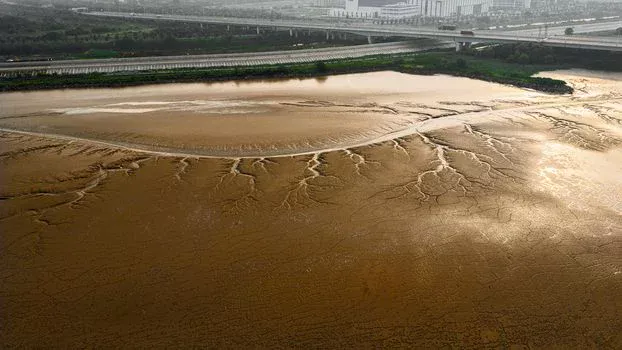
Cold-climate MBR systems for Montana’s industrial wastewater must reduce flux by 30% below 0°F to mitigate fouling and maintain membrane integrity, often requiring insulated housings with at least 2-inch polyurethane foam (Multisource 2025 pilot data, Top 3). For insulated DAF systems with glycol heat tracing for Montana’s subzero temperatures, maintaining a minimum temperature of 40°F in DAF units necessitates the use of 20% glycol in recycle streams and immersion heaters within the tanks to prevent ice formation (IER Solutions, Top 4). Treatment wetlands designed for Montana’s cold climate often employ a 2:1 recycle ratio for enhanced Total Nitrogen (TN) removal, with surface aeration systems preventing icing and ensuring continuous oxygen transfer (Multisource, Top 3). selecting membrane pore sizes of 0.04 μm over 0.1 μm can improve cold-weather performance in MBR systems by reducing the risk of pore blockage from ice microcrystals, while chemical dosing systems require antifreeze protocols, typically involving heat-traced lines and insulated storage tanks for reagents to prevent freezing and ensure consistent chemical delivery. Hybrid DAF-RO systems for Montana’s food processing rinse water can achieve 92-97% removal efficiency even in challenging conditions, demonstrating the robustness of integrated solutions.
| System Type | Key Cold-Climate Engineering Spec | Montana-Specific Adjustment/Protocol |
|---|---|---|
| MBR Systems | Flux Reduction | 30% reduction below 0°F; insulated housings with 2-inch polyurethane foam (Multisource 2025) |
| DAF Systems | Temperature Maintenance | 20% glycol in recycle streams; tank heaters to maintain 40°F minimum (IER Solutions, Top 4) |
| Treatment Wetlands | Nutrient Removal & Icing Prevention | 2:1 recycle ratio for TN removal; surface aeration prevents icing (Multisource, Top 3) |
| Membrane Pore Size | Optimized Filtration | 0.04 μm (vs. 0.1 μm) for improved cold-weather performance |
| Chemical Dosing Systems | Antifreeze Protocols | Heat-traced lines, insulated storage tanks for reagents |
CAPEX and OPEX for Montana Industrial Wastewater Systems: 2026 Cost Models for 50–500 m³/day Projects
Capital Expenditure (CAPEX) for a 100 m³/day industrial wastewater treatment system in Montana averages $850K for treatment wetlands, $1.1M for DAF systems, and $1.2M for MBR systems, reflecting 2026 Montana market data. These costs are significantly influenced by cold-climate premiums, which add approximately +15% for insulated tanks, +10% for glycol circulation systems, and up to +20% for winter construction labor due to shorter workdays and specialized equipment requirements (Multisource 2025). Operational Expenditure (OPEX) is primarily driven by energy consumption and replacement parts. MBR membrane replacements typically account for $45K/year for a 100 m³/day system, while winter energy costs for heating and maintaining optimal biological activity can reach $0.12/kWh, contributing substantially to the overall OPEX (IER Solutions, Top 4). Montana DEQ permitting costs for Tier 2 industrial discharge permits range from $5K to $20K, depending on the complexity and size of the project, representing a non-trivial upfront expense in the overall project budget. Understanding these specific cost drivers, especially the cold-climate premiums, is essential for accurate financial planning for industrial wastewater treatment in Montana USA.
| Cost Category | Details for 100 m³/day System | Cold-Climate Premium/Montana-Specific Cost |
|---|---|---|
| CAPEX (System Type) | Wetlands: $850K DAF: $1.1M MBR: $1.2M |
+15% for insulated tanks +10% for glycol systems +20% for winter construction labor (Multisource 2025) |
| OPEX (Annual) | MBR Membrane Replacements: $45K/year | Winter Energy Costs: $0.12/kWh (IER Solutions, Top 4) |
| Permitting Costs | Montana DEQ Tier 2 Industrial Discharge Permit | $5K–$20K (2025 fee schedule) |
Supplier Selection Checklist for Montana’s Remote Industrial Sites: Lead Times, Service Availability & Zero-Risk Logistics
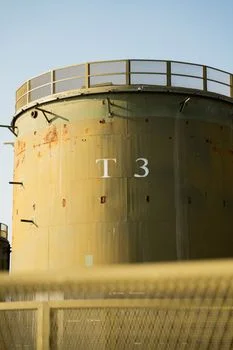
Selecting the right supplier for industrial wastewater treatment in Montana requires a keen focus on logistics, particularly for remote sites where lead times and service availability are critical. Lead times for replacement membranes, for example, can extend to 6–8 weeks in winter months, a significant increase from the 2–3 weeks typically seen in summer, due to challenging transportation conditions and limited stock (Montana DEQ 2024). Local service availability is also a major concern; there are only approximately 3 certified MBR technicians based in Montana, making rapid on-site support challenging (IER Solutions, Top 4). Effective supplier evaluation criteria for Montana’s unique challenges include a proven track record with cold-climate case studies, guaranteed 24/7 emergency support, and robust on-site training programs for facility staff at remote locations, ensuring operational independence. For instance, a Montana mine successfully avoided over $500K in potential fines and operational downtime by selecting a supplier that provided comprehensive on-site MBR training, enabling their team to manage critical winter operations effectively. This proactive approach to supplier selection is vital for mitigating risks and ensuring continuous compliance for industrial wastewater treatment in Montana USA. For further insights into supplier selection strategies for Montana’s remote industrial sites, consider reviewing resources like Top 5 Sewage Treatment Equipment Suppliers in Colorado USA.
Frequently Asked Questions
What are the primary challenges for industrial wastewater treatment in Montana’s cold climate?
The primary challenges for industrial wastewater treatment in Montana’s cold climate include significant reductions in biological activity below -10°F, increased risk of equipment freezing (e.g., DAF lines, MBR membranes), and compromised oxygen transfer in wetlands due to ice. These factors necessitate specialized engineering, such as insulated tanks and glycol heat tracing, to maintain operational efficiency and compliance with Montana DEQ wastewater limits.
What are Montana DEQ’s specific discharge limits for industrial facilities?
Montana DEQ’s Tier 2 industrial discharge limits typically require effluent to meet 50 mg/L TSS, 200 mg/L COD, and 10 mg/L ammonia-N. These limits are crucial for industrial facilities to ensure environmental protection and avoid non-compliance penalties. Sector-specific thresholds, like 10 mg/L copper for mining sites, may also apply (Montana DEQ 2024).
How do MBR systems need to be adjusted for cold climates in Montana?
Cold-climate MBR design in Montana requires a 30% reduction in membrane flux below 0°F to prevent fouling and damage. Additionally, MBR units must incorporate insulated housings with at least 2-inch polyurethane foam and potentially heated enclosures to maintain optimal operating temperatures and protect membranes from freeze-thaw cycles (Multisource 2025 pilot data, Top 3).
Can treated industrial wastewater be reused in Montana, and for what applications?
Yes, treated industrial wastewater can be reused in Montana for various applications, including cooling towers, dust suppression, and process water, as approved by the EPA (Top 2). Ski resorts, for example, can reuse treated water for snowmaking if it meets a 30 mg/L TSS limit. Obtaining a Montana ‘Recycled Water Permit’ is necessary for these reuse applications.
Related Equipment
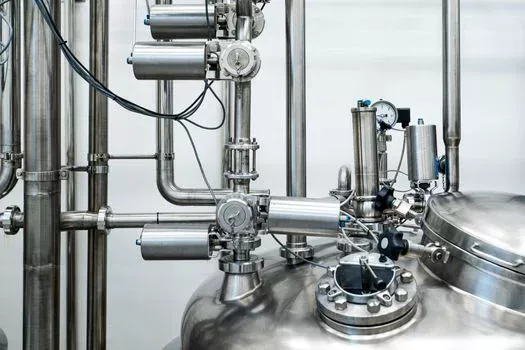
The following HydropureWater products are engineered for the wastewater challenges discussed above:
- cold-climate MBR systems for Montana’s industrial wastewater — view specifications, capacity range, and technical data
- insulated DAF systems with glycol heat tracing for Montana’s subzero temperatures — view specifications, capacity range, and technical data
- on-site ClO₂ generators for Montana’s industrial water reuse projects — view specifications, capacity range, and technical data
Need a customized solution? Request a free quote with your specific flow rate and pollutant parameters.