Arkansas Industrial Wastewater Regulations: ADEQ Limits, Pretreatment Programs & Enforcement Risks
Arkansas industrial facilities are governed by the Arkansas Department of Energy and Environment’s Division of Environmental Quality (ADEQ), which enforces water quality standards under Rule 2, requiring many industries to maintain BOD and TSS levels below 30 mg/L for direct discharge. These standards are increasingly scrutinized as Arkansas updates its 2024 Water Quality Standards to align with stricter EPA federal mandates. For facilities discharging into municipal systems, the regulatory landscape shifts to local pretreatment programs. For instance, the Fayetteville Industrial Pretreatment Program, managed by Inframark, mandates that significant industrial users (SIUs) perform rigorous self-monitoring and pay annual administrative fees ranging from $5,000 to $20,000, depending on flow volume and pollutant complexity.
Municipalities like Little Rock and Fort Smith structure their ordinances based on EPA’s General Pretreatment Regulations (40 CFR Part 403), which empower local authorities to set local limits that are often more restrictive than state-wide categorical standards to protect municipal sludge quality. Failure to comply with these limits results in heavy financial penalties. ADEQ’s penalty structure allows for fines between $10,000 and $25,000 per day per violation. A 2023 enforcement action against a poultry processing facility in Springdale highlighted these risks, where repeated FOG (fats, oils, and grease) exceedances led to six-figure settlement costs and mandatory equipment upgrades. Choosing between a direct discharge permit (NPDES) and a municipal connection requires a strategic evaluation of long-term compliance costs and permitting timelines, which typically span 6 to 12 months for new industrial permits in Arkansas.
| Industry Category | Pollutant Parameter | ADEQ/EPA Limit (Daily Max) | Regulatory Reference |
|---|---|---|---|
| Poultry Processing | BOD5 / TSS | 30 mg/L / 30 mg/L | ADEQ Rule 2 / 40 CFR 432 |
| Metal Finishing | Hexavalent Chromium | 0.1 mg/L | 40 CFR Part 433 |
| Metal Finishing | Total Suspended Solids (TSS) | 10 mg/L | Arkansas General Permit ARG790000 |
| Chemical Manufacturing | Ammonia (as N) | 10 mg/L (Seasonal) | ADEQ Rule 2 Quality Standards |
| Food & Beverage | Fats, Oils, & Grease (FOG) | 100 mg/L (Typical Municipal) | Inframark Fayetteville Pretreatment |
Industrial Wastewater Characteristics in Arkansas: Pollutant Profiles by Industry
Arkansas’s industrial sector is dominated by poultry processing, which generates approximately 1.2 billion birds annually and produces high-strength wastewater characterized by FOG concentrations between 500 and 2,000 mg/L. This wastewater profile presents unique challenges for standard biological systems, as high grease loads can coat microbial flocs and inhibit oxygen transfer. Beyond the poultry corridor in Northwest Arkansas, the state’s metal finishing and chemical manufacturing sectors in the central and southern regions face stringent limits on heavy metals and volatile organic compounds (VOCs). Heavy metal wastewater treatment for Arkansas metal finishing plants must account for nickel limits of 2.0 mg/L and cyanide levels below 1.0 mg/L to remain compliant with 40 CFR Part 433.
Chemical manufacturing facilities in Arkansas are also preparing for emerging ADEQ regulations regarding PFAS (per- and polyfluoroalkyl substances), with monitoring requirements expected to tighten by 2026. In the food and beverage sector, specifically dairy and meat packing, Chemical Oxygen Demand (COD) can peak at 5,000 mg/L, requiring robust pretreatment to avoid massive municipal surcharges. Understanding these influent characteristics is the first step in engineering a system that prevents "slug loads" from upsetting downstream processes or violating permit limits.
| Industry Type | Avg. BOD (mg/L) | Avg. TSS (mg/L) | Key Contaminants | Arkansas Regional Concentration |
|---|---|---|---|---|
| Poultry Processing | 1,000–3,000 | 800–2,500 | FOG, Phosphorus, Nitrogen | Northwest (Springdale, Rogers) |
| Metal Finishing | < 200 | 500–1,500 | Cr, Ni, Zn, Cyanide, Low/High pH | Central (Little Rock, Conway) |
| Chemical Mfg | 500–5,000 | 200–1,000 | VOCs, Phenols, Ammonia, PFAS | South (El Dorado, Magnolia) |
| Food & Beverage | 2,000–5,000 | 1,000–4,000 | Sugar, Starch, High Temp, pH swings | Statewide |
Treatment Technology Comparison: DAF vs. MBR vs. Chemical Precipitation for Arkansas Industries
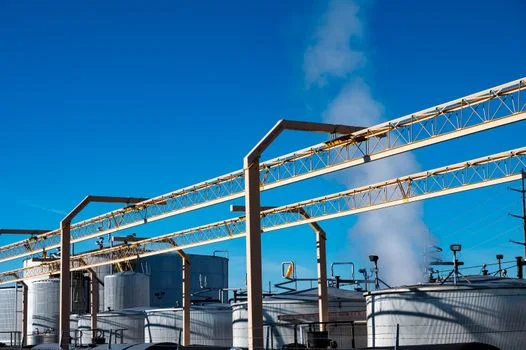
Selecting the correct technology for Arkansas industrial effluent depends on the specific pollutant profile and the desired discharge destination. Dissolved Air Flotation (DAF) is the industry standard for the poultry and food processing sectors due to its high efficiency in removing non-soluble organics and grease. DAF systems for Arkansas poultry and food processing plants utilize micro-bubble technology (20–50 microns) to achieve up to 98% FOG removal and 70% TSS reduction. For facilities in Northwest Arkansas where municipal sewer space is limited, DAF serves as a critical pretreatment step to reduce organic loading before the water reaches the city’s treatment works.
For chemical plants or facilities aiming for EPA compliance strategies for industrial wastewater that involve water reuse, Membrane Bioreactors (MBR) offer a superior alternative. MBR systems for water reuse in Arkansas chemical plants combine biological treatment with ultrafiltration, producing effluent with TSS near zero and COD levels below 50 mg/L. While the CAPEX for MBR is higher than DAF, the ability to recycle water for cooling towers or process washdown provides significant ROI in regions facing rising water utility rates. In the metal finishing sector, chemical precipitation remains the primary method for heavy metal removal. Utilizing chemical dosing for Arkansas metal finishing wastewater ensures precise pH adjustment, typically between 9.0 and 11.0, to precipitate metals as hydroxides before flocculation and clarification.
| Technology | Target Pollutants | Removal Efficiency | Arkansas Application | Typical CAPEX (50 m³/h) |
|---|---|---|---|---|
| DAF | FOG, TSS, Insoluble BOD | 90–98% FOG | Poultry/Meat Processing | $150,000 – $350,000 |
| MBR (DF Series) | Soluble BOD, COD, Bacteria | 99% TSS / 95% BOD | Chemical/Water Reuse | $400,000 – $800,000 |
| Chemical Precipitation | Heavy Metals (Ni, Cr, Zn) | 90–95% Metals | Metal Finishing/Mining | $100,000 – $250,000 |
| Hybrid (DAF + MBR) | Total Organics + Nutrients | >99% Overall | High-Strength Food Waste | $600,000+ |
Arkansas-Specific Cost Models: CAPEX, OPEX & Permitting Fees for Industrial Systems
Budgeting for wastewater treatment in Arkansas requires accounting for regional labor rates and utility costs that differ from national averages. While Arkansas’s industrial electricity rates are relatively competitive, ranging from $0.08 to $0.12 per kWh, the specialized labor required for system operation and maintenance commands $25 to $40 per hour. CAPEX for a standard 50–300 m³/h DAF system typically falls between $3,000 and $10,000 per cubic meter of hourly capacity, depending on the level of automation and materials of construction (e.g., SS304 vs. SS316 for corrosive environments).
Operating expenses (OPEX) are driven largely by chemical consumption and sludge disposal. In Arkansas, hauling dewatered sludge to a landfill can cost between $40 and $80 per ton, making efficient dewatering equipment a vital component of any treatment train. facilities must budget for ADEQ industrial discharge permit fees ($2,000–$10,000) and potential engineering review fees for new construction ($10,000–$50,000). To offset these costs, Arkansas offers the Water Infrastructure Finance Program, which provides low-interest loans for projects that improve water quality and compliance.
| Cost Category | DAF System | MBR System | Chemical Precipitation |
|---|---|---|---|
| CAPEX Range | $150K – $500K | $300K – $1M | $100K – $300K |
| OPEX (per m³) | $0.20 – $0.50 | $0.80 – $1.50 | $0.30 – $0.80 |
| Arkansas Power Cost | Low (Air compression) | High (Blower/Scouring) | Moderate (Mixing) |
| Annual Maint. | 3–5% of CAPEX | 7–10% of CAPEX | 4–6% of CAPEX |
Case Study: Poultry Processor in Northwest Arkansas Achieves 95% FOG Removal with DAF System
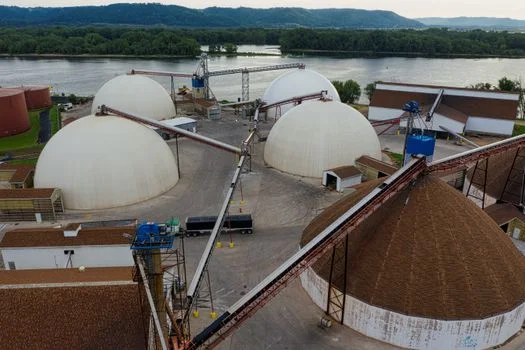
A poultry processing plant located in Springdale, Arkansas, faced significant operational and financial pressure in 2023. The facility was consistently exceeding its municipal FOG limit of 100 mg/L, with influent peaks reaching 1,200 mg/L. These violations resulted in monthly sewer surcharges exceeding $15,000 and a formal warning from the city’s pretreatment department. The existing gravity grease traps were insufficient for the high-volume hydraulic loads during peak production shifts.
To resolve the issue, the facility implemented a DAF-100 Dissolved Air Flotation system with a capacity of 100 m³/h. The system was integrated with an automatic chemical dosing unit that optimized polymer and coagulant injection based on real-time flow data. By maintaining a pH between 6.5 and 7.5 and utilizing a high-efficiency micro-bubble generator, the plant achieved immediate stabilization. The effluent FOG dropped to consistently below 50 mg/L, eliminating municipal surcharges and providing a projected payback period of less than 18 months through avoided fines and reduced sewer fees. Operator training focused on sludge blanket management and air-to-solids ratio optimization, which are critical for the hard water conditions common in the Ozark plateau region.
| Parameter | Influent (Pre-Installation) | Effluent (Post-DAF) | Total Removal % |
|---|---|---|---|
| FOG (mg/L) | 1,200 | 45 | 96.2% |
| TSS (mg/L) | 1,500 | 250 | 83.3% |
| BOD5 (mg/L) | 2,500 | 1,100 (insoluble removed) | 56.0% |
| Monthly Fees | $15,000 (Surcharges) | $3,000 (Base rate) | 80% Cost Reduction |
Zero-Risk Equipment Selection: A Step-by-Step Framework for Arkansas Facilities
To avoid the common pitfall of under-engineering a system that fails to meet ADEQ standards, Arkansas facility managers should follow a structured procurement framework. The risk of non-compliance is too high to rely on generic equipment specs; systems must be tailored to the specific chemical and hydraulic fluctuations of the local industry.
- Comprehensive Wastewater Characterization: Conduct a 30-day sampling program during peak production. Measure BOD, TSS, FOG, pH, and industry-specific metals. Arkansas facilities should follow ADEQ’s sampling protocols to ensure data is admissible for permit applications.
- Regulatory Alignment: Consult with ADEQ regarding categorical limits and check with local municipal authorities (e.g., Inframark in Fayetteville or Little Rock Water Reclamation Authority) for local pretreatment limits. Secure a clear understanding of surcharge thresholds.
- Technology Matching: Use the performance metrics detailed above to select technology. If your goal is FOG reduction for a poultry plant, DAF is the priority. If your goal is water reuse for a chemical plant, MBR is the necessary choice.
- Vendor Evaluation & Pilot Testing: Request pilot testing or bench-scale jar testing using your actual facility wastewater. Evaluate vendors based on their experience with Arkansas-specific regulations and their ability to provide local startup support. Ensure they offer compliance guarantees.
- Implementation & Training: Factor in a 12-to-16-week lead time for custom-engineered systems. Prioritize operator training, as even the best equipment will fail if the air-to-solids ratio or chemical dosing is not managed correctly. Develop a preventative maintenance schedule to protect the CAPEX investment.
Frequently Asked Questions
What are the ADEQ discharge limits for industrial wastewater in Arkansas?
For most industries, direct discharge limits are set at 30 mg/L for BOD and 30 mg/L for TSS. However, categorical standards vary: poultry processing must meet specific nutrient limits, while metal finishing is capped at 0.1 mg/L for hexavalent chromium and 2.0 mg/L for nickel per 40 CFR Part 433.
How much does an industrial wastewater treatment system cost in Arkansas?
CAPEX for a DAF system typically ranges from $150,000 to $500,000. MBR systems for high-strength or reuse applications range from $300,000 to over $1,000,000. OPEX generally runs between $0.20 and $1.50 per cubic meter treated, depending on chemical and energy intensity.
What is the Industrial Pretreatment Program in Fayetteville?
Managed by Inframark, this program regulates industrial discharges into the city's sewer system. It requires SIUs to obtain permits, perform regular monitoring, and adhere to local limits for pollutants like FOG, pH, and heavy metals to protect the West Side and Noland treatment plants.
Can I reuse treated wastewater in Arkansas?
Yes, ADEQ provides guidelines for water reuse, particularly for Class A reclaimed water. This typically requires advanced treatment such as MBR followed by UV disinfection or chlorination to meet pathogen and turbidity standards for non-potable uses like irrigation or cooling.
What are the penalties for non-compliance with ADEQ wastewater regulations?
ADEQ can impose administrative penalties ranging from $10,000 to $25,000 per day per violation. Persistent non-compliance can lead to cease-and-desist orders, legal action, and significant municipal surcharges that can exceed $100,000 annually for large processors.