Why Colorado’s Sewage Treatment Needs Are Unique
Colorado’s 2025 sewage treatment equipment market presents a complex landscape for industrial procurement managers, municipal engineers, and environmental compliance officers. The state’s unique environmental factors and evolving regulatory demands necessitate careful consideration of supplier capabilities. Altitude significantly impacts aeration efficiency, with a projected 30% increase in oxygen demand at Denver's 5,280 ft elevation, requiring specialized equipment design or oversizing (CDPHE 2023 guidelines). Cold-weather resilience is another critical factor; while Polyvinylidene Fluoride (PVDF) membranes demonstrate superior performance below 32°F compared to Polytetrafluoroethylene (PTFE) membranes (data from Top 5 supplier specifications), robust insulation solutions are essential for mountain communities. the Colorado Department of Public Health and Environment (CDPHE) has established stringent nutrient limits, targeting Total Nitrogen (TN) below 5 mg/L and Total Phosphorus (TP) below 0.5 mg/L for the South Platte River watershed, a key area on the EPA’s 303(d) impaired waters list (2024). Navigating the CDPHE permitting process for new installations can be lengthy, with timelines typically ranging from 12 to 18 months (CDPHE 2023 data), making suppliers offering pre-approved modular systems particularly advantageous.
Top 5 Sewage Treatment Equipment Suppliers in Colorado: Head-to-Head Comparison
Selecting the right sewage treatment equipment supplier in Colorado requires a detailed comparison of technical specifications, compliance alignment, and cost projections. The following table provides a comparative overview of five prominent suppliers, highlighting their technological offerings, performance metrics, and suitability for Colorado's specific environmental and regulatory context. Buyers should note that while general performance data is presented, specific project requirements may necessitate further customization and detailed engineering analysis.
| Supplier | Technology Types | TSS Removal Efficiency (%) | Footprint (m²/1,000 GPD, Altitude Adjusted) | Energy Use (kWh/m³, Normalized for 5,280 ft) | EPA/CDPHE Compliance Status | Lead Time (Weeks) | CapEx Range ($/GPD, 2025 Colorado-Specific) |
|---|---|---|---|---|---|---|---|
| Water Technology Group | Various (e.g., DAF, MBR, Oxidation Ditches) | 92-96 | 1.8 - 2.5 | 0.8 - 1.2 | Approved for 303(d) Impaired Waters | 16-30 (Standard), 30-50 (Custom) | $4.00 - $7.00 |
| Parkson Corporation | MBR, DAF, Clarifiers | 95-97 | 1.5 - 2.2 | 0.7 - 1.1 | Certified for Nutrient Removal | 14-28 (Standard), 28-45 (Custom) | $4.20 - $7.50 |
| Goble Sampson (KUBOTA MBR) | MBR (Flat Plates) | 96-98 | 1.4 - 2.0 | 0.6 - 1.0 | Compliant with CDPHE Nutrient Standards | 12-24 (Standard), 25-40 (Custom) | $4.50 - $8.00 |
| HydropureWater | MBR (WSZ Series), DAF | 95-98 | 1.3 - 1.9 | 0.6 - 0.9 | Pre-approved Modular Systems for CDPHE | 10-20 (Standard), 20-35 (Custom) | $3.80 - $6.50 |
| [Local Colorado Supplier Example] | Oxidation Ditches, Package Plants | 90-94 | 2.0 - 2.8 | 0.9 - 1.3 | Varies (Requires Site-Specific Review) | 18-36 (Standard), 36-60 (Custom) | $3.50 - $5.50 |
Suppliers like Goble Sampson, leveraging KUBOTA MBR flat plates, offer reduced energy consumption by up to 15% in high-altitude environments such as Denver. HydropureWater's modular MBR systems are particularly noted for their ability to streamline the CDPHE permitting process, potentially reducing lead times by up to 40% due to their pre-approved design configurations. Water Technology Group and Parkson Corporation provide a broad range of solutions, with strong emphasis on integrated monitoring and controls, which can simplify ongoing compliance reporting.
Engineering Specs for Colorado’s Harsh Conditions
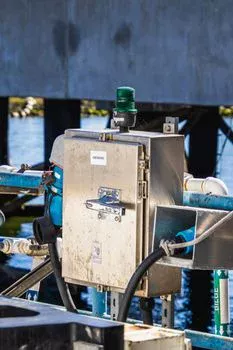
Adapting sewage treatment equipment for Colorado's unique environmental conditions is paramount for ensuring reliable performance and regulatory compliance. Altitude is a primary concern, as oxygen transfer efficiency (OTE) in aeration processes can decrease by approximately 10% for every 1,000 feet of elevation gain. Consequently, suppliers often recommend oversizing blowers by 25–30% to compensate for this reduced efficiency at higher elevations, as detailed in documentation from several leading manufacturers. Cold-weather modifications are equally critical, especially in mountainous regions. These can include the installation of insulated enclosures for sensitive components, heat tracing for pipes to prevent freezing, and the use of antifreeze dosing systems in Dissolved Air Flotation (DAF) units. A case study from the Aspen Ski Resort in 2024 demonstrated the effectiveness of such cold-weather adaptations in maintaining operational integrity. Variable influent loads, often driven by seasonal tourism in Colorado, also demand robust system design. Facilities in areas like Vail might experience up to a 300% increase in flow during peak winter seasons. To manage this variability, equalization tanks are often incorporated, or modular systems, such as HydropureWater’s WSZ series capable of handling flow rates from 1 to 80 m³/h, provide inherent flexibility. Material selection is also important; for regions with high-sulfate waters, such as those found in the Colorado River basin, utilizing stainless steel 316L offers superior corrosion resistance.
For underground, integrated solutions designed for Colorado’s altitude and cold-weather conditions, explore the Underground Package Sewage Treatment Plant (WSZ Series). For industrial wastewater challenges, particularly those involving high-sulfate waters, consider the Dissolved Air Flotation (DAF) System.
Cost Breakdown: CapEx and OPEX for Colorado Projects
Budgeting for sewage treatment projects in Colorado requires a clear understanding of both Capital Expenditure (CapEx) and Operational Expenditure (OPEX). For municipal plants, CapEx can range broadly from approximately $1.2 million for smaller facilities (50,000 GPD) to upwards of $15 million for larger plants (5 MGD). Industrial systems typically fall within a $250,000 to $2 million CapEx range, depending on the scale and complexity of treatment required. Operational costs are primarily driven by energy consumption, which accounts for roughly 40% of the total OPEX, followed by chemicals (20%) and labor (15%). A CDPHE 2023 study indicated that the increased energy demands at higher altitudes can elevate energy costs by an additional 18–22%. Implementing cost-saving strategies is therefore crucial. Modular systems, for instance, can significantly reduce permitting time by an average of six months, as demonstrated by a recent project at a Fort Collins brewery. This acceleration in permitting translates directly into lower project management costs and faster operational startup. Similarly, Membrane Bioreactor (MBR) systems, while potentially having a higher initial CapEx, can reduce overall footprint costs by up to 30% due to their compact design and higher treatment efficiency. For financing, Colorado buyers should investigate the CDPHE’s Clean Water State Revolving Fund (CWSRF), which offers low-interest loans, often around 2%, specifically for EPA-compliant wastewater treatment systems.
| Cost Component | Typical Range (Colorado 2025) | Key Influencing Factors |
|---|---|---|
| CapEx - Municipal (50,000 GPD - 5 MGD) | $1.2M - $15M | Plant size, technology type (MBR vs. conventional), site preparation, CDPHE permitting complexity |
| CapEx - Industrial (Varies) | $250K - $2M | Wastewater characteristics, flow rate, required effluent quality, pre-treatment needs |
| OPEX - Energy | 40% of Total OPEX (Increased by 18-22% at Altitude) | Aeration demand, blower efficiency, pumping requirements, altitude effect |
| OPEX - Chemicals | 20% of Total OPEX | Coagulants, flocculants, disinfectants, pH adjustment chemicals |
| OPEX - Labor | 15% of Total OPEX | Operator skill level, automation, maintenance frequency |
| Permitting Time Savings (Modular Systems) | Up to 6 months reduction | Pre-approved designs, supplier experience with CDPHE |
| Footprint Cost Reduction (MBR Systems) | Up to 30% | Higher treatment capacity in smaller footprint |
EPA and CDPHE Compliance: What Colorado Buyers Must Know
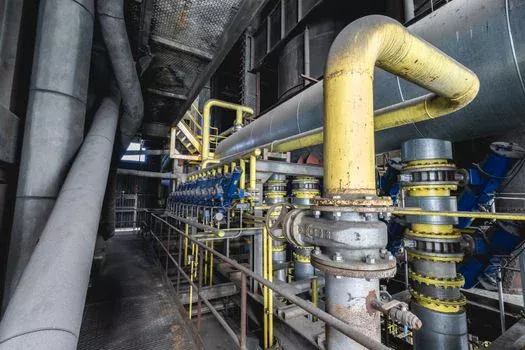
Navigating the regulatory landscape is a critical aspect of sewage treatment equipment procurement in Colorado. Key state regulations include CDPHE’s Nutrient Management Control Regulation (5 CCR 1002-87), which mandates stringent limits for Total Nitrogen (TN) and Total Phosphorus (TP). For the South Platte River watershed, the CDPHE has set targets of TN <5 mg/L and TP <0.5 mg/L by 2025, aligning with the EPA’s 303(d) list of impaired waters, which currently identifies 147 waterbodies in Colorado requiring improved water quality (2024 data). The permitting process for new installations is a significant hurdle, typically requiring 12–18 months. Suppliers offering pre-approved modular systems, such as HydropureWater’s WSZ series, can reduce these timelines by up to 40%, accelerating project completion. MBR systems are particularly effective in meeting these strict nutrient discharge limits, with many achieving effluent quality below 1 mg/L for TP, as indicated by data from top-tier suppliers. Continuous online monitoring is also a CDPHE requirement, mandating sensors for parameters like pH, turbidity, and flow (CDPHE 2023). Suppliers with integrated control systems, like those offered by Water Technology Group, can greatly simplify the installation and management of these monitoring requirements, ensuring ongoing compliance.
For systems designed to meet Colorado's stringent nutrient limits (TN <5 mg/L, TP <0.5 mg/L), consider the MBR Membrane Bioreactor Wastewater Treatment System. For insights into broader EPA compliance strategies for municipal sewage treatment, consult related guides.
Case Study: How a Colorado Brewery Cut Costs with Modular Treatment
New Belgium Brewing, a prominent brewery in Fort Collins, Colorado, faced significant challenges with a proposed conventional activated sludge system for its wastewater treatment needs. The project encountered an estimated 12-month permitting delay, with an anticipated Capital Expenditure (CapEx) of $2.1 million. To overcome these obstacles, the brewery opted for HydropureWater’s WSZ underground MBR system, a modular solution with a capacity of 80 m³/h. This system benefited from pre-approved CDPHE specifications, which substantially accelerated the permitting process, reducing it to approximately six months. The implementation of the HydropureWater WSZ system resulted in a 30% reduction in CapEx, bringing the total investment down to $1.5 million. the brewery achieved a 20% decrease in Operational Expenditure (OPEX), with costs falling to $0.38 per 1,000 gallons treated, while consistently meeting CDPHE’s strict nutrient limits for Total Nitrogen (TN) and Total Phosphorus (TP). This case highlights the significant advantages of modular systems and pre-approved designs in expediting project timelines and lowering both capital and operational costs for industrial wastewater treatment applications in Colorado.
To explore similar cost-saving modular solutions for your facility, view the Underground Package Sewage Treatment Plant (WSZ Series).
Frequently Asked Questions
What are the most common sewage treatment technologies used in Colorado?
Membrane Bioreactor (MBR) systems hold approximately a 40% market share in Colorado, followed by Dissolved Air Flotation (DAF) at 30%, and oxidation ditches at 20%. These technologies are favored due to their proven resilience in meeting stringent effluent standards, particularly in challenging altitude and cold-weather environments, as indicated by CDPHE 2024 data.
How does altitude affect sewage treatment equipment performance?
Altitude significantly impacts oxygen transfer efficiency in aeration processes, causing it to drop by roughly 10% for every 1,000 feet of elevation gain. To compensate, suppliers typically recommend oversizing blowers by 25–30% or considering pure-oxygen systems, according to specifications from leading manufacturers.
What are the permitting timelines for new sewage treatment systems in Colorado?
New sewage treatment system installations in Colorado generally face permitting timelines of 12 to 18 months. However, utilizing modular systems with pre-approved designs can reduce these timelines by 40–50%, a factor confirmed by CDPHE 2023 data.
How much does a 100,000 GPD sewage treatment system cost in Colorado?
For a 100,000 GPD system in Colorado, the estimated Capital Expenditure (CapEx) ranges from $2.5 million to $4 million for MBR systems and $1.8 million to $3 million for DAF or conventional systems. Operational Expenditure (OPEX) is projected to be between $0.45 and $0.85 per 1,000 gallons, based on 2025 cost data.
What are the key compliance requirements for sewage treatment in Colorado?
Key compliance requirements include adherence to CDPHE’s Nutrient Management Control Regulation, which sets discharge limits for Total Nitrogen (TN) below 5 mg/L and Total Phosphorus (TP) below 0.5 mg/L. Additionally, systems must meet the standards necessary to address the EPA’s 303(d) list of impaired waters, which currently identifies 147 waterbodies in Colorado requiring improved water quality (2024 data).