Why Sheffield’s Industrial Wastewater Costs Are Rising in 2025
In Sheffield, industrial wastewater treatment plant costs range from £50,000 for compact chemical dosing units to £5 million for MBR systems, with CAPEX averaging £1,500–£3,000 per m³/day capacity. Yorkshire Water’s 2026 discharge limits (e.g., <50 mg/L COD for metalworking effluent) require technologies like DAF (95% TSS removal) or MBR (99% pathogen reduction), but OPEX—especially sludge disposal at £120–£200/tonne—can exceed CAPEX over a 10-year lifespan. Local energy tariffs (£0.18/kWh) further impact ROI, making tech selection critical for compliance and cost control.
Yorkshire Water's intensified enforcement actions for 2026 are driving significant cost increases for industrial wastewater treatment in Sheffield. For metalworking facilities, the stipulated COD limit is set at <50 mg/L, a strict standard requiring advanced treatment processes. Similarly, sensitive catchments will face a BOD limit of <25 mg/L, tightening previous regulations. These stricter parameters are not merely guidelines; they are backed by substantial financial penalties. For instance, a prominent Sheffield metalworking plant, New London Manufacturing, incurred a £1 million fine in 2024 for COD violations, a stark reminder of the financial risks of non-compliance. This incident, alongside three other significant enforcement actions against Sheffield industries in the same year (involving anonymized data on ammonia and heavy metal exceedances), underscores the escalating regulatory pressure. Beyond direct fines, the operational expenditure (OPEX) is significantly inflated by local sludge disposal costs, which now range from £120–£200 per tonne in South Yorkshire. This represents a 15% year-on-year increase, attributed by ONS 2024 data to landfill capacity reductions. industrial energy tariffs in Sheffield stand at approximately £0.18/kWh, notably higher than the UK average of £0.15/kWh. This elevated energy cost disproportionately affects aeration-intensive technologies like Membrane Bioreactors (MBR), amplifying their operational burden.
Sheffield Wastewater Treatment Costs by Industry: CAPEX, OPEX & Compliance Trade-Offs
Benchmarking wastewater treatment costs against specific industry needs in Sheffield—metalworking, food processing, and pharmaceuticals—reveals critical CAPEX and OPEX variations driven by pollutant profiles and compliance targets. Metalworking facilities, typically facing influent challenges with oils, greases, and dissolved metals, require robust systems to meet the <50 mg/L COD limit. CAPEX for these operations, often involving Dissolved Air Flotation (DAF) coupled with chemical dosing, can range from £200,000 to £1.5 million. Their OPEX typically falls between £30–£80/m³, heavily influenced by chemical consumption and sludge disposal. Food processing plants, characterized by high organic loads (BOD) and fats, oils, and grease (FOG) concentrations ranging from 500–2,000 mg/L, necessitate efficient FOG removal. CAPEX for systems employing DAF and biological treatment can be between £150,000–£800,000. Their OPEX, generally £25–£60/m³, is often higher due to the substantial sludge volumes generated. Pharmaceutical manufacturers, dealing with complex and often recalcitrant organic compounds and Active Pharmaceutical Ingredients (APIs), face the most demanding treatment requirements. CAPEX for advanced systems, such as MBR coupled with Advanced Oxidation Processes (AOP), can range from £1 million to £5 million. OPEX for this sector, cited by EA 2024 emerging contaminants lists, can be substantial at £50–£120/m³, reflecting the specialized nature of the treatment and the need for precise control.
| Industry | Typical Influent Characteristics (mg/L) | Target Effluent (mg/L) | Typical CAPEX Range | Typical OPEX Range (£/m³) | Primary Treatment Technologies |
|---|---|---|---|---|---|
| Metalworking | COD: 500-2000 TSS: 100-500 Oils/Greases: 50-200 Metals: Trace-50 |
COD: <50 TSS: <30 Oils/Greases: <10 |
£200K – £1.5M | £30 – £80 | DAF, Chemical Dosing, Filtration |
| Food Processing | BOD: 500-2000 COD: 1000-4000 TSS: 100-500 FOG: 500-2000 |
BOD: <25 COD: <125 TSS: <30 FOG: <20 |
£150K – £800K | £25 – £60 | DAF, Biological Treatment (Aerobic/Anaerobic), Grit Removal |
| Pharmaceuticals | COD: 200-1000 BOD: 50-300 TSS: 20-100 APIs: Trace-ppm |
COD: <100 BOD: <20 TSS: <20 APIs: Undetectable |
£1M – £5M | £50 – £120 | MBR, AOP, Activated Carbon, Chemical Oxidation |
For metalworking facilities in Sheffield, meeting the <50 mg/L COD limit often involves Sheffield-optimized DAF systems for FOG and TSS removal, which effectively separate oils and suspended solids. Complementary chemical dosing ensures precipitation of dissolved metals and further COD reduction. Food processing plants benefit from DAF for its high FOG removal efficiency, followed by biological treatment stages to address high BOD loads. Pharmaceutical wastewater, with its complex organic compounds and APIs, frequently necessitates the advanced capabilities of MBR systems for Sheffield’s <50 mg/L COD compliance, often combined with AOPs for recalcitrant compound degradation. The choice of technology directly impacts operational costs, particularly concerning chemical usage and sludge management, which are significant components of OPEX in these varied industrial contexts.
DAF vs. MBR vs. Chemical Dosing: Which System Fits Your Sheffield Plant?
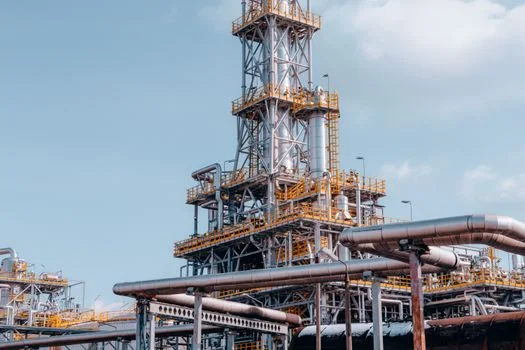
Selecting the appropriate wastewater treatment technology for a Sheffield industrial facility hinges on a delicate balance of CAPEX, OPEX, footprint, effluent quality, and local compliance demands. Dissolved Air Flotation (DAF) systems, with CAPEX ranging from £80,000 to £300,000, offer excellent removal rates for suspended solids (92–97%) and can achieve 60–80% COD reduction, making them ideal for treating FOG and metals. Their operational principle involves introducing micro-bubbles that attach to suspended particles, causing them to float and be skimmed off. Membrane Bioreactor (MBR) systems represent a higher investment, with CAPEX between £1 million and £5 million, but deliver superior effluent quality, achieving 99% pathogen removal and consistently below 10 mg/L BOD. MBRs integrate biological treatment and membrane filtration, eliminating the need for secondary clarifiers, but require membrane replacement every 5–8 years, an expense of £200–£400/m². Chemical dosing systems offer the lowest CAPEX, typically £50,000–£150,000, and can achieve 70–90% COD removal through the addition of coagulants and flocculants. However, their OPEX, £20–£50/m³, is heavily reliant on ongoing chemical costs and can be less effective for challenging pollutants or significant fluctuations in influent strength. A Sheffield-based food processing plant successfully reduced its OPEX by 30% by transitioning from a purely chemical dosing approach to a DAF system, improving FOG removal from 70% to over 95% and significantly reducing sludge hauling costs.
| Technology | Typical CAPEX | Typical OPEX (£/m³) | Footprint | TSS Removal (%) | COD Removal (%) | Pathogen Removal (%) | Key Applications in Sheffield |
|---|---|---|---|---|---|---|---|
| DAF | £80K – £300K | £10 – £30 | Medium | 92 – 97 | 60 – 80 | Low | FOG, Metals, Suspended Solids (Metalworking, Food) |
| MBR | £1M – £5M | £30 – £70 | Small | >99 | >90 | 99+ | High-strength organics, Strict Effluent Limits (Pharma, Food, Sensitive Discharges) |
| Chemical Dosing | £50K – £150K | £20 – £50 | Small | 70 – 90 | 70 – 90 | Low | Pre-treatment, Metals, Coagulation (General Industrial) |
For Sheffield's industrial facilities, the choice between DAF, MBR, and chemical dosing is driven by specific pollutant profiles and discharge targets. DAF systems, often integrated with Sheffield-optimized DAF systems for FOG and TSS removal, are highly effective and cost-efficient for removing FOG and suspended solids common in metalworking and food processing wastewater. MBR systems, such as MBR systems for Sheffield’s <50 mg/L COD compliance, offer superior effluent quality, crucial for meeting stringent Yorkshire Water limits, especially in pharmaceutical applications or where water reuse is considered. Chemical dosing, facilitated by precise chemical dosing for Sheffield’s variable influent, is a more economical option for pre-treatment or when moderate COD reduction is sufficient. The decision framework should prioritize the technology that most reliably and cost-effectively meets Yorkshire Water's 2026 discharge limits while considering long-term OPEX, including sludge disposal and energy consumption.
How to Calculate Your Sheffield Wastewater Treatment Plant’s Total Cost of Ownership
Calculating the Total Cost of Ownership (TCO) for a wastewater treatment plant in Sheffield requires a comprehensive approach that extends beyond initial CAPEX to encompass all direct and indirect operational costs over a 10-year lifespan. The CAPEX for industrial systems typically ranges from £1,500 to £3,000 per m³/day capacity, a figure that must be multiplied by the design flow and a peak factor (commonly 2:1 to 4:1) to determine the total initial investment. Operational expenditures (OPEX) are dominated by several key components: energy typically accounts for 40–60%, chemicals for 15–25%, sludge disposal for 20–30%, and labor for 10–15%. To accurately project these costs in Sheffield, specific local multipliers must be applied. Sludge disposal costs, ranging from £120–£200/tonne, and energy tariffs at £0.18/kWh are critical factors. Labor costs for certified operators in the region are estimated between £35–£50/hour. A 10-year TCO calculation for a 50 m³/h MBR system with a £1.2 million CAPEX would involve estimating annual OPEX, which might be around £120,000 (including energy, chemicals, sludge disposal, and labor), leading to a 10-year OPEX of £1.2 million and a total TCO of £2.4 million. This TCO framework must also account for ancillary costs such as permitting fees (£500–£5,000), maintenance contracts, spare parts, and potential downtime, which can significantly impact the overall financial viability of the investment.
| Cost Component | Typical Percentage of OPEX | Sheffield Specific Multiplier | Example Calculation (50 m³/h MBR) |
|---|---|---|---|
| Energy | 40-60% | £0.18/kWh | ~£40,000 - £60,000/year |
| Chemicals | 15-25% | N/A (Process Dependent) | ~£15,000 - £25,000/year |
| Sludge Disposal | 20-30% | £120-£200/tonne | ~£20,000 - £30,000/year (assuming 100-150 tonnes/year) |
| Labor | 10-15% | £35-£50/hour | ~£10,000 - £15,000/year |
| Total Annual OPEX | 100% | ~£85,000 - £130,000/year | |
| 10-Year TCO (CAPEX + 10yr OPEX) | ~£2.05M - £2.5M (Assuming £1.2M CAPEX) |
To accurately project the financial commitment for wastewater treatment in Sheffield, a detailed TCO analysis is essential. This involves not only the initial CAPEX, which can be estimated using the formula (£1,500–£3,000/m³/day) × design flow (m³/h) × peak factor (2:1–4:1), but also a thorough breakdown of OPEX. Key OPEX drivers include energy costs at Sheffield's £0.18/kWh tariff, chemical consumption for processes like coagulation and disinfection, and the significant sludge disposal costs ranging from £120–£200/tonne. For a hypothetical 50 m³/h system with a £1.2 million CAPEX, the annual OPEX might range from £85,000 to £130,000, resulting in a 10-year OPEX of £850,000 to £1.3 million, and a total 10-year TCO of £2.05 million to £2.5 million. This calculation provides a data-driven basis for budgeting and investment justification, helping facility managers in Sheffield make informed decisions about wastewater treatment plant costs.
Yorkshire Water Compliance Checklist: Avoiding Fines and Downtime in Sheffield
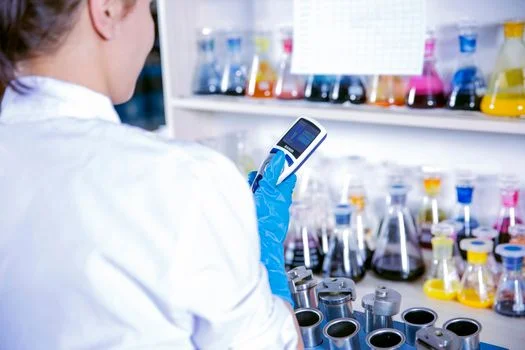
Ensuring compliance with Yorkshire Water's 2026 discharge limits is paramount for industrial facilities in Sheffield to avoid costly fines and operational disruptions. Key limits include <50 mg/L COD for metalworking effluent and <25 mg/L BOD for sensitive areas, alongside a <10 mg/L ammonia limit. The permitting process with the Environment Agency (EA) can incur costs of £500–£5,000 and requires a lead time of 6–12 months for new systems, necessitating proactive planning. For facilities exceeding 100 m³/h, continuous monitoring of COD, BOD, and TSS is typically required, with Yorkshire Water often mandating specific telemetry for real-time data transmission. Sludge management is also a critical compliance area; dewatering to over 20% dry solids (DS) is usually required before disposal, and the landfilling of untreated sludge is prohibited under EA 2024 regulations. A robust compliance checklist for Sheffield plants should include verifying that the system can handle peak flows (e.g., 4:1), ensuring regular calibration of monitoring sensors (quarterly), and confirming that sludge is managed in accordance with current EA directives. Facilities considering upgrades may also need to evaluate technologies like plate-frame filter presses for efficient sludge dewatering.
Frequently Asked Questions
Q: What is the average CAPEX for an industrial wastewater treatment plant in Sheffield?
A: Industrial wastewater treatment plant CAPEX in Sheffield typically ranges from £1,500 to £3,000 per m³/day capacity, with smaller systems like chemical dosing units starting around £50,000 and comprehensive MBR plants reaching up to £5 million.
Q: How do Yorkshire Water's 2026 discharge limits affect technology selection?
A: The stricter limits, such as <50 mg/L COD for metalworking, necessitate more advanced technologies like DAF or MBR, which offer higher removal efficiencies for key pollutants than simpler treatment methods.
Q: What are the primary OPEX drivers for wastewater treatment in Sheffield?
A: The primary OPEX drivers are energy consumption (at £0.18/kWh locally), chemical usage, and sludge disposal costs, which range from £120–£200/tonne in South Yorkshire.
Q: When is an MBR system preferable to a DAF system in Sheffield?
A: An MBR system is preferable when extremely high effluent quality is required (e.g., <10 mg/L BOD, 99% pathogen removal) or when space is limited, whereas DAF is more cost-effective for removing FOG and suspended solids.
Q: How much can sludge disposal costs impact the TCO of a wastewater treatment plant?
A: Sludge disposal can account for 20–30% of OPEX; for a plant with significant sludge production, these costs can easily exceed £40,000 annually, significantly impacting the 10-year TCO.
Q: What is the typical lead time for obtaining environmental permits in the UK?
A: The lead time for Environment Agency permits for new wastewater treatment systems in the UK typically ranges from 6 to 12 months.
Q: Where can I find more information on Yorkshire Water's industrial discharge permits?
A: For inquiries regarding industrial discharge permits and regulations, please consult the official Yorkshire Water industrial discharges page.
Further Reading
Explore these in-depth articles on related wastewater treatment topics: