Solvent wastewater treatment systems must address high COD (5,000–50,000 mg/L), volatile organic compounds (VOCs), and emulsified solvents that overwhelm conventional biological treatment. Hybrid Dissolved Air Flotation (DAF)-Reverse Osmosis (RO)-Membrane Bioreactor (MBR) systems achieve 99% Total Suspended Solids (TSS) removal, 95% COD reduction, and 90% water recovery, meeting stringent standards like EPA 40 CFR Part 413 and EU Industrial Emissions Directive 2010/75/EU. For a 100 m³/h system, 2026 CAPEX ranges from $1.5M (basic DAF-RO) to $4.5M (zero-discharge hybrid), with OPEX of $1.20–$2.80/m³ and an estimated Return on Investment (ROI) in 24–48 months, primarily driven by solvent recovery and water savings.
Why Solvent Wastewater Breaks Conventional Treatment Systems
Solvent-laden industrial wastewater streams frequently contain chemical oxygen demand (COD) levels between 5,000 and 50,000 mg/L, significantly exceeding the capacity of conventional biological treatment systems designed for municipal wastewater (typically 500–2,000 mg/L COD) (per Springer review on industrial wastewater treatment). This high organic load, often from solvents such as methanol, acetone, or toluene, can shock biological processes, leading to system failure and non-compliance.
Volatile Organic Compounds (VOCs), including benzene and xylene, are common in solvent wastewater and readily volatilize during aeration in biological treatment or open equalization tanks. This volatilization can lead to air quality permit violations under regulations like EPA 40 CFR Part 60. Effective VOC removal from industrial wastewater requires dedicated off-gas treatment technologies, such as activated carbon adsorption or thermal oxidation units, to capture and destroy these airborne pollutants.
Emulsified solvents, often stabilized by surfactants or fine solids, resist gravity separation, making conventional primary clarification ineffective. This resistance reduces the efficiency of initial treatment steps, such as Dissolved Air Flotation (DAF), to only 50–70% TSS removal, compared to over 90% for non-solvent streams (HydropureWater Product Catalog DAF specs). The stable emulsions prevent the effective removal of suspended solids and oil/grease, which then carry over to subsequent treatment stages.
While a high BOD/COD ratio (typically >0.5) generally indicates biodegradability, the presence of certain solvents can be highly toxic to microbial populations. Compounds like formaldehyde or chlorinated solvents inhibit bacterial activity, severely hampering biological treatment performance even with sufficient organic load. In such cases, microbial acclimation periods or bioaugmentation with specialized bacterial strains become necessary to establish a robust biological process, often requiring extended startup times and careful monitoring.
Hybrid Solvent Wastewater Treatment Systems: DAF, RO, MBR, and Beyond
Hybrid wastewater treatment systems effectively address the complex challenges posed by solvent-laden industrial effluents by integrating multiple technologies, each optimized for specific contaminant removal. This multi-stage approach ensures comprehensive treatment, from preliminary solids and emulsified solvent removal to advanced polishing and water recovery.
Dissolved Air Flotation (DAF) systems are critical for the initial removal of suspended solids, fats, oils, and greases (FOG), and especially emulsified solvents. By carefully adjusting the pH to an optimal range of 6.5–7.5 and employing cationic polymers, DAF systems for emulsified solvent removal can achieve 85–95% TSS removal for challenging solvent-laden streams (HydropureWater Product Catalog DAF specs). The fine air bubbles generated by DAF effectively adhere to and float these contaminants to the surface for skimming, preventing them from impacting downstream processes.
Reverse Osmosis (RO) systems are essential for concentrating solvent streams and achieving high levels of water recovery, typically between 75–95%. These systems effectively reject dissolved salts, organic compounds, and residual solvents. However, to prevent membrane fouling and ensure long-term performance, robust pretreatment is crucial, maintaining a Silt Density Index (SDI) below 3. This often involves antiscalant dosing and fine filtration to protect the RO systems for solvent concentration and water recovery from scaling and particulate buildup.
Membrane Bioreactor (MBR) systems integrate biological treatment with membrane filtration, eliminating the need for secondary clarifiers and significantly reducing the overall footprint by up to 60%. MBRs, particularly those employing 0.1 μm pore size PVDF membranes, are highly effective in handling high-COD solvent wastewater, capable of treating influent COD concentrations up to 50,000 mg/L (HydropureWater Product Catalog MBR specs). The membranes provide a superior barrier for biomass retention, leading to higher effluent quality suitable for discharge or further treatment.
Hybrid DAF-RO-MBR systems combine the strengths of these individual technologies to create a robust and highly efficient solvent wastewater treatment system. The DAF stage provides essential pretreatment by removing bulk solids and emulsified solvents. The MBR then handles the high organic load, polishing the effluent to very low COD levels. Finally, the RO system recovers high-quality water for reuse, concentrating the remaining solvent-rich stream for recovery or specialized disposal. This integrated process can reduce COD to below 50 mg/L and achieve water recovery rates exceeding 90%.
| Technology | Primary Function in Solvent Wastewater | Typical Removal Efficiency (TSS/COD/VOC) | Key Advantages | Limitations |
|---|---|---|---|---|
| DAF (Dissolved Air Flotation) | Emulsified solvent, FOG, suspended solids removal | TSS: 85-95%, FOG: 90-98% | Effective for emulsions, low footprint, robust pretreatment | Requires chemical addition, sludge disposal, not for dissolved organics |
| MBR (Membrane Bioreactor) | High-COD biological treatment, effluent polishing | COD: 90-98%, TSS: >99% | High effluent quality, small footprint, handles high organic loads | Membrane fouling, energy intensive for aeration and filtration |
| RO (Reverse Osmosis) | Water recovery, dissolved solids/solvent concentration | TDS: 95-99%, COD: 80-95% | High water recovery, excellent permeate quality | Requires extensive pretreatment, susceptible to fouling, concentrate disposal |
| Hybrid DAF-RO-MBR | Comprehensive treatment, zero-discharge potential | TSS: 99%, COD: 95%, Water Recovery: 90% | Combines strengths, robust for complex streams, high reuse potential | Higher CAPEX/OPEX, complex operation, requires skilled maintenance |
Solvent Recovery Integration: Reducing Costs and Environmental Impact
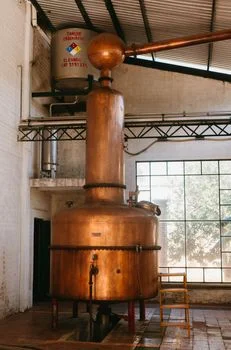
Integrating solvent recovery technologies into industrial wastewater treatment processes can reduce operational expenditures by 30-50% and significantly minimize environmental impact by transforming waste into valuable resources. The decision to implement solvent recovery depends on the solvent type, concentration, and purity requirements for reuse.
Distillation, whether batch or continuous, is a proven method for recovering 90–98% of common solvents like methanol and acetone from wastewater streams. This technology separates solvents based on their boiling points, yielding high-purity products suitable for direct reuse in industrial processes. However, distillation is energy-intensive, requiring substantial heat input. Implementing heat integration strategies, such as using waste heat from other plant operations or employing multi-effect evaporators, can significantly reduce the energy footprint and improve economic viability.
Membrane pervaporation offers an energy-efficient alternative for solvent recovery from wastewater, particularly for VOCs. Systems utilizing advanced membranes, such as PDMS (polydimethylsiloxane), can selectively permeate specific VOCs, achieving 80–95% recovery with up to 50% lower energy consumption compared to conventional distillation (per Top 3 Springer review for membrane selectivity data). Pervaporation is especially effective for dilute solvent streams where distillation would be less economical.
Activated carbon adsorption is widely used for achieving 99% VOC removal from both liquid and gas streams. This technology relies on the porous structure of activated carbon to physically bind solvent molecules. While highly effective, activated carbon requires periodic regeneration to maintain its adsorption capacity. Regeneration can be achieved through thermal swing adsorption (TSA) or steam stripping, which desorbs the captured solvents for recovery or destruction, making it a viable option for intermittent or lower concentration solvent streams.
The Return on Investment (ROI) for solvent recovery can be substantial, typically falling within 18–36 months for facilities with high-solvent streams, such as pharmaceutical API production. For a 100 m³/h system, recovering 1000 kg/day of a solvent valued at $2/kg can generate $730,000 in annual savings, offsetting 30–50% of the overall wastewater treatment OPEX. This economic benefit, coupled with reduced hazardous waste disposal costs and improved environmental compliance, makes solvent recovery a compelling component of a sustainable wastewater management strategy.
| Recovery Technology | Typical Solvents Recovered | Recovery Efficiency | Energy Consumption (Relative) | Key Advantages | Limitations |
|---|---|---|---|---|---|
| Distillation | Methanol, Acetone, IPA, Toluene | 90-98% | High | High purity product, well-established | High CAPEX/OPEX, not suitable for heat-sensitive compounds |
| Membrane Pervaporation | VOCs (e.g., Ethanol, IPA, Acetone) | 80-95% | Moderate (50% less than distillation) | Energy efficient, operates at lower temperatures, selective | Membrane fouling, limited for complex mixtures |
| Activated Carbon Adsorption | Wide range of VOCs | >99% (removal) | Low (adsorption), Moderate (regeneration) | Highly effective for dilute streams, robust | Requires regeneration, carbon disposal/replacement |
2026 CAPEX and OPEX Breakdown for Solvent Wastewater Systems
The capital expenditure (CAPEX) for a 100 m³/h solvent wastewater treatment system in 2026 ranges from $500,000 for a basic DAF unit to $4.5 million for a comprehensive zero-discharge hybrid DAF-RO-MBR configuration. This broad range reflects the varying complexity and technology intensity required to meet specific discharge or reuse goals (HydropureWater field data, extrapolated from CMP wastewater treatment for semiconductor fabs). Systems incorporating advanced solvent recovery or extensive polishing for zero-liquid discharge naturally incur higher initial investments.
Operational expenditure (OPEX) for solvent wastewater treatment systems typically falls between $0.80–$2.50/m³, influenced by several key cost drivers. Energy consumption, primarily for pumps, blowers, and membrane filtration, constitutes a significant portion. Chemical costs for pH adjustment, coagulation, flocculation, and antiscalants are also substantial, especially for high-COD or emulsified streams. Membrane replacement, labor, and waste disposal (e.g., concentrated brine or sludge) further contribute to the overall OPEX. Higher solvent concentrations and increased membrane fouling rates directly correlate with elevated chemical and energy usage.
Specific component replacement costs are crucial for long-term budgeting. RO membranes typically require replacement every 3–5 years, with costs ranging from $15–$30/m² (HydropureWater Product Catalog RO specs). MBR membranes, known for their robustness, have a longer lifespan, requiring replacement every 5–8 years at a cost of $50–$100/m² (HydropureWater Product Catalog MBR specs). Regular cleaning and optimized operating conditions can extend membrane life and reduce replacement frequency.
The Return on Investment (ROI) for solvent wastewater treatment systems varies significantly based on the integration of solvent recovery. Systems that incorporate solvent recovery can achieve an ROI in 24–48 months due to substantial savings from solvent reuse and reduced waste disposal. For standalone treatment systems focused solely on discharge compliance, the ROI period extends to 36–60 months, driven primarily by avoided regulatory fines and reduced fresh water consumption. For example, a 50 m³/h system treating 10,000 mg/L COD, achieving 90% water recovery and 50% solvent recovery, could save over $500,000 annually in fresh water, solvent purchase, and disposal costs, accelerating its ROI.
| System Configuration (100 m³/h) | Estimated 2026 CAPEX | Estimated OPEX ($/m³) | Typical ROI (Months) |
|---|---|---|---|
| Basic DAF + Biological Treatment | $500K - $1.2M | $0.80 - $1.50 | 36 - 60 (compliance-driven) |
| DAF + MBR + RO (Discharge Compliant) | $1.5M - $2.8M | $1.50 - $2.20 | 30 - 48 (water reuse, compliance) |
| Hybrid DAF-RO-MBR + Solvent Recovery | $2.8M - $3.8M | $1.20 - $2.00 (net of solvent recovery) | 24 - 36 (solvent recovery, water reuse) |
| Zero-Discharge Hybrid (DAF-RO-MBR-IX-Evap) | $3.8M - $4.5M | $2.00 - $2.80 | 36 - 60 (regulatory risk elimination, full reuse) |
Regulatory Compliance: EPA, EU, and Local Solvent Discharge Limits
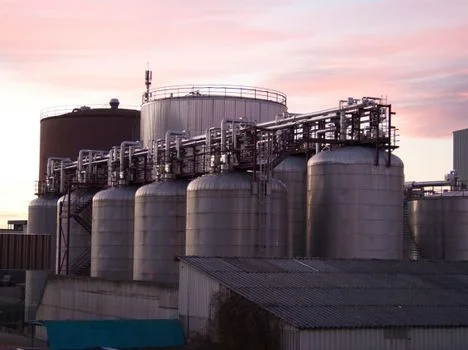
Meeting stringent regulatory requirements for solvent wastewater treatment systems discharge is critical, with EPA 40 CFR Part 413 (Organic Chemicals, Plastics, and Synthetic Fibers) mandating solvent concentrations below 1 mg/L and COD levels under 250 mg/L for organic chemical manufacturing facilities. These pretreatment standards for existing sources aim to prevent interference with publicly owned treatment works (POTWs) and protect receiving waters. Compliance requires robust treatment technologies capable of achieving ultra-low detection limits for specific solvent compounds.
The EU Industrial Emissions Directive 2010/75/EU sets comprehensive Best Available Techniques (BAT) requirements for industrial installations, including limits for VOCs in air emissions at less than 50 mg/m³ and COD in wastewater effluent typically below 125 mg/L. Facilities must demonstrate that their high-COD wastewater treatment systems are designed and operated to meet these strict environmental performance levels, often necessitating advanced oxidation processes or membrane filtration for COD reduction, and off-gas treatment for VOCs.
In China, GB 31571-2015 (Discharge Standard of Water Pollutants for Chemical Industry) specifies solvent discharge limits typically below 5 mg/L and COD levels below 60 mg/L for various chemical manufacturing processes. Local environmental protection bureaus may enforce even stricter limits based on regional environmental sensitivity or industrial zones. Understanding these local variations is crucial for designing a compliant solvent wastewater treatment system.
Zero-discharge wastewater systems, while requiring higher CAPEX due to advanced treatment stages (e.g., RO, ion exchange, and multi-effect distillation), completely eliminate regulatory discharge risk and offer maximum water reuse potential. This approach is particularly attractive for facilities operating in water-scarce regions or those facing extremely stringent discharge limits. The trade-off involves increased initial investment and operational complexity, but these are often balanced by long-term cost savings from water conservation and avoidance of fines.
| Regulatory Body/Standard | Pollutant | Typical Limit (Wastewater) | Applicable Industries | Key Compliance Strategy |
|---|---|---|---|---|
| EPA 40 CFR Part 413 | Solvents (e.g., Benzene) | <1 mg/L | Organic Chemicals, Plastics, Synthetic Fibers | Pretreatment (e.g., MBR, RO), VOC stripping |
| EPA 40 CFR Part 413 | COD | <250 mg/L | Organic Chemicals, Plastics, Synthetic Fibers | Biological treatment (MBR), advanced oxidation |
| EU Industrial Emissions Directive 2010/75/EU | VOCs (Air Emissions) | <50 mg/m³ | Various Industrial Activities | Off-gas treatment (carbon adsorption, thermal oxidation) |
| EU Industrial Emissions Directive 2010/75/EU | COD | <125 mg/L | Various Industrial Activities | BAT implementation, advanced biological/physical-chemical |
| China GB 31571-2015 | Solvents | <5 mg/L | Chemical Industry | Membrane filtration, solvent recovery |
| China GB 31571-2015 | COD | <60 mg/L | Chemical Industry | Advanced biological (MBR), RO polishing |
Case Study: Pharmaceutical Plant Achieves Zero-Discharge with Hybrid DAF-RO-MBR
A leading pharmaceutical plant successfully achieved zero-discharge for its solvent-laden wastewater, characterized by a challenging 50 m³/h flow rate with 20,000 mg/L COD from methanol and acetone, through the implementation of a custom-engineered hybrid DAF-RO-MBR system. The plant previously faced escalating regulatory fines due to consistent exceedances of local discharge limits for COD and specific solvent compounds, impacting their operational license.
HydropureWater designed and commissioned a comprehensive solution comprising an initial DAF unit for emulsified solvent and TSS removal, followed by an MBR for high-COD biological treatment, and a final RO stage for water recovery and polishing. Crucially, the system integrated solvent recovery via distillation for the concentrated RO reject, and off-gas treatment using activated carbon adsorption to manage VOC emissions from the DAF and MBR tanks. The total CAPEX for this zero-discharge wastewater system was $3.2 million, with an OPEX of $1.85/m³.
The implemented system achieved remarkable results: 99% TSS removal, 97% COD reduction to below 50 mg/L, and 90% water recovery, which was reused in non-critical processes. The solvent recovery unit alone generated $1.2 million in annual savings from recovered methanol and acetone, contributing significantly to a project ROI of 30 months. Key lessons learned included the critical importance of maintaining a stable pH of 6.8 in the DAF unit for optimal chemical flocculation, and mitigating MBR membrane fouling through regular chemical cleaning and the selection of robust 0.1 μm PVDF membranes, ensuring consistent flux and effluent quality.
Frequently Asked Questions
Industrial engineers and compliance managers frequently ask specific questions regarding the technical specifications, operational costs, and regulatory implications of solvent wastewater treatment systems.
What is the best system for high-COD solvent wastewater? Hybrid DAF-RO-MBR systems are highly effective for high-COD solvent wastewater, handling COD concentrations up to 50,000 mg/L with 95%+ removal efficiency, and are capable of integrating solvent recovery from wastewater (per HydropureWater Product Catalog MBR specs).
How often do RO membranes need replacement? RO membranes typically require replacement every 3–5 years, depending on the influent water quality, fouling rate, and the effectiveness of cleaning frequencies (per HydropureWater Product Catalog RO specs).
Can solvent wastewater treatment systems achieve zero-discharge? Yes, zero-discharge is achievable for solvent wastewater systems by combining advanced treatment technologies like DAF, MBR, RO, ion exchange, and evaporators. This approach eliminates liquid discharge and maximizes water reuse, though it incurs higher CAPEX.
What are the main challenges of treating pharmaceutical wastewater containing solvents? Pharmaceutical wastewater often presents challenges due to high COD, the presence of toxic and recalcitrant organic compounds, fluctuating flow rates, and the need for specific VOC removal from industrial wastewater. MBR systems are particularly well-suited for MBR for pharmaceutical wastewater due to their robust biological treatment and high effluent quality.
What are the typical ROI drivers for solvent wastewater projects? The primary ROI drivers include significant savings from recovered solvents, reduced fresh water consumption through reuse, and avoidance of regulatory fines and hazardous waste disposal costs. For systems with solvent recovery, ROI can be as short as 18-36 months.
Related Equipment
- MBR systems for high-COD solvent wastewater polishing — view specifications, capacity range, and technical data
Need a customized solution? Request a free quote with your specific flow rate and pollutant parameters.