How to Treat Developer Wastewater with Modular Systems
Developer wastewater from housing, industrial parks, and resorts is treated with modular MBBR, DAF, SBR, or MBR trains sized to peak flow and permit limits. Residential BOD typically runs 150–350 mg/L with TSS 100–250 mg/L. MBBR packages commonly deliver 90–95% BOD removal at 0.5–2 m² per m³/day; DAF + MBR hybrids reach <10 mg/L TSS for reuse duty.
In 2026 practice, modular MBBR units often replace waiting for municipal sewers when connection costs hit $150–$400 per linear foot. For high-FOG or mixed industrial park streams, a DAF front end plus biological polishing keeps downstream biology stable. CAPEX for packaged trains typically falls in the $80–$200 per m³/day band, depending on membrane duty and civil scope.
Why On-Site Treatment Unlocks Stalled Housing and Parks
Wastewater capacity delays commonly add 12–18 months to project timelines for new housing developments and industrial parks, cutting developer cash flow (HydropureWater analysis, 2026). The bottleneck is usually missing municipal headroom or the cost of long sewer extensions on remote or phased sites. Those delays inflate CAPEX and raise permit risk when receiving waters carry tight nutrient limits.
Modular sewage treatment lets developers build capacity on site and grow it with each phase. A 150-unit subdivision in Cork, Ireland, used a modular MBBR train and saved an estimated €250,000 and 9 months versus waiting for municipal upgrades (Ireland’s Developer-Led Wastewater Initiative pathway, 2026). Most plants we size for mid-market residential work sit at the lower end of the BOD range unless kitchens or commercial pads are in the mix.
Projects usually fit three archetypes:
- Residential developments: Steady diurnal flows, low FOG, moderate-to-high BOD and TSS.
- Industrial parks: Variable loads, toxic spikes, high COD, occasional metals or extreme pH.
- Resort developments: Seasonal peaks of 200–300% above average, often needing reuse-quality effluent for irrigation.
Matching the archetype to technology early avoids rework on permits and civil packages. Phased parks that add food halls or light manufacturing later should reserve hydraulic and electrical capacity in the first module so the second train can bolt on without a new civil package.
Influent Characteristics: What’s in the Stream?
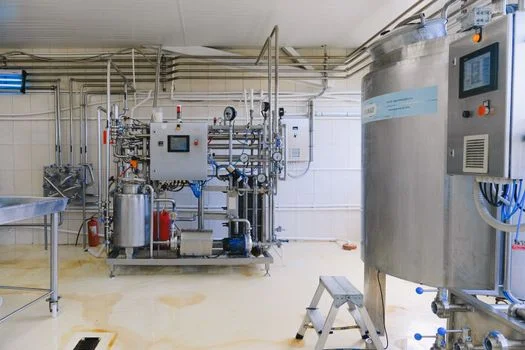
Accurate characterization is the first design gate before technology selection. Grab samples cover pH and temperature; 24-hour composites capture diurnal BOD, TSS, FOG, and nutrients. Budget $2,000–$5,000 for accredited lab work before locking reactor volumes.
Residential streams typically show:
- BOD: 150–350 mg/L
- TSS: 100–250 mg/L
- FOG: typically <50 mg/L (EPA 2024 data for domestic sewage)
- Nutrients: often 20–70 mg/L total nitrogen and 4–12 mg/L total phosphorus
Industrial park streams run harder:
- COD: 500–2,000 mg/L, sometimes above 5,000 mg/L for food processing pads
- Heavy metals (Cu, Zn, Pb): 0.5–5 mg/L where plating or machining tenants exist
- pH: 5–11, so neutralization is often mandatory
- Specific organics: solvents, phenols, or process chemicals tied to tenant mix
Resort flows can spike 300% in peak months. Design modular sewage trains for 2x–3x average daily flow so compliance holds at full occupancy. Compare every lab value to the draft discharge limit and to the influent envelope of the shortlisted process.
| Parameter | Residential Wastewater (Typical Range) | Industrial Park Wastewater (Typical Range) |
|---|---|---|
| BOD | 150–350 mg/L | 100–1,000 mg/L (variable) |
| COD | 250–700 mg/L | 500–5,000+ mg/L |
| TSS | 100–250 mg/L | 100–1,000 mg/L (variable) |
| FOG | <50 mg/L | 50–500+ mg/L (industry-specific) |
| pH | 6.5–8.0 | 5–11 (highly variable) |
| Heavy Metals | <0.1 mg/L | 0.5–5 mg/L (present in some industries) |
Treatment Technology Options for Modular Plants
Modular trains—especially MBBR and MBR—give developers scalable capacity with footprints far smaller than conventional activated sludge. Technology choice for developer wastewater follows influent strength, reuse goals, plot size, and budget—not brochure labels.
Moving Bed Biofilm Reactor (MBBR)
- Process: Plastic carriers with high specific surface area support biofilm in an aerated or anoxic reactor.
- Performance: 90–95% BOD removal and 80–90% TSS removal under normal domestic loads.
- Hydraulic Retention Time (HRT): typically 1–4 hours for biological treatment at design temperature.
- Footprint: 0.5–2 m² per m³/day of treatment capacity.
- Pros: Tolerates load swings, compact, low operator intensity.
- Cons: Needs secondary clarification; may need tertiary filtration for tight TSS limits.
- Use case: Residential phases and light industrial pads that only need secondary effluent.
Dissolved Air Flotation (DAF)
- Process: Microbubbles float FOG and fine solids for skimming before biology.
- Performance: 95–99% TSS and FOG removal when chemistry is tuned.
- Retention time: 15–30 minutes in the flotation cell.
- CAPEX: $50,000–$150,000 for 50–200 m³/day packages (HydropureWater analysis, 2026).
- Pros: Fast, compact pre-treatment for greasy or high-TSS feeds.
- Cons: Produces sludge that needs dewatering; uses coagulants and flocculants.
- Use case: Food, metalworking, or hospitality tenants inside parks. High-efficiency DAF systems for FOG and TSS removal protect downstream MBBR or MBR biology.
Membrane Bioreactor (MBR)
- Process: Activated sludge plus microfiltration or ultrafiltration for solids separation.
- Performance: >99% pathogen removal with effluent often <10 mg/L TSS and <5 mg/L BOD.
- HRT: 4–8 hours for biological treatment at municipal-strength feed.
- Pros: Reuse-ready water, small footprint, no secondary clarifier.
- Cons: Higher CAPEX and OPEX from membranes and scour air; needs fine screening or DAF upstream.
- Use case: Master-planned communities and resorts aiming for reuse or tighter discharge. Deploy modular MBR systems for on-site effluent reuse when irrigation or indoor non-potable loops are in the brief.
Sequencing Batch Reactor (SBR)
- Process: Fill–aerate–settle–decant cycles in one tank on a timed schedule.
- Performance: about 90% BOD removal on predictable domestic loads.
- Cycle time: typically 6–12 hours per batch.
- Pros: Lower CAPEX at small scale, simple hydraulics.
- Cons: Less flexible on highly variable flows; larger footprint than MBBR/MBR at equal capacity.
- Use case: Smaller residential schemes with stable occupancy.
Hybrid trains for reuse or near-zero liquid discharge
When parks host wet industries or reuse is mandatory, a common sequence is:
Influent → Fine Screening → DAF → MBBR → MBR → Disinfection → Water Reuse/Discharge
DAF strips bulk FOG and solids, MBBR handles biological load, and MBR polishes to near-reuse quality. For complex rinse-type industrial pads, see also hybrid DAF-RO-MB systems for industrial rinse streams.
| Technology | Primary Removal | BOD Removal Efficiency | Typical HRT | Footprint per m³/day | Key Advantage | Ideal Use Case |
|---|---|---|---|---|---|---|
| MBBR | BOD, TSS | 90–95% | 1–4 hours | 0.5–2 m² | Compact, robust, scalable | Residential, light industrial |
| DAF | TSS, FOG | N/A (pre-treatment) | 15–30 minutes | 0.1–0.5 m² | High TSS/FOG removal | Industrial pre-treatment (food, metal) |
| MBR | BOD, TSS, Pathogens | >99% | 4–8 hours | 0.3–1 m² | Effluent for reuse, compact | Resorts, zero-discharge, high-density residential |
| SBR | BOD, TSS | ~90% | 6–12 hours (cycle) | 1.5–3 m² | Lower CAPEX (small scale) | Smaller residential, schools |
What limits semiconductor ZLD reclaim at scale?
Semiconductor zero liquid discharge reclaim is limited by silica, fluoride, and organic spikes that foul RO and evaporators when fab tenants sit inside a developer industrial park. Mixed-park sewers dilute specialty chemistries but also create unpredictable COD and conductivity swings. Most plants we size for mixed parks keep fab drains segregated, polish with UF–RO, and only then feed a brine concentrator. Scaling recovery past about 85–95% reclaim usually fails first on silica saturation and antiscalant cost, not on biological BOD.
How do data centers run zero-discharge condensate RO?
Data center zero-discharge condensate RO systems reclaim cooling-tower blowdown and AHU condensate by softening, RO, and brine management instead of dumping volume into the park sewer. Condensate is low in organics but can carry metals and biocides that upset shared biology if untreated. Route condensate to a dedicated RO skid, return permeate to makeup, and send only equalized brine to the central plant so the municipal-style train stays stable.
Electronic panel and display lines add organic solvents in rinse water that need DAF or assisted clarification before any shared biological step. When a park brief includes panel fabrication, size organic pre-treatment and keep a tenant ZLD package rather than forcing every drop through the housing-grade MBBR.
Regulatory Compliance: Permits and Discharge Standards
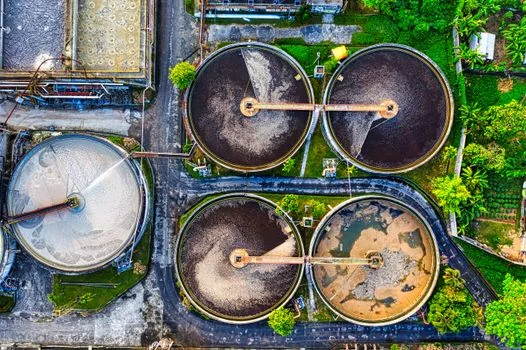
Permit pathways differ across U.S. EPA NPDES rules, the EU Urban Waste Water Treatment Directive, and Ireland’s Developer-Led Wastewater registration route. Missing a nutrient limit or disinfection rule still stops sales even when civil works are finished.
In the United States, point-source discharges to Waters of the U.S. fall under NPDES, administered by EPA or delegated states. Major permits are often associated with flows exceeding 1 MGD, while smaller systems still need state or EPA authorization. According to 40 CFR 133.102, secondary treatment baselines remain a 30-day average BOD5 and TSS not exceeding 30 mg/L, with pH held between 6.0 and 9.0 (earlier project notes sometimes labeled these “EPA 2025 guidelines”; the codified values are unchanged). Typical permit language also includes:
- BOD: <30 mg/L (monthly average)
- TSS: <30 mg/L (monthly average)
- pH: 6–9 standard units
- Nutrients: often <10 mg/L total nitrogen and <1 mg/L total phosphorus on sensitive waters
The EU Urban Waste Water Treatment Directive (91/271/EEC) requires secondary treatment for agglomerations above 2,000 population equivalent (PE). Discharges to sensitive areas also need tertiary nutrient removal. Member-state law can tighten those floors.
According to Ireland’s Department of Housing (March 2026), the Developer-Led Wastewater Services Infrastructure initiative is now in force with Uisce Éireann and the EPA. Developments of up to 40 homes or 150 PE can use streamlined registration under General Binding Rules instead of site-specific licences. Projects above that threshold follow standard EPA environmental authorization. The Irish EPA confirms registration under the European Union (Water Policy) (Small Wastewater Discharge Register) Regulations 2026 (S.I. 65 of 2026).
Local reuse rules go further. California Title 22 calls for advanced filtration and disinfection (including multi-log virus reduction targets) for many non-potable irrigation uses. Florida often requires about 90% TSS removal for surface discharges. Pre-application work should include hydraulic modeling, environmental assessment, and an expansion narrative in the first permit. Common misses include nutrient limits, disinfection for mixed-use medical pads (see disinfection requirements for medical wastewater in mixed-use developments), and understated future PE. For broader international permitting patterns, compare notes in regulatory compliance for developer projects in Africa.
| Regulatory Body/Directive | Primary Scope | Key Requirements/Limits (Typical) | Thresholds/Applicability |
|---|---|---|---|
| U.S. EPA NPDES | Point source discharges to Waters of the U.S. | BOD <30 mg/L, TSS <30 mg/L, pH 6–9 | All discharges, often >1 MGD for major permits |
| EU Urban Waste Water Directive (91/271/EEC) | Urban wastewater collection & treatment | Secondary treatment (BOD, COD, TSS removal); Tertiary for sensitive areas | Agglomerations >2,000 PE |
| Ireland's Developer-Led Initiative | Developer-led wastewater infrastructure | General Binding Rules (simplified registration) | Developments <40 homes or <150 PE |
| California Title 22 | Water Reuse Standards | 12-log virus reduction, specific turbidity/TSS for reuse | All projects intending for water reuse (e.g., irrigation) |
Cost Breakdown: CAPEX, OPEX, and ROI
Modular on-site plants typically cost $80–$200 per m³/day in CAPEX, with ROI driven by faster approvals and reuse savings. Model both capital and operating lines before choosing MBBR versus MBR.
Capital expenditure (CAPEX)
- MBBR: $80–$150 per m³/day. A 100 m³/day plant often lands at $80,000–$150,000 including civil, equipment, and install (HydropureWater analysis, 2026).
- MBR: $150–$200 per m³/day. A 100 m³/day membrane plant often costs $150,000–$200,000.
- DAF pre-treatment: $50,000–$150,000 for 50–200 m³/day units, depending on materials and automation.
- Sewer alternative: centralized connections at $150–$400 per linear foot quickly exceed on-site CAPEX on long laterals.
Operating expenditure (OPEX) is usually tracked as $/m³ treated:
- MBBR: $0.15–$0.30 per m³ (aeration energy, light chemicals, sludge haul).
- MBR: $0.25–$0.50 per m³ (membrane scour, cleaning chemicals, higher power).
- DAF add-on: $0.10–$0.20 per m³ for coagulants plus sludge disposal at about $30–$50 per ton dewatered cake.
ROI drivers
- Faster approvals: cutting 6–12 months of municipal wait time pulls revenue forward.
- Water reuse: irrigation with MBR effluent can save $0.50–$2.00/m³ versus potable makeup. A 200-unit subdivision in Arizona saved $350,000 over 5 years at $1.20/m³ avoided municipal water (HydropureWater case study, 2025).
- Avoided municipal fees: connection charges and ongoing sewerage at $0.20–$0.80/m³ disappear with a compliant on-site plant.
- Phased modules: add 50 or 100 m³/day blocks as pads sell, instead of overbuilding year one.
| Cost Category | Modular MBBR (100 m³/day) | Modular MBR (100 m³/day) | Centralized Sewer Connection (Alternative) |
|---|---|---|---|
| CAPEX (Plant/Connection) | $80,000 – $150,000 | $150,000 – $200,000 | $150–$400 per linear foot |
| OPEX (per m³ treated) | $0.15 – $0.30 | $0.25 – $0.50 | $0.20 – $0.80 (municipal fees) |
| Annual ROI Potential (e.g., 200 units) | Accelerated project revenue, avoided fees | Water reuse savings ($30K-$120K/yr) | N/A (cost, not saving) |
Step-by-Step Design Checklist for On-Site Plants
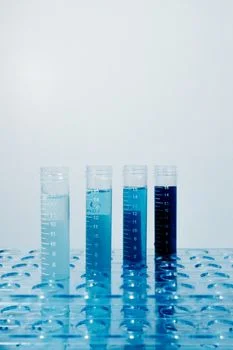
On-site plant design starts with characterization, then technology matching, peak sizing, modular phasing, redundancy, and sludge handling. Skip any step and the first wet season usually exposes it.
- Characterize the stream.
- Run multi-day 24-hour composites (and seasonal sets for resorts) for BOD, TSS, FOG, pH, nutrients, and metals if tenants warrant it.
- Budget $2,000–$5,000 for lab work before freezing tank volumes.
- Match technology to goals.
- Use the technology table above against influent and effluent targets.
- High-FOG industrial pads need a high-efficiency DAF system for FOG and TSS removal ahead of MBBR. Reuse goals push the design toward MBR.
- Size for peak flow.
- Resorts: 2x–3x average daily flow. Residential: about 1.5x is common.
- Leave headroom for later phases so the first permit does not block expansion.
- Buy modular increments.
- Standard 50 m³/day or 100 m³/day blocks align CAPEX with sales velocity.
- Design redundancy and bypass.
- Keep at least 20% spare capacity or a parallel train for maintenance and spikes.
- Provide bypass around critical units so service does not shut the whole plant.
- Plan sludge handling.
- Every biological train makes sludge that needs thickening and dewatering.
- A plate and frame filter press for sludge dewatering cuts haul volume; disposal often runs $30–$50 per ton of dewatered cake. Pair it with automatic chemical dosing for stable cake solids.
Selection checklist (keep this on the RFQ):
- Peak/average flow ratio locked with seasonal data
- FOG and kitchen load quantified, not assumed
- Discharge vs reuse quality written into the process guarantee
- Permit pathway (NPDES, EU UWWTD, or Irish GBR registration) named
- Sludge route and disposal cost in the OPEX model
- Operator skill level matched to automation package
- Tenant segregation plan if fabs, data halls, or panel lines are expected
Common mistakes: underestimating FOG from commercial kitchens; sizing resorts on average occupancy; skipping operator training on “fully automatic” packages.
Who This Is For and Next Step
Who this is for: EPC teams, developer technical directors, and procurement managers specifying modular plants for housing, mixed parks, or resorts that cannot wait on municipal capacity.
Who should look elsewhere: single-home septic buyers, or fabs that need dedicated UPW/ZLD islands with no shared park sewer—those scopes need specialty semiconductor packages, not a municipal-style modular train.
If you already have flow data and a draft discharge limit, request a sizing pass against MBBR, DAF, and MBR options via our project inquiry form so CAPEX and footprint can be compared on the same basis.
Frequently Asked Questions
What’s the smallest modular system for a 20-home development?
A 10 m³/day modular MBBR train usually fits a 20-home scheme at about 0.5 m³/day per home. Footprint is often near 2 m × 3 m for the packaged reactors, and the train can meet secondary baselines of BOD <30 mg/L and TSS <30 mg/L. CAPEX commonly sits at $50,000–$80,000 with OPEX near $0.20/m³ when sludge haul is local. Confirm peak factor and kitchen load before freezing the module count.
How much does on-site treatment cost per m³?
OPEX for modular on-site treatment is typically $0.15–$0.30 per m³ on MBBR and $0.25–$0.50 per m³ on MBR. The spread comes from aeration intensity, membrane cleaning chemicals, and sludge disposal distance. Add $0.10–$0.20 per m³ if a DAF stage runs continuously on greasy industrial pads. Always quote OPEX at the design peak month, not the annual average alone.
What are the main U.S. regulatory hurdles for these plants?
The main U.S. hurdle is securing an NPDES permit or state equivalent for any surface discharge, with BOD, TSS, pH, and often nutrient limits written into the permit. Local health and zoning approvals still apply for decentralized plants near residential lots. Sensitive watersheds can push total nitrogen below 10 mg/L and phosphorus below 1 mg/L, which forces anoxic zones or chemical precipitation into the first design.
Can treated effluent be reused for irrigation?
Yes—MBR effluent with <10 mg/L TSS and >99% pathogen removal often meets state non-potable reuse rules such as California Title 22 for turf and garden irrigation when disinfection is included. Savings of $0.50–$2.00/m³ versus potable makeup are realistic where water tariffs are high. Always match turbidity, virus log-reduction, and storage rules in the reuse permit, not only BOD and TSS.
What’s the difference between MBBR and MBR for these sites?
MBBR uses biofilm carriers for 90–95% BOD removal and a compact footprint suited to secondary discharge. MBR couples biology with membranes to deliver <10 mg/L TSS and reuse-ready water, at higher CAPEX ($150–$200 per m³/day) and OPEX. Choose MBBR when the permit is secondary-only; choose MBR when irrigation reuse or very tight TSS drives the brief.