Ipoh’s Industrial Wastewater Crisis: Why Factories Are Failing Compliance in 2025
Ipoh factories are facing a critical juncture in 2025 as the Perak Department of Environment (DOE) intensifies its enforcement of industrial wastewater discharge standards. Recent data from the Perak DOE Annual Report 2024 reveals a stark reality: 42% of Ipoh factories failed their effluent tests in Q1 2025. The primary culprits are consistently high levels of Chemical Oxygen Demand (COD), Biochemical Oxygen Demand (BOD₅), and Total Suspended Solids (TSS), with COD exceeding limits in 68% of non-compliant cases, BOD₅ in 52%, and TSS in 35%. These violations are strongly linked to the effluents generated by Ipoh’s key manufacturing sectors: food processing, electronics, and metalworking.
The financial repercussions of non-compliance are substantial. Factories found to be exceeding discharge limits face fines ranging from RM50,000 to RM500,000 per violation under Section 25 of the Environmental Quality Act 1974. Beyond monetary penalties, the DOE can mandate production halts for repeat offenders, a measure that can cripple operations. For instance, a Jelapang electronics plant was fined RM380,000 in 2024 for discharging nickel at 1.2 mg/L, significantly exceeding the permitted limit of 0.1 mg/L. This escalating enforcement underscores the urgent need for robust and compliant wastewater treatment solutions.
Ipoh’s diverse industrial landscape presents unique effluent challenges. Food processing facilities, including those involved in palm oil, dairy, and beverage production, often struggle with high concentrations of fats, oils, and grease (FOG), alongside high BOD₅ and COD. Metalworking industries, such as those in the Menglembu industrial zone, contend with heavy metals (like nickel, copper, and zinc) and high Total Dissolved Solids (TDS). The electronics manufacturing sector, prevalent in areas like Jelapang, generates wastewater containing complex chemical compounds, heavy metals, and high TDS, demanding advanced treatment capabilities to meet stringent regulations.
Perak DOE’s 2025 Industrial Wastewater Discharge Limits: What Ipoh Factories Must Achieve
To navigate the compliance landscape effectively, Ipoh factories must be intimately familiar with the Perak DOE's 2025 industrial wastewater discharge limits. These benchmarks are critical for designing and operating effective treatment systems. Notably, the 2025 standards represent a significant tightening from previous years, particularly for COD and key heavy metals. The general industry COD limit has been reduced from 100 mg/L to 50 mg/L, and the permissible nickel discharge has been halved from 0.5 mg/L to 0.1 mg/L, as stipulated in the Perak DOE Gazette 2024.
Meeting these limits requires adherence to specific sampling and reporting protocols outlined in the Perak DOE Compliance Manual 2025, Section 4.2. Factories are mandated to collect 24-hour composite samples for analysis and submit quarterly reports. The DOE also conducts surprise inspections to ensure ongoing compliance. Exceeding any of these stipulated limits can trigger severe consequences, including substantial fines (RM50,000–RM500,000), mandatory production stoppages, and directives for immediate system upgrades. factories located in environmentally sensitive zones, such as those near the Kinta River in Menglembu and Jelapang, may be subject to even stricter, site-specific discharge limits as indicated on the Perak DOE 2024 zoning map.
Below is a summary of the key Perak DOE 2025 discharge limits. It is imperative for factory engineers and EHS managers to consult the latest official DOE gazettes for definitive sector-specific variations and updates.
| Parameter | General Industry Limit (mg/L) | Food Processing Limit (mg/L) | Electronics Manufacturing Limit (mg/L) | Sampling & Notes |
|---|---|---|---|---|
| COD | 50 | 100 | 75 | 24-hr composite sample |
| BOD₅ | 30 | 50 | 40 | 24-hr composite sample |
| TSS | 10 | 20 | 15 | 24-hr composite sample |
| pH | 6.0 – 9.0 | 6.0 – 9.0 | 6.0 – 9.0 | Spot sample |
| FOG (Fats, Oils, Grease) | 10 | 50 | 15 | Grab sample |
| Ammonia (as N) | 5 | 10 | 8 | 24-hr composite sample |
| Nickel (Ni) | 0.1 | 0.5 | 0.1 | Grab sample (specific to metalworking and electronics) |
| Copper (Cu) | 0.5 | 1.0 | 0.3 | Grab sample (specific to metalworking and electronics) |
| Zinc (Zn) | 1.0 | 2.0 | 0.8 | Grab sample (specific to metalworking and electronics) |
DAF vs MBR vs A/O: Which Wastewater Treatment Technology Fits Your Ipoh Factory?
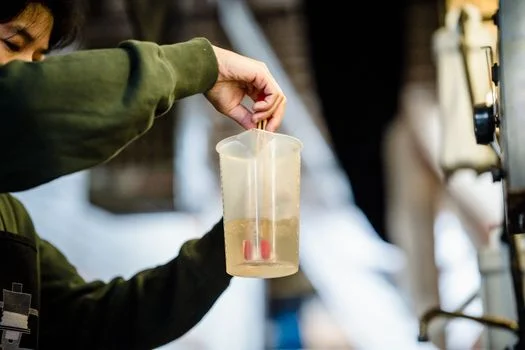
Selecting the appropriate wastewater treatment technology is paramount for achieving consistent compliance and cost-efficiency in Ipoh’s industrial settings. Three prominent technologies—Dissolved Air Flotation (DAF), Membrane Bioreactor (MBR), and Anaerobic/Oxic (A/O) systems—offer distinct advantages and limitations, making a comparative analysis essential for informed decision-making. Each technology is suited to different effluent characteristics and regulatory demands.
DAF systems excel in removing suspended solids and FOG. They are particularly effective for the high-organic load and FOG-rich effluents typical of food processing plants. With removal rates for TSS and FOG often reaching 92–97%, DAF systems provide a robust pre-treatment solution. Their capital expenditure (CAPEX) typically ranges from RM1.2 million to RM3.5 million, with operational expenditure (OPEX) between RM8–RM15 per cubic meter, based on Industrial Wastewater Engineers (IWE) 2024 data. MBR systems, on the other hand, are renowned for their ability to produce exceptionally high-quality effluent, consistently achieving less than 10 mg/L of TSS. This makes them ideal for industries requiring near-zero discharge or stringent heavy metal removal, such as electronics manufacturing. The CAPEX for MBR systems can range from RM3.2 million to RM4.8 million, with OPEX at RM18–RM22 per cubic meter, according to HydropureWater's 2024 specifications. A/O systems, while offering the lowest CAPEX, typically between RM800,000 and RM2.5 million, are less effective for complex pollutants. They primarily target BOD₅ and TSS removal (85–90%) and are generally unsuitable for effluents containing significant levels of heavy metals or FOG, as per Perak DOE 2024 technical guidelines.
A compelling case study from Ipoh illustrates the impact of technology choice: a local metalworking plant upgraded from a conventional A/O system to a DAF-MBR hybrid. This transition dramatically reduced their COD levels from 220 mg/L to a compliant 35 mg/L and, crucially, cut their sludge disposal costs by 40%, demonstrating the long-term economic benefits of a tailored technological approach. For companies seeking advanced treatment for specific pollutants like heavy metals, integrating a high-efficiency DAF system for initial FOG and solids removal, followed by a robust /product/2-mbr-integrated-wastewater-treatment.html for polishing, can offer a comprehensive solution. Similarly, for handling challenging metal concentrations, exploring solutions like our /product/4-dissolved-air-flotation-daf-machine.html alongside appropriate post-treatment is advisable.
| Parameter | Dissolved Air Flotation (DAF) | Membrane Bioreactor (MBR) | Anaerobic/Oxic (A/O) |
|---|---|---|---|
| Influent Load Range | Moderate to High TSS & FOG | Wide range, excels with high organic loads | Moderate BOD₅ & TSS |
| COD Removal (%) | 70-90% | 90-98% | 85-90% |
| BOD₅ Removal (%) | 60-80% | 95-99% | 85-90% |
| TSS Removal (%) | 92-97% | 99%+ (<10 mg/L) | 85-90% |
| Footprint | Moderate | Compact | Large |
| Energy Use | Moderate | High (due to aeration & pumping) | Moderate |
| Sludge Production | Moderate | Low to Moderate | High |
| CAPEX (RM) | 1.2M - 3.5M | 3.2M - 4.8M | 0.8M - 2.5M |
| OPEX (RM/m³) | 8 - 15 | 18 - 22 | 6 - 12 |
| Maintenance Complexity | Moderate | High (membrane cleaning/replacement) | Moderate |
| Industry Suitability | Food Processing, Palm Oil, Dairy | Electronics, Pharma, High-Purity Needs | General Industry, Low-Pollutant Loads |
Ipoh Wastewater Treatment Plant Costs 2025: CAPEX, OPEX & Tech-Specific Breakdown
Understanding the financial investment required for industrial wastewater treatment plants (WWTPs) in Ipoh is crucial for accurate budgeting and procurement. This involves a detailed breakdown of both Capital Expenditure (CAPEX) and Operational Expenditure (OPEX), tailored to different treatment technologies and plant capacities. CAPEX encompasses the initial costs of equipment, civil works, permits, and installation, while OPEX covers ongoing expenses such as energy, chemicals, labor, sludge disposal, and maintenance.
For a 100 m³/h DAF system in Ipoh, the estimated CAPEX can range around RM2.1 million. This figure includes the DAF unit itself, necessary civil works for tank construction and pipe laying, electrical installations, and initial commissioning. OPEX for such a system typically averages RM12 per cubic meter, leading to an annual operational cost of approximately RM438,000, assuming continuous operation. This OPEX is influenced by factors like energy consumption for pumps and blowers, chemical costs for coagulation and flocculation, and labor for system monitoring and maintenance. Sludge disposal costs, which can be substantial, also form a significant part of OPEX. For instance, a DAF system might generate 1-2% of the treated volume as sludge, requiring regular removal and disposal according to environmental regulations.
Return on Investment (ROI) can be significantly impacted by avoided compliance fines and reduced sludge disposal costs. A DAF system, while having a moderate CAPEX, can offer a quicker payback period compared to a higher-CAPEX MBR system if the primary goal is to meet basic COD and TSS limits and manage FOG. However, for industries aiming for zero-discharge or extremely low pollutant levels, an MBR system, despite its higher initial investment and OPEX, might prove more cost-effective in the long run by eliminating the risk of substantial fines and potentially enabling water reuse. Hidden costs, such as annual Perak DOE permit fees (RM5,000–RM20,000) and the expense of regular effluent testing (RM1,500–RM5,000 per sample), must also be factored into the total cost of ownership.
| Component | DAF System (50 m³/h) | DAF System (100 m³/h) | MBR System (50 m³/h) | MBR System (100 m³/h) |
|---|---|---|---|---|
| CAPEX Breakdown (Estimated Range) | ||||
| Equipment Cost | RM 600,000 - 1,500,000 | RM 1,200,000 - 2,500,000 | RM 1,800,000 - 3,000,000 | RM 3,200,000 - 4,800,000 |
| Civil Works & Installation | RM 400,000 - 800,000 | RM 600,000 - 1,200,000 | RM 500,000 - 1,000,000 | RM 800,000 - 1,500,000 |
| Permits & Commissioning | RM 100,000 - 200,000 | RM 150,000 - 300,000 | RM 200,000 - 400,000 | RM 300,000 - 500,000 |
| Total CAPEX | RM 1.1M - 2.5M | RM 1.95M - 4.0M | RM 2.5M - 4.4M | RM 4.3M - 6.8M |
| OPEX Breakdown (Estimated RM/m³ & Annual for 100 m³/h @ 300 days/yr) | ||||
| Energy | RM 4 - 7 | RM 5 - 9 | RM 7 - 12 | RM 8 - 14 |
| Chemicals | RM 2 - 4 | RM 3 - 5 | RM 2 - 3 | RM 2 - 3 |
| Labor & Maintenance | RM 1 - 2 | RM 1.5 - 3 | RM 3 - 5 | RM 3 - 5 |
| Sludge Disposal | RM 1 - 3 | RM 1.5 - 4 | RM 0.5 - 1.5 | RM 0.5 - 1.5 |
| Total OPEX (RM/m³) | RM 8 - 16 | RM 11 - 21 | RM 12.5 - 21.5 | RM 14 - 23.5 |
| Annual OPEX (100 m³/h) | RM 292,000 - 584,000 | RM 401,500 - 766,500 | RM 456,250 - 781,250 | RM 511,000 - 854,000 |
Zero-Risk Supplier Selection: How to Choose a Wastewater Treatment Partner in Ipoh
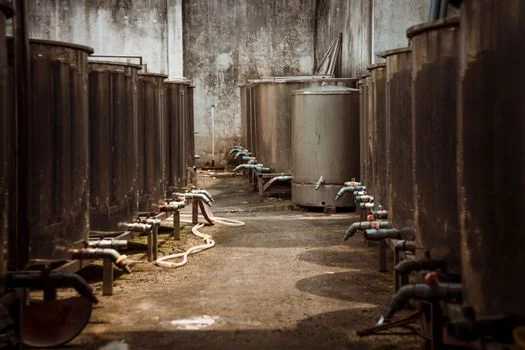
Selecting the right wastewater treatment equipment supplier is as critical as choosing the technology itself. For Ipoh factories, a zero-risk approach to supplier selection involves thorough due diligence, focusing on local presence, proven compliance records, and robust support guarantees. This process aims to mitigate potential issues that could lead to non-compliance fines, operational disruptions, or unexpected cost overruns.
When evaluating potential suppliers, a comprehensive checklist of questions is essential. Key inquiries should include: "Do you have Perak DOE-certified case studies for similar Ipoh industries?", "What is your average response time for technical support in the Ipoh region?", "Can you provide a performance guarantee for effluent parameters that meets or exceeds Perak DOE 2025 limits?", and "What is your local spare parts inventory and service team availability?". Red flags to watch out for include suppliers with no Malaysian case studies, vague or absent performance guarantees, a lack of a dedicated local service team, or an unwillingness to provide verifiable client references. It's also vital to look for suppliers who offer performance-based contracts, where their payment or system upgrade is contingent on achieving guaranteed effluent quality, such as ensuring COD consistently remains below 50 mg/L. For Ipoh factories, particularly those in industrial zones like Jelapang or Menglembu, a supplier with a Perak-based service team capable of responding to critical issues within 4 hours and maintaining an adequate spare parts inventory within Malaysia is indispensable.
A successful Ipoh food processing plant recently avoided RM250,000 in potential fines by partnering with a supplier offering 24/7 local support and a strong compliance guarantee. This underscores the value of a reliable partner who understands local regulations and can provide immediate assistance. For industries dealing with complex pollutants, ensuring the chosen supplier can provide integrated solutions, perhaps combining a high-efficiency /product/4-dissolved-air-flotation-daf-machine.html with advanced tertiary treatment, is key. For electronics manufacturers facing stringent heavy metal limits, a supplier specializing in /product/2-mbr-integrated-wastewater-treatment.html technology and offering tailored solutions for specific contaminants, such as nickel wastewater treatment specs for Ipoh electronics plants, will be invaluable.
Frequently Asked Questions
What are the Perak DOE’s 2025 discharge limits for industrial wastewater in Ipoh?
The key Perak DOE 2025 discharge limits for Ipoh include COD ≤50 mg/L, BOD₅ ≤30 mg/L, TSS ≤10 mg/L, pH between 6–9, and heavy metals generally ≤0.1–1.0 mg/L, with specific limits varying by parameter and industry sector (Perak DOE Gazette 2024).
How much does an industrial wastewater treatment plant cost in Ipoh?
CAPEX for industrial WWTPs in Ipoh typically ranges from RM1.2 million for a basic DAF system to RM4.8 million for an advanced MBR-RO system capable of zero-discharge. OPEX averages between RM8–RM22 per cubic meter treated, depending on the technology and flow rate (HydropureWater 2025 cost model).
What’s the best wastewater treatment technology for food processing plants in Ipoh?
DAF systems are highly recommended for food processing plants in Ipoh due to their effectiveness in removing 92–97% of TSS and FOG. They are well-suited for treating effluents from palm oil mills, dairy farms, and beverage manufacturers (IWE 2024 data).
Can I discharge treated industrial wastewater into the Kinta River?
No, direct discharge of treated industrial wastewater into the Kinta River or any other water body is not permitted without obtaining a specific Perak DOE discharge permit. All treated effluent must meet the stipulated Perak DOE effluent limits before discharge, as mandated by Section 25 of the Environmental Quality Act 1974.
What happens if my factory fails a Perak DOE effluent test?
Failure to meet Perak DOE effluent standards can result in significant fines, ranging from RM50,000 to RM500,000. Repeat offenders or those with severe violations may also face production halts or be mandated by the DOE to implement specific system upgrades (Perak DOE Compliance Manual 2025).
Related Equipment
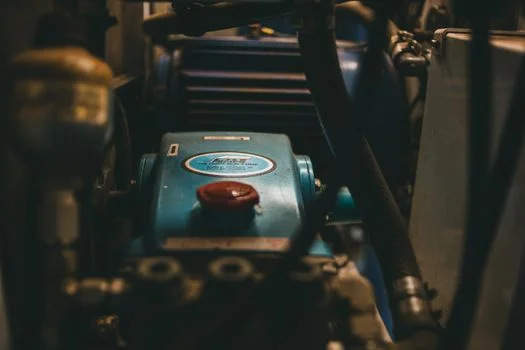
The following HydropureWater products are engineered for the wastewater challenges discussed above:
- PLC-controlled chemical dosing for Perak DOE compliance — view specifications, capacity range, and technical data
Need a customized solution? Request a free quote with your specific flow rate and pollutant parameters.