Industrial wastewater treatment in Glasgow requires systems that meet SEPA’s strict discharge limits (e.g., 20 mg/L BOD, 30 mg/L TSS, 1 mg/L total metals) while handling high-flow effluents (1–5,000 m³/day) from food processing, metal finishing, and textile plants. Costs range from £10,000 for small DAF units to £300,000+ for MBR systems, with OPEX adding £5–£20/m³ treated. This guide provides Glasgow-specific engineering specs, tech comparisons, and a zero-risk compliance checklist to help facilities select systems that avoid SEPA penalties (up to £50,000 for non-compliance).
Why Glasgow’s Industrial Wastewater Treatment Needs Are Unique
The concentration of food processing, metal finishing, and textile manufacturing in Glasgow generates industrial effluents that require specific engineering interventions to meet SEPA’s 2025 standards. Unlike other UK regions, Glasgow’s industrial sectors produce high concentrations of Fats, Oils, and Grease (FOG), heavy metals such as Chromium and Zinc, and complex synthetic dyes. These contaminants necessitate specialized treatment mechanisms beyond standard municipal sewage processing.
SEPA’s 2025 Glasgow discharge limits are increasingly stringent, often requiring Biochemical Oxygen Demand (BOD) levels of ≤20 mg/L and Total Suspended Solids (TSS) of ≤30 mg/L. These benchmarks are significantly lower than UK national averages, forcing facility managers to move away from basic primary settlement toward advanced biological and physical-chemical systems. For instance, a Glasgow food processor was fined £35,000 in 2024 for repeated FOG exceedances, a scenario that could have been avoided with a correctly sized Dissolved Air Flotation (DAF) system.
Glasgow’s aging sewer infrastructure and the prevalence of combined sewer overflows (CSOs) mean that Scottish Water often imposes strict volumetric limits on industrial discharges. Facilities that fail to manage their flow rates (ranging from 1 to 5,000 m³/day) risk losing their discharge permits entirely. This infrastructure constraint makes on-site treatment not just a matter of compliance, but a necessity for operational continuity. When compared to how U.S. industrial plants handle similar compliance challenges, Glasgow facilities must prioritize compact, high-efficiency systems like MBR to fit within limited urban footprints.
Glasgow Industrial Wastewater: Contaminant Profiles and Treatment Challenges
Effluent profiles in Glasgow vary significantly by sector, with food processing facilities often exceeding 5,000 mg/L COD and metal finishers producing wastewater with total metal concentrations up to 500 mg/L. Engineers must design systems that can handle these extreme ranges while maintaining a stable pH, typically between 6.5 and 8.5, to meet SEPA requirements. The following table outlines the typical contaminant profiles found in Glasgow’s primary industrial sectors based on 2023-2024 sampling data.
| Industrial Sector | Primary Contaminants | Typical COD (mg/L) | Typical FOG/Metals | pH Range |
|---|---|---|---|---|
| Food Processing | Organics, FOG, TSS | 500–5,000 | 200–1,000 mg/L FOG | 4.0–10.0 |
| Metal Finishing | Cr, Ni, Zn, Cyanide | 100–1,000 | 10–500 mg/L Metals | 2.0–12.0 |
| Textile Manufacturing | Dyes, Surfactants | 1,000–10,000 | 10–100 mg/L Surfactants | 6.0–11.0 |
| Chemical Production | Solvents, VOCs | 2,000–15,000 | Variable | 3.0–9.0 |
One of the most persistent challenges for Glasgow engineers is the impact of cold temperatures on biological treatment processes. During winter months, traditional activated sludge systems can experience a significant drop in microbial activity, leading to BOD exceedances. This necessitates the use of insulated or underground systems, such as the WSZ series, to maintain a minimum process temperature of 10–15°C. Additionally, seasonal spikes in production—common in Glasgow’s food sector during holiday periods—can cause hydraulic surges that overwhelm undersized systems, highlighting the need for robust equalization tanks and variable-speed pumping.
Treatment Technologies for Glasgow’s Industrial Effluents: Engineering Specs and Performance Data
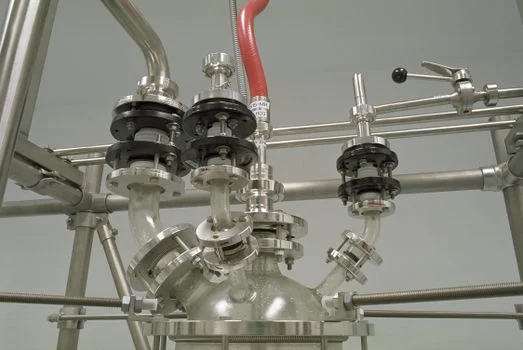
Selecting treatment technology for Glasgow-based facilities requires a comparison of removal efficiencies against SEPA’s 20 mg/L BOD and 30 mg/L TSS thresholds. For high-FOG environments like commercial bakeries or meat processing plants, Glasgow-optimized DAF systems for FOG and TSS removal are the standard, achieving up to 97% removal efficiency. These units utilize micro-bubbles to float particles to the surface for mechanical skimming, which is essential before any biological stage.
For facilities requiring high-quality effluent for reuse or direct discharge, MBR systems for high-BOD effluents in Glasgow’s textile and food industries offer the highest performance. MBR combines biological degradation with membrane filtration, effectively removing 98% of COD and 99% of TSS. In metal finishing, PLC-controlled chemical dosing for Glasgow’s metal finishing and pH adjustment needs is critical for precipitating heavy metals and neutralizing acidic or alkaline streams. The table below provides technical specifications for these common technologies.
| Technology Type | Removal Rates (COD/BOD/TSS) | Flow Rate Capacity | Energy Use (kWh/m³) | Ideal Application |
|---|---|---|---|---|
| DAF | 60% / 50% / 95% (FOG) | 1–500 m³/h | 0.2–0.5 | Food, Oil/Water |
| MBR (Integrated) | 98% / 99% / 99% | 10–2,000 m³/day | 0.8–1.5 | Textiles, High BOD |
| WSZ (A/O Bio) | 85% / 90% / 85% | 10–100 m³/h | 0.3–0.6 | General Industrial |
| Chemical Dosing | N/A (pH/Metal Ppt) | Variable | 0.1–0.3 | Metal Finishing |
Sludge management is the final technical hurdle. Glasgow’s sludge disposal costs have risen to £80–£150 per tonne, making volume reduction a priority for procurement leads. Utilizing sludge dewatering solutions for Glasgow’s industrial wastewater treatment plants, such as plate-and-frame filter presses, can produce a cake with 95% dry solids. This significantly reduces the frequency of waste haulage and lowers the total cost of ownership for the treatment facility. For more details on system selection, refer to this tech comparison for industrial wastewater treatment systems.
SEPA Compliance in Glasgow: Permit Requirements and Discharge Limits
SEPA’s 2025 Glasgow Industrial User Permits mandate a 30-day composite sampling period and a 6-to-12-week review process for all new or modified treatment systems. Compliance is not merely about meeting the numbers; it requires a documented management plan, including spill contingency and operator training records. Failure to comply can result in "Final Warning Letters" or civil penalties ranging from £5,000 to £50,000 for first-time offenders, with repeat violations potentially exceeding £100,000.
| Parameter | SEPA 2025 Limit (Glasgow) | Monitoring Frequency | Typical Compliance Penalty |
|---|---|---|---|
| BOD | ≤20 mg/L | Weekly (Composite) | £10,000+ |
| TSS | ≤30 mg/L | Weekly (Composite) | £5,000+ |
| Total Metals | ≤1 mg/L | Monthly | £25,000+ |
| FOG | ≤15 mg/L | Daily (Visual/Grab) | £15,000+ |
| pH | 6.5–8.5 | Continuous | £5,000+ |
The permit application process in Glasgow involves four distinct stages. First, the facility must conduct a comprehensive effluent characterization, testing for all potential contaminants over a 30-day period. Second, detailed engineering specs for the proposed treatment system—including flow rates, retention times, and expected removal rates—must be submitted. Third, a site-specific spill contingency plan must be developed to prevent untreated discharge during system failures. Finally, SEPA conducts a site inspection and review, which can take up to three months depending on the complexity of the discharge. Common pitfalls include failing to account for pH swings in metal finishing or neglecting dye residuals in textile effluents, both of which trigger immediate permit rejection.
Cost Breakdown: CAPEX and OPEX for Glasgow Industrial Wastewater Treatment
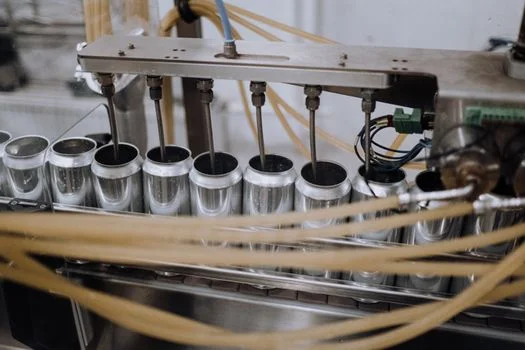
Capital expenditure (CAPEX) for industrial wastewater treatment in Glasgow ranges from £10,000 for modular DAF units to over £300,000 for integrated MBR systems. These figures include the cost of the primary equipment, PLC integration, and initial commissioning. However, procurement leads must also account for installation costs, which typically add 20–30% to the equipment price, depending on the complexity of the existing plumbing and electrical infrastructure.
Operational expenditure (OPEX) is the primary driver of the long-term budget, with costs in Glasgow typically falling between £5 and £20 per cubic meter of treated water. This is influenced by Glasgow’s current utility rates: electricity at approximately £0.18/kWh and water at £1.50/m³. Chemical costs for coagulation and flocculation add another £0.50–£2.00/m³, while sludge disposal remains the most volatile variable at £120 per tonne. Detailed detailed Glasgow wastewater treatment plant cost models provide a more granular look at these variables.
| System Type | CAPEX Range | OPEX (£/m³) | Annual Sludge Cost |
|---|---|---|---|
| Small DAF (5 m³/h) | £10k–£40k | £5–£8 | £2k–£5k |
| Medium MBR (50 m³/d) | £60k–£120k | £12–£18 | £8k–£12k |
| Hybrid DAF-MBR | £150k–£300k | £15–£22 | £15k–£25k |
ROI Case Study: A Glasgow food processor discharging 50 m³/day currently pays £35,000 annually in SEPA fines and high trade effluent surcharges. By installing a DAF system with a CAPEX of £30,000 and an OPEX of £8/m³ (£14,600/year), the facility eliminates fines and reduces surcharges by 60%. The total annual savings of approximately £24,000 results in a payback period of just 1.25 years. When factoring in the risk of a £50,000 major non-compliance fine, the ROI becomes even more compelling for risk-averse facility managers.
Step-by-Step Guide: Selecting the Right Wastewater Treatment System for Your Glasgow Facility
Selecting a wastewater treatment system for a Glasgow facility begins with a 30-day composite sampling of the raw effluent to establish a baseline for COD, BOD, and TSS. This data is essential for sizing the system and ensuring that the selected technology can handle peak loading events. Following characterization, the facility must compare these levels against the SEPA 2025 discharge limits to identify the specific "removal gaps" that the treatment system must bridge.
- Characterize Effluent: Test for COD, BOD, TSS, FOG, metals, and pH. Use a 30-day composite sample to capture production variability.
- Identify Gaps: Compare raw data to SEPA limits. For example, if FOG is 500 mg/L and the limit is 15 mg/L, a DAF system is mandatory.
- Match Technology: Select DAF for oils/fats, MBR for high organics, or chemical dosing for metals and pH.
- Size the System: Calculate required retention times (e.g., 2–4 hours for DAF, 6–12 hours for MBR) based on your maximum daily flow rate.
- Budget for Lifecycle Costs: Use the CAPEX and OPEX models provided above to estimate the 5-year total cost of ownership and payback period.
- Submit SEPA Permit: Compile your effluent data, system engineering specs, and contingency plans for the 6–12 week review period.
For more complex scenarios, such as facilities combining multiple waste streams, consulting a specialist is recommended to avoid over-engineering or undersizing components. Accurate sizing is particularly critical in Glasgow, where space is often at a premium and expansion costs are high. Following this framework ensures that the selected system provides long-term compliance without unnecessary capital waste.
Frequently Asked Questions
What are SEPA’s discharge limits for industrial wastewater in Glasgow?
As of 2025, the standard limits for industrial discharge into Glasgow’s sewers or water bodies include BOD ≤20 mg/L, TSS ≤30 mg/L, total metals ≤1 mg/L, and FOG ≤15 mg/L. The pH must be maintained between 6.5 and 8.5.
How much does an industrial wastewater treatment system cost in Glasgow?
CAPEX ranges from £10,000 for small DAF units to over £300,000 for large-scale MBR systems. OPEX typically ranges from £5 to £20 per cubic meter treated, depending on energy, chemicals, and sludge disposal costs.
What’s the best treatment system for food processing wastewater in Glasgow?
Dissolved Air Flotation (DAF) is generally the most effective primary treatment for food processing, as it removes up to 97% of FOG and a significant portion of TSS, which are the primary contaminants in this sector.
How long does it take to get a SEPA permit for industrial discharge in Glasgow?
The typical timeline is 6 to 12 weeks. This includes a 30-day sampling period, submission of engineering specs, and a formal review process by SEPA officers.
What are the penalties for non-compliance with SEPA wastewater regulations in Glasgow?
Fines for first-time offenses range from £5,000 to £50,000. Serious or repeat violations can lead to fines exceeding £100,000 and the potential revocation of the facility’s discharge permit.