Why Glasgow’s Wastewater Treatment Costs Differ from Global Benchmarks
In Glasgow, a 1 million gallon per day (MGD) industrial wastewater treatment plant costs £3M–£12M in CAPEX, with annual OPEX ranging from £200K–£1.2M depending on technology and compliance requirements. Scottish Water’s stringent discharge limits (e.g., COD <125 mg/L, ammonia <5 mg/L) drive higher costs than U.S. benchmarks, particularly for advanced systems like MBR or DAF. This guide breaks down Glasgow-specific cost drivers, tech trade-offs, and regulatory impacts to help buyers budget accurately.
Several factors contribute to the unique cost landscape for wastewater treatment plants in Glasgow, differentiating them from global averages. Scottish Water's regulatory framework imposes some of the strictest discharge limits in the UK, necessitating advanced treatment technologies. For instance, limits for ammonia are set at <5 mg/L and phosphorus at <2 mg/L, significantly more stringent than many U.S. EPA standards. Meeting these requires robust nitrification/denitrification processes or advanced nutrient removal, often translating to higher capital expenditure (CAPEX) and operational expenditure (OPEX). This regulatory trajectory means that what might be considered a standard treatment train elsewhere could be insufficient in Scotland.
Glasgow's local economic conditions play a vital role. Skilled labor rates for trades such as pipefitters, electricians, and mechanical technicians typically range from £35–£50 per hour, representing a 15–20% increase compared to average U.S. rates. This directly impacts installation costs, ongoing maintenance, and operator salaries. Energy costs in Scotland also present a notable difference, averaging around £0.18 per kWh, compared to approximately £0.12 per kWh in many parts of the United States. This higher energy price makes the selection of energy-efficient technologies a critical factor in long-term operational cost management.
The scale of municipal projects also provides a benchmark. The Dalmuir Wastewater Treatment Works, serving over 650,000 population equivalents (PE) with a CAPEX exceeding £100M, illustrates the significant investment required for large-scale municipal infrastructure. While industrial buyers may not require such vast capacity, the underlying cost drivers of advanced treatment and stringent compliance are common. Industrial facilities often face more variable and concentrated pollutant loads, demanding tailored solutions that can sometimes incur higher per-unit costs than generalized municipal treatment.
| Factor | Glasgow Benchmark | U.S. Average (Approx.) | Impact on WWTP Costs |
|---|---|---|---|
| Ammonia Discharge Limit | < 5 mg/L (Scottish Water) | ~10-20 mg/L (EPA) | Requires advanced nitrification/denitrification, increasing CAPEX and OPEX. |
| Skilled Labor Rate | £35 - £50/hour | $40 - $55/hour (approx. £32 - £43/hour) | Higher installation and O&M costs for Glasgow projects. |
| Electricity Cost | £0.18/kWh | £0.12/kWh (approx.) | Increases operational costs, favouring energy-efficient technologies. |
| Large Municipal Plant Scale (Dalmuir) | 650,000 PE, >£100M CAPEX | N/A (Country-specific) | Sets a high-end benchmark for infrastructure investment. |
Glasgow-Specific CAPEX Breakdown: From Small Industrial Plants to Large Municipal Facilities
Estimating the capital expenditure (CAPEX) for a wastewater treatment plant in Glasgow requires a granular understanding of capacity, chosen technology, and site-specific factors. This section provides localized CAPEX ranges for various plant sizes, helping industrial facility managers, municipal engineers, and procurement teams to establish realistic budgets for their projects.
For small industrial facilities with capacities ranging from 50 to 500 cubic meters per day (m³/day), the estimated CAPEX in Glasgow falls between £500,000 and £3 million. Within this range, Dissolved Air Flotation (DAF) systems often present a more cost-effective solution for wastewater with high levels of fats, oils, and grease (FOG), typical in food processing or abattoirs. DAF systems can be 20–30% less expensive in CAPEX compared to Membrane Bioreactor (MBR) systems for these specific industrial streams. However, for facilities requiring very high effluent quality or operating in space-constrained urban environments, MBRs, despite their higher initial cost, may become a necessity.
Mid-sized plants, serving capacities between 500 and 2,000 m³/day, see CAPEX estimates ranging from £3 million to £15 million. At this scale, conventional activated sludge systems offer the lowest CAPEX, typically costing between £3–£8 per m³/day. In contrast, MBR systems can command a significantly higher CAPEX, ranging from £8–£20 per m³/day, reflecting the advanced membrane technology and smaller footprint they provide. This highlights the trade-off between upfront investment and operational footprint or effluent quality.
For large municipal facilities or industrial complexes requiring capacities of 2,000 to 10,000 m³/day, CAPEX can range from £15 million to £50 million. The Dalmuir Wastewater Treatment Works, with its capacity for 650,000 PE and an investment exceeding £100 million, serves as an outlier, demonstrating the economies of scale and complexity inherent in mega-projects. For industrial buyers, achieving lower costs at larger scales often involves modular designs and optimized process trains that avoid over-engineering while still meeting stringent Scottish Water discharge requirements. Understanding these scale economies is crucial for accurate budgeting.
| Capacity (m³/day) | Technology Type | Estimated CAPEX (£) | Cost per m³/day (£) | Key CAPEX Drivers |
|---|---|---|---|---|
| 50 - 500 | Conventional Activated Sludge | 500,000 - 2,000,000 | 10 - 40 | Simpler tankage, standard aeration equipment. |
| 50 - 500 | DAF System | 700,000 - 2,500,000 | 14 - 50 | Requires chemical dosing, flotation tanks, sludge handling. |
| 50 - 500 | MBR System | 1,000,000 - 3,000,000 | 20 - 60 | High membrane costs, compact footprint, advanced controls. |
| 500 - 2,000 | Conventional Activated Sludge | 3,000,000 - 15,000,000 | 6 - 30 | Larger tankage, more aeration capacity, sludge treatment. |
| 500 - 2,000 | DAF System | 4,000,000 - 12,000,000 | 8 - 24 | Scalable DAF units, extensive chemical supply, sludge dewatering. |
| 500 - 2,000 | MBR System | 8,000,000 - 25,000,000 | 16 - 50 | Multiple membrane racks, advanced bioreactors, high-quality effluent. |
| 2,000 - 10,000 | Conventional Activated Sludge | 15,000,000 - 40,000,000 | 7.5 - 20 | Large-scale aeration basins, extensive secondary clarification, significant sludge handling. |
| 2,000 - 10,000 | DAF System | 20,000,000 - 50,000,000 | 10 - 25 | Multiple large DAF units, complex chemical systems, significant sludge management. |
| 2,000 - 10,000 | MBR System | 30,000,000 - 70,000,000+ | 15 - 35+ | Extensive membrane arrays, sophisticated automation, minimal footprint. |
OPEX in Glasgow: Energy, Chemicals, and Labor Costs You Can’t Ignore

While CAPEX represents the initial investment, the long-term financial viability of a wastewater treatment plant hinges on its operational expenditure (OPEX). In Glasgow, key OPEX drivers like energy, chemicals, and labor are subject to local market conditions, making it imperative for buyers to factor these into their financial models.
Energy consumption is a significant OPEX component, particularly for advanced treatment processes. In Scotland, electricity costs average £0.18 per kWh. MBR systems, due to the high-pressure pumping required for membrane filtration, can consume between 0.8–1.2 kWh per cubic meter of treated water. In contrast, conventional activated sludge systems are more energy-efficient, typically using 0.3–0.6 kWh/m³. For a plant treating 1,000 m³/day, this difference can amount to an annual energy cost variation of over £20,000, underscoring the importance of selecting energy-conscious technologies, especially when considering Glasgow's electricity rates.
Chemical costs vary widely depending on the influent characteristics and the treatment processes employed. For DAF systems, coagulants (e.g., aluminium sulphate, ferric chloride) can range from £50–£150 per ton, and flocculants from £100–£300 per ton. Disinfection chemicals, such as chlorine dioxide (ClO₂), might cost £2–£10 per kilogram. Industrial wastewater often requires higher dosages than municipal wastewater, particularly for removing specific pollutants like heavy metals or high organic loads, thus increasing chemical OPEX.
Labor costs remain a substantial OPEX factor. Skilled wastewater operators in Glasgow can command hourly rates of £35–£50. For larger plants requiring 24/7 operational coverage, this can translate into annual labor costs ranging from £200,000 to £500,000, excluding benefits and management overhead. Automation, such as modular underground WWTP systems for Glasgow’s urban sites with PLC controls and automated chemical dosing, can significantly reduce these labor requirements.
Maintenance is another critical OPEX category. MBR membranes typically require replacement every 5–10 years, with costs ranging from £50–£100 per square meter of membrane surface area. DAF systems, while not involving membrane replacement, require regular maintenance of skimmer mechanisms and sludge removal systems, potentially costing £5,000–£20,000 annually for larger units. Understanding these long-term maintenance schedules and associated costs is vital for comprehensive OPEX planning.
| OPEX Category | Glasgow Benchmark | Typical Range per m³ | Notes |
|---|---|---|---|
| Energy | £0.18/kWh | MBR: £0.14 - £0.22/m³ Conventional: £0.05 - £0.11/m³ |
Highly dependent on technology and operational load. |
| Chemicals (DAF) | N/A (U.K. market) | £0.10 - £0.30/m³ | Includes coagulants, flocculants, pH adjustment. Varies with influent. |
| Labor (Skilled Operator) | £35 - £50/hour | £0.50 - £2.00/m³ (for 24/7 ops) | Significant for larger plants; automation can reduce by 30-50%. |
| Membrane Replacement (MBR) | N/A (U.K. market) | £0.50 - £1.00/m³ (amortized over 5-10 years) | Major periodic cost for MBR systems. |
| DAF Skimmer Maintenance | N/A (U.K. market) | £0.05 - £0.20/m³ (annualized) | Routine maintenance for DAF float removal. |
Technology Showdown: MBR vs. DAF vs. Conventional Systems for Glasgow’s Compliance Needs
Selecting the appropriate wastewater treatment technology is paramount for meeting Scottish Water's stringent discharge limits while managing costs effectively. This section compares Membrane Bioreactor (MBR), Dissolved Air Flotation (DAF), and conventional activated sludge systems, highlighting their performance, cost implications, and suitability for Glasgow's industrial and municipal sectors.
MBR systems are renowned for their superior effluent quality, consistently achieving Chemical Oxygen Demand (COD) below 50 mg/L, Biological Oxygen Demand (BOD) below 10 mg/L, and Total Suspended Solids (TSS) below 5 mg/L. This makes them ideal for facilities requiring high-quality treated water for reuse or for meeting the most demanding discharge consents. However, MBRs command the highest CAPEX, typically £15–£60 per m³/day, and are more energy-intensive, consuming 0.8–1.2 kWh/m³. Their compact footprint is a significant advantage in urban settings like Glasgow. MBRs are particularly well-suited for pharmaceutical, semiconductor, or any industrial process where water reuse is a priority or space is severely limited. For MBR systems for Glasgow’s tight-space or reuse-quality effluent needs, they represent a robust, albeit costly, solution.
DAF systems excel in removing FOG, TSS, and suspended solids, typically achieving effluent TSS below 30 mg/L and FOG below 10 mg/L. Their CAPEX is moderate, ranging from £4–£15 per m³/day, making them a cost-effective option for wastewater with high organic loads or emulsified oils. DAF systems are a strong choice for industries such as food and beverage processing, pulp and paper manufacturing, and metalworking. While their energy consumption is lower than MBRs, they incur higher chemical costs (£0.10–£0.30/m³) for coagulation and flocculation. For facilities dealing with significant FOG, high-efficiency DAF systems for Glasgow’s FOG-heavy industrial wastewater offer a pragmatic balance of performance and cost.
Conventional activated sludge systems represent the most established and generally lowest CAPEX option, ranging from £3–£10 per m³/day. They can reliably achieve effluent BOD below 25 mg/L and TSS below 35 mg/L. However, they require a significantly larger footprint, typically 2–5 m²/m³/day, which can be a constraint in densely populated areas. Conventional systems are well-suited for municipal wastewater or industrial streams with moderate organic loads and less stringent discharge requirements. While they may not meet the highest quality standards for reuse, their simplicity and lower upfront cost make them a viable choice when space and budget are primary considerations.
| Parameter | MBR System | DAF System | Conventional Activated Sludge |
|---|---|---|---|
| Effluent Quality (Typical) | COD < 50 mg/L BOD < 10 mg/L TSS < 5 mg/L |
TSS < 30 mg/L FOG < 10 mg/L COD/BOD reduction varies |
BOD < 25 mg/L TSS < 35 mg/L COD reduction varies |
| CAPEX (£/m³/day) | 15 - 60 | 4 - 15 | 3 - 10 |
| OPEX (£/m³/day) | 0.50 - 1.50 (energy, maintenance) | 0.20 - 0.60 (chemicals, energy, maintenance) | 0.15 - 0.40 (energy, maintenance) |
| Footprint (m²/m³/day) | 0.5 - 1.5 | 1.0 - 2.5 | 2 - 5 |
| Ideal Use Cases | Pharmaceutical, semiconductor, water reuse, tight spaces. | Food processing, pulp & paper, metalworking, FOG-heavy waste. | Municipal, low-strength industrial, space available. |
How to Reduce Your Glasgow WWTP Costs by 20–40% Without Sacrificing Compliance
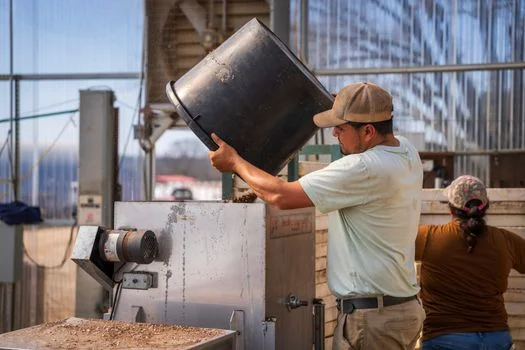
Achieving cost efficiencies in wastewater treatment plant (WWTP) investment and operation is crucial, especially in a market like Glasgow with its specific regulatory and economic factors. By strategically adopting modern technologies and design principles, industrial and municipal operators can realistically expect to reduce overall costs by 20–40% without compromising environmental compliance.
One of the most effective strategies for reducing CAPEX and accelerating project timelines is the adoption of modular, pre-fabricated WWTP units. Systems like HydropureWater’s WSZ series offer significant advantages. These modular underground WWTP systems for Glasgow’s urban sites can reduce CAPEX by 20–30% compared to traditional site-built plants due to factory-controlled manufacturing and simplified on-site installation. This modular approach also typically halves the installation time, leading to further savings and faster project completion.
the integration of underground installation for WWTPs can yield substantial cost savings, particularly in urban environments like Glasgow where land is at a premium. Buried systems eliminate the need for extensive above-ground structures, thereby reducing land acquisition costs and minimizing visual impact. This also contributes to noise reduction and enhanced site aesthetics, which can be important considerations for industrial facilities located near residential areas or sensitive ecological zones.
Automation plays a pivotal role in OPEX reduction. Implementing Programmable Logic Controller (PLC)-based control systems and automated chemical dosing equipment can lead to significant savings. These systems optimize chemical usage, reducing consumption by 15–25%, and can decrease the need for manual labor by 30–50%. For example, automated chemical dosing ensures precise delivery of treatment agents, preventing overuse and minimizing waste, which is critical given the cost of specialized chemicals.
For industrial wastewater streams with high organic loads, such as those from food processing or brewing, incorporating energy recovery mechanisms can offer substantial OPEX savings. Technologies like anaerobic digestion, which produces biogas that can be used for heating or electricity generation, or the implementation of heat exchangers to recover thermal energy, can cut energy costs by 20–40%. These systems not only reduce utility bills but also contribute to a facility's sustainability profile.
Frequently Asked Questions
Q: What are Scottish Water’s discharge limits for industrial wastewater in Glasgow?
A: Scottish Water’s general discharge consent limits for industrial wastewater in Glasgow typically include COD <125 mg/L, BOD <25 mg/L, TSS <35 mg/L, ammonia <5 mg/L, and phosphorus <2 mg/L. Specific limits can vary based on the industry and the receiving water body, so consulting Scottish Water directly is advised. These stringent limits, particularly for ammonia and phosphorus, are a primary driver for higher treatment costs compared to less regulated regions.
Q: How much does a 500 m³/day DAF system cost in Glasgow?
A: For a 500 m³/day DAF system in Glasgow, the estimated CAPEX typically ranges from £700,000 to £2,500,000. Annual OPEX, including energy, chemicals, labor, and maintenance, can range from £80,000 to £150,000, depending on influent characteristics and the efficiency of chemical dosing and sludge handling. This aligns with the cost benchmarks for Glasgow’s industrial buyers.
Q: Can I reuse treated wastewater in Glasgow?
A: Yes, treated wastewater reuse is possible in Glasgow, but it requires advanced treatment technologies like MBR to achieve the necessary effluent quality (typically BOD <10 mg/L and TSS <5 mg/L). Scottish Water approval is mandatory and will involve a rigorous assessment of the proposed reuse application (e.g., irrigation, cooling towers, process water) and the treatment system's reliability. How Glasgow’s hospitals can meet Scottish Water’s stringent limits also applies to industrial reuse scenarios.
Q: What’s the biggest cost driver for Glasgow WWTPs?
A: The biggest cost driver for Glasgow WWTPs, particularly for industrial facilities, is compliance with Scottish Water’s stringent discharge limits for ammonia and phosphorus. Meeting these often necessitates tertiary treatment stages, such as advanced biological nutrient removal, chemical precipitation, or enhanced filtration, which can add 30–50% to the overall CAPEX and increase OPEX due to chemical consumption and energy use.
Q: How do I choose between MBR and DAF for my Glasgow facility?
A: The choice between MBR and DAF in Glasgow depends on specific needs. Opt for MBR if you have limited space, require effluent for water reuse, or need to meet very tight COD/BOD/TSS limits (MBR CAPEX: £15–£60/m³/day). Choose DAF for wastewater with high FOG content (e.g., food processing, abattoirs) where its lower CAPEX (£4–£15/m³/day) and effective solids/FOG removal outweigh potentially higher chemical costs. For Edinburgh’s WWTP cost benchmarks for Glasgow buyers, consider these technology trade-offs.