What Philippine Cities Need from a Sewage Treatment Plant
A municipal sewage treatment plant in the Philippines carries turnkey CAPEX of roughly $0.8M–$4.2M per MLD across CAS, SBR, and MBR, with OPEX near $0.15–$0.40 per m³. Compliance is judged against DENR DAO 2016-08, updated by DAO 2021-19 for ammonia and metals. Dense city sites usually favor MBR or SBR over conventional activated sludge.
The treatment gap is measurable. The Pasig River receives approximately 440 metric tons of domestic waste daily, and only about 10% of Metro Manila’s sewage was effectively treated as of 2024. According to the United Nations (2023), the Philippines ranked 103rd globally for sanitation access. Untreated sewage is still linked to about 30% of reported waterborne diseases in urbanized regions, which makes a compliant plant a statutory duty under the Philippine Clean Water Act of 2004 (RA 9275).
Non-compliance is priced by the day. Under RA 9275, the DENR Secretary, on PAB recommendation, fines violators not less than ₱10,000 and not more than ₱200,000 for every day of violation, rising by 10% every two years. Earlier secondary summaries often cited a flat ₱10 million ticket; the statute sets daily amounts instead.
Maynilad’s published corporate facts list 22 sewage treatment plants, 4 sewage and septage treatment plants, and 1 septage treatment plant. That fleet serves the 601 sq.km. West Zone concession through a 322 km sewer network (Maynilad, At a Glance).
The 100 MLD Ilugin plant in Pasig City, serving over 600,000 residents, shows the scale centralized treatment can reach. Manila’s density of about 21,000 people per square kilometer, plus monsoon peak flows, forces high-efficiency trains that hold effluent quality when hydraulic load spikes. Most Philippine cities must still match process choice to land price, O&M skill, and DENR receiving-water class.
Engineering Specs, CAPEX, and OPEX for a Municipal Sewage Treatment Plant in the Philippines
What Are the DENR Class C Effluent Design Specs in the Philippines?
Class C effluent compliance is governed by DENR DAO 2016-08, partially updated by DAO 2021-19 for selected parameters including ammonia as NH3-N. According to DENR DAO 2021-19, discharges from any point source shall at all times meet the Table 9 effluent standards for the receiving-water classification. The same order adds a strong-wastewater clause tied to influent values of 1,600 mg/L BOD and 2,000 mg/L COD. Many design briefs still quote a BOD limit of 30 mg/L, so confirm the signed outfall class before freezing tank volumes.
Typical municipal influent COD runs 300–500 mg/L, with TSS often 200–350 mg/L where combined sewers and monsoon grit dominate. Secondary clarifiers are sized at hydraulic loading of 0.5–1.5 m³/m²·h at peak flow to limit solids carryover. By contrast, how DAF systems improve Philippine municipal plant efficiency shows up mainly in pre-treatment, where DAF units commonly handle 10–20 m³/m²·h to strip FOG before biology. SBR trains typically use 0.3–0.6 kWh/m³, while compact MBR systems for space-constrained municipal projects often need 0.5–0.8 kWh/m³ because of membrane air scour.
| Parameter | Typical Influent (Class C) | DENR Effluent Limit | Removal Efficiency |
|---|---|---|---|
| BOD₅ (mg/L) | 150 – 250 | ≤ 30 | 90% – 95% |
| COD (mg/L) | 300 – 500 | ≤ 60 | 85% – 92% |
| TSS (mg/L) | 200 – 350 | ≤ 50 | 92% – 98% |
| Ammonia-N (mg/L) | 20 – 40 | ≤ 10 | 75% – 85% |
| Fats, Oil & Grease (mg/L) | 50 – 100 | ≤ 5 | 95%+ (with DAF) |
Keep the table values above as the project’s historical design envelope, then reconcile them to the signed DAO for the actual outfall class. Earlier guidance commonly listed ammonia-N at ≤10 mg/L. According to DENR DAO 2021-19, Class C ammonia as NH3-N is 4 mg/L, so check nitrification volume and alkalinity against that tighter target before bid day.
Sludge yield typically falls between 0.2 and 0.4 kg TSS per kg BOD removed, which matters where Metro Manila or Cebu disposal fees are high. Disinfection remains mandatory. On-site ClO₂ generators for pathogen removal in municipal effluent are often preferred over straight chlorination when virus kill and lower DBP formation are design goals.
SBR vs MBR vs Conventional Systems: Which Technology Fits Your Project?

Sequencing Batch Reactor (SBR) technology currently processes 100 million liters per day (MLD) at the Ilugin facility, giving a footprint-to-efficiency ratio suited to large urban catchments. SBR units run fill, react, settle, and decant in one tank, so separate secondary clarifiers are not required. Philippine municipalities with moderate land usually reach 90–95% BOD removal with SBR. SBR still needs about 20–30% more land than MBR, which limits use in dense pockets such as Makati or Baguio.
Membrane Bioreactor (MBR) trains replace gravity sedimentation with membrane filtration and can cut plant footprint by up to 60% versus a conventional baseline. Effluent often meets or beats DENR Class A quality bands used for non-potable reuse in irrigation or cooling. CAPEX is roughly 25% higher than SBR, yet avoided land cost in expensive cities can still lower total project cost. Where typhoon TSS spikes are common, DAF pre-treatment for high-TSS influent common in monsoon seasons protects membranes from early fouling.
| Feature | Conventional (CAS) | SBR | MBR |
|---|---|---|---|
| Footprint Requirement | 100% (Baseline) | 70% – 80% | 30% – 40% |
| Effluent Quality (BOD) | < 30 mg/L | < 20 mg/L | < 5 mg/L |
| Operator Skill Level | Medium | Medium-High | High |
| Resistance to Shock Loads | Low | High | Very High |
| Water Reuse Potential | Limited | Moderate | Excellent |
Conventional Activated Sludge (CAS) remains workable for rural LGUs where land is cheap and skilled membrane operators are scarce. CAS CAPEX is the lowest at $0.8M–$1.5M per MLD, but sludge handling and pumping raise lifecycle cost. Coastal plants also see salinity and TSS shocks that stress CAS settleability. A Cebu City 50 MLD MBR case cut land use by about 40% versus a proposed SBR layout while reporting about 98% pathogen removal in coastal discharge service.
What Do Municipal Wastewater Treatment Plants Need to Deliver?
Municipal wastewater treatment plants in Philippine LGUs must deliver continuous DENR-compliant effluent, stable operation through monsoon peaks, and a sludge path the city can afford. Designers should lock receiving-water class, peak wet-weather factor, and reuse goals before selecting CAS, SBR, or MBR. Without those three inputs, CAPEX quotes are not comparable across bidders, because each bidder prices a different hydraulic and biological boundary.
Cost Breakdown: CAPEX, OPEX, and ROI for Philippine Municipal Plants
Turnkey CAPEX for a Philippine municipal plant typically ranges from $1.2 million to $4.2 million per MLD for SBR and MBR scopes, while CAS often sits at $0.8M–$1.5M per MLD. Those bands cover civil works, electromechanical packages, and commissioning. For a 100 MLD facility the absolute investment is large, but it must be weighed against OPEX and daily non-compliance fines under RA 9275. Buyers comparing Metro Manila bids should also read the Wastewater Treatment Plant Cost in Manila 2026: Engineering Breakdown for city-specific land and permitting drivers. For island-level cost bands in the central Philippines, see Visayas sewage treatment plant cost per MLD.
Energy usually takes 40–50% of monthly OPEX. Chemical dosing for phosphorus and disinfection adds about 15–20%, with labor and maintenance filling the rest. MBR membrane replacement every 5–7 years adds roughly $0.05–$0.10 per m³.
detailed cost breakdowns for municipal wastewater projects also show reuse revenue of about $0.50–$1.00 per m³ when industry buyers take Class A–quality effluent. For unit-rate planning, see philippines sewage treatment plant construction cost per cubic meter per day when you need cost normalized to m³/d rather than MLD packages.
| Cost Component | CAS (per MLD) | SBR (per MLD) | MBR (per MLD) |
|---|---|---|---|
| CAPEX (Turnkey) | $0.8M – $1.5M | $1.2M – $3.5M | $1.8M – $4.2M |
| OPEX (per m³) | $0.25 – $0.50 | $0.15 – $0.30 | $0.20 – $0.40 |
| Energy (kWh/m³) | 0.4 – 0.7 | 0.3 – 0.6 | 0.5 – 0.8 |
| Maintenance Frequency | High (Mechanical) | Medium | Medium (Membrane) |
Avoided fines and public-health costs also shape ROI. The WHO (2023) estimate that Manila could save about ₱200 million annually in healthcare costs with universal sewage treatment remains a planning benchmark for LGUs. Hidden line items include Metro Manila land at roughly ₱50,000–₱200,000 per square meter and a DENR/LLDA permitting window of about 6–18 months.
Which Companies Build Large Municipal Wastewater Plants?
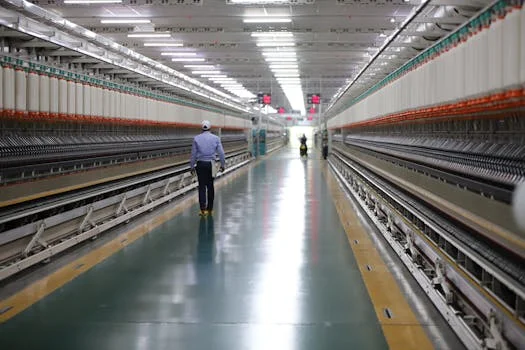
Companies that build large municipal wastewater plants for Philippine cities are EPC or process specialists that can show operating references above 10 MLD, DENR Discharge Permit support, and a local O&M plan—not catalogue sellers alone. DENR-linked field reviews still attribute a large share of municipal plant failures to weak operations and maintenance handover. Bid scoring should weight after-sales staffing as heavily as equipment brand. Procurement teams comparing Manila vendors can start with the Sewage Treatment Plant Supplier in Manila: 2026 Buyer’s Guide before shortlisting factories.
Use this selection checklist before award:
- Effluent performance obligation tied to the signed DENR receiving-water class and peak wet-weather flow
- At least two operating municipal references of similar MLD capacity in Southeast Asia
- Named local PCO training plan and spare-parts lead times in weeks, not months
- Energy performance in kWh/m³ at defined MLSS, temperature, and influent BOD
- Sludge yield and dewatering package included in the turnkey boundary
- Factory acceptance test and on-site commissioning protocol with sample hold points
- Clear membrane or diffuser replacement schedule and unit prices for years 5–10
Who this is for: LGU engineers, water-district planners, and EPC contractors sizing 1–100 MLD domestic plants for DENR Class B/C/SB outfalls. Who should look elsewhere: industrial parks that need metal or high-FOG pretreatment as the primary driver rather than domestic BOD/TSS. Next step: send influent data, outfall class, and land area for a process comparison, or request a CAPEX and OPEX process comparison for your LGU site. HydroPureWater can map CAS, SBR, and MBR options against land and energy limits before you freeze CAPEX.
Frequently Asked Questions
What CAPEX should a Philippine LGU budget per MLD?
Philippine municipal turnkey CAPEX typically runs $0.8M–$1.5M per MLD for CAS, $1.2M–$3.5M for SBR, and $1.8M–$4.2M for MBR at 2025–2026 budget levels. Those ranges include civil works, equipment, and commissioning, but exclude Metro Manila land purchase. Normalize bids to the same peak-flow factor and sludge boundary before comparing unit rates.
Which process fits dense Metro Manila sites best?
MBR usually fits dense Metro Manila sites best when land price dominates total cost and reuse is planned. Footprint can drop to about 30–40% of a conventional baseline, with BOD often below 5 mg/L under stable operation. SBR stays competitive where moderate land exists and operators already know timed-cycle plants. Add DAF upstream if monsoon TSS or FOG would foul membranes.
What fines apply under the Clean Water Act?
RA 9275 fines for prohibited discharges are not a flat ₱10 million ticket. According to RA 9275 Section 28, the Secretary may impose ₱10,000–₱200,000 for every day of violation, increasing by 10% every two years. Gross violations draw ₱500,000 up to ₱3,000,000 per day, and failing to clean up adds ₱50,000–₱100,000 per day. Closure orders can run in parallel until safeguards are in place.
How should ammonia limits be set after DAO 2021-19?
Design ammonia to the DAO that matches your outfall class, not to an older generic sheet. Earlier briefs often used ≤10 mg/L ammonia-N as a working target; according to DENR DAO 2021-19, Class C ammonia as NH3-N is 4 mg/L. That change increases the need for reliable nitrification, adequate alkalinity, and wet-weather equalization.
Do municipal plants need DAF before SBR or MBR?
DAF is not mandatory for every municipal plant, but it is justified when influent FOG is 50–100 mg/L or combined sewers bring typhoon TSS spikes. Loading rates of 10–20 m³/m²·h let DAF cut FOG toward the ≤5 mg/L oil-and-grease limit before biology. Protecting MBR membranes from grease and grit often costs less than early membrane replacement.
What are the DENR Class C effluent design specs in the Philippines?
For Class C outfalls, the historical design envelope targets BOD ≤30 mg/L, COD ≤60 mg/L, TSS ≤50 mg/L, and oil and grease ≤5 mg/L. Ammonia as NH3-N sits at 4 mg/L after DENR DAO 2021-19. Always reconcile these numbers to the signed DAO for your receiving-water class. Typical Class C influent runs 150–250 mg/L BOD and 200–350 mg/L TSS from combined sewers.
How many sewage treatment plants does Maynilad operate?
Maynilad operates 22 sewage treatment plants, plus 4 sewage and septage treatment plants and 1 septage treatment plant, according to its At a Glance corporate facts. The fleet serves a 601 sq.km. West Zone concession through a 322 km sewer network. Concessionaire build-out pace is a useful benchmark when an LGU schedules its own STP commissioning and sewer phasing.
What OPEX should we plan per cubic meter treated?
Plan $0.25–$0.50 per m³ for CAS, $0.15–$0.30 for SBR, and $0.20–$0.40 for MBR at Philippine municipal scale. Energy usually takes 40–50% of monthly OPEX, and chemical dosing adds 15–20%. MBR membrane replacement every 5–7 years adds roughly $0.05–$0.10 per m³, while Class A reuse can offset $0.50–$1.00 per m³.