Why Manaus Hospitals Are Facing Wastewater Treatment Upgrades in 2025
In Manaus, hospital wastewater treatment must comply with CONAMA 430/2011 and Amazonas Decree 31,794/2012, which impose stricter limits than federal standards. These include parameters such as BOD ≤60 mg/L, COD ≤200 mg/L, TSS ≤50 mg/L, and mercury ≤0.01 mg/L. The IDB Invest’s R$750 million municipal infrastructure financing initiative, spanning 2025–2027, is accelerating compliance deadlines, with projections indicating that 60% of Manaus hospitals will undergo audits by 2026. Failure to meet these stringent requirements can result in significant financial penalties, with fines potentially reaching R$500,000 annually, alongside severe reputational damage and exclusion from municipal contracts. Manaus's tropical climate presents unique engineering challenges; 80% humidity and average water temperatures of 27°C can increase operational expenditures (OPEX) by 15–25% due to factors like accelerated microbial growth and equipment corrosion, necessitating specialized, tropicalized equipment designs.
Manaus Hospital Wastewater: Contaminant Profile & Treatment Challenges
Hospital wastewater is a complex matrix, distinct from typical industrial or municipal effluent. It is characterized by a high concentration of pathogens, including bacteria like E. coli and various viruses, posing significant public health risks if not adequately treated. Beyond microbial contaminants, hospital effluent often contains a cocktail of pharmaceuticals, such as antibiotics, hormones, and cytotoxic agents, typically found at concentrations ranging from 10–500 μg/L. These pharmaceutical residuals require advanced treatment methods like advanced oxidation processes or specialized MBR systems for effective removal, as conventional biological treatments are often insufficient. Heavy metals, including mercury and lead, from diagnostic imaging or laboratory activities, and residual disinfectants from cleaning protocols, also contribute to the effluent's toxicity. The substantial presence of fecal coliforms, often reaching 10^6–10^8 CFU/mL, necessitates treatment processes capable of achieving a 99.999% disinfection rate, or a log 5 reduction, to meet regulatory mandates. The tropical climate of Manaus exacerbates these challenges; the consistently high water temperatures of 27°C accelerate microbial growth, potentially leading to issues like biofilm formation on membranes and reduced treatment efficiency. For instance, MBR systems in tropical regions can experience a flux reduction of up to 30% compared to temperate climates, underscoring the need for robust, climate-resilient designs.
| Contaminant Category | Typical Presence | Treatment Challenges | Manaus-Specific Considerations |
|---|---|---|---|
| Pathogens (E. coli, Viruses) | 10^6–10^8 CFU/mL Fecal Coliforms | Requires 99.999% (log 5) disinfection for compliance. | Accelerated growth at 27°C water temperatures. |
| Pharmaceutical Residuals (Antibiotics, Hormones) | 10–500 μg/L | Resistant to conventional biological treatment; requires advanced oxidation or MBR. | Potential for increased persistence and recalcitrance in warmer waters. |
| Heavy Metals (Mercury, Lead) | Trace to significant levels | Requires specialized removal processes (e.g., chemical precipitation, ion exchange). | Corrosion risks in equipment at high humidity. |
| Disinfectants (Chlorine, Quaternary Ammonium) | Variable | Can be toxic to biological treatment processes; requires neutralization or careful dosing. | Increased chlorine demand at 27°C water temperatures. |
| High Organic Load (BOD, COD) | Varies based on hospital type | Requires robust biological treatment or advanced oxidation. | Enhanced microbial activity can increase oxygen demand. |
Manaus Hospital Wastewater Standards: CONAMA 430 vs. Amazonas Decree 31,794

Navigating the regulatory landscape for hospital wastewater treatment in Manaus requires a clear understanding of both federal and state-level mandates. CONAMA 430/2011 sets foundational limits, including a maximum BOD of 60 mg/L, COD of 200 mg/L, TSS of 50 mg/L, and fecal coliforms not exceeding 1,000 CFU/100mL. However, Amazonas Decree 31,794/2012 introduces critical local amendments that often impose stricter requirements. Notably, the decree mandates a significantly lower limit for mercury at ≤0.01 mg/L, compared to the federal standard of 0.02 mg/L, a crucial consideration for facilities with radiological or laboratory operations. It also specifies a lead limit of ≤0.1 mg/L and demands more rigorous monitoring for a broader spectrum of pharmaceuticals. While CONAMA 430 specifies a chlorine residual of ≥0.5 mg/L for 30 minutes for disinfection, the Amazonas Decree implicitly encourages more advanced methods like ozone or UV treatment, particularly when addressing pharmaceutical residuals. For water reuse applications, such as irrigation or cooling towers, the effluent quality must be exceptional; MBR systems achieving COD ≤50 mg/L and turbidity ≤2 NTU are often the benchmark for meeting these stringent reuse standards. The permitting process involves submitting detailed engineering plans to the Amazonas environmental agency, with common audit triggers including sudden spikes in pH, heavy metal exceedances, or significant deviations in BOD/COD levels, underscoring the need for continuous monitoring and robust treatment systems.
| Parameter | CONAMA 430/2011 (Federal) | Amazonas Decree 31,794/2012 (Local) | Notes |
|---|---|---|---|
| BOD (Biochemical Oxygen Demand) | ≤ 60 mg/L | ≤ 60 mg/L | Standard limit. |
| COD (Chemical Oxygen Demand) | ≤ 200 mg/L | ≤ 200 mg/L | Standard limit. |
| TSS (Total Suspended Solids) | ≤ 50 mg/L | ≤ 50 mg/L | Standard limit. |
| Fecal Coliforms | ≤ 1,000 CFU/100mL | ≤ 1,000 CFU/100mL (general discharge) | Stricter limits may apply for specific discharge points. |
| Mercury (Hg) | ≤ 0.02 mg/L | ≤ 0.01 mg/L | Significantly stricter local limit. |
| Lead (Pb) | Not explicitly specified (general industrial) | ≤ 0.1 mg/L | Specific local limit for lead. |
| Pharmaceuticals | General monitoring | Stricter monitoring and potential specific compound limits | Emphasis on advanced treatment for removal. |
| Disinfection | Chlorine residual ≥0.5 mg/L for 30 min | Recommendation for ozone/UV for pharmaceutical removal | Advanced methods preferred for comprehensive treatment. |
| Reuse Quality (e.g., irrigation) | N/A (general discharge) | COD ≤50 mg/L, Turbidity ≤2 NTU (MBR effluent) | Achievable with advanced systems like MBR. |
MBR vs. DAF for Manaus Hospitals: Engineering Specs & Cost Comparison
For hospital wastewater treatment in Manaus, Membrane Bioreactor (MBR) and Dissolved Air Flotation (DAF) systems represent the leading technological contenders, each with distinct advantages and considerations, particularly in a tropical climate. MBR systems excel in effluent quality, typically achieving 95–98% COD removal and 99% TSS removal, along with a remarkable 99.999% (log 5) pathogen removal rate, often eliminating the need for secondary disinfection and producing effluent suitable for reuse. Their compact footprint, up to 60% smaller than conventional systems, is also a significant advantage in space-constrained hospital settings. DAF systems, while effective at removing TSS (90–95%) and fats, oils, and grease (FOG) (95%), necessitate a secondary disinfection stage to meet pathogen removal standards, adding complexity and cost. In Manaus's tropical climate, MBR performance is impacted by increased membrane fouling, which can rise by 25% at 27°C water temperatures, requiring approximately 30% more aeration to maintain optimal flux. This necessitates careful selection of anti-fouling membrane coatings and robust cleaning protocols. Capital Expenditure (CAPEX) for a 50 m³/h system in Manaus typically ranges from R$8.3 million to R$12.8 million for MBR, while DAF systems fall between R$5.2 million and R$7.8 million. Operational Expenditure (OPEX) for MBR is generally higher, ranging from R$2.8–R$5.2/m³, compared to DAF's R$1.8–R$3.5/m³, with these figures incorporating the tropical climate premiums for energy and chemical consumption. The superior effluent quality of MBR systems directly translates to greater reuse potential, whereas DAF effluent may require further tertiary treatment, such as reverse osmosis or activated carbon filtration, to meet reuse standards.
| Parameter | MBR System | DAF System | Manaus Tropical Climate Adjustments & Considerations |
|---|---|---|---|
| COD Removal | 95–98% | Variable (typically requires post-treatment) | Higher microbial activity at 27°C can enhance biological COD removal in MBR. |
| TSS Removal | 99% | 90–95% | Standard performance. |
| Pathogen Removal | 99.999% (log 5) | Requires secondary disinfection (e.g., UV, chlorine) | Accelerated microbial growth at 27°C may necessitate higher disinfection dosages. |
| Footprint | Compact (60% smaller than conventional) | Larger footprint | MBR's size advantage is crucial for urban hospital locations. |
| CAPEX (50 m³/h) | R$8.3M–R$12.8M | R$5.2M–R$7.8M | DAF is 20–30% less expensive upfront. |
| OPEX (per m³) | R$2.8–R$5.2/m³ | R$1.8–R$3.5/m³ | MBR OPEX includes higher energy for aeration and membrane maintenance; tropical climate increases OPEX by 15–25% for both systems due to humidity and temperature. |
| Reuse Potential | High (meets reuse standards) | Requires tertiary treatment for reuse | MBR effluent quality is superior for reuse applications. |
| Membrane Fouling (MBR) | Increased by 25% at 27°C | N/A | Requires 30% more aeration; robust anti-fouling coatings and cleaning protocols essential. |
| Corrosion Risk | Moderate | Moderate to High | 80% humidity necessitates stainless steel 316L or FRP for tanks and piping. |
For hospitals prioritizing effluent quality for reuse and minimizing disinfection steps, MBR systems are the preferred choice. For those with tighter upfront budget constraints where reuse is not an immediate priority, DAF systems offer a more cost-effective solution, provided secondary disinfection and potential tertiary treatment are factored in. HydropureWater offers integrated compact hospital wastewater treatment systems designed to address these specific needs.
Tropical Climate Design: How Manaus Hospitals Can Optimize Equipment Performance
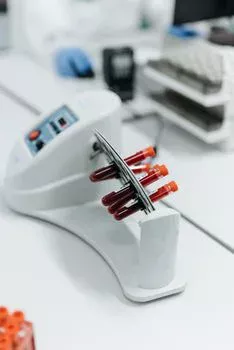
Manaus's tropical climate, characterized by high temperatures and humidity, presents specific engineering challenges that must be addressed to ensure the long-term performance and reliability of wastewater treatment equipment. The elevated water temperatures, averaging 27°C, directly impact membrane performance in MBR systems, increasing fouling rates by up to 25%. This necessitates a 30% increase in aeration capacity to maintain membrane flux and requires the use of advanced membrane materials, such as PVDF with enhanced anti-fouling properties, or PTFE membranes, coupled with optimized cleaning-in-place (CIP) protocols. The persistent 80% humidity levels accelerate corrosion of metallic components. Therefore, specifying materials like stainless steel 316L or fiberglass-reinforced plastic (FRP) for tanks, piping, and structural elements is critical to prevent premature equipment failure. Microbial growth is also amplified in warmer conditions, leading to an increased chlorine demand of up to 20% at 27°C. To combat this, shock chlorination protocols or alternative disinfectants like chlorine dioxide generators, which are less sensitive to temperature variations and more effective against a broader range of pathogens and micropollutants, are recommended. Energy efficiency can be compromised as tropical temperatures reduce blower efficiency; implementing variable frequency drives (VFDs) for aeration systems allows for precise airflow control, optimizing energy consumption. Heat exchangers can also be integrated to manage temperature fluctuations where necessary. These climate-specific design considerations are paramount for ensuring consistent and cost-effective hospital wastewater treatment in Manaus.
Step-by-Step Compliance Roadmap for Manaus Hospitals
Achieving and maintaining compliance with CONAMA 430 and Amazonas Decree 31,794 for hospital wastewater treatment in Manaus is a multi-stage process. The first crucial step involves comprehensive wastewater characterization. This requires detailed sampling and laboratory analysis to accurately determine influent concentrations of BOD, COD, TSS, pathogens (fecal coliforms), pharmaceuticals, and heavy metals. Following characterization, a regulatory gap analysis must be performed, comparing the hospital's current effluent quality against the specific limits outlined in both CONAMA 430 and Amazonas Decree 31,794. This comparison will pinpoint areas requiring improvement. Based on the gap analysis, technology selection is the next critical phase. Hospitals should consult comparative data, such as the MBR vs. DAF table presented earlier, to choose a system that aligns with their flow rates, budget, and reuse objectives. Once a system is selected, the permitting process begins, involving the submission of detailed engineering plans and supporting documentation to the Amazonas environmental agency. Common pitfalls during this stage include incomplete documentation or undersized system design. Construction and commissioning follow, including equipment installation, rigorous operator training, and performance testing, with specific attention paid to tropical climate adjustments. Finally, ongoing compliance is maintained through regular monitoring, meticulous record-keeping, and preparation for periodic audits. Utilizing digital tools for data management can significantly streamline this process and ensure continuous adherence to regulations.
Frequently Asked Questions
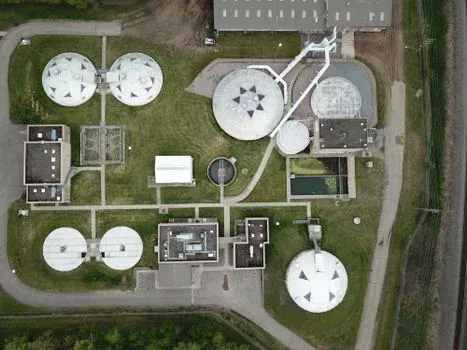
What are the penalties for non-compliance with CONAMA 430 in Manaus? Fines for non-compliance with CONAMA 430 and Amazonas Decree 31,794 in Manaus can range from R$5,000 to R$500,000 per violation, as per Amazonas environmental agency guidelines from 2024. Repeat offenses or severe environmental impact can lead to temporary or permanent facility shutdowns.
Can hospital wastewater be reused in Manaus? Yes, hospital wastewater can be reused in Manaus, provided it meets stringent quality standards. Effluent from MBR systems achieving COD ≤50 mg/L and turbidity ≤2 NTU is typically suitable for applications such as irrigation, cooling towers, or toilet flushing, subject to approval under Amazonas Decree 31,794.
How much does a hospital wastewater treatment system cost in Manaus? For a typical 50 m³/h hospital wastewater treatment system in Manaus, capital expenditure (CAPEX) can range from R$5.2 million for a DAF system to R$12.8 million for an MBR system. Operational expenditure (OPEX) typically falls between R$1.8/m³ and R$5.2/m³, including adjustments for tropical climate conditions.
What disinfection methods are approved for hospital wastewater in Manaus? Approved disinfection methods include chlorine, ozone, UV, and chlorine dioxide. For enhanced pharmaceutical removal and greater resilience in tropical climates, ozone and chlorine dioxide are often preferred over traditional chlorination.
How often do hospitals in Manaus need to test their wastewater? Monthly testing is generally required for key parameters such as BOD, COD, TSS, and fecal coliforms, in accordance with CONAMA 430. Quarterly testing is typically mandated for heavy metals and pharmaceuticals to ensure comprehensive compliance with local regulations.