Oregon Hospital Wastewater: EPA Discharge Limits vs. Real-World Challenges
Hospitals in Oregon must treat wastewater to meet EPA’s NPDES permit limits (BOD ≤30 mg/L, TSS ≤30 mg/L, fecal coliform ≤200 CFU/100mL) and Oregon DEQ’s pretreatment standards for medical facilities. The OHSU South Waterfront Campus demonstrates zero-discharge feasibility with a 100% recycled water system, while 46.6% of Oregon hospitals still rely on municipal sewers—risking non-compliance. This guide provides 2025 engineering specs, cost benchmarks, and equipment selection criteria for Portland, Eugene, and Salem hospitals.
Oregon DEQ’s 2025 pretreatment standards for hospitals mandate Chemical Oxygen Demand (COD) levels below 250 mg/L and Total Suspended Solids (TSS) below 50 mg/L for facilities discharging to Publicly Owned Treatment Works (POTW). Despite these mandates, historical data indicates that 46.6% of hospitals in the region have historically poured untreated medical waste into municipal sewers, a practice that now triggers heavy Portland POTW surcharges reaching $0.08 per gallon for high-strength effluent. The regulatory gap is narrowing; recent Oregon DEQ 2023 enforcement reports highlight an increase in violations related to pharmaceutical residues, specifically carbamazepine and diclofenac, which municipal plants are not equipped to remove.
The OHSU South Waterfront Campus serves as a primary benchmark for the state, utilizing an advanced on-site treatment system that recycles 100% of campus wastewater for non-potable use. This system avoids the escalating costs of municipal discharge while mitigating the risk of antibiotic-resistant bacteria entering the Willamette River. For smaller facilities, the challenge lies in balancing the high CAPEX of such systems against the long-term operational risks of non-compliance with Wisconsin’s DNR standards for hospital wastewater, which often serve as a comparative model for Oregon’s evolving permit structures.
| Parameter | Oregon DEQ Pretreatment (2025) | EPA NPDES Limit (Direct Discharge) | Typical Untreated Hospital Effluent |
|---|---|---|---|
| BOD (Biochemical Oxygen Demand) | <200 mg/L | ≤30 mg/L | 150–600 mg/L |
| TSS (Total Suspended Solids) | ≤50 mg/L | ≤30 mg/L | 100–400 mg/L |
| COD (Chemical Oxygen Demand) | ≤250 mg/L | N/A | 300–1,200 mg/L |
| Fecal Coliform | <1,000 CFU/100mL | ≤200 CFU/100mL | 10⁵–10⁷ CFU/100mL |
| pH | 6.0–9.0 | 6.0–9.0 | 5.5–8.5 |
Engineering Specs for Hospital Wastewater Treatment Systems in Oregon
Standard hospital wastewater flow rates in Oregon range from 50 m³/day for rural clinics to over 3,000 m³/day for major medical campuses in the Portland metro area. Engineering for these facilities requires a precise understanding of influent characteristics, which often feature high concentrations of disinfectants and pharmaceutical residues that can inhibit biological treatment. According to Oregon DEQ 2024 guidance, disinfection systems must achieve a Log 4 reduction for viruses and a Log 3 reduction for bacteria to meet water reuse safety protocols.
For high-performance biological treatment, MBR systems for hospital wastewater treatment in Oregon are engineered with a membrane pore size of 0.1 μm. This physical barrier ensures the retention of virtually all suspended solids and most pathogens. Design flux rates for medical applications are typically set between 15 and 25 LMH (liters per square meter per hour) to account for higher organic loading. To prevent membrane fouling, air scouring at rates of 0.5–0.8 m³/m²/h is standard, alongside automated chemically enhanced backwash (CEB) cycles.
In scenarios where primary solids removal is the priority, DAF systems for cost-effective hospital wastewater pretreatment are specified with a recycle ratio of 10–30%. These systems operate at an air-to-solids ratio of 0.02–0.06 and a hydraulic loading rate of 5–10 m/h. DAF is particularly effective at removing fats, oils, and greases (FOG) from hospital kitchen effluent before it mixes with clinical waste streams, preventing downstream pipe blockages and reducing POTW surcharges.
| System Component | Engineering Specification | Design Rationale |
|---|---|---|
| MBR Pore Size | 0.1 μm (Ultrafiltration) | Removes bacteria and micro-plastics |
| MBR Flux Rate | 15–25 LMH | Optimized for high-strength medical COD |
| DAF Recycle Ratio | 10–30% | Ensures saturation for micro-bubble formation |
| DAF Hydraulic Loading | 5–10 m/h | Required for effective solids separation |
| Disinfection (ClO²) | 2.0–5.0 mg/L dosage | Achieves Log 4 virus reduction |
MBR vs. DAF vs. Chemical Dosing: Head-to-Head Comparison for Oregon Hospitals
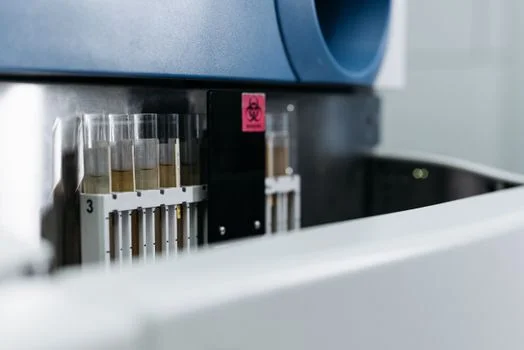
Membrane Bioreactors (MBR) achieve a 99.9% pathogen removal rate, significantly exceeding the performance of traditional dissolved air flotation (DAF) or chemical dosing systems in medical applications. In the context of Oregon’s stringent DEQ requirements, the choice of technology dictates not only compliance but also the potential for water reclamation. MBR systems combine biological degradation with membrane filtration, allowing hospitals to meet all discharge limits without the need for additional tertiary treatment stages.
DAF systems, while highly efficient at removing TSS (90%) and associated COD (70%), typically require downstream filtration or advanced oxidation to meet EPA NPDES limits for direct discharge. However, their footprint is significantly smaller, requiring only 0.2–0.4 m² per m³/day of treatment capacity. This makes DAF an ideal solution for urban hospitals in Portland where space is at a premium and the goal is to minimize POTW surcharges rather than achieve full on-site reuse.
Chemical dosing systems, often utilizing chlorine dioxide generators for Oregon hospital effluent disinfection, provide the lowest CAPEX but result in higher sludge production (0.4–0.6 kg TSS per kg COD removed). While effective for pathogen control, chemical dosing alone cannot address the dissolved organic compounds and pharmaceutical residues found in modern medical effluent. For comprehensive risk mitigation, Oregon facility managers often implement a multi-stage approach, using DAF for primary solids removal followed by MBR for biological polishing and ClO₂ for final sterilization.
| Feature | MBR System | DAF System | Chemical Dosing |
|---|---|---|---|
| COD Removal Efficiency | >95% | 60–70% | 40–60% |
| Pathogen Removal | 99.9% (Log 3+) | 90% | 99% (with ClO²) |
| Footprint (m²/m³/day) | 0.5–1.0 | 0.2–0.4 | 0.1–0.2 |
| Energy Use (kWh/m³) | 0.8–1.2 | 0.3–0.5 | 0.1–0.2 |
| Sludge Yield | Low (0.1–0.2 kg) | Moderate (0.3–0.5 kg) | High (0.4–0.6 kg) |
Cost Breakdown: CAPEX, OPEX, and ROI for Hospital Wastewater Treatment in Oregon
The CAPEX for a 200 m³/day MBR system in Oregon typically ranges from $1.2M to $3.5M, depending on the complexity of pharmaceutical residue removal requirements and the need for seismic-rated structural housing. While this initial investment is higher than DAF or chemical systems, the operational savings are substantial for hospitals generating more than 10,000 gallons of wastewater per month. In Portland, where untreated discharge costs can exceed $0.08 per gallon, an on-site MBR system can achieve a full ROI within 3 to 5 years by eliminating municipal surcharges and reducing freshwater procurement costs through reuse.
Operational expenses (OPEX) for MBR systems in the Pacific Northwest average between $0.40 and $0.60 per cubic meter, covering electricity, chemicals for CEB, and sludge disposal. Maintenance schedules must include membrane replacement every 5 to 7 years, which can cost between $50,000 and $150,000 depending on the total surface area. In contrast, DAF systems have lower energy requirements but higher chemical costs for flocculants, with pump rebuilds required every 2 to 3 years to maintain the air saturation efficiency necessary for solids flotation.
For facility managers evaluating local options, Portland-specific equipment suppliers and compliance tips suggest that the total cost of ownership is lowest when systems are designed with modularity. This allows hospitals to scale treatment capacity as campus footprints expand without replacing the entire infrastructure. HydropureWater field data from 2025 indicates that hospitals utilizing modular MBR units reduced their long-term expansion costs by 40% compared to those using fixed-capacity traditional activated sludge plants.
| Cost Category | MBR (200 m³/day) | DAF (200 m³/day) | Chemical Dosing |
|---|---|---|---|
| Estimated CAPEX | $1.2M – $3.5M | $300K – $1.2M | $150K – $500K |
| OPEX (per m³) | $0.40 – $0.60 | $0.20 – $0.35 | $0.15 – $0.30 |
| Annual Maintenance | $20K – $40K | $15K – $25K | $10K – $20K |
| ROI Period | 3–5 Years | 2–4 Years | 1–2 Years |
| Portland POTW Savings | 95–100% | 60–75% | 30–50% |
Zero-Risk Selection Framework for Oregon Hospital Wastewater Systems
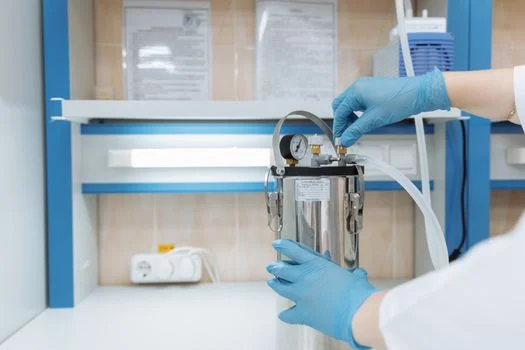
Oregon hospitals selecting wastewater equipment must prioritize modularity to accommodate the DEQ’s projected 2030 tightening of pharmaceutical residue limits. A zero-risk selection process begins with a 24-hour composite sampling of the influent to determine exact peaks in COD and disinfectant concentrations. This data ensures that the biological component of an MBR or the chemical dosing rate of a ClO₂ generator is sized for "worst-case" scenarios rather than average flows.
- Assess Flow and Load: Map daily peaks, particularly from laundry and surgical centers. Small hospitals (e.g., Salem Health West Valley) may only require 50–100 m³/day, whereas regional hubs require >1,000 m³/day.
- Determine Compliance Path: If the goal is Willamette River discharge or landscape irrigation, MBR is mandatory to meet Log 4 pathogen reduction. For POTW pretreatment, DAF is often sufficient.
- Evaluate Footprint: Utilize vertical DAF units or integrated MBR tanks if space is limited within the hospital’s utility basement or parking structure.
- Calculate ROI vs. Hauling: Compare the CAPEX of on-site treatment against the $0.08/gallon Portland surcharge. Facilities generating >10,000 gallons/month typically favor on-site MBR.
- Plan for Maintenance: Ensure local availability of membrane cleaning chemicals and technical support for PLC automation systems.
A case example is Salem Health’s 200 m³/day MBR system, which was implemented to address high organic loads from their expanded surgical wing. By achieving 99% pathogen removal and a massive reduction in TSS, the facility avoided $120,000 in annual POTW surcharges, leading to a 3.2-year payback period while ensuring zero risk of environmental fines.
Frequently Asked Questions
What are the primary contaminants Oregon DEQ monitors in hospital effluent?
DEQ focuses on BOD, TSS, and pH, but increasingly monitors "contaminants of emerging concern," including antibiotics, endocrine disruptors, and radioisotopes from oncology departments.
Can hospital wastewater be reused for irrigation in Oregon?
Yes, provided it meets DEQ Class A recycled water standards. This requires MBR filtration and high-level disinfection (typically UV or Chlorine Dioxide) to ensure zero detectable fecal coliform.
How does Oregon’s climate affect MBR performance?
The temperate climate in Western Oregon is generally favorable for biological treatment, though systems must be insulated to maintain mixed liquor temperatures above 10°C during winter months to ensure consistent nitrification.
Is an on-site operator required for these systems?
Most modern MBR and DAF systems are fully automated with remote monitoring capabilities. However, Oregon state law may require a certified Grade I or II wastewater operator for oversight, depending on the system's complexity and discharge permit.