Why Display Panel Wastewater Requires Specialized Treatment Equipment
Display panel manufacturing facilities, particularly those producing TFT-LCD and OLED screens, generate wastewater streams with unique and challenging contaminant profiles that necessitate specialized treatment equipment. The primary culprits include high concentrations of organic solvents like N-Methyl-2-pyrrolidone (NMP), which can contribute 500–2,000 mg/L to Chemical Oxygen Demand (COD), and tetramethylammonium hydroxide (TMAH), often present at 100–800 mg/L. dissolved heavy metals such as indium (0.5–5 mg/L) and gallium (0.1–2 mg/L), along with significant levels of colloidal silica (100–500 mg/L), pose considerable treatment hurdles. Failure to adequately address these contaminants can lead to severe regulatory penalties under stringent global standards. For instance, China's GB 31573-2015 mandates limits as low as 0.1 mg/L for indium, while the EU Industrial Emissions Directive 2010/75/EU often requires COD levels below 50 mg/L. The U.S. EPA's 40 CFR Part 469 for the electronics subcategory also imposes strict limits on total metals, typically below 1.0 mg/L. Without appropriate pre-treatment, these challenging constituents, especially colloidal silica and photoresist residues, can lead to significant fouling of sensitive membrane filtration systems, reducing their efficiency by 30–50% and increasing operational costs. A real-world example highlights this: a 2024 Samsung Display plant in Vietnam reportedly reduced its wastewater treatment penalties by 80% after upgrading to a hybrid Dissolved Air Flotation (DAF) and Membrane Bioreactor (MBR) system, incorporating 0.5 mm rotary drum pre-screens to manage solids effectively.
| Contaminant | Typical Concentration Range (mg/L) | China GB 31573-2015 Limit (mg/L) | EU IED Typical Limit (mg/L) | EPA 40 CFR Part 469 Limit (mg/L) |
|---|---|---|---|---|
| NMP (COD Contributor) | 500–2,000 | N/A (COD Limit Applies) | <50 (COD) | N/A (COD Limit Applies) |
| TMAH (COD Contributor) | 100–800 | N/A (COD Limit Applies) | <50 (COD) | N/A (COD Limit Applies) |
| Indium | 0.5–5 | 0.1 | <0.1 (Total Metals) | <1.0 (Total Metals) |
| Gallium | 0.1–2 | N/A | <0.1 (Total Metals) | <1.0 (Total Metals) |
| Colloidal Silica | 100–500 | N/A | N/A | N/A |
Contaminant Removal Efficiencies by Treatment Stage: DAF vs. MBR vs. Hybrid Systems
Selecting the appropriate wastewater treatment technology is paramount for display panel manufacturers aiming for both regulatory compliance and operational cost-efficiency. Each treatment stage offers distinct removal capabilities for the complex contaminant mix found in TFT-LCD and OLED effluent. Dissolved Air Flotation (DAF) systems, when optimized, can achieve significant reductions in Total Suspended Solids (TSS) and a portion of COD. For display panel wastewater, DAF systems typically operate with loading rates between 5–10 m³/m²/h and bubble sizes of 30–50 μm, leading to TSS removal efficiencies of 85–90% and COD removal of 60–70%. However, DAF alone is often insufficient for removing dissolved heavy metals like indium and gallium without the addition of chemical precipitation agents, and its effectiveness against low-density organics can be limited. Membrane Bioreactors (MBRs), on the other hand, excel at biological degradation and fine filtration. With membrane pore sizes typically ranging from 0.04–0.1 μm, MBRs can achieve near-complete TSS removal (99.5%) and high COD reduction (up to 95%). The challenge with MBRs in this industry lies in their susceptibility to fouling from persistent contaminants like colloidal silica and photoresist residues, which can drastically reduce membrane flux and necessitate frequent cleaning. Hybrid DAF-MBR systems integrate the strengths of both technologies, offering a synergistic approach. In a hybrid configuration, the DAF stage acts as a robust pre-treatment, effectively removing a substantial portion of colloidal silica (up to 80%) and a significant amount of TSS and COD before the water enters the MBR. This pre-treatment significantly mitigates MBR membrane fouling, extending membrane lifespan by an estimated 2–3 years and reducing the frequency and intensity of Membrane Cleaning-In-Place (CIP) cycles. The combined COD removal efficiency in a well-designed hybrid system can reach 95–98%, ensuring compliance with stringent discharge limits.
| Contaminant | DAF Alone (%) | MBR Alone (%) | Hybrid DAF-MBR (%) | Regulatory Limit (mg/L) |
|---|---|---|---|---|
| COD | 60–70 | 85–95 | 95–98 | <50 |
| TSS | 85–90 | 99.5 | 99.5+ | <10–35 |
| NMP | 20–40 | 80–95 | 90–98 | N/A (COD Limit Applies) |
| TMAH | 30–50 | 90–98 | 95–99 | N/A (COD Limit Applies) |
| Indium | Low (requires precipitation) | >95 (with pre-precipitation) | >99 (with pre-precipitation) | <0.1 |
| Gallium | Low (requires precipitation) | >95 (with pre-precipitation) | >99 (with pre-precipitation) | <0.1 |
| Colloidal Silica | 40–60 | Low (can foul membranes) | 80–95 | N/A |
For high-efficiency DAF systems for TFT-LCD wastewater, consider configurations optimized for chemical coagulation and flocculation. Similarly, explore zero-fouling MBR systems for display panel effluent designed with advanced membrane materials and operational strategies.
Engineering Specs for Display Panel Wastewater Treatment Equipment
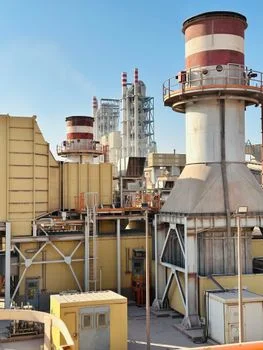
Effective display panel wastewater treatment hinges on precise engineering specifications at each stage of the treatment train. For pre-treatment, rotary drum screens with pore sizes of 0.5–1 mm are critical for removing larger solids, operating at approach velocities of 0.6–1.0 m/s to achieve 70–80% TSS removal and protect downstream equipment. The DAF stage requires careful design parameters: loading rates should be maintained between 5–10 m³/m²/h with a recycle ratio of 10–30% to ensure efficient solids flotation. Bubble sizes of 30–50 μm are optimal for capturing suspended particles. For effective coagulation and flocculation, chemical dosing of Polyaluminium Chloride (PAC) at 10–50 mg/L and polymer at 1–5 mg/L is typically required, contributing to the 85–90% TSS and 60–70% COD removal. The MBR stage employs PVDF membranes with pore sizes of 0.04–0.1 μm, operating at a membrane flux of 15–25 LMH. Mixed Liquor Suspended Solids (MLSS) concentrations are maintained between 8,000–12,000 mg/L, with an aeration rate of 0.2–0.5 Nm³/m²/h to support biological activity and maintain membrane scouring. Regular Cleaning-In-Place (CIP) is essential, with alkaline (NaOH) washes typically required every 1–4 weeks, followed by periodic acid (citric acid) washes. In a hybrid DAF-MBR integration, the DAF effluent should consistently achieve a TSS level below 50 mg/L to prevent premature MBR fouling. The final treated effluent from such a system is engineered to meet stringent discharge standards, with COD levels below 50 mg/L and indium concentrations below 0.1 mg/L, thereby satisfying requirements like China’s GB 31573-2015.
| Equipment Type | Key Parameter | Specification Range | Typical Application Notes |
|---|---|---|---|
| Rotary Drum Screens | Pore Size | 0.5–1 mm | Effective for removing larger debris and protecting downstream equipment. |
| Approach Velocity | 0.6–1.0 m/s | Ensures efficient solids capture without excessive headloss. | |
| TSS Removal | 70–80% | Critical first step in solids management. | |
| Dissolved Air Flotation (DAF) System | Loading Rate | 5–10 m³/m²/h | Optimizes solids separation efficiency. |
| Recycle Ratio | 10–30% | Provides sufficient dissolved air for effective flotation. | |
| Bubble Size | 30–50 μm | Ideal for capturing fine suspended solids. | |
| Chemical Dosing (PAC/Polymer) | 10–50 mg/L / 1–5 mg/L | Essential for coagulation and flocculation of target contaminants. | |
| Membrane Bioreactor (MBR) System | Membrane Material | PVDF | Durable and resistant to common wastewater chemicals. |
| Pore Size | 0.04–0.1 μm | Provides high-quality effluent by retaining all suspended solids and microorganisms. | |
| Membrane Flux | 15–25 LMH | Target operational flux for efficient water production. | |
| MLSS Concentration | 8,000–12,000 mg/L | Supports robust biological treatment of dissolved organics. | |
| Aeration Rate | 0.2–0.5 Nm³/m²/h | Maintains dissolved oxygen for biological process and membrane scouring. | |
| Hybrid System Integration | DAF Effluent TSS | <50 mg/L | Crucial for preventing MBR membrane fouling. |
| Hybrid System Integration | Final Effluent Quality | COD <50 mg/L, Indium <0.1 mg/L | Meets stringent regulatory compliance (e.g., China GB 31573-2015). |
To ensure effective pre-treatment, implement 0.5 mm rotary drum screens for pre-treatment. For advanced biological treatment and fine filtration, consider MBR membrane bioreactor modules designed for industrial applications.
Compliance and Cost Breakdown: Selecting the Right System for Your Plant
The selection of display panel wastewater treatment equipment involves a critical balance between capital expenditure (CapEx), operational expenditure (OPEX), and the ability to meet stringent compliance benchmarks. For facilities facing the unique challenges of TFT-LCD and OLED manufacturing effluent, a detailed cost-benefit analysis is essential. Standalone DAF systems offer the lowest CapEx, typically ranging from $50–$150 per cubic meter per day ($/m³/day), with OPEX of $0.10–$0.30 per cubic meter ($/m³). However, their limitations in removing dissolved contaminants and achieving high COD reduction mean they often fall short of comprehensive compliance without significant chemical additions or further treatment. Standalone MBR systems present a higher CapEx, generally between $200–$500/m³/day, and higher OPEX, $0.40–$0.80/m³, due to energy consumption and membrane maintenance. While they offer superior TSS and COD removal (99.5% and up to 95%, respectively), their susceptibility to fouling can lead to unpredictable maintenance costs and downtime. Hybrid DAF-MBR systems, with a CapEx of $180–$400/m³/day, often represent a more cost-effective long-term solution. They typically reduce CapEx by 20–30% compared to standalone MBRs by optimizing membrane area requirements due to effective pre-treatment. The OPEX for hybrid systems is generally $0.30–$0.60/m³, representing a 25–40% reduction compared to standalone MBRs, primarily through lower energy consumption (1.2–1.8 kWh/m³ vs. 2.0–3.0 kWh/m³) and extended membrane life. The enhanced contaminant removal (COD >95%, TSS 99.5+, Indium >99% with precipitation) of hybrid systems ensures compliance with China's GB 31573-2015, the EU IED, and EPA standards. For plants with flow rates exceeding 50 m³/h, the return on investment (ROI) for hybrid DAF-MBR systems is typically realized within 3–5 years, driven by avoided penalties, reduced chemical consumption, and potential water reuse savings.
| System Type | CapEx (USD/m³/day) | OPEX (USD/m³) | COD Removal (%) | TSS Removal (%) | Indium Removal (%) 1 | Compliance (China/EU/EPA) |
|---|---|---|---|---|---|---|
| DAF Alone | $50–$150 | $0.10–$0.30 | 60–70 | 85–90 | Low (without precipitation) | Partial (COD/TSS) |
| MBR Alone | $200–$500 | $0.40–$0.80 | 85–95 | 99.5 | >95 (with pre-precipitation) | Good (COD/TSS, metals with pre-treatment) |
| Hybrid DAF-MBR | $180–$400 | $0.30–$0.60 | 95–98 | 99.5+ | >99 (with pre-precipitation) | Excellent (COD, TSS, Metals) |
| 1 Indium removal efficiency for MBR and Hybrid systems assumes effective chemical precipitation is integrated prior to membrane treatment. | ||||||
Common Mistakes in Display Panel Wastewater Treatment and How to Avoid Them
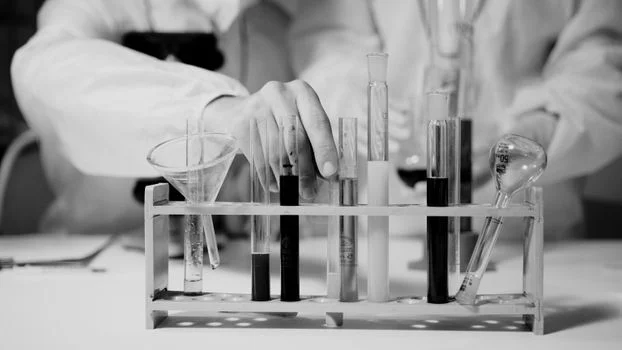
Optimizing display panel wastewater treatment requires diligent operation and maintenance to prevent common pitfalls that can lead to non-compliance and increased costs. A prevalent mistake is skipping or inadequately performing pre-treatment. Without effective screening, contaminants like colloidal silica and photoresist residues can rapidly foul MBR membranes, leading to a significant flux decline within 2–4 weeks. The solution is to install robust 0.5 mm rotary drum screens for pre-treatment to capture these troublesome solids. Another common error involves operating DAF systems outside optimal parameters. Incorrect DAF loading rates or insufficient recycle ratios can result in poor TSS removal, often below 70%. Maintaining loading rates between 5–10 m³/m²/h and recycle ratios of 10–30% is crucial for achieving the expected 85–90% TSS reduction. For MBRs, neglecting adequate Cleaning-In-Place (CIP) protocols is a major cause of performance degradation. A flux decline of 40% within three months is not uncommon if membranes are not cleaned regularly. Implementing weekly alkaline (NaOH) washes and monthly acid (citric acid) washes, ideally with automated CIP systems, is vital for maintaining membrane integrity and performance. Finally, ignoring pH adjustment before chemical dosing in the DAF stage can severely impact treatment efficacy. If the pH is not optimized, typically between 6.5–7.5 using sulfuric acid or sodium hydroxide, coagulation efficiency will suffer, leading to reduced TSS removal (potentially below 60%). Adhering to these best practices ensures the longevity and efficiency of the wastewater treatment infrastructure.
Frequently Asked Questions
- Q: What is the best wastewater treatment system for a TFT-LCD plant with a 100 m³/h flow rate?
- A: For a TFT-LCD plant with a 100 m³/h flow rate, a hybrid DAF-MBR system integrated with effective pre-treatment, such as 0.5 mm rotary drum screens, is recommended. This configuration can achieve 99.5% TSS removal and 95% COD removal, meeting stringent discharge limits. The estimated CapEx would be in the range of $180–$250/m³/day, with OPEX around $0.30–$0.50/m³, based on HydropureWater's cost models.
- Q: How do I remove indium from display panel wastewater to meet China’s GB 31573-2015 limit of 0.1 mg/L?
- A: To meet the China GB 31573-2015 limit of 0.1 mg/L for indium, chemical precipitation is essential. Typically, sodium sulfide (Na₂S) or ferric chloride (FeCl₃) is added to precipitate indium as an insoluble compound. This precipitated indium is then removed via sedimentation or flotation, followed by MBR filtration for final polishing. This combined approach can achieve over 99% indium removal efficiency, as supported by EPA 2023 benchmarks.
- Q: What is the lifespan of PVDF membranes in display panel wastewater treatment?
- A: The typical lifespan of PVDF membranes in display panel wastewater treatment is 5–7 years, provided that proper pre-treatment (e.g., rotary drum screens) and regular CIP protocols (weekly alkaline, monthly acid washes) are consistently applied. Without adequate pre-treatment, fouling from contaminants like colloidal silica can significantly reduce membrane lifespan by up to 50%, as noted by JWC Environmental's research.
- Q: Can I reuse treated display panel wastewater for process water?
- A: Yes, treated display panel wastewater can be reused for process water, but it typically requires post-treatment steps such as Reverse Osmosis (RO) or ion exchange. MBR effluent generally has a COD below 50 mg/L and TSS below 5 mg/L, making it an excellent feed for RO systems. Water reuse can reduce freshwater consumption by 30–50%, as demonstrated in numerous HydropureWater case studies.
- Q: What are the key compliance standards for display panel wastewater in the EU?
- A: In the EU, display panel wastewater treatment must comply with the Industrial Emissions Directive (IED) 2010/75/EU, which sets limits such as COD <50 mg/L and TSS <35 mg/L for certain industrial sectors. Additionally, REACH regulations govern the use and discharge of hazardous substances, including heavy metals like indium, often requiring concentrations below 0.1 mg/L in final effluent.
Further Reading
Explore these in-depth articles on related wastewater treatment topics: