Hospital wastewater in New York, USA, contains a complex matrix of contaminants requiring advanced treatment to meet stringent NYC DEP and NYS DOH discharge standards before release. Systems like Membrane Bioreactors (MBR), Anoxic/Oxic (A/O) biological processes, and ozone disinfection achieve over 99% pathogen removal and effectively handle pharmaceutical residues. While New York City's municipal facilities treat 1.3 billion gallons daily citywide, hospital-specific units, typically ranging from 1 to 80 m³/h capacity, are essential to ensure localized compliance, especially under the evolving mandates of Local Law 119 and federal EPA Clean Water Act rules.
Why Hospital Wastewater Is Different in New York
Hospital wastewater is a distinct and challenging effluent stream, differentiating it significantly from typical municipal sewage due to its unique contaminant profile. Unlike domestic wastewater, hospital effluent consistently contains high concentrations of pharmaceuticals, antibiotics, disinfectants, and a diverse range of pathogens, including antibiotic-resistant bacteria and viruses (HydropureWater analysis, 2025). These specialized contaminants pose heightened environmental and public health risks if not adequately treated.
New York City's infrastructure, particularly its extensive combined sewer system, exacerbates the challenge. During heavy rainfall, combined sewer overflows (CSOs) can discharge untreated or partially treated wastewater directly into local waterways, increasing the burden on receiving waters. Hospitals are therefore under pressure to implement robust pre-treatment to significantly reduce their contaminant load, preventing these specialized pollutants from contributing to CSOs and impacting sensitive ecosystems like the Hudson River tributaries.
Regulatory bodies, including the New York State Department of Health (NYS DOH) and the New York City Department of Environmental Protection (NYC DEP), mandate that hospitals monitor and control key parameters such as Biochemical Oxygen Demand (BOD), Chemical Oxygen Demand (COD), Total Suspended Solids (TSS), and microbial load. These requirements are often stricter for healthcare facilities due to the nature of their discharge. pharmaceutical residues, including opioids, endocrine-disrupting hormones, and various active pharmaceutical ingredients (APIs), are increasingly recognized as emerging contaminants under heightened EPA scrutiny in urban effluents. Effective on-site treatment is crucial for hospitals to mitigate these risks and maintain compliance.
New York Regulations for Hospital Effluent
Compliance with federal, state, and local regulations is non-negotiable for hospital wastewater discharge in New York, carrying significant penalties for non-adherence. Hospitals must primarily comply with the federal EPA Clean Water Act, which establishes the basic structure for regulating pollutant discharges into U.S. waters. This federal framework is implemented through New York State Pollutant Discharge Elimination System (SPDES) permits, issued by the NYS Department of Environmental Conservation (NYS DEC), which set specific discharge limits for individual facilities.
At the municipal level, New York City Local Law 119 (2021) places additional reporting requirements on biosolids and wastewater, emphasizing the need for comprehensive monitoring and control of discharges. This local law aims to enhance transparency and accountability in wastewater management, particularly for industrial and commercial dischargers like hospitals. Specific effluent limits under NYS Wastewater Standards include a Biochemical Oxygen Demand (BOD) of less than or equal to 30 mg/L, Total Suspended Solids (TSS) of less than or equal to 35 mg/L, and fecal coliform concentrations not exceeding 200 MPN/100mL as a 48-hour average.
Disinfection is a mandatory final step for hospital effluent, typically requiring methods such as chlorine, ultraviolet (UV) irradiation, or ozone to achieve a minimum of a 4-log (99.99%) reduction of pathogens. This stringent requirement ensures that discharged water poses minimal public health risk. On-site treatment is generally mandatory for hospitals if their daily wastewater flow exceeds 1,000 gallons or if they discharge into a private sewer line rather than directly into the municipal collection system. This provision underscores the regulatory expectation for hospitals to manage their unique effluent streams responsibly at the source. For a deeper understanding of federal wastewater regulations, refer to our EPA Clean Water Act requirements 2025 compliance guide for industry.
Core Treatment Technologies for Hospital Wastewater
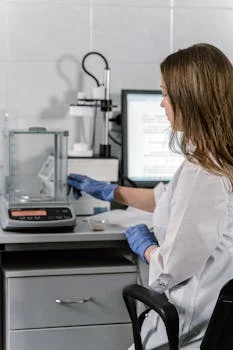
Effective hospital wastewater treatment in New York requires a multi-stage approach, combining physical, biological, and advanced disinfection technologies to address diverse contaminants. The initial stage, primary treatment, typically employs robust screening mechanisms. HydropureWater's GX Series rotary bar screens, for instance, are designed to efficiently remove large solids, rags, plastics, and other debris. This crucial step protects downstream pumps, membranes, and biological reactors from clogging and damage, ensuring the longevity and operational stability of the entire system.
Following primary treatment, secondary treatment focuses on biological removal of organic matter. WSZ Series Anoxic/Oxic (A/O) systems are a proven solution, achieving 85–90% Biochemical Oxygen Demand (BOD) and 80–88% Chemical Oxygen Demand (COD) removal through a biological contact oxidation process. These systems utilize aerobic and anoxic zones to facilitate nitrification and denitrification, effectively reducing nitrogen compounds in addition to organic pollutants. The biological contact oxidation method provides a stable and reliable treatment for a wide range of hospital effluent characteristics. More details on these systems are available at our WSZ underground integrated sewage treatment system page.
For superior effluent quality and pathogen removal, membrane filtration systems are increasingly specified. Membrane Bioreactor (MBR) systems, particularly those utilizing DF Series PVDF membranes, deliver effluent quality of less than 1 μm, achieving greater than 99.9% pathogen removal. MBR technology integrates activated sludge treatment with membrane separation, eliminating the need for a secondary clarifier and producing a high-quality effluent suitable for reuse or direct discharge into sensitive receiving waters. Explore our space-saving MBR system for high-quality effluent for more information.
The final crucial step is disinfection. Ozone systems are highly effective, eliminating over 99% of bacteria and viruses without introducing chemical residuals into the treated water. Ozone also oxidizes many pharmaceutical compounds and other emerging contaminants, offering a broader spectrum of treatment than traditional chlorine. This technology is compliant with stringent international standards, such as the EU Urban Wastewater Directive 91/271/EEC, which sets high benchmarks for disinfection performance. For a broader perspective on disinfection compliance, refer to our EU Urban Wastewater Treatment Directive 2025 compliance guide.
| Technology Stage | HydropureWater Series | Key Function | Typical Removal Efficiency | Effluent Quality |
|---|---|---|---|---|
| Primary Treatment | GX Series (Rotary Bar Screens) | Removes large solids, debris | >80% large solids | Pre-treatment for downstream |
| Secondary Treatment | WSZ Series (A/O Biological) | Biological organic removal | 85–90% BOD, 80–88% COD | Standard secondary effluent |
| Membrane Filtration | MBR Systems (DF Series PVDF) | High-quality solids & pathogen removal | >99.9% pathogens, >99% TSS | <1 μm, suitable for reuse |
| Disinfection | Compact medical wastewater system (Ozone) | Bacteria & virus inactivation, pharmaceutical oxidation | >99% bacteria/viruses | Meets 4-log pathogen reduction |
System Comparison: MBR vs A/O vs Ozone for NYC Hospitals
Selecting the optimal wastewater treatment system for a New York hospital involves a detailed evaluation of performance, footprint, operational costs, and specific regulatory requirements. Each core technology offers distinct advantages for various hospital sizes and site constraints.
MBR Systems provide the highest effluent quality, typically producing water with less than 1 μm particulate matter, which is often suitable for non-potable reuse applications. Their compact design leads to a 60% smaller footprint compared to conventional activated sludge systems, making them an ideal choice for space-constrained urban hospitals where real estate is at a premium. However, MBR systems generally entail a higher Capital Expenditure (CAPEX) due to membrane costs and require more specialized maintenance, which can impact Operational Expenditure (OPEX).
A/O (WSZ Series) Systems offer proven reliability and are highly scalable, with capacities ranging from 1 to 80 m³/h. These systems are fully automated, reducing the need for constant on-site operator intervention, which is beneficial for optimizing staffing resources. WSZ systems are particularly well-suited for mid-sized clinics and regional hospitals that require robust biological treatment without the ultra-high effluent quality or upfront cost of MBR. Their operational simplicity and lower maintenance demands contribute to a favorable OPEX.
Ozone Disinfection stands out as a superior final treatment stage, especially for sensitive environments. It eliminates the need for chemical storage, handling, and associated safety risks, unlike chlorine disinfection. Compact systems operate silently, a significant advantage for hospital campuses located near residential areas, and effectively meet strict discharge limits in sensitive watersheds such as Hudson River tributaries by destroying pathogens and oxidizing many pharmaceutical compounds without creating harmful disinfection byproducts. A compact ozone-based hospital wastewater system is a strong choice for advanced disinfection. For more details, visit our medical wastewater treatment system page.
| Feature | MBR Systems | A/O (WSZ Series) Systems | Ozone Disinfection |
|---|---|---|---|
| Primary Function | Biological treatment & ultra-filtration | Biological organic & nutrient removal | Advanced disinfection & oxidation |
| Effluent Quality | Highest (<1 μm, >99.9% pathogen removal) | High (meets secondary standards, good pathogen reduction with disinfection) | Enhances final effluent, >99% pathogen inactivation |
| Footprint | Smallest (up to 60% smaller than conventional) | Medium (can be underground for space saving) | Compact (integrated into existing line) |
| CAPEX (Relative) | Highest | Medium | Medium (often added to existing systems) |
| OPEX (Relative) | Medium-High (membrane cleaning/replacement) | Low-Medium (energy for aeration) | Medium (electricity for ozone generation) |
| Automation | High | Fully Automated | High |
| Chemical Use | Minimal (for membrane cleaning) | Minimal | None (eliminates chemical storage) |
| Best For NYC | Space-constrained urban hospitals, high reuse potential | Mid-sized clinics, regional hospitals, reliable biological treatment | Final polish for sensitive discharges, pharmaceutical destruction |
Designing for Compliance and Efficiency in NYC
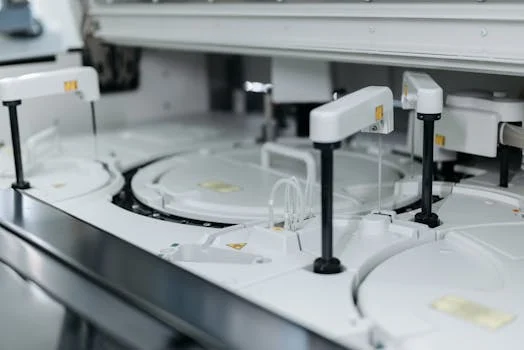
Designing a hospital wastewater treatment system in New York City requires careful consideration of local environmental conditions, stringent building codes, and existing infrastructure. Space efficiency is paramount in dense urban campuses, and solutions like the underground installation of WSZ Series package plants are highly advantageous. This approach allows for green space, parking, or other critical infrastructure to be constructed directly above the treatment unit, maximizing land use and minimizing visual impact, which is particularly valuable in urban environments.
Operational efficiency and staffing constraints are also key factors. PLC (Programmable Logic Controller) automation ensures 24/7 operation with minimal or no on-site operator presence required for routine functions. This level of automation meets NYC staffing constraints by reducing labor costs and improving system reliability through continuous monitoring and automated process adjustments. Such systems can be remotely monitored, allowing for prompt response to any operational anomalies.
New York's climate, with its cold winters, necessitates specific design considerations. MBR and A/O systems, including the WSZ Series, are engineered to operate effectively at temperatures as low as 4°C, provided units are adequately insulated to maintain optimal biological activity. Proper insulation prevents freezing and ensures consistent treatment performance throughout the year, avoiding costly disruptions.
noise and odor control are critical, especially for hospitals located within 500 feet of residential zones. Ozone disinfection systems are inherently odorless as ozone rapidly decomposes, and their operation typically generates less than 50 dB of noise, making them suitable for sensitive urban environments. Integrated carbon filters and proper ventilation for other treatment stages are also essential to mitigate any potential odors. For insights into similar package plant installations, review our package wastewater treatment plant in Nova Scotia, Canada case study.
Frequently Asked Questions
How is hospital wastewater treated in New York?
Hospital wastewater in New York undergoes a multi-stage process involving primary screening (e.g., rotary bar screens), secondary biological treatment (e.g., A/O or MBR systems) to remove organic matter and nutrients, and advanced disinfection (e.g., ozone or UV) to eliminate pathogens, ensuring compliance with NYS DOH and NYC DEP standards.
What are the discharge limits for hospital effluent in NYC?
Key discharge limits for hospital effluent in NYC typically include BOD ≤ 30 mg/L, TSS ≤ 35 mg/L, and fecal coliform ≤ 200 MPN/100mL (48-hour average). Additionally, a minimum 4-log pathogen reduction is required through disinfection.
Can hospitals use package treatment systems?
Yes, hospitals can effectively utilize package treatment systems. HydropureWater's WSZ and medical wastewater system are compact, pre-engineered, and approved for installation in NYC, provided they obtain the necessary DEP permits and meet all local codes and effluent standards.
How much does a hospital wastewater system cost in New York?
The cost of a hospital wastewater system in New York typically ranges from $50,000 to $500,000. This wide range depends on factors such as daily flow capacity (e.g., 1–80 m³/h), the selected treatment technology (A/O, MBR, ozone), level of automation, and site-specific installation requirements.
Is ozone better than chlorine for hospital disinfection?
Yes, ozone disinfection is generally considered superior to chlorine for hospital wastewater. Ozone leaves no harmful chemical residuals, avoids the formation of toxic disinfection byproducts (DBPs), and effectively destroys a broader range of pathogens and pharmaceutical compounds, making it ideal for sensitive receiving waters in New York.
Further Reading
Explore these in-depth articles on related wastewater treatment topics: