PV Wastewater Treatment Equipment: 2025 Engineering Specs, Hybrid DAF-RO-MBR Designs & $500K–$15M CAPEX Breakdown
PV wastewater treatment equipment combines dissolved air flotation (DAF), reverse osmosis (RO), and membrane bioreactors (MBR) to achieve 95%+ removal of fluoride, ammonia, and heavy metals from semiconductor and solar panel manufacturing effluents. Solar-powered systems reduce grid dependency by 60–80% and meet ZLD (Zero Liquid Discharge) limits, with CAPEX ranging from $500K for small-scale batch systems to $15M for high-recovery RO-MBR hybrids treating 100+ gpm. Key specs: influent metal concentrations up to 1,000 ppm, effluent <1 ppm, and RO recovery rates up to 85%.
Why PV Wastewater Treatment Requires Hybrid Systems: Contaminant Profiles and Regulatory Limits
PV wastewater contains high concentrations of fluoride (50–500 mg/L) and ammonia (100–1,000 mg/L) that exceed the capacity of conventional single-stage treatment systems. In semiconductor and solar cell fabrication, the production of silicon wafers involves aggressive chemical cleaning and etching, resulting in complex effluents. These streams often carry heavy metals such as copper, nickel, and lead at concentrations ranging from 10 to 1,000 ppm, alongside organic solvents like Isopropyl Alcohol (IPA) and N-Methyl-2-pyrrolidone (NMP). According to 2027 engineering specs for PV wastewater treatment systems, the presence of these mixed contaminants necessitates a multi-stage approach to prevent membrane scaling and biological toxicity.
Regulatory frameworks have tightened significantly, making compliance a moving target for EHS directors. The EPA’s 40 CFR Part 469 for semiconductor manufacturing and the EU Industrial Emissions Directive 2010/75/EU mandate strict effluent limits, often requiring fluoride levels below 10 mg/L and ammonia below 15 mg/L. In regions with high environmental sensitivity, such as parts of China following GB 8978-1996 or India following regional compliance standards for PV wastewater treatment, these limits may be even more stringent. Single-stage chemical precipitation often fails because it generates excessive sludge volumes and cannot effectively address dissolved ammonia or trace heavy metals to sub-ppm levels.
Hybrid systems are the only viable path to Zero Liquid Discharge (ZLD). By integrating selective contaminant extraction (SCE) with membrane technologies, facilities can isolate high-concentration streams for specialized treatment while recycling up to 99% of process water. This approach mitigates the risk of production delays caused by regulatory non-compliance and reduces the total cost of ownership by minimizing chemical consumption and sludge disposal fees.
| Contaminant | Typical Influent (mg/L) | Regulatory Limit (mg/L) | Removal Technology |
|---|---|---|---|
| Fluoride (F-) | 50 – 500 | < 10 | Chemical Precipitation + RO |
| Ammonia (NH3-N) | 100 – 1,000 | < 15 | MBR + Ion Exchange |
| Copper (Cu) | 10 – 1,000 | < 0.5 | DAF + RO |
| TSS | 200 – 2,000 | < 30 | DAF + MBR |
| COD | 500 – 5,000 | < 100 | MBR (Aerobic/Anaerobic) |
Hybrid DAF-RO-MBR Systems: Engineering Specs and Process Flow for PV Wastewater
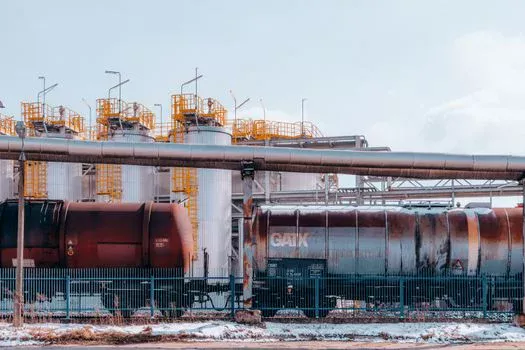
Hybrid treatment systems utilize a three-stage engineering architecture to handle the chemical complexity of semiconductor and solar cell manufacturing. The first stage typically employs DAF systems for PV wastewater pretreatment, which are designed to remove 90–95% of Total Suspended Solids (TSS) and 70–80% of Fats, Oils, and Grease (FOG). This pretreatment is critical for protecting downstream membranes from premature fouling. The second stage utilizes high-recovery RO systems for metal ion removal, achieving rejection rates of 95–99% for dissolved solids. Finally, submerged PVDF MBR systems for biological treatment address organic loads and ammonia, ensuring the effluent meets the highest reuse standards.
The process flow begins with an equalization tank to stabilize pH and flow surges, followed by the DAF unit where micro-bubbles (20–40 μm) lift flocculated particles to the surface. After pH adjustment, the water enters the RO stage. To mitigate silica scaling—a common issue in PV wastewater—engineers often implement antiscalant dosing and high-velocity cross-flow patterns. The MBR stage follows, using reinforced PVDF membranes with pore sizes of 0.1–0.4 μm to maintain high biomass concentrations (MLSS of 8,000–12,000 mg/L), which facilitates rapid ammonia nitrification and COD reduction. For high-ammonia streams, advanced wastewater treatment for semiconductor fabs may include a selective contaminant extraction (SCE) loop prior to the MBR.
| Parameter | DAF Pretreatment | Reverse Osmosis (RO) | MBR Biological |
|---|---|---|---|
| Pore Size / Bubble Size | 20 – 50 μm (bubbles) | 0.0001 – 0.001 μm | 0.1 – 0.4 μm |
| Hydraulic Retention Time | 20 – 40 min | Continuous Flow | 4 – 8 hours |
| Removal Efficiency | 95% TSS / 80% FOG | 99% Metal Ions | 97% COD / 99% NH3 |
| Energy Consumption | 0.2 – 0.4 kWh/m³ | 0.8 – 1.5 kWh/m³ | 0.5 – 1.0 kWh/m³ |
| Membrane Material | N/A (Mechanical) | Polyamide Thin-Film | Reinforced PVDF |
Solar-Powered vs. Grid-Powered PV Wastewater Treatment: Energy Efficiency, Reliability, and ROI
Solar-powered treatment systems consume 0.5–1.2 kWh/m³ compared to 1.5–3 kWh/m³ for traditional grid-powered configurations, primarily by utilizing high-efficiency DC pumps and optimized membrane flux rates. These systems are particularly effective for remote solar farms or facilities in regions with unstable power grids. A WSZ underground integrated sewage treatment plant modified for solar power can achieve 60–80% energy autonomy. However, reliability remains a primary concern for engineers; 24/7 operation requires integrated lithium-ion or vanadium redox flow battery storage, which typically adds 20–30% to the initial CAPEX but ensures zero downtime during cloud cover or nighttime hours.
The ROI for solar-integrated wastewater equipment is driven by rising electricity costs and carbon credit incentives. For a 50+ gpm system, the payback period for the solar component is typically 3 to 5 years. Grid-powered systems, while cheaper to install, expose the facility to volatile OPEX ($0.10–$0.30/m³ in energy costs alone) and a larger carbon footprint (0.5–1.2 kg CO₂/m³ treated). In high-throughput semiconductor fabs where uptime is the critical metric, a grid-tied system with solar-assist is often the preferred middle ground, providing the reliability of the grid with the cost-saving benefits of renewables.
| Feature | Solar-Powered Hybrid | Grid-Powered Hybrid |
|---|---|---|
| Energy Source | PV Panels + Battery Storage | Municipal Grid |
| Operational Cost (OPEX) | $0.50 – $2.00 / m³ | $1.00 – $3.00 / m³ |
| Carbon Footprint | < 0.1 kg CO₂ / m³ | 0.5 – 1.2 kg CO₂ / m³ |
| Initial CAPEX | High (Includes PV/Storage) | Baseline |
| Reliability / Uptime | 98% (with storage) | 99.9% (grid dependent) |
CAPEX and OPEX Breakdown: Budgeting for PV Wastewater Treatment Equipment
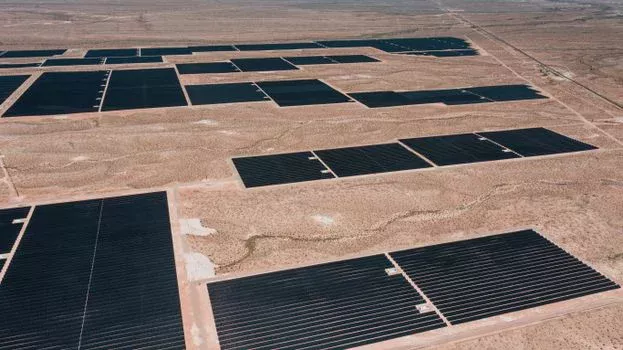
Capital expenditure for PV wastewater systems ranges from $500K for small-scale batch units to $15M for high-recovery hybrid plants treating over 100 gpm. For a standard 50 gpm continuous DAF-RO system, procurement teams should budget between $2M and $8M, depending on the level of automation and material specs (e.g., FRP vs. stainless steel tanks). High-recovery RO-MBR systems designed for ZLD compliance sit at the upper end of this range due to the complexity of the brine concentration and crystallization stages. To manage these costs, many facilities utilize plate-and-frame filter presses for ZLD sludge dewatering, which reduces the volume of hazardous waste for disposal, significantly lowering long-term OPEX.
Operating expenses are dominated by membrane replacements and chemical reagents. Membrane replacement typically accounts for 30–40% of annual OPEX, while an automatic chemical dosing system can help control costs for antiscalants and coagulants (typically $0.05–$0.20/m³). Sludge disposal remains a significant "hidden" cost, often reaching $0.10–$0.50 per kg of dry solids. To calculate ROI, engineers use the formula: (Annual OPEX savings + avoided regulatory fines) / Total CAPEX. For example, a $500K investment that saves $150K per year in water reuse and avoids a $25K annual fine results in a 2.8-year payback period.
| Capacity / Type | CAPEX Range (USD) | Annual OPEX (USD) | Primary Cost Driver |
|---|---|---|---|
| Batch DAF (1–10 gpm) | $500K – $2M | $50K – $150K | Chemicals & Labor |
| Continuous DAF-RO (10–50 gpm) | $2M – $8M | $200K – $600K | Membrane Replacement |
| RO-MBR ZLD (50–100+ gpm) | $8M – $15M | $800K – $2M | Energy & Sludge Disposal |
Selecting PV Wastewater Treatment Equipment: A Decision Framework for Engineers and Procurement Teams
Equipment selection is dictated by influent metal concentrations (10–1,000 ppm) and the required final reuse or discharge quality. Engineers should follow a structured framework to ensure the selected system meets both current and future regulatory requirements.
- Step 1: Define Influent Characteristics: Conduct a 72-hour composite sampling to determine peak flow rates, pH swings, and specific contaminant concentrations (F, NH3, Cu, Ni).
- Step 2: Determine Effluent Requirements: Identify if the water is destined for ZLD, process reuse (DI water makeup), or sewer discharge. This defines the required RO recovery rate (typically 85% for reuse).
- Step 3: Evaluate Hybrid Options: Match the technology to the contaminant. Use DAF for high TSS, RO for dissolved metals, and MBR for high organic/ammonia loads. If influent TSS is >500 mg/L, DAF is mandatory to prevent RO fouling.
- Step 4: Compare Power Sources: Use the ROI calculator to determine if solar-powered systems are financially viable based on local utility rates and sustainability mandates.
- Step 5: Request Performance Guarantees: Ensure vendor quotes include specific guarantees for 95%+ metal removal and membrane flux stability over at least 12 months of operation.
Frequently Asked Questions
What is the maximum fluoride concentration a hybrid RO system can handle?
Standard hybrid systems can handle influent fluoride up to 500 mg/L. However, this requires a two-stage approach: chemical precipitation (using calcium chloride to form calcium fluoride) followed by RO polishing to reach effluent levels below 10 mg/L. Direct RO treatment of high-fluoride water is generally avoided due to rapid mineral scaling.
How long do MBR membranes last in PV wastewater applications?
In PV applications, reinforced PVDF MBR membranes typically last 3 to 5 years. Lifespan is heavily dependent on the effectiveness of the DAF pretreatment and the frequency of Clean-In-Place (CIP) cycles. Silica and organic solvents are the primary risks to membrane longevity.
Can solar-powered systems handle high-surge flow rates?
Yes, provided the system includes an equalization tank and a battery storage buffer. The equalization tank levels out the hydraulic load, while the batteries provide the high instantaneous current required for pump start-ups during peak surge events, even when solar irradiance is low.
What are the typical sludge disposal costs for a 50 gpm PV wastewater plant?
For a 50 gpm plant, sludge disposal costs usually range from $30,000 to $100,000 annually. Using a high-pressure plate-and-frame filter press can reduce this cost by 40% by increasing the cake solids content from 15% to over 35%, thereby reducing the total weight of waste shipped to landfills.