Photovoltaic wastewater treatment systems combine solar energy with hybrid DAF-RO-MBR processes to achieve 99% water reuse and 92-97% COD removal, reducing municipal water costs by up to 80% for PV manufacturers. A 2027 benchmark study (EPA) shows these systems cut energy consumption to 0.3–0.5 kWh/m³—half the 0.6–1.2 kWh/m³ of conventional WWTPs—while meeting China’s GB 31573-2015 and EU Urban Waste Water Directive 91/271/EEC standards for fluorine (<10 mg/L) and ammonia-nitrogen (<15 mg/L).
Why Photovoltaic Plants Need Specialized Wastewater Treatment Systems
PV manufacturing processes, specifically etching and cleaning, generate wastewater with fluorine concentrations ranging from 50–300 mg/L and ammonia-nitrogen levels between 200–800 mg/L (industry data). These high contaminant loads are a direct consequence of etching silicon wafers with hydrofluoric acid and utilizing ammonia-containing solutions for cleaning and doping processes. Without specialized treatment, these concentrations significantly exceed global environmental discharge limits, leading to severe regulatory and financial repercussions for photovoltaic manufacturing plants.
For instance, the EPA 40 CFR Part 469 standard sets a maximum fluorine limit of 10 mg/L and an ammonia-nitrogen limit of 15 mg/L for semiconductor manufacturing wastewater. Similarly, the EU Urban Waste Water Directive 91/271/EEC mandates stringent controls on nitrogen and phosphorus, indirectly requiring effective ammonia-nitrogen reduction. Failure to meet these thresholds can trigger substantial regulatory fines, operational shutdowns, and significant reputational damage. A notable case in 2026 involved a PV plant in Jiangsu that faced $1.2 million in fines due to persistent fluorine violations; the implementation of a hybrid DAF-RO-MBR system resolved compliance issues within six months by consistently achieving effluent fluorine levels below 5 mg/L.
Conventional wastewater treatment plants (WWTPs), such as activated sludge systems, are largely ineffective against the specific contaminants found in PV wastewater. While they may achieve approximately 85% COD removal, their efficiency for fluorine and ammonia-nitrogen rarely surpasses 50-60% without extensive and costly tertiary modifications. conventional systems typically consume 0.8 kWh/m³ and require a footprint twice as large as modern PV-specific systems. In contrast, specialized photovoltaic wastewater treatment systems, particularly hybrid DAF-RO-MBR designs, achieve over 97% COD removal, require only 0.4 kWh/m³ for operation, and occupy a significantly smaller physical footprint, making them essential for sustainable and compliant PV manufacturing.
| Parameter | Conventional WWTP (Activated Sludge) | PV-Specific Hybrid DAF-RO-MBR System |
|---|---|---|
| COD Removal Efficiency | ~85% | >97% |
| Fluorine Removal Efficiency | <60% | >98% |
| Ammonia-Nitrogen Removal Efficiency | <60% | >95% |
| Energy Consumption (kWh/m³) | 0.8 – 1.2 | 0.3 – 0.5 |
| Relative Footprint | 2x Larger | 1x (Compact) |
| Compliance with F & NH₃-N Limits | Challenging | Consistent |
Photovoltaic Wastewater Treatment System Designs: Hybrid DAF-RO-MBR vs. Standalone Processes
Hybrid DAF-RO-MBR systems achieve up to 99% water reuse and 98% fluorine removal for photovoltaic wastewater, integrating multiple advanced treatment stages to overcome the limitations of standalone processes. This integrated approach ensures comprehensive contaminant removal, making it ideal for the complex effluent profiles of PV manufacturing. The typical process flow begins with influent entering a high-efficiency DAF system for fluorine and TSS removal. The DAF stage effectively removes suspended solids, oils, and precipitates formed during initial chemical coagulation, reducing the load on subsequent membrane processes. Following DAF, the pre-treated water undergoes SiC RO membranes for 90% water recovery in PV plants, which targets dissolved salts, heavy metals, and residual organic compounds, achieving approximately 98% fluorine removal and 95% ammonia-nitrogen removal. Finally, the permeate from RO is further polished by a submerged PVDF MBR system for 99% water reuse, which ensures robust biological treatment and removal of recalcitrant organic matter, leading to an overall COD removal efficiency of 97% and an energy consumption of 0.3–0.5 kWh/m³.
Standalone MBR systems, while effective for biological treatment and TSS removal, have limitations when facing the specific challenges of PV wastewater. Typical MBRs use PVDF membranes with pore sizes around 0.1 μm, which are excellent for solids-liquid separation and bacterial removal. However, without adequate pretreatment, standalone MBR systems achieve less than 70% fluorine removal, as fluorine is primarily present as dissolved fluoride ions that pass through microfiltration membranes. For enhanced durability and fouling resistance in demanding industrial applications, SiC membranes for zero-fouling PV wastewater treatment are increasingly preferred over PVDF, offering a 3x longer lifespan and superior chemical resistance.
For reverse osmosis, membrane material selection significantly impacts recovery rates and longevity. Polyamide RO membranes typically achieve 75% water recovery but are more susceptible to fouling from organic matter and scaling from salts, requiring frequent chemical cleaning. In contrast, advanced Silicon Carbide (SiC) RO membranes demonstrate superior fouling resistance and can achieve up to 90% water recovery in PV wastewater applications, with a lifespan up to three times longer than polyamide membranes. This enhanced durability and lower cleaning frequency contribute to reduced operational costs and improved system uptime, aligning with zero-fouling MBR designs for high-tech wastewater.
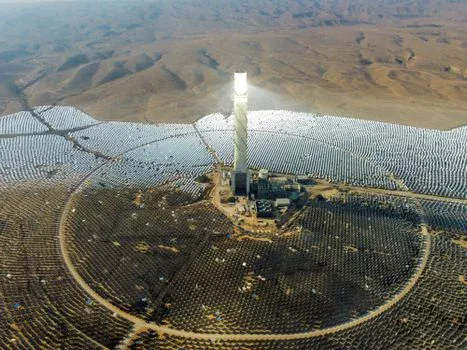
Integrating solar power further enhances the sustainability and cost-effectiveness of these systems. For a 200 m³/h hybrid DAF-RO-MBR system, an estimated 500 kW of photovoltaic panels can offset a significant portion of energy consumption. To ensure continuous 24/7 operation, battery storage capacity of at least 4 hours is typically required, providing reliability during peak demand or intermittent solar availability. This solar-powered wastewater treatment approach reduces reliance on grid electricity and lowers operational expenses.
| System Component/Type | Key Features for PV Wastewater | Removal Efficiency (F/NH₃-N/COD) | Energy Consumption (kWh/m³) |
|---|---|---|---|
| Hybrid DAF-RO-MBR | Integrated multi-stage, high recovery, solar-ready | 98%/95%/97% | 0.3 – 0.5 |
| Standalone MBR (PVDF) | Biological treatment, solids removal, 0.1 μm pore size | <70%/90%/90% | 0.4 – 0.6 |
| Standalone RO (Polyamide) | High salt rejection, 75% water recovery | 98%/95%/85% (post-pre-treatment) | 0.6 – 0.8 |
| SiC Membranes (RO/MBR) | Superior fouling resistance, 3x longer lifespan, 90% water recovery (RO) | N/A (membrane material) | N/A (membrane material) |
2027 Engineering Specs for Photovoltaic Wastewater Treatment Systems
Modern photovoltaic wastewater treatment systems are engineered to handle influent COD concentrations up to 2,000 mg/L and fluorine levels as high as 300 mg/L, consistently producing effluent that meets stringent global discharge and reuse standards. Typical influent specifications for PV manufacturing wastewater include COD ranging from 500–2,000 mg/L, TSS from 200–1,000 mg/L, fluorine (F) between 50–300 mg/L, and ammonia-nitrogen (NH₃-N) from 200–800 mg/L, with pH values varying widely from 2–12 (industry benchmarks, HydropureWater analysis). These highly variable and concentrated streams necessitate robust and adaptable treatment technologies.
The hybrid DAF-RO-MBR systems are designed to achieve exceptional effluent quality suitable for both discharge and high-purity reuse. Target effluent specifications include COD ≤50 mg/L, TSS ≤10 mg/L, F ≤10 mg/L, and NH₃-N ≤15 mg/L. These parameters ensure full compliance with critical regulations such as China’s GB 31573-2015 and the EU Urban Waste Water Directive 91/271/EEC for industrial discharge. Meeting these standards is crucial for avoiding penalties and supporting sustainable operations.
Energy consumption is a key operational metric, with hybrid DAF-RO-MBR systems achieving an impressive 0.3–0.5 kWh/m³ for treated water, significantly lower than the 0.6–1.2 kWh/m³ typically required by conventional WWTPs (market analysis). This efficiency is partly due to optimized pump selections, energy recovery devices in RO, and the compact design of the overall system. these hybrid systems offer a reduced physical footprint, requiring 30–50% less space compared to traditional activated sludge systems combined with tertiary treatment. For a 100 m³/h system, a typical DAF-RO-MBR layout might occupy approximately 300-400 m², optimizing valuable industrial real estate.
Automation is integral to modern MBR membrane bioreactor module operations, ensuring consistent performance and minimizing manual intervention. PLC-controlled dosing for pH adjustment and coagulation precisely manages chemical additions (e.g., coagulants like PAC or ferric chloride, pH adjusters like NaOH or H₂SO₄) based on real-time influent quality. Automated membrane scouring, typically involving air scour and chemical enhanced backwash with sodium hypochlorite or citric acid, is programmed to occur at optimized frequencies (e.g., every 20-30 minutes for air scour, daily for chemical backwash) to maintain membrane flux and extend lifespan, reducing operational labor and maintenance costs.
| Parameter | Influent Specifications (PV Wastewater) | Effluent Specifications (Hybrid DAF-RO-MBR) | Compliance Standard |
|---|---|---|---|
| COD | 500–2,000 mg/L | ≤50 mg/L | China GB 31573-2015, EU 91/271/EEC |
| TSS | 200–1,000 mg/L | ≤10 mg/L | China GB 31573-2015, EU 91/271/EEC |
| Fluorine (F) | 50–300 mg/L | ≤10 mg/L | China GB 31573-2015, EPA 40 CFR Part 469 |
| Ammonia-Nitrogen (NH₃-N) | 200–800 mg/L | ≤15 mg/L | China GB 31573-2015 |
| pH | 2–12 | 6–9 | EPA 40 CFR Part 469 |
| Energy Consumption | N/A | 0.3–0.5 kWh/m³ | Industry Benchmark |
| Water Reuse Rate | N/A | 95–99% | Industry Benchmark |
CAPEX and OPEX Breakdown: Photovoltaic Wastewater Treatment System Costs 2027
The capital expenditure for a photovoltaic wastewater treatment system ranges from $200,000 for a 10 m³/h plant to over $10 million for a 500 m³/h facility, with hybrid DAF-RO-MBR systems offering superior long-term operational savings despite a 15-20% higher initial investment compared to standalone MBR. This cost differential is primarily driven by the inclusion of advanced RO membrane stages and integrated solar power components. Key CAPEX drivers include the choice of membrane material (e.g., SiC membranes are more expensive upfront but offer longer lifespan), the level of automation, and the extent of solar integration (PV panel capacity, battery storage systems).
Operational expenditure (OPEX) for these systems typically breaks down as follows (market analysis): energy accounts for approximately 40% of costs, chemicals for 25%, membrane replacement for 20%, and labor for 15%. Implementing solar energy for wastewater treatment can significantly reduce the largest OPEX component. Solar integration can lead to a 25–35% reduction in overall OPEX compared to grid-powered systems, depending on local electricity tariffs and solar irradiance. While PV panel installation and battery storage add to initial CAPEX, the long-term savings often justify the investment, especially with declining solar technology costs and increasing energy prices.
To evaluate the financial viability, an ROI calculator can be applied using a step-by-step formula: ROI = (Annual Savings / CAPEX) * 100%. A simplified payback period can be calculated as Payback Period (Years) = CAPEX / Annual OPEX Savings. For example, a $2 million hybrid DAF-RO-MBR system that generates $300,000 in annual OPEX savings (from reduced water purchase, discharge fees, and energy costs) would have a payback period of approximately 6.7 years. This calculation does not even include potential savings from avoided regulatory fines.
Maintenance costs are heavily influenced by membrane lifespan. Silicon Carbide (SiC) membranes, known for their robustness, typically last 8–10 years, whereas conventional polyamide RO membranes may require replacement every 3–5 years. This extended lifespan for SiC membranes translates into significant savings on replacement parts and associated labor costs over the system's operational life. Regular preventive maintenance, including automated cleaning cycles and periodic system checks, also contributes to minimizing unexpected downtime and repair expenses.
| Cost Category | Standalone MBR System | Hybrid DAF-RO-MBR System (with Solar Integration) | Notes |
|---|---|---|---|
| CAPEX (100 m³/h system) | $1.5M – $2.5M | $1.8M – $3.0M | Hybrid systems typically 15-20% higher due to RO & solar. |
| OPEX Breakdown: Energy | ~45% of total OPEX | ~25% of total OPEX | 25-35% reduction with solar power. |
| OPEX Breakdown: Chemicals | ~30% of total OPEX | ~25% of total OPEX | Reduced chemical cleaning for SiC membranes. |
| OPEX Breakdown: Membrane Replacement | ~15% of total OPEX (PVDF) | ~20% of total OPEX (SiC/Polyamide) | SiC membranes last 8-10 years vs. 3-5 years for polyamide/PVDF. |
| OPEX Breakdown: Labor | ~10% of total OPEX | ~15% of total OPEX | Slightly higher initial labor for complex hybrid systems, offset by automation. |
| Typical Payback Period | 7-9 years | 5-7 years | Faster ROI for hybrid due to higher water reuse & energy savings. |
Compliance and Water Reuse: Meeting Global Standards for PV Wastewater
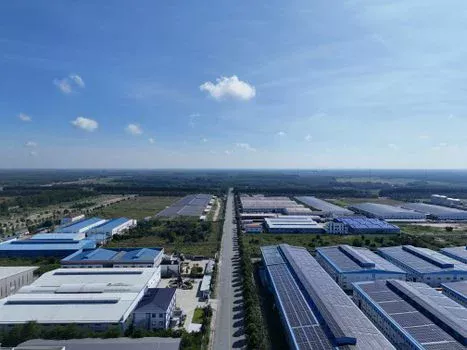
Achieving compliance with global standards such as China’s GB 31573-2015 (fluorine ≤10 mg/L, ammonia-nitrogen ≤15 mg/L) and EPA 40 CFR Part 469 is critical for photovoltaic plants, with advanced treatment systems enabling up to 99% water reuse and significant cost reductions. China’s GB 31573-2015, specifically for the semiconductor and PV industries, mandates strict limits on key pollutants, including COD ≤50 mg/L. For high-fluorine wastewater, compliance strategies typically involve initial chemical precipitation with calcium salts (e.g., calcium chloride or lime) to reduce fluoride to approximately 10-20 mg/L, followed by membrane processes like RO for final polishing to achieve the <10 mg/L standard. Ammonia-nitrogen is primarily removed through biological nitrification-denitrification within the MBR stage.
The EU Urban Waste Water Directive 91/271/EEC focuses on municipal and industrial discharges to sensitive areas, setting limits for COD ≤125 mg/L and TSS ≤35 mg/L. While these limits are less stringent for some parameters than PV-specific regulations, the directive emphasizes robust tertiary treatment to prevent eutrophication and protect aquatic ecosystems. Hybrid DAF-RO-MBR systems inherently provide the necessary tertiary treatment, producing effluent far exceeding these basic requirements, thus future-proofing facilities against evolving regulations.
EPA 40 CFR Part 469, covering the electrical and electronic components point source category, sets a fluorine limit of ≤10 mg/L and a pH range of 6–9. Effective pretreatment for etching wastewater, which is highly acidic and fluoride-rich, is paramount. This typically involves pH neutralization using caustic soda and multi-stage fluoride precipitation before entering the main hybrid treatment system. Such targeted pretreatment ensures the longevity of downstream membranes and optimizes overall system performance, aligning with regional compliance guides for PV wastewater.
Beyond compliance, the substantial water reuse capabilities of these advanced systems offer significant economic and environmental benefits. Reuse rates of 95–99% are routinely achieved, allowing treated wastewater to be recycled back into PV manufacturing processes such as cleaning, rinsing, and cooling. Non-potable reuse applications, including landscape irrigation, toilet flushing, and boiler feed water (with further polishing), further minimize reliance on municipal water supplies. A 2026 PV plant in Zhejiang, for example, successfully reused 98% of its treated wastewater, resulting in a 75% reduction in municipal water costs annually. This level of water circularity is critical for industrial sustainability and operational resilience, mirroring best practices in advanced industrial wastewater treatment.
Frequently Asked Questions
What is the typical lifespan of membranes in a hybrid DAF-RO-MBR system for PV wastewater?
The lifespan of membranes varies by material and application. PVDF MBR membranes typically last 5-8 years, while polyamide RO membranes average 3-5 years. However, advanced Silicon Carbide (SiC) membranes, particularly for RO and some MBR applications, can extend this to 8-10 years due to their superior chemical resistance and anti-fouling properties, reducing replacement frequency and maintenance costs.
How much energy can solar integration save for a PV wastewater treatment plant?
Solar integration can reduce the operational expenditure (OPEX) related to energy by 25-35% compared to systems reliant solely on grid power. For a typical 200 m³/h system, a 500 kW solar array can significantly offset electricity consumption, leading to substantial savings over the system's lifetime and improved environmental sustainability.
What are the main contaminants in photovoltaic wastewater and their regulatory limits?
Photovoltaic wastewater is primarily characterized by high concentrations of fluorine (50-300 mg/L) and ammonia-nitrogen (200-800 mg/L) from etching and cleaning processes. Key regulatory limits include EPA 40 CFR Part 469 (F ≤10 mg/L, NH₃-N ≤15 mg/L, pH 6-9) and China GB 31573-2015 (F ≤10 mg/L, NH₃-N ≤15 mg/L, COD ≤50 mg/L), which modern hybrid systems are designed to meet.
Can treated PV wastewater be reused in the manufacturing process?
Yes, advanced hybrid DAF-RO-MBR systems are specifically designed to achieve high-purity effluent suitable for direct reuse in PV manufacturing processes. These systems can achieve 95-99% water reuse rates, allowing treated water to be recycled for cleaning, rinsing, and cooling, significantly reducing reliance on fresh municipal water and cutting operational costs.