Why Your Dust Collector is Costing You More Than It Should
For industrial facilities, the best baghouse dust collector balances filtration efficiency (>99.9% for particles ≥0.5 µm), compliance with EPA NSPS or EU Industrial Emissions Directive, and total cost of ownership. Pulse jet baghouses dominate 80% of new installations due to their automated cleaning cycles and lower maintenance downtime (0.5–2 hours/month vs. 4–8 hours for shaker systems). Key specs to evaluate: interstitial velocity (1.5–2.5 m/s), filter bag lifespan (18–36 months), and pressure drop (100–150 mm H‚O). HydropureWater’s Pulse Jet Baghouse for industrial furnaces and coal-fired boilers, for example, achieves <10 mg/Nm³ particulate emissions while reducing energy consumption by 15% via optimized airflow design.
A cement plant in Texas recently faced $180,000 in EPA fines because their existing baghouse was undersized for its influent dust load, which exceeded design specifications by 40%. This scenario is not an outlier; it is a symptom of prioritizing low initial CAPEX over engineering reality. When an industrial air filtration system is improperly specified, the facility incurs three primary hidden costs: energy waste from excessive pressure drop, premature filter bag replacement (averaging $15,000/year for a 50,000 CFM unit), and production downtime during manual cleaning or repair cycles.
To evaluate the true value of a system, procurement teams must adopt a Total Cost of Ownership (TCO) framework. This includes CAPEX, OPEX (energy and consumables), compliance risk, and downtime. Over a 10-year lifespan, the OPEX of a poorly designed baghouse typically exceeds its initial purchase price by 3 to 5 times. High pressure drops alone can increase fan energy consumption by 20%, turning a "budget" unit into a massive operational liability (HydropureWater field data, 2025).
Baghouse Dust Collectors 101: How They Work and When to Use Them
Baghouse dust collectors are high-efficiency fabric filter systems designed to capture particulate matter (PM) through three physical mechanisms: interception, impaction, and diffusion. Unlike cyclones, which rely on centrifugal force for coarse particles, baghouses are the industry standard for capturing fine dust (<10 µm) across industries ranging from cement production to pharmaceutical manufacturing.
The standard architecture of an industrial baghouse includes an inlet diffuser to reduce air velocity, a series of vertically suspended filter bags, a hopper for dust collection, and a clean air plenum. In a typical cycle, dirty air enters the housing, dust is trapped on the exterior (or interior, depending on the design) of the bags, and cleaned air is discharged through the exhaust stack. Periodically, the system must dislodge the accumulated "dust cake" to maintain airflow. Pulse jet systems use high-pressure compressed air to do this while the system remains online, whereas shaker systems require the airflow to be paused.
Engineering the system correctly requires a deep dive into specific performance parameters. Interstitial velocity—the speed of the air moving between the bags—is critical; exceeding 2.5 m/s significantly increases filter abrasion and reduces bag life by up to 40%. Similarly, maintaining a pressure drop between 100 and 150 mm H‚O ensures optimal filtration without overworking the induction fans.
| Parameter | Standard Range | Impact on Performance |
|---|---|---|
| Interstitial Velocity | 1.5 – 2.5 m/s | Higher speeds cause bag abrasion and dust re-entrainment. |
| Can Velocity | 0.5 – 1.0 m/s | Controls the upward speed of air to allow dust to fall into the hopper. |
| Pressure Drop | 100 – 150 mm H‚O | Higher drop increases energy costs and fan wear. |
| Filter Bag Lifespan | 18 – 36 Months | Determined by media choice and cleaning frequency. |
| Filtration Efficiency | >99.9% | Required for compliance with EPA PM2.5 standards. |
While baghouses are versatile, they are specifically suited for applications where dust is dry and fine. For high-temperature applications exceeding 250°C, an baghouse vs. electrostatic precipitator cost comparison may be necessary, as baghouses require expensive specialized media like fiberglass to survive these environments.
Pulse Jet vs. Shaker vs. Reverse Air: Which Cleaning Mechanism is Right for You?
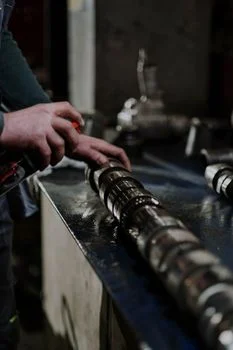
Choosing the right cleaning mechanism is the most significant factor in determining your facility's long-term maintenance schedule. Pulse jet systems are the dominant choice for modern industrial facilities, accounting for approximately 80% of new installations. They utilize short bursts of compressed air (0.05 to 0.1 seconds) to clean the bags. This allows for continuous operation, as the cleaning happens while the bags are still filtering air.
Shaker systems, by contrast, mechanically shake the bag manifold to dislodge dust. These are simpler and require less energy (no compressed air), but they are generally restricted to intermittent or batch processes because the airflow must be shut down during the cleaning cycle. Shaker systems also suffer from higher maintenance requirements, typically needing 4 to 8 hours of attention per month compared to the 0.5 to 2 hours required for pulse jet systems. Efficiency also tends to drop for sub-5 µm particles in shaker designs, often falling to 98% compared to the 99.9%+ achieved by pulse jets (per EPA AP-42 guidelines).
Reverse air systems use a dedicated fan to blow clean air back through the bags. This is a "gentle" cleaning method, ideal for fragile filter media like fiberglass used in high-temperature applications. While energy-efficient, reverse air systems require a much larger physical footprint to achieve the same CFM capacity as a pulse jet unit.
| Decision Factor | Pulse Jet | Shaker | Reverse Air |
|---|---|---|---|
| Dust Load Capacity | High (>10 g/m³) | Moderate | Low to Moderate |
| Maintenance Downtime | 0.5 – 2 hrs/month | 4 – 8 hrs/month | 3 – 6 hrs/month |
| Energy Consumption | High (Compressed Air) | Low | Moderate |
| Filter Bag Lifespan | 24 – 36 months | 12 – 24 months | 36 – 60 months |
| CAPEX ($/CFM) | $12 – $20 | $8 – $15 | $15 – $25 |
| OPEX (Relative) | Moderate | High (due to labor) | Low |
Filter Media Showdown: Polyester vs. PTFE vs. Fiberglass for Your Dust Type
Selecting the wrong filter media is the leading cause of premature system failure. Polyester is the "workhorse" of the industry, holding a 60% market share. It is cost-effective ($15–$30 per bag) and suitable for general dust like wood, grain, and plastics, but it fails quickly in the presence of moisture or temperatures exceeding 135°C.
For more demanding environments, PTFE (Polytetrafluoroethylene) membranes are the premium choice. While the initial cost is higher ($50–$100 per bag), PTFE offers a 36+ month lifespan and near-total chemical resistance. It is essential for "sticky" or abrasive dust found in cement kilns or fly ash collection. In some cases, an automated chemical dosing for dust conditioning and pH adjustment is used upstream to protect these filters from acidic gas streams.
Fiberglass remains the standard for extreme temperatures (up to 280°C), such as in metal smelting or incinerators. However, fiberglass is brittle and requires the gentle cleaning action of a reverse air system to avoid mechanical fracture of the fibers.
| Media Type | Temp Limit (°C) | Chemical Resistance | Abrasion Resistance | Typical Lifespan |
|---|---|---|---|---|
| Polyester | 135°C | Poor | Good | 18 – 24 Months |
| PTFE Membrane | 260°C | Excellent | Excellent | 36 – 48 Months |
| Fiberglass | 280°C | Fair | Poor | 24 – 36 Months |
| Aramid (Nomex) | 200°C | Good | Excellent | 24 – 30 Months |
Pro Tip: PTFE-coated polyester bags offer a "middle ground" solution. At $30–$50 per bag, they provide better dust release properties than standard polyester and can extend the cleaning interval, saving compressed air costs.
Sizing Your Baghouse: How to Avoid Overpaying or Underperforming
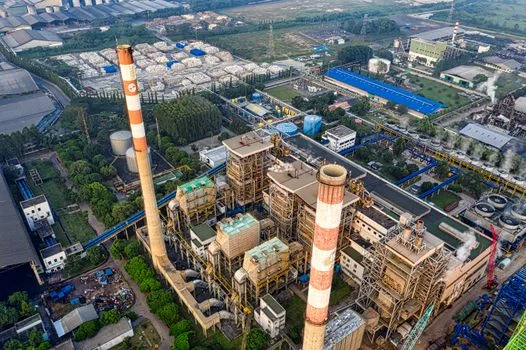
The most common mistake in procurement is using "nameplate" CFM (Cubic Feet per Minute) without accounting for real-world variables. Undersizing a baghouse leads to high interstitial velocities, which forces dust into the fabric (blinding) rather than allowing a dust cake to form on the surface. Conversely, oversizing leads to unnecessary CAPEX and wasted floor space.
To size a baghouse correctly, follow this engineering sequence:
- Calculate Airflow (CFM): Determine the total volume of air required to capture dust at the source. For example, a 10-ton/hr cement mill typically requires 4,000 CFM based on hood capture velocities.
- Determine Dust Load: Woodworking might generate 0.5–2 grains/ft³, whereas heavy industrial processes like cement or mining can generate 5–10 grains/ft³.
- Select Interstitial Velocity: Use a conservative 1.5 m/s for very fine or abrasive dust and up to 2.5 m/s for coarse, non-abrasive dust.
- Calculate Filter Area: Filter Area (ft²) = Airflow (CFM) / [Velocity (m/s) converted to ft/min]. For example, 50,000 CFM at 2.0 m/s (~394 ft/min) requires approximately 2,123 ft² of filter area.
- Apply Safety Factor: Always add a 20–30% safety factor for future process expansion or unexpected dust spikes. In the example above, a 2,700 ft² unit would be the "zero-risk" selection.
Failure to account for ductwork leaks (often 10% of total volume) is a frequent cause of underperformance. If your process also involves sulfur gases, an integrated FGD scrubber for combined SO‚ and particulate removal may be required upstream to prevent acid dew point corrosion within the baghouse housing.
Baghouse Cost Breakdown: CAPEX, OPEX, and Hidden Expenses to Watch For
Budgeting for a baghouse requires looking beyond the purchase price. A 50,000 CFM pulse jet system typically carries a CAPEX of $400,000 to $1,000,000 depending on materials (e.g., stainless steel vs. carbon steel) and automation levels. This includes the base unit, initial filter bags, ductwork, and installation labor.
OPEX is where the real financial impact occurs. Energy consumption for the main fan and the compressed air system for cleaning can range from $0.05 to $0.15 per kWh. For a large system, reducing the operating pressure drop from 200 mm H‚O to 120 mm H‚O can save approximately $12,000 per year in electricity costs alone. Maintenance labor and bag replacements add another $15,000 to $50,000 annually.
| Cost Category | Estimated Cost (50k CFM System) | Frequency |
|---|---|---|
| Base Unit CAPEX | $400,000 – $800,000 | One-time |
| Installation & Ductwork | $150,000 – $300,000 | One-time |
| Energy (Fan + Air) | $25,000 – $60,000 | Annual |
| Filter Bag Replacements | $15,000 – $45,000 | Every 2-3 Years |
| Compliance Monitoring | $5,000 – $15,000 | Annual |
Hidden costs are the most dangerous. Production downtime can cost a facility $1,000 to $10,000 per hour. If a baghouse failure forces a plant shutdown, the "cheap" collector becomes the most expensive piece of equipment in the facility. hazardous dust disposal fees can reach $1,000 per ton, making efficient dust compaction and handling systems a necessary investment.
Compliance Made Simple: How to Meet EPA, EU, and Industry-Specific Standards
Compliance is not just about avoiding fines; it is about maintaining your social license to operate. The EPA’s New Source Performance Standards (NSPS) under 40 CFR Part 60 generally require particulate emissions to be below 10 mg/Nm³ for major industrial sources. Modern pulse jet baghouses with PTFE-membrane filters easily achieve these levels, whereas older cyclone or shaker technology often struggles to meet the <50 mg/Nm³ threshold.
In the European Union, the Industrial Emissions Directive (2010/75/EU) sets even stricter Best Available Techniques (BAT) conclusions for various sectors. For example, waste incineration plants must often meet dust limits as low as 5 mg/Nm³. Achieving this requires high-precision pulse timing and continuous emission monitoring (CEM) systems integrated into the baghouse controls.
Workplace safety is equally critical. OSHA (29 CFR 1910.1000) mandates that respirable dust levels remain below 5 mg/m³. A well-designed baghouse reduces employee exposure by 99%+, significantly lowering the risk of long-term health liabilities and workers' compensation claims. To ensure compliance, facilities should maintain a rigorous maintenance log, perform quarterly leak detection tests using fluorescent powders, and size the system for an interstitial velocity ≤2.5 m/s to prevent "bleed-through" of fine particles.
Frequently Asked Questions: Baghouse Dust Collector Edition
Q: How often should I replace filter bags?
A: Most industrial bags last 18 to 36 months. Monitor your pressure drop; when it consistently exceeds 150 mm H‚O even after cleaning cycles, the bags are likely "blinded" and require replacement. PTFE bags can often reach 48 months in stable conditions.
Q: What’s the difference between a baghouse and a cartridge collector?
A: Baghouses use long fabric bags (up to 20 ft) and are built for heavy dust loads (>5 grains/ft³). Cartridge collectors use pleated media and are more compact, but they are only suitable for light, "smoke-like" dust loads (<1 grain/ft³). Baghouses are more durable for 24/7 heavy industrial use.
Q: Can I use a baghouse for explosive dust?
A: Yes, provided the unit is NFPA 652 compliant. This requires deflagration vents, explosion isolation valves, and grounded filter bags to prevent static discharge. HydropureWater’s pulse-jet baghouse includes options for integrated bypass systems and explosion-proof venting for coal and chemical applications.
Q: How do I reduce energy costs for my baghouse?
A: Install a Variable Frequency Drive (VFD) on the main fan. By slowing the fan down when dust loads are low, you can reduce energy consumption by up to 30%. Additionally, using "clean-on-demand" settings rather than continuous pulsing saves significant compressed air.
Q: What’s the most common cause of baghouse failure?
A: Moisture. If compressed air lines contain water or if the gas stream drops below the dew point, dust turns into "mud" on the bags. This is known as blinding and usually requires a full bag change-out to fix.