Northern Territory’s sewage treatment equipment market is dominated by suppliers specializing in remote, high-salinity, and extreme-temperature applications. For industrial projects (mining, hospitals, municipalities), key vendors include MAK Water (24/7 remote monitoring), BioCycle NT (high-performance systems), and Protex Water (Class A STPs up to 296 kL/day). Costs range from AUD 50K for small-scale residential systems to AUD 2M+ for industrial MBR or DAF systems compliant with NT EPA’s Class A effluent standards (TSS <10 mg/L, BOD <10 mg/L). This guide compares technical specs, compliance requirements, and vendor capabilities to help buyers select the right equipment for NT’s unique conditions.
Why Northern Territory’s Sewage Treatment Needs Are Unique
Northern Territory's wastewater treatment landscape is uniquely defined by influent salinities reaching 35,000 mg/L TDS in coastal areas and ambient temperatures fluctuating between 0–45°C, demanding robust and adaptable equipment. These extreme conditions, coupled with the prevalence of remote sites requiring limited operator intervention, render generic sewage treatment solutions inadequate (per NT EPA 2024 guidelines). Industrial projects, such as mining operations, often encounter highly variable influent loads and require systems capable of continuous, reliable performance without constant supervision.
Regulatory compliance is another critical differentiator. The NT EPA mandates specific effluent quality standards, including Class A (BOD <10 mg/L, TSS <10 mg/L) and Class B (BOD <20 mg/L, TSS <30 mg/L), along with strict sludge disposal requirements. Hazardous sludge, particularly from hospital or certain industrial effluents, often faces restrictions on land application and may require incineration or specialized landfilling (NT Waste Management Guidelines 2023). For example, Protex Water’s 296 kL/day Class A STP, designed for Anglo American’s Aquila Mine (though located in Queensland, it exemplifies solutions for remote, challenging conditions), integrates advanced treatment and remote monitoring to manage saline influent and ensure compliance in isolated settings.
NT’s three primary project types—municipal, industrial, and remote—each present distinct equipment needs. Municipal projects often require scalable, robust systems to serve growing populations. Industrial facilities, such as food processing plants or hospitals, demand specialized treatment for high-strength organic waste or pathogen removal. Remote mining camps or tourist lodges prioritize low-maintenance, resilient systems with remote monitoring capabilities to minimize operational costs and ensure continuous service despite limited access. For instance, how Sabah’s industrial wastewater challenges compare to NT’s highlights similar considerations for remote industrial sites.
| NT Wastewater Challenge | Typical Impact on Equipment | Suitable Equipment Type |
|---|---|---|
| High Salinity (up to 35,000 mg/L TDS) | Corrosion, microbial inhibition, membrane fouling | Robust materials (SS316L), salt-tolerant biology, pre-treatment (e.g., RO) |
| Extreme Temperatures (0–45°C) | Process instability, energy consumption | Temperature-resilient designs, robust aeration, climate control (if needed) |
| Remoteness & Limited Access | High O&M costs, delayed repairs | Automated controls, 24/7 remote monitoring, modular design, robust components |
| Strict NT EPA Effluent Standards (Class A) | Requires advanced treatment (e.g., MBR) | MBR, advanced SBR, chemical polishing |
| Hazardous Sludge Disposal | Specialized handling, transport, and disposal methods | Integrated sludge dewatering, approved disposal pathways |
Top 5 Sewage Treatment Equipment Suppliers in Northern Territory: Capabilities and Limitations
The Northern Territory sewage treatment equipment market is characterized by a mix of local distributors specializing in residential systems and national providers offering industrial-scale solutions. For procurement managers evaluating sewage treatment equipment supplier in northern territory australia, understanding each vendor's strengths and limitations is crucial for project success.
- MAK Water: This national supplier offers comprehensive water treatment solutions with a strong presence in NT. Their key strength lies in remote monitoring capabilities, specifically the ClearAccessTM 24/7 support, and rapid emergency callouts, which are vital for remote sites. However, their primary focus tends to be on modular, packaged plants, and they may have limitations in custom-designing very large-scale industrial systems exceeding 500 m³/day (Top 2).
- BioCycle NT: Known for high-performance systems, BioCycle NT primarily caters to residential and small commercial applications. While their systems are reliable for these scales, they typically lack offerings for industrial-scale Dissolved Air Flotation (DAF) or Membrane Bioreactor (MBR) technologies required for complex industrial wastewater (Top 4).
- Protex Water: Protex Water specializes in industrial Sewage Treatment Plants (STPs) and has delivered Class A compliant systems up to 296 kL/day, as demonstrated by their project for Anglo American's Aquila Mine. Their strength is custom engineering for specific industrial needs. A potential limitation is the absence of a dedicated remote service office physically located within the Northern Territory itself, which might impact immediate on-site response times compared to a local presence (Top 5).
- Mousellis and Sons: As the Northern Territory agent for FujiClean Aerated Wastewater Treatment Systems, Mousellis and Sons are prominent in the residential and light commercial sectors. Their solutions are generally not scalable for the large-volume, high-strength wastewater characteristic of industrial projects (Top 1).
- Wigg Plumbing: Wigg Plumbing serves as a distributor for Ozzi Kleen systems, focusing on septic tanks and grease traps primarily for residential and small commercial builds. They do not offer industrial or municipal wastewater treatment solutions, limiting their applicability for large-scale projects (Top 3).
| Supplier | Max Capacity (approx.) | Compliance Class Focus | Remote Monitoring | NT Service Presence | Cost Range (System Type) |
|---|---|---|---|---|---|
| MAK Water | ~500 m³/day (modular) | Class A/B | Yes (ClearAccessTM 24/7) | Service office in Darwin | Mid-High (Commercial/Industrial) |
| BioCycle NT | <50 m³/day (residential/small commercial) | Class A/B | Limited | Yes (NT-based) | Low-Mid (Residential/Commercial) |
| Protex Water | >296 kL/day (industrial) | Class A | Yes (integrated) | Project-based (no dedicated NT office) | High (Industrial/Custom) |
| Mousellis and Sons | <20 m³/day (residential/commercial) | Class A/B | No | Yes (Darwin agent) | Low (Residential) |
| Wigg Plumbing | <10 m³/day (septic/grease traps) | Basic (septic) | No | Yes (Berrimah) | Very Low (Residential) |
Industrial Sewage Treatment Technologies for NT: MBR vs DAF vs Conventional STPs
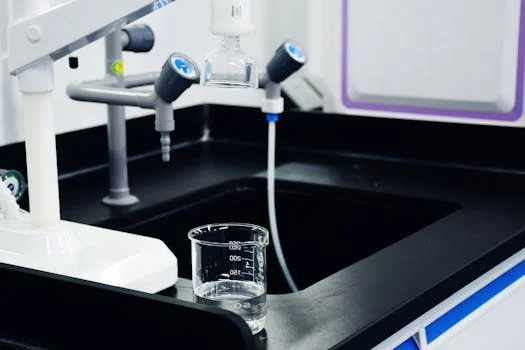
Selecting the optimal industrial sewage treatment technology for Northern Territory projects hinges on specific influent characteristics and effluent quality targets, with Membrane Bioreactors (MBR), Dissolved Air Flotation (DAF), and Conventional Sewage Treatment Plants (STPs) offering distinct advantages. Each technology addresses different challenges prevalent in NT’s diverse industrial landscape.
- MBR (Membrane Bioreactor): MBR systems combine biological treatment with membrane filtration, producing near-reuse-quality effluent (TSS <1 mg/L, BOD <5 mg/L). This technology offers a significantly smaller footprint, up to 60% less than conventional STPs, making it ideal for space-constrained sites. However, MBR systems entail a higher capital cost, typically AUD 1.5M–2.5M for a 500 m³/day system, and are sensitive to high salinity. Influent with Total Dissolved Solids (TDS) exceeding 15,000 mg/L often requires costly pretreatment to prevent membrane fouling and maintain biological activity (HydropureWater MBR product specs). MBR systems are particularly well-suited for NT hospitals due to their superior pathogen removal capabilities, ensuring compliance with stringent health facility discharge standards. For robust MBR systems in NT’s high-salinity and remote projects, consider MBR systems.
- DAF (Dissolved Air Flotation): DAF systems are highly effective for wastewater streams with high concentrations of fats, oils, and grease (FOG), making them ideal for food processing facilities, abattoirs, and certain mining applications. DAF can remove 92–97% of Chemical Oxygen Demand (COD) and up to 99% of oils and greases (per EPA 2024 benchmarks). Capital costs range from AUD 200K–1M for systems treating 100–500 m³/day. A key limitation is their reduced effectiveness with high-BOD wastewater (>1,000 mg/L) without subsequent biological treatment. For applications such as NT’s food processing and abattoir wastewater, DAF systems are often the preferred primary treatment. For a detailed comparison, compare DAF and sedimentation costs for NT projects.
- Conventional STPs (Activated Sludge, SBR, A/O): These systems, including Activated Sludge, Sequencing Batch Reactors (SBR), and Anaerobic/Oxic (A/O) processes, generally offer lower capital costs, typically AUD 500K–1.5M for a 500 m³/day system. However, they require a significantly larger footprint and typically produce lower effluent quality, often meeting Class B or C standards, but can be upgraded to Class A with tertiary treatment. Conventional STPs are a pragmatic choice for municipal projects or remote mining camps where ample land is available, budget constraints are tighter, and operational simplicity and low maintenance are prioritized over highly polished effluent. Integrated conventional sewage treatment plants can be viable for these scenarios.
| Parameter | MBR (Membrane Bioreactor) | DAF (Dissolved Air Flotation) | Conventional STPs (A/O, SBR) |
|---|---|---|---|
| Influent TSS/BOD Suitability | Moderate to High BOD/TSS (post-screening) | High FOG, moderate COD/TSS | Moderate BOD/TSS |
| Effluent Quality (Typical) | Class A (TSS <1, BOD <5 mg/L) | High FOG/TSS removal (primary treatment) | Class B/C (TSS <30, BOD <20 mg/L) |
| Salinity Tolerance | Sensitive (>15,000 mg/L TDS requires pretreatment) | Moderate (physical process) | Moderate (biological inhibition at high levels) |
| Footprint (Relative) | Small (60% less than conventional) | Moderate | Large |
| Capital Cost (500 m³/day) | AUD 1.5M–2.5M | AUD 200K–1M (for primary) | AUD 500K–1.5M |
| O&M Cost (per m³) | AUD 1.00–2.00 (energy, membranes) | AUD 0.50–1.20 (energy, chemicals, sludge) | AUD 0.50–1.50 (energy, chemicals, sludge) |
Cost Breakdown for Sewage Treatment Equipment in Northern Territory: 2025 Benchmarks
Industrial-scale sewage treatment equipment in the Northern Territory typically incurs capital costs ranging from AUD 500K to AUD 2M+, primarily influenced by system capacity, technology choice, and the need for remote monitoring capabilities. Transparent cost data is essential for accurate budgeting and informed procurement decisions, especially given the unique logistical challenges and compliance requirements in NT.
Capital costs for smaller, residential, or commercial systems like septic tanks or FujiClean units generally range from AUD 50K–200K. In contrast, industrial systems utilizing advanced technologies such as MBR or DAF, or large conventional STPs, command higher capital outlays of AUD 500K–2M. These figures often include equipment fabrication, delivery to remote sites, and initial installation. For example, Protex Water's 296 kL/day Class A STP for the Aquila Mine was an AUD 1.8M project, encompassing equipment, installation, and integration of remote monitoring (Top 5).
Operating costs for industrial systems in NT typically fall between AUD 0.50–2.00/m³. This range accounts for energy consumption, chemical usage, and routine maintenance, including membrane replacement for MBR systems. Sludge disposal is a significant operational expense, particularly for DAF and conventional STPs, with hazardous sludge costing AUD 150–300/ton for transport and approved disposal at designated facilities (NT Waste Management Guidelines 2023). Remote monitoring add-ons, such as MAK Water's ClearAccessTM or equivalent telemetry systems, can add AUD 20K–50K to the initial capital investment, but they are crucial for reducing on-site operator costs and ensuring system uptime in remote locations. To compare NT and Brisbane wastewater treatment costs, consider the increased logistical and operational complexities in the Territory.
| System Type | Typical Capacity | Capital Cost (AUD) | O&M Cost (AUD/m³) | Remote Monitoring (Add-on AUD) | Sludge Disposal Cost (AUD/ton) |
|---|---|---|---|---|---|
| Residential (Septic, FujiClean) | <10 kL/day | 50K–200K | 0.20–0.50 | N/A | 100–150 |
| Commercial (Small Hotels, Camps) | 10–50 kL/day | 150K–500K | 0.40–0.80 | 5K–15K | 100–200 |
| Industrial (MBR, DAF, Large STP) | >50 kL/day | 500K–2M+ | 0.50–2.00 | 20K–50K | 150–300 (hazardous) |
NT EPA Compliance Checklist: How to Ensure Your System Meets Local Standards
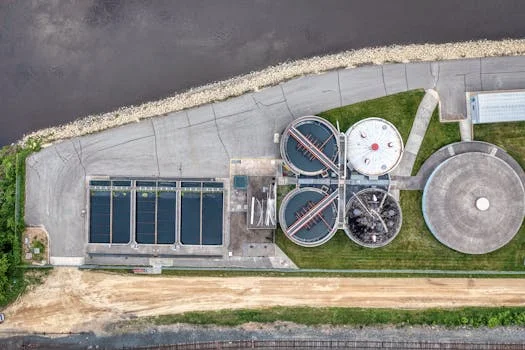
Compliance with Northern Territory EPA regulations is mandatory for all sewage treatment systems, with stringent effluent quality standards and specific requirements for saline wastewater and sludge disposal. Failure to meet these local standards can result in significant fines, operational shutdowns, and reputational damage. Procurement managers must integrate these requirements into their equipment selection and project planning from the outset.
Effluent quality standards differentiate between Class A and Class B. Class A effluent, often required for discharge to sensitive environments or for reuse, mandates BOD <10 mg/L, TSS <10 mg/L, and E. coli <10 CFU/100mL. Class B standards are slightly less stringent, typically requiring BOD <20 mg/L and TSS <30 mg/L (NT EPA 2024). Salinity limits are particularly critical in NT; influent TDS exceeding 15,000 mg/L often necessitates specialized pretreatment, such as Reverse Osmosis (RO) or chemical coagulation, to protect biological processes and meet discharge criteria (NT EPA Guidelines for Saline Wastewater 2023).
Sludge disposal regulations are also stringent. Hazardous sludge, commonly generated from hospitals or certain industrial processes, must be incinerated or disposed of at approved, licensed landfill facilities. Land application of such sludge is strictly prohibited (NT Waste Management Guidelines 2023). For medical facilities, ensuring NT-compliant hospital wastewater treatment systems is crucial. systems deployed in unmanned or remote sites must incorporate 24/7 telemetry and automated alarm notifications to comply with NT EPA's Remote Monitoring Policy 2024, ensuring operational oversight and rapid response to excursions.
| Project Type | Effluent Standards | Salinity Limits (Influent TDS) | Sludge Disposal | Remote Monitoring |
|---|---|---|---|---|
| Municipal | Class A or B (site-dependent) | Consider pretreatment if >15,000 mg/L | Non-hazardous: land application (approved sites); Hazardous: approved landfill/incineration | Recommended for remote sites |
| Industrial (e.g., Mining, Food Processing) | Class A (for discharge/reuse) | Pretreatment often required if >15,000 mg/L | Hazardous: approved landfill/incineration; Non-hazardous: site-specific | Mandatory for unmanned/remote sites (24/7 telemetry) |
| Hospital | Class A (pathogen removal) | Pretreatment if >15,000 mg/L | Hazardous: Incineration or specialized landfill (mandatory) | Mandatory (24/7 telemetry) |
Vendor Selection Framework: How to Choose the Right Supplier for Your NT Project
Selecting the appropriate sewage treatment equipment supplier in the Northern Territory requires a structured evaluation process that prioritizes project scale, influent characteristics, and a proven track record of local compliance. This framework guides procurement managers through critical decision points to ensure a robust and compliant solution.
- Step 1: Define Project Scale and Influent Characteristics. Accurately assess your project's daily wastewater volume (e.g., kL/day) and detailed influent parameters, including Biochemical Oxygen Demand (BOD), Total Suspended Solids (TSS), salinity (TDS in mg/L), and Fats, Oils, and Grease (FOG). This initial data is fundamental for sizing equipment and selecting the appropriate treatment technology.
- Step 2: Match Technology to Project Needs. Based on your influent characteristics and desired effluent quality, identify the most suitable technology. MBR systems are ideal for hospitals requiring high pathogen removal and Class A effluent. DAF systems excel in food processing or abattoirs with high FOG loads. Conventional STPs are often cost-effective for remote mining camps with ample space and lower maintenance priorities.
- Step 3: Shortlist Suppliers Based on NT Specifics. Prioritize suppliers with a demonstrated NT service presence, a strong compliance track record with NT EPA, and robust remote monitoring capabilities. Evaluate their experience with projects of similar scale and complexity in the Territory, considering their ability to handle logistical challenges of remote sites.
- Step 4: Request Quotes with NT-Specific Cost Add-ons. Obtain detailed quotes that explicitly itemize costs for equipment, installation, commissioning, and crucial NT-specific add-ons. These include salinity pretreatment, integrated remote monitoring systems, and estimated costs for sludge disposal, particularly for hazardous waste.
- Step 5: Validate Compliance with NT EPA Standards. Before final commitment, thoroughly review the proposed system's design specifications against the NT EPA compliance checklist. Confirm that the supplier guarantees effluent quality to meet Class A or B standards, addresses salinity limits, outlines approved sludge disposal methods, and integrates mandatory remote monitoring for unmanned sites.
A decision tree for selecting an NT supplier might follow this logic: Project Type (e.g., Hospital) → Technology Requirement (e.g., MBR for pathogen removal) → Compliance Needs (e.g., Class A effluent, hazardous sludge) → Budgetary Constraints → Shortlisted Suppliers (based on capacity, service, and track record).
Frequently Asked Questions

Common inquiries regarding sewage treatment in the Northern Territory frequently address system sizing, compliance specifics, and operational considerations for remote sites.
How many wastewater treatment plants are there in Australia?
Australia has over 1,700 wastewater treatment plants, ranging from small modular units in remote communities to large metropolitan facilities. The majority are managed by state-owned water corporations or private operators for industrial applications.
What is the difference between STP and WWTP?
STP (Sewage Treatment Plant) and WWTP (Wastewater Treatment Plant) are often used interchangeably. Technically, an STP specifically treats domestic sewage, while a WWTP is a broader term encompassing the treatment of any wastewater, including industrial effluent, stormwater, and sewage.
Which country is the largest exporter of water and sewage process technology?
Germany and the United States are among the leading global exporters of advanced water and sewage process technology. They are known for their innovation in membrane technology, advanced oxidation processes, and smart water management systems. Other significant exporters include China and Japan.
What are NT EPA's Class A effluent standards?
NT EPA Class A effluent standards require treated wastewater to meet stringent quality parameters: Biochemical Oxygen Demand (BOD) less than 10 mg/L, Total Suspended Solids (TSS) less than 10 mg/L, and E. coli less than 10 CFU/100mL. These standards facilitate safe discharge to sensitive environments or for reuse.
How does high salinity affect sewage treatment in NT?
High salinity (>15,000 mg/L TDS) can inhibit biological treatment processes, accelerate corrosion of equipment, and cause membrane fouling in MBR systems. Specialized, salt-tolerant designs and often pre-treatment (e.g., RO or chemical coagulation) are necessary to mitigate these impacts and ensure effective treatment.