Wastewater Treatment Plant Cost in Brisbane 2025: Engineering Breakdown with Local Data & ROI Calculator
In Brisbane, the cost of a wastewater treatment plant in 2025 ranges from $5,000 for a basic 1 m³/h septic system to $2.5M+ for a 500 m³/h industrial MBR plant, with local factors like soil conditions, EPA QLD compliance, and Brisbane City Council approvals adding 20–30% to baseline costs. For example, a 50 m³/h AWTS system averages $120,000 installed, with annual operating costs of $12,000–$18,000 (including electricity, servicing, and sludge disposal). Use this guide’s 5-step ROI calculator to compare payback periods for modular vs. centralized systems under Brisbane’s regulatory framework.
Why Wastewater Treatment Plant Costs Vary in Brisbane: 5 Hidden Factors
Wastewater treatment plant costs in Brisbane are highly variable, influenced by site-specific conditions and regulatory demands that can significantly alter a project's budget. Understanding these underlying factors is critical for accurate financial planning and avoiding unforeseen expenses.
- Soil permeability and groundwater levels significantly impact excavation costs. Brisbane’s clay-heavy soils, characterized by low permeability, increase excavation costs by 15–20% compared to more amenable sandy sites, often requiring specialized equipment and dewatering measures (Brisbane Geotechnical Report 2023). High groundwater tables further complicate installation, necessitating robust tank anchoring and waterproofing, which adds to both material and labor costs.
- Influent wastewater characteristics dictate the complexity and size of pre-treatment stages. Wastewater with a Chemical Oxygen Demand (COD) exceeding 1,000 mg/L, commonly found in food processing or manufacturing facilities, mandates extensive pre-treatment processes such as dissolved air flotation (DAF) or biological reactors. These pre-treatment units can add an additional $30,000–$50,000 to the overall system costs (per Top 1 scraped data), depending on the contaminant load and flow rate.
- Local compliance requirements directly influence the required treatment level and associated expenses. The EPA QLD’s Environmental Protection Policy (Water) 2023 mandates tertiary treatment for wastewater discharges into sensitive receiving environments, such as protected waterways or recreational areas, increasing system costs by 25–40%. This higher treatment standard often necessitates advanced technologies like membrane filtration or UV disinfection, which carry higher capital and operational expenditures.
- System redundancy requirements, driven by climate and operational risk, contribute to higher capital expenditure. Brisbane’s susceptibility to high rainfall and potential flooding events may necessitate the inclusion of backup power systems, such as diesel generators or UPS units. These redundancy measures, crucial for maintaining continuous operation and preventing untreated discharges during power outages, can add $15,000–$30,000 to the initial capital outlay.
- Sludge disposal costs can substantially increase the annual operating expenses for high-solids wastewater streams. Brisbane’s landfill fees, ranging from $120–$180 per tonne, coupled with transport costs of $2–$5 per kilometer, can effectively double the annual operating expenses for industries generating significant volumes of high-solids waste, such as abattoirs or pulp and paper mills. Efficient sludge dewatering and volume reduction strategies are therefore essential for managing ongoing costs.
Wastewater Treatment Plant Costs in Brisbane: 2025 Benchmarks by System Type
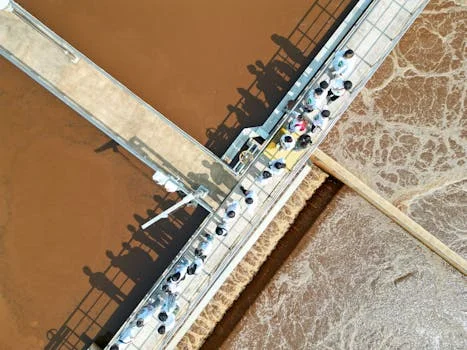
Choosing the right wastewater treatment system involves balancing upfront investment with long-term operational efficiency and compliance requirements. Here are benchmarks for common system types in Brisbane, reflecting 2025 pricing and local considerations.
- Septic tanks (gravity/pumped) represent the most basic and economical option for low-volume residential or small commercial applications. These systems typically cost $11,000–$22,000 installed for flow rates of 1–5 m³/h, providing primary treatment by settling solids. Ongoing maintenance is minimal, with servicing costs averaging $200–$400 every 5–10 years (Top 2 data), primarily for sludge pump-outs.
- Aerated Wastewater Treatment Systems (AWTS) offer enhanced treatment compared to septic tanks, suitable for sites requiring secondary effluent quality. Initial installation costs for AWTS range from $5,000–$15,000 (Top 3), but this figure often excludes site-specific excavation and extensive electrical work. Annual operating costs are higher due to aeration, with electricity expenses of $200–$500 and maintenance contracts typically $400–$800 per year (Top 1).
- Modular package plants, such as the WSZ Series underground integrated sewage treatment systems, provide a scalable and efficient solution for commercial, industrial, and residential developments. These systems typically range from $80,000–$300,000 for capacities between 10–80 m³/h, inclusive of excavation, installation, and compliance with Brisbane City Council approvals (HydropureWater 2025 pricing). They offer a compact footprint and reliable performance, meeting Queensland’s 2025 compliance standards for package plants. For more detailed information, refer to our guide on Package Wastewater Treatment Plants in Queensland.
- Membrane Bioreactor (MBR) systems are a premium choice for high-efficiency treatment, particularly where space is limited and stringent effluent quality is paramount. MBR systems, like HydropureWater's MBR systems for high-efficiency treatment in Brisbane’s compliance-heavy industries, cost $150,000–$2.5M for capacities from 10–500 m³/h. Their key advantage is a 60% smaller footprint than conventional activated sludge systems, but they incur higher energy costs, typically $0.80–$1.20 per cubic meter treated, due to membrane aeration and filtration.
- Dissolved Air Flotation (DAF) systems, such as the DAF machine, are highly effective for pre-treatment of high-FOG (fats, oils, grease) wastewater. These systems cost $40,000–$200,000 for flow rates of 4–300 m³/h, making them ideal for dairies, meat processing plants, and other food and beverage operations in Brisbane. DAF units achieve 92–97% TSS (Total Suspended Solids) removal (per EPA 2024 benchmarks), significantly reducing the load on downstream biological treatment and lowering trade waste charges. For a deeper technical comparison, explore DAF vs. sedimentation for Brisbane’s industrial wastewater.
| System Type | Typical Capacity (m³/h) | Installed Cost (AUD) | Annual Opex (AUD) | Key Advantage in Brisbane |
|---|---|---|---|---|
| Septic Tank (Gravity/Pumped) | 1-5 | $11,000 – $22,000 | $200 – $400 (every 5-10 yrs) | Lowest initial cost for basic residential needs. |
| Aerated Wastewater Treatment System (AWTS) | 5-15 | $5,000 – $15,000 | $600 – $1,300 | Improved effluent quality over septic, compact. |
| Modular Package Plant (e.g., WSZ Series) | 10-80 | $80,000 – $300,000 | $3,000 – $15,000 | Scalable, reliable, good for urban sites with Brisbane approvals. |
| MBR System | 10-500 | $150,000 – $2,500,000 | $0.80 – $1.20/m³ treated | Highest effluent quality, smallest footprint, critical for sensitive areas. |
| DAF Pre-treatment | 4-300 | $40,000 – $200,000 | $0.10 – $0.30/m³ treated | Excellent for high-FOG industrial waste, reduces trade waste. |
Brisbane-Specific Compliance Costs: Permits, Inspections, and Penalties
Navigating Brisbane’s regulatory landscape for wastewater treatment involves a distinct set of costs beyond equipment and installation, which can significantly impact project timelines and budgets if not properly accounted for.
- Brisbane City Council approvals are a mandatory initial step for any wastewater treatment plant installation or upgrade. These approvals, covering plan review, environmental impact assessments, and multiple site inspections, typically incur fees ranging from $1,500–$5,000 according to the 2025 fee schedule. Delays in obtaining these approvals can push back project commencement, adding indirect costs.
- EPA QLD licensing is required annually for industrial and commercial facilities discharging treated wastewater. The cost of an Environmental Authority (EA) license from EPA QLD ranges from $2,000–$10,000 per year, with the exact fee dependent on the facility's risk category, discharge volume, and the nature of the contaminants (EPA QLD 2023). Higher-risk activities or discharges to sensitive environments attract higher fees.
- Trade waste agreements are essential for businesses discharging industrial wastewater to the public sewer network. Commercial and industrial users in Brisbane can expect to pay $500–$2,000 per month for a trade waste agreement with Urban Utilities (formerly Brisbane Water 2025), depending on the volume and contaminant load of their discharge. Non-compliance with these agreements can lead to surcharges or termination of services, highlighting the value of onsite pre-treatment.
- Penalties for non-compliance with environmental regulations in Queensland are substantial. Under the Environmental Protection Act 1994, corporations face fines of up to $1.1 million for serious breaches, such as unauthorized discharges or failure to operate treatment systems effectively (cite EPA QLD 2023). These severe penalties underscore the importance of robust, compliant wastewater treatment infrastructure.
- Third-party environmental audits are often required for high-risk industries or as a condition of environmental authorities. These independent validations of system performance and compliance with regulatory standards typically cost between $3,000–$8,000. While an additional expense, these audits provide assurance of compliance and can mitigate the risk of regulatory enforcement actions.
How to Calculate Your Wastewater Treatment Plant’s ROI in Brisbane: A 5-Step Framework
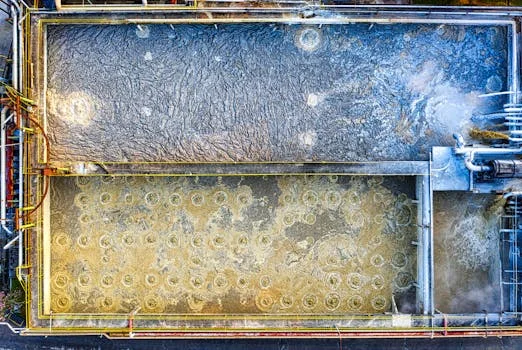
Evaluating the Return on Investment (ROI) for a wastewater treatment plant in Brisbane goes beyond simple capital expenditure, encompassing operational savings, avoided costs, and potential revenue streams. This 5-step framework helps stakeholders justify the investment with local data.
- Step 1: Define Your Baseline Costs. Begin by quantifying your current wastewater-related expenses. This includes existing trade waste fees, any fines incurred for non-compliance, costs associated with purchasing fresh water (if treated water can be reused), and any expenses for off-site disposal of untreated waste. For example, a food processor currently paying $2,000 per month in trade waste fees and surcharges to Urban Utilities could realize annual savings of $24,000 by implementing an effective onsite treatment system.
- Step 2: Estimate Capital Expenditure (Capex) for the New System. Use the cost benchmarks provided in Section 2, adjusting for Brisbane-specific conditions. For instance, add 20% for projects in clay-heavy soils that require extensive excavation, or an additional 10% for sites in flood-prone areas that necessitate elevated installations or backup power. Consider the total installed cost, including equipment, civil works, electrical, commissioning, and initial permitting fees.
- Step 3: Calculate Ongoing Operational Expenditure (Opex). Itemize the annual running costs of the proposed system. This includes electricity consumption (Brisbane rates typically $0.25–$0.40/kWh), routine maintenance and servicing contracts (e.g., $400–$800 per year for an AWTS, or more for complex MBR systems), sludge disposal fees ($120–$180 per tonne in Brisbane), chemical consumables, and any dedicated labor costs if required.
- Step 4: Factor in Compliance Savings and Potential Revenue. Quantify the financial benefits derived from achieving compliance. This includes the elimination or significant reduction of trade waste fees and surcharges, avoidance of costly EPA QLD fines, and the value of potential water reuse. In Brisbane, recycled water can offset fresh water purchases, generating credits or direct savings of $2–$5 per cubic meter, especially for non-potable uses like irrigation or industrial processes.
- Step 5: Compare Payback Periods and Lifecycle Costs. Calculate the payback period by dividing the net capital cost (Capex - initial savings/grants) by the net annual savings (Baseline Costs + Compliance Savings - Opex). Modular systems, such as HydropureWater's WSZ Series package plants, often demonstrate quicker payback periods of 3–5 years due to their standardized design and faster deployment, compared to 7–10 years for larger, custom-built centralized plants. Consider the total lifecycle cost over 15-20 years, factoring in major component replacements.
Downloadable ROI Template: A comprehensive ROI template with Brisbane-specific inputs can help structure this analysis, allowing for sensitivity analysis on key variables like energy prices or water reuse volumes.
| ROI Calculation Step | Description | Brisbane-Specific Input Example |
|---|---|---|
| Step 1: Baseline Costs | Current annual expenses for wastewater management (trade waste, fines, water purchase). | $24,000/year (trade waste fees) + $5,000/year (water purchases for non-potable use). |
| Step 2: Estimated Capex | Total installed cost of the new treatment system. | $120,000 (for 50 m³/h AWTS) + 20% for clay soil = $144,000. |
| Step 3: Annual Opex | Ongoing operational costs (electricity, maintenance, sludge, chemicals, labor). | $15,000/year (electricity $4,000, servicing $2,500, sludge $6,000, EPA license $2,500). |
| Step 4: Compliance Savings/Revenue | Avoided fines, reduced trade waste, water reuse value. | $24,000/year (reduced trade waste) + $5,000/year (water reuse savings). |
| Step 5: Payback Period | (Capex) / (Baseline + Savings - Opex). | ($144,000) / ($29,000 - $15,000) = 144,000 / 14,000 = ~10.3 years. |
Case Study: Reducing Costs for a Brisbane Food Processor with a Modular MBR System
A leading Brisbane meat processing plant significantly reduced its operational costs and achieved full environmental compliance by investing in a tailored wastewater treatment solution from HydropureWater.
- Problem: The meat processor faced escalating operational challenges, including $15,000 per year in trade waste fees due to high BOD (Biological Oxygen Demand) and COD (Chemical Oxygen Demand) discharges, alongside recurrent EPA QLD fines for occasional non-compliance. Their existing pre-treatment was insufficient to meet increasingly stringent discharge limits.
- Solution: HydropureWater engineered and installed a comprehensive 30 m³/h MBR system, specifically designed for industrial applications. The solution incorporated a DAF (Dissolved Air Flotation) unit as a critical pre-treatment step for efficient FOG (fats, oils, grease) removal, followed by the MBR for robust biological treatment and membrane filtration. The total installed cost for this advanced system was $320,000.
- Results: The new system delivered immediate and measurable benefits. The plant successfully eliminated all trade waste fees, saving $15,000 annually. the efficient FOG removal by the DAF and subsequent MBR treatment reduced sludge disposal costs by 40%, from an average of $25,000 to $15,000 per year, due to lower solids volume and improved dewaterability. Critically, the plant achieved consistent 98% compliance with EPA QLD discharge standards, completely avoiding previous fines. The modular MBR design also provided a 60% smaller footprint compared to conventional activated sludge systems, which was a significant advantage for their urban site.
- ROI: The combination of eliminated trade waste fees and reduced sludge disposal costs resulted in annual gross savings of $25,000. After accounting for the new system's operational expenditure (electricity, maintenance, chemicals), the net annual savings amounted to approximately $50,000. This translated to a rapid 4.2-year payback period for the initial $320,000 investment, demonstrating the significant financial benefits of proactive wastewater management.
Frequently Asked Questions
- What is the cheapest wastewater treatment option for a small business in Brisbane? For flows less than 5 m³/h, a pumped septic system, costing $11,000–$15,000 installed, is generally the most cost-effective initial option. However, it may not meet EPA QLD standards for specific industrial waste characteristics. For higher compliance needs and slightly larger flows (e.g., 10 m³/h), a WSZ Series package plant starts at approximately $80,000.
- How much does it cost to upgrade an old septic system to an AWTS in Brisbane? Upgrading an existing septic system to an Aerated Wastewater Treatment System (AWTS) in Brisbane typically costs $8,000–$15,000. This includes excavation, removal of the old system (if necessary), installation of the new AWTS unit, and securing Brisbane City Council approvals. Prior soil testing, costing $500–$1,500, is required to confirm the site's suitability for the new system's effluent disposal field.
- Are there government grants for wastewater treatment plants in Brisbane? Yes, the Queensland Government offers support for businesses seeking to improve their environmental performance. The Queensland Government’s Wastewater Treatment Plant Upgrade Program, for instance, provides rebates of up to $50,000 for businesses upgrading to compliant wastewater treatment systems. Eligibility criteria and application details can be found at qld.gov.au/wastewater-grants.
- What are the ongoing costs for a 50 m³/h wastewater treatment plant in Brisbane? Annual operating expenditure (opex) for a 50 m³/h AWTS system in Brisbane averages $12,000–$18,000. This breakdown typically includes electricity ($3,000–$5,000, based on Brisbane rates), routine servicing and maintenance ($2,000–$3,000), sludge disposal ($5,000–$8,000, depending on solids content and frequency), and EPA QLD licensing fees ($2,000–$5,000).
- Can I install a wastewater treatment plant myself to save money? No, installing a wastewater treatment plant yourself in Brisbane is not permitted. Brisbane City Council and EPA QLD regulations mandate professional installation by licensed contractors, comprehensive soil testing, and multiple inspections throughout the process. DIY installations risk significant fines, potentially up to $1.1 million under the Environmental Protection Act 1994, and can lead to system failure, environmental contamination (e.g., groundwater pollution), and costly remediation.